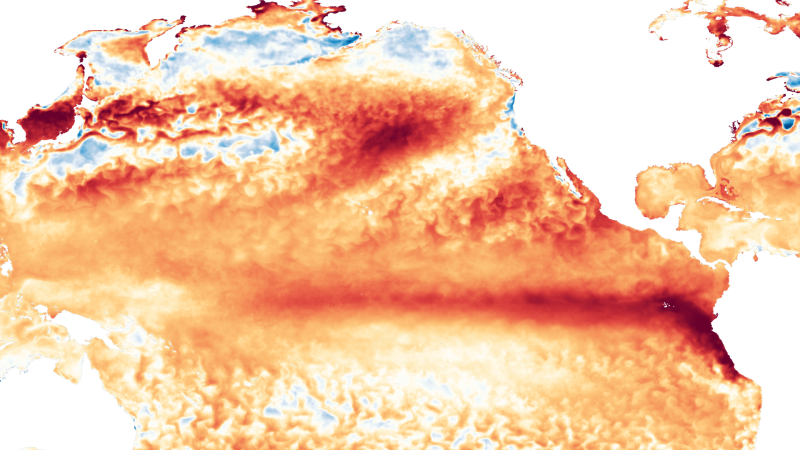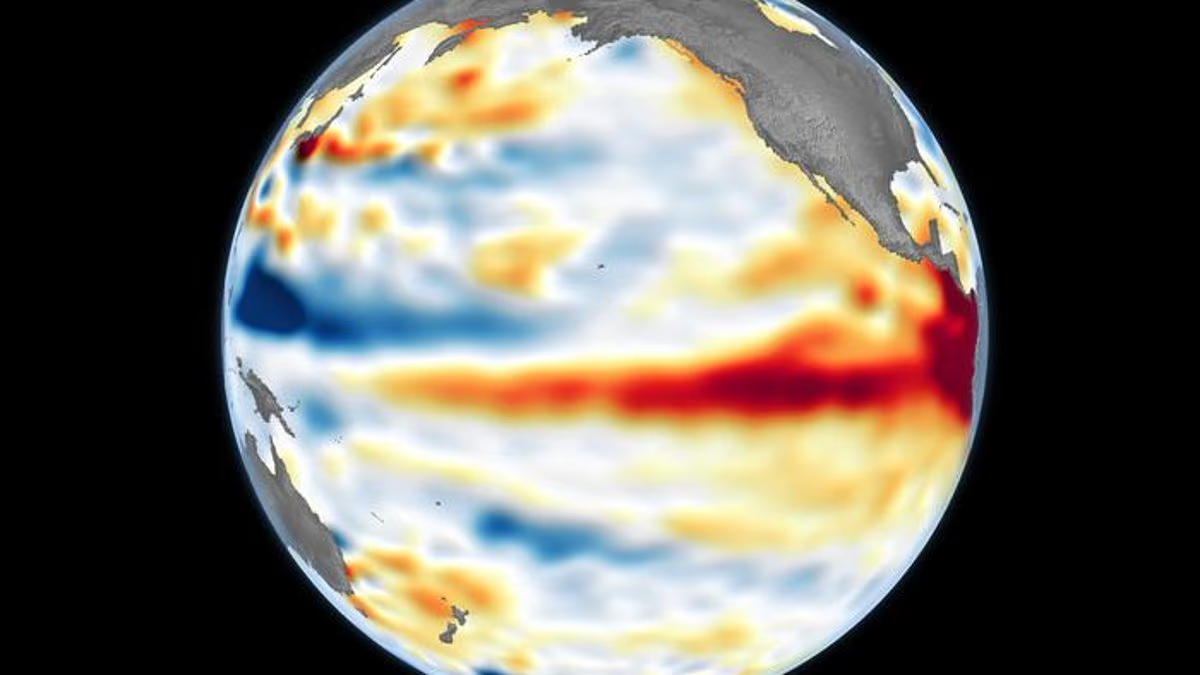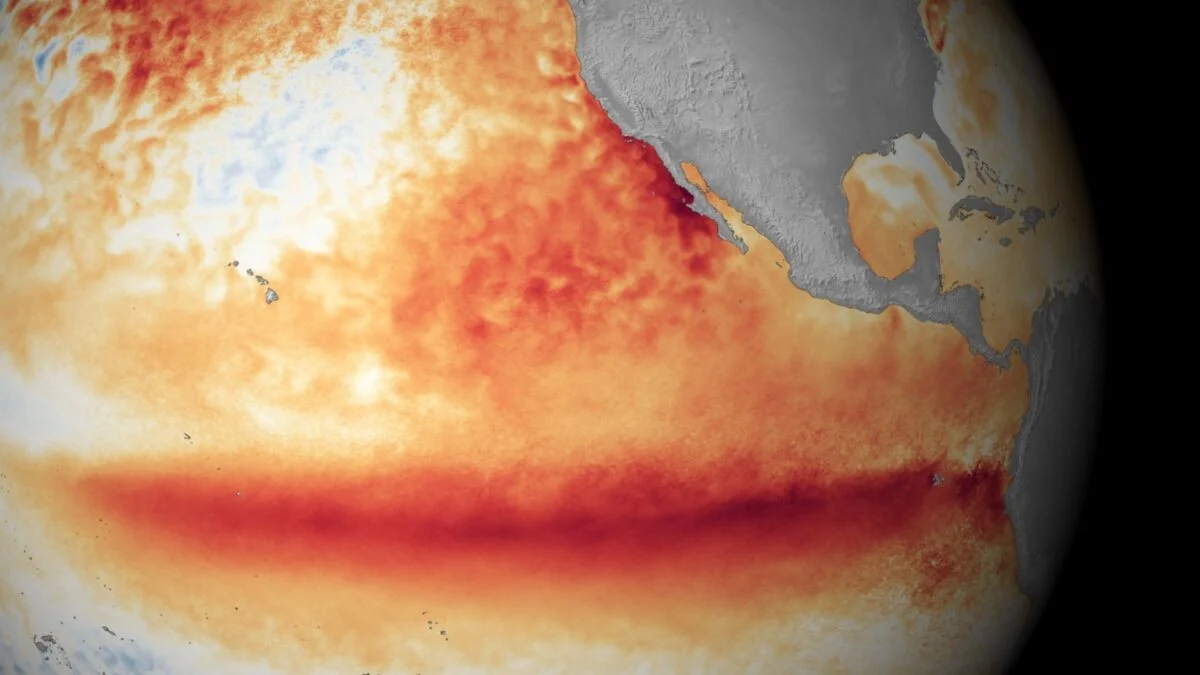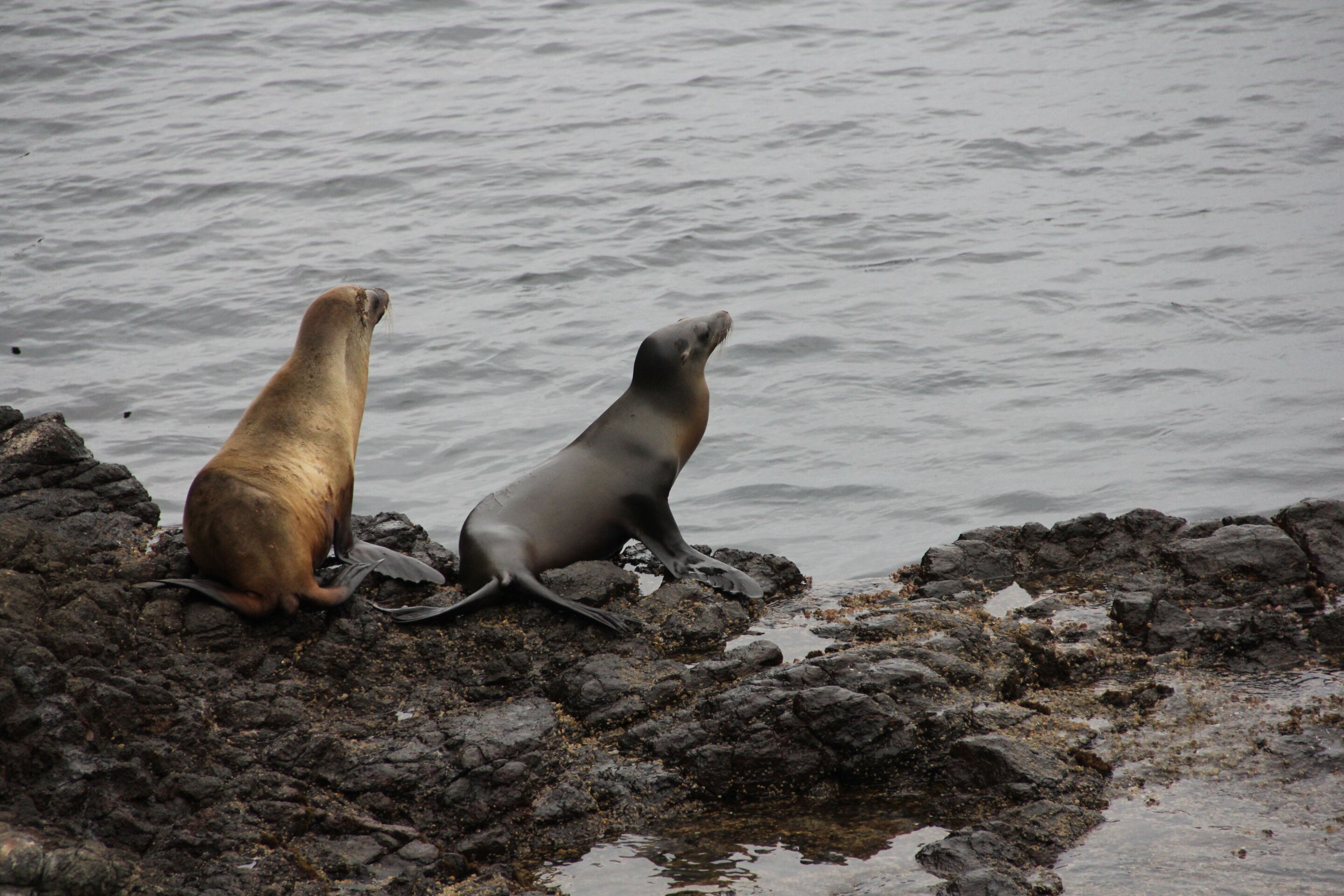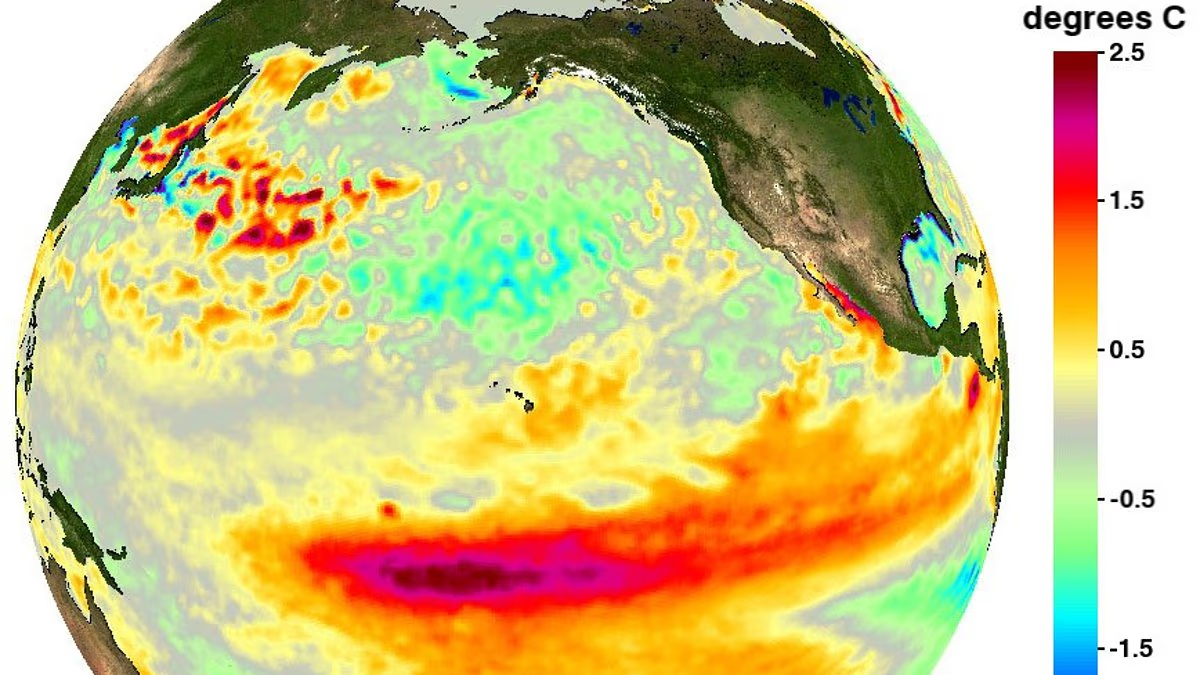
As scientists warn that the coming Super El Niño could be the worst in recorded history, one group of researchers has proposed a drastic solution.Scientists say that dimming the sun could shield up to 75 per cent of the world's oceans from sweltering heatwaves.In turn, that could help prevent the buildup of hot water in the Equatorial Pacific, which is 'fuelling' the most extreme El Niño cycle in 140 years.The controversial method, known as stratospheric aerosol injection, involves pumping vast clouds of tiny sulphur–based particles into the air.These aerosol particles hang in the upper atmosphere for years, reflecting some of the sun's energy back out into space.According to computer simulations, this could keep global warming within safe levels and dramatically cut the severity and length of marine heatwaves.However, this extreme geoengineering technique is highly controversial, and even the researchers aren't sure what the consequences would be.Co–author Professor Phoebe Zarnetske, of Michigan State University, warns: 'There's very little known about the ecological impacts.' Scientists have proposed that solar geoengineering could be used to dim the sun in order to prevent marine heatwaves (pictured), including those that could intensify the El Niño cycle
The key to preventing a Super El Niño? Scientists want to dim the SUN
As scientists warn that the coming Super El Niño could be the worst in recorded history, one group of researchers has proposed a drastic solution - dimming the sun.
1,236 words~6 min read