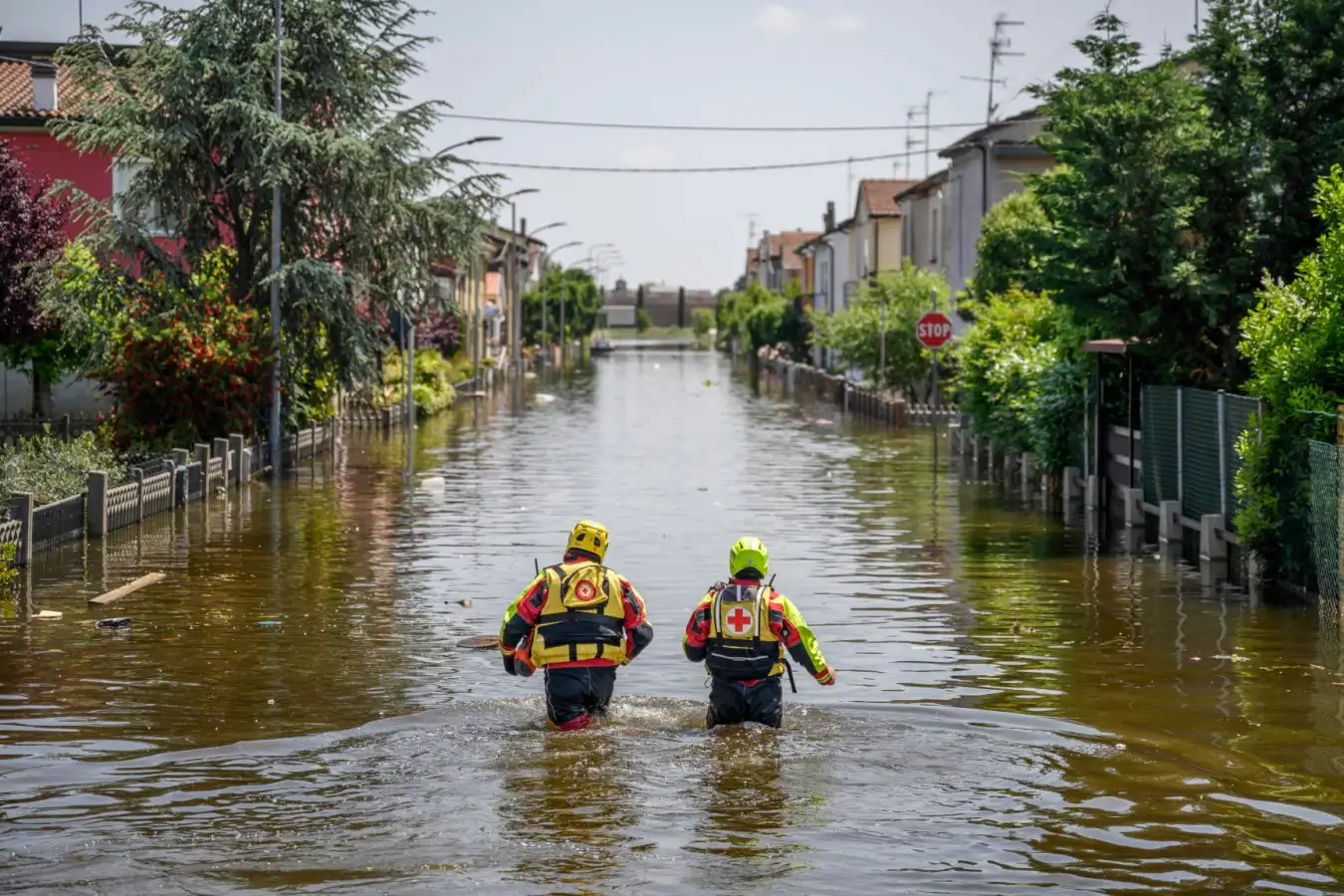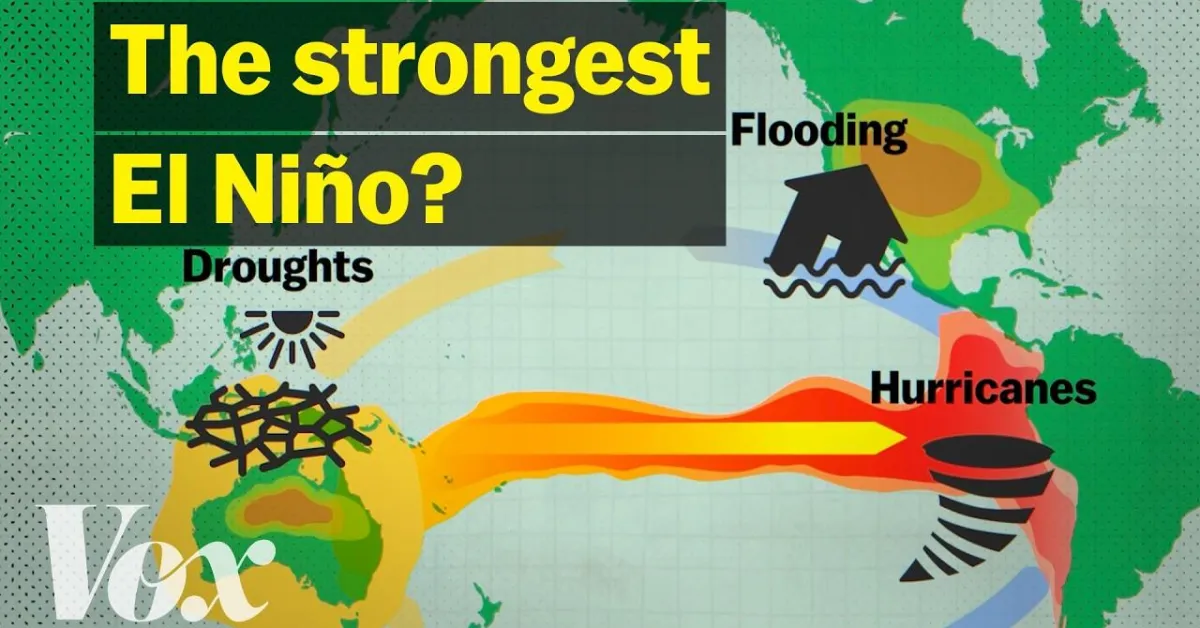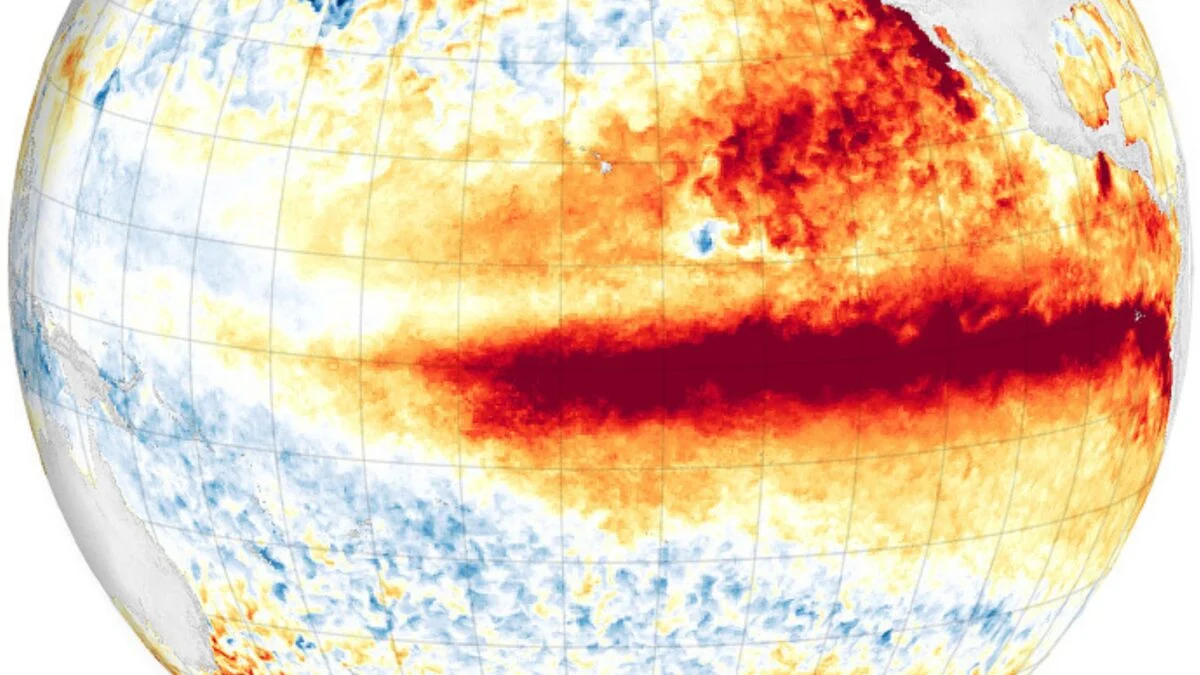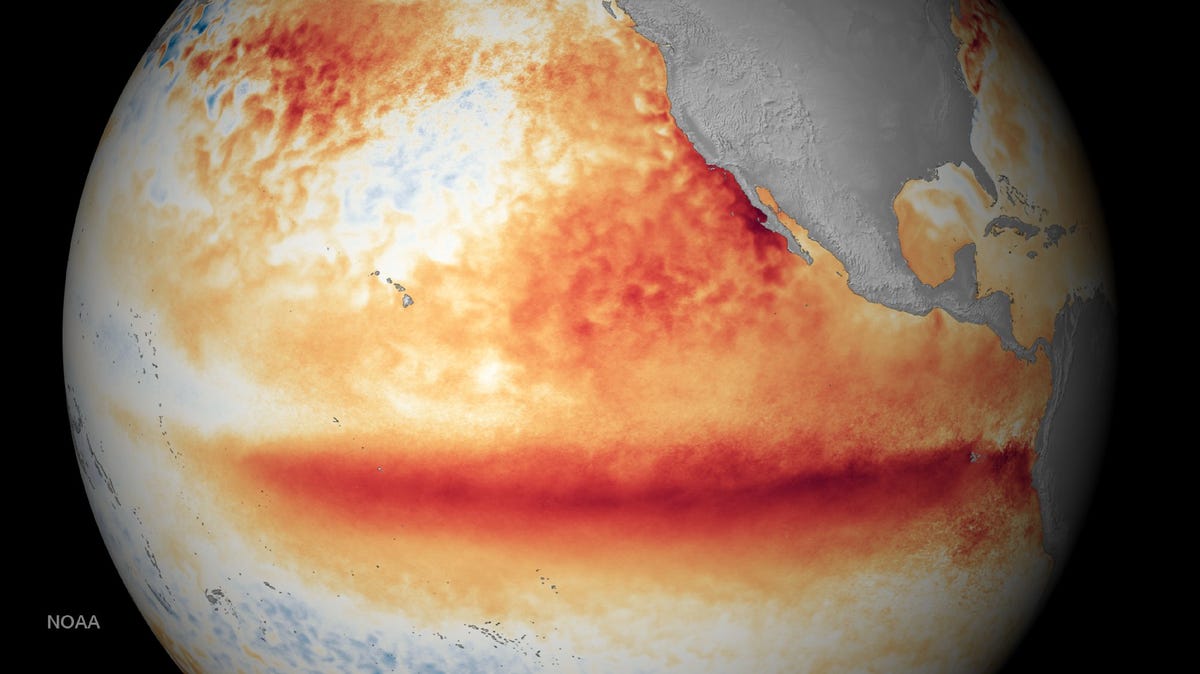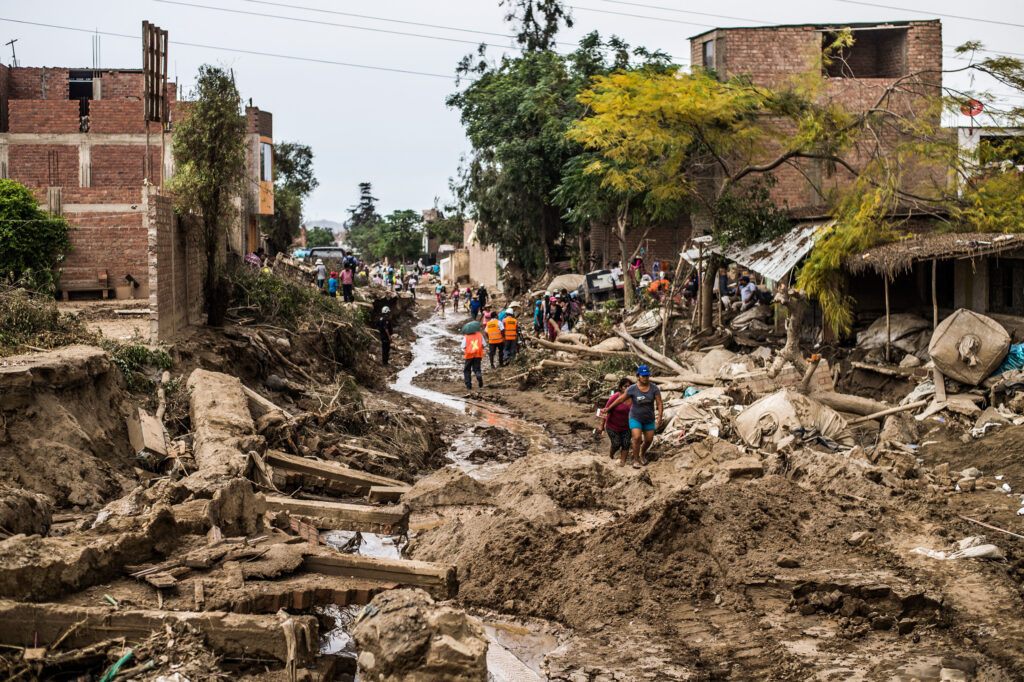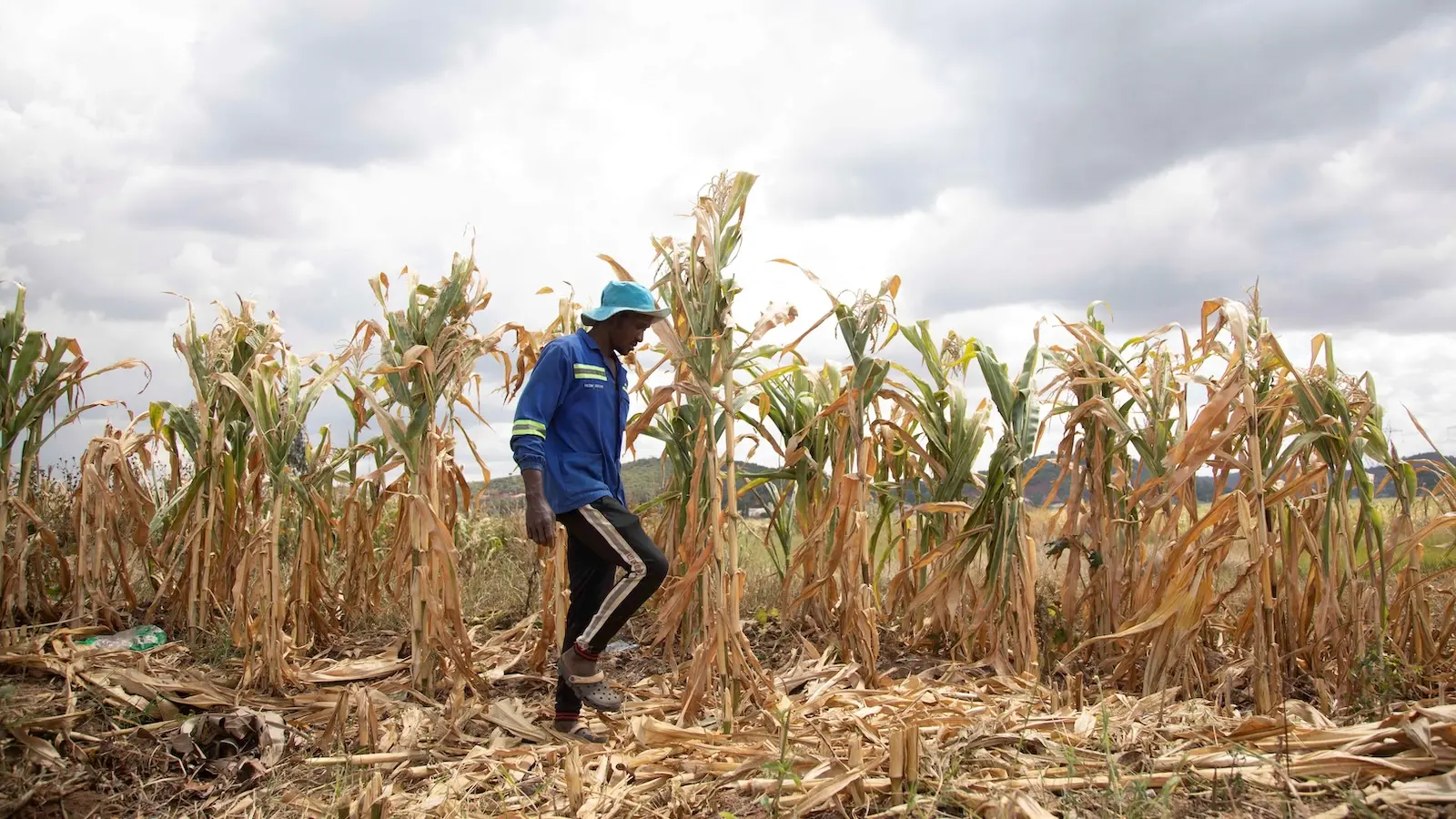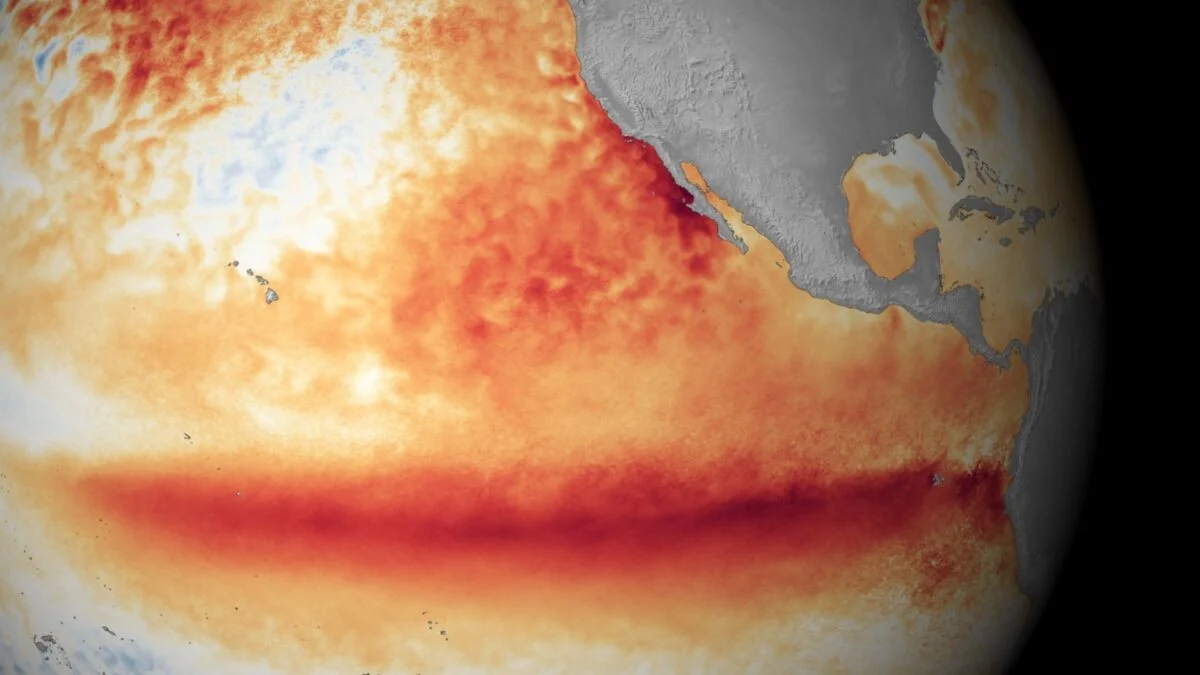
El Niño has officially arrived, and it’s going to be a big one. Meteorologists warn that the 2026-2027 “super” El Niño will have major implications for extreme weather, potentially exacerbating heatwaves, droughts, floods, and wildfires in various parts of the world. Nowadays, El Niño events are unfolding against the backdrop of global warming, and the relationship between these two climatic forces is complex. El Niño exacerbates extreme weather events that are already growing more frequent and severe due to human-driven climate change, and stronger El Niño events tend to have a more significant weather impact. Scientists also expect super El Niños to occur more frequently in a warmer world. However, new research suggests that once global warming exceeds 3.6 degrees Fahrenheit (2 degrees Celsius), super El Niños could pack less of a punch in North America. The findings, published Friday in the journal Geophysical Research Levels, show that the weather impacts of super El Niños weaken and shift eastward under worst-case global warming scenarios. As a result, extreme El Niño-related impacts over North America—such as winter warming in the Northeast and increased rainfall over California and Florida—are substantially reduced.
As Earth Warms, Super El Niños Won’t Be So Super, Study Says
A new study suggests that once the global warming exceeds a certain threshold, weather impacts of super El Niños could become less severe.
666 words~3 min read