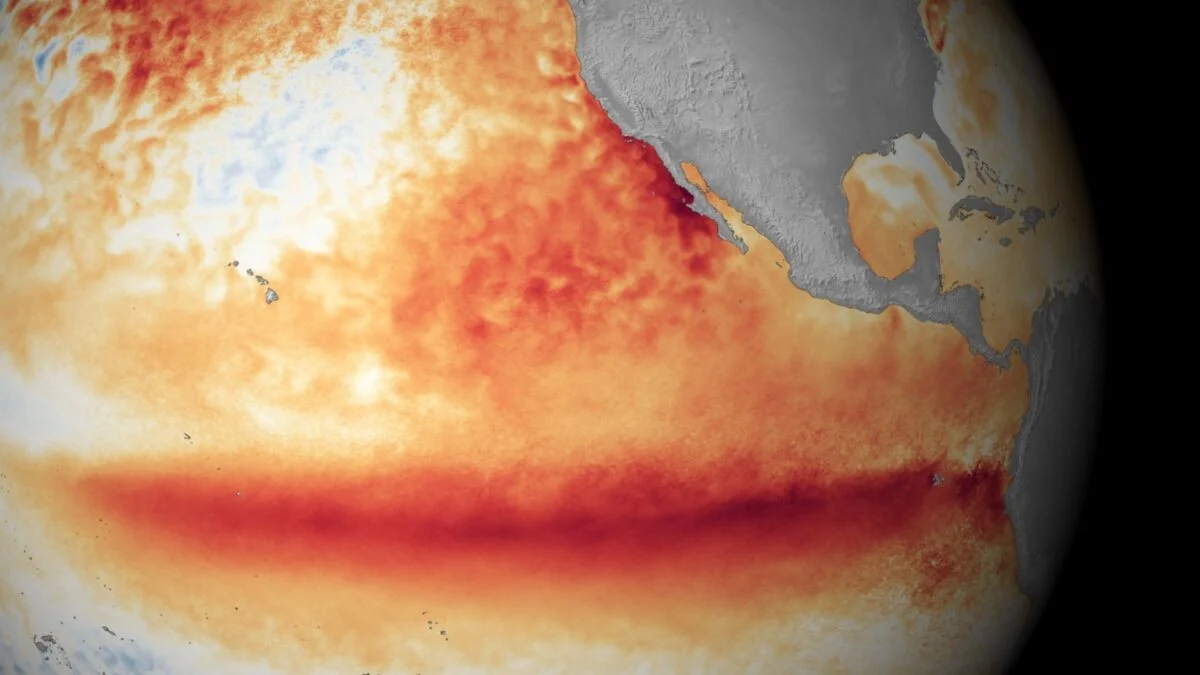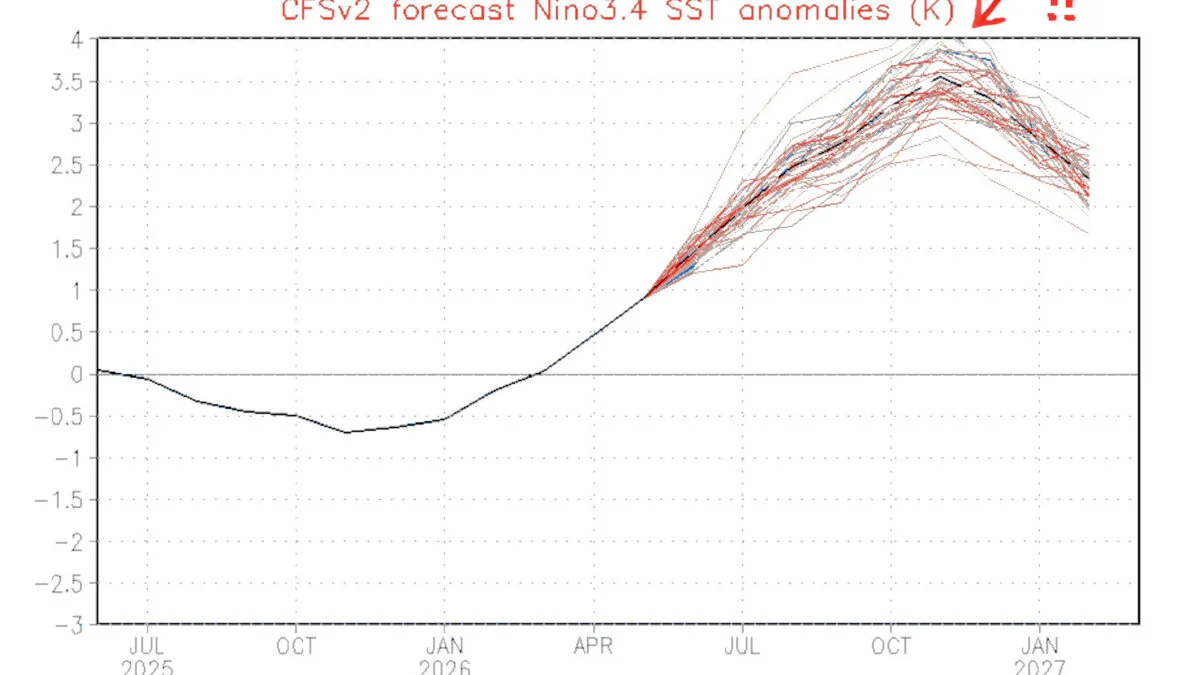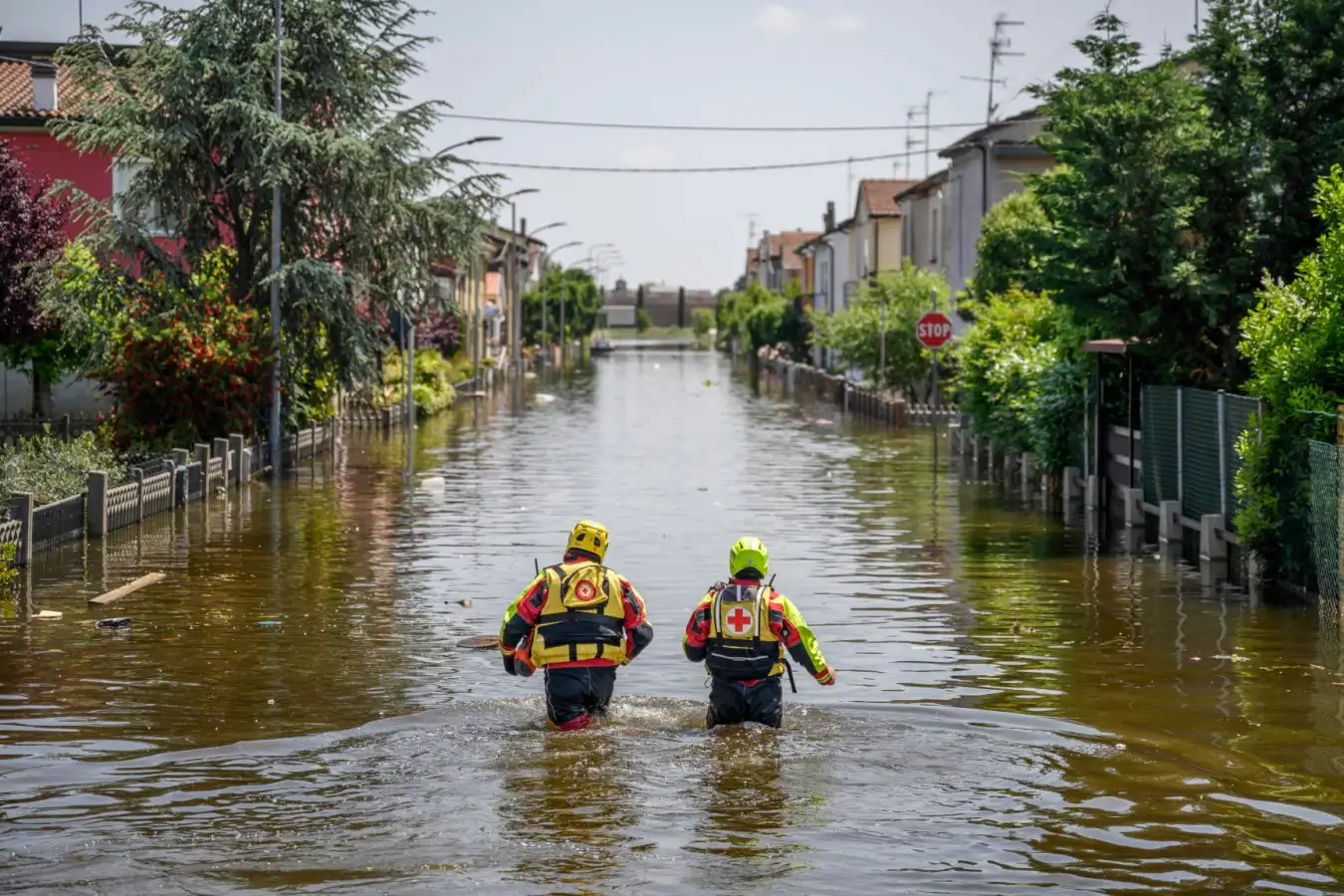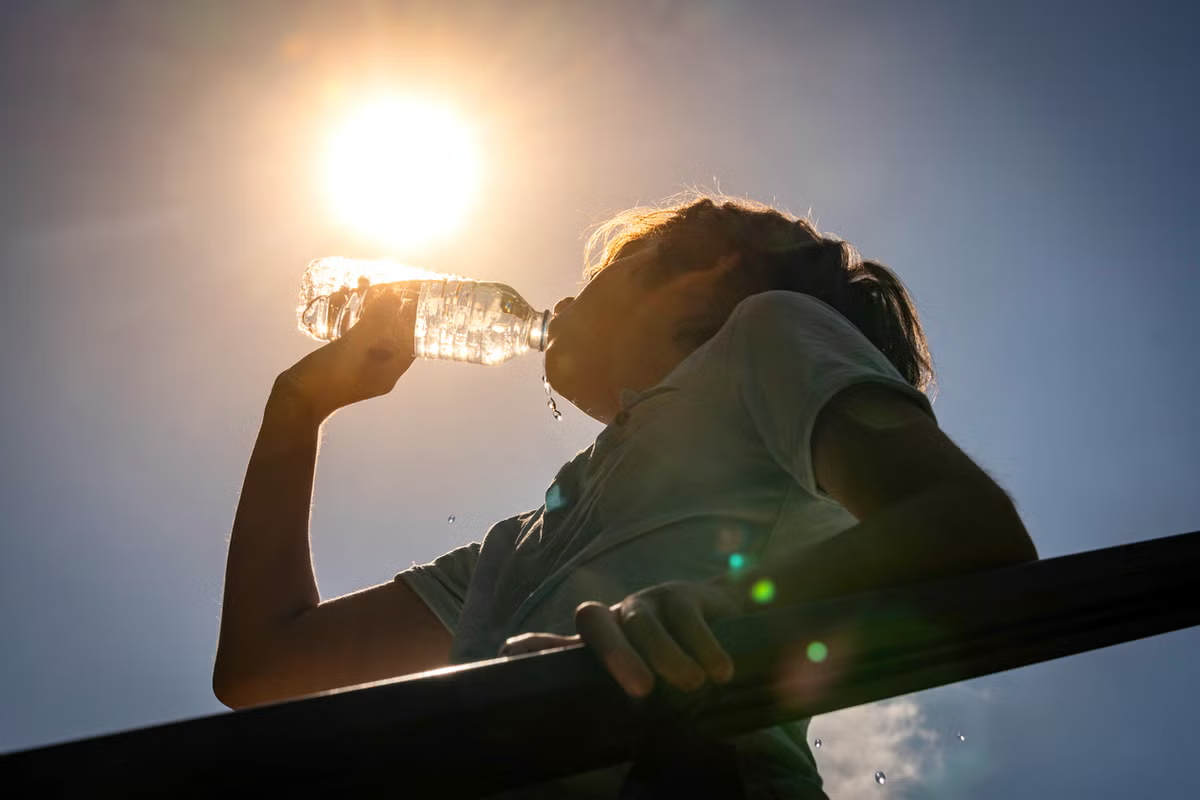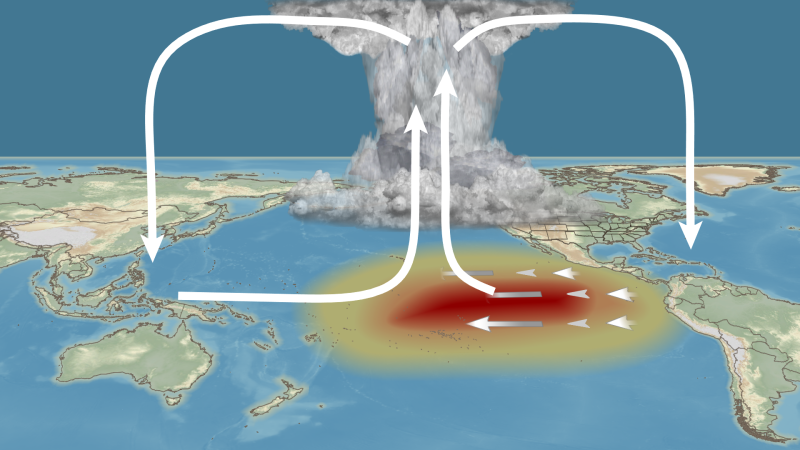
A powerful, or “super” El Niño – marked by 2C (3.6F) or greater increase in sea surface temperatures – is now highly probable for this year, lasting into 2027. Weakened trade winds allow warm surface waters to spread across the central and eastern Pacific. This disrupts ocean circulation and alters weather patterns worldwide.El Niño is intensifying an already unequal global economy. Food insecurity is not simply a climatic problem, but rooted in dependency and global market integration, while climate shocks expose how supply chains push risk onto the world’s poorest populations.What follows are 10 potential worst-case scenarios – impacts that will not be evenly felt but disproportionately borne by poorer farmers and workers.
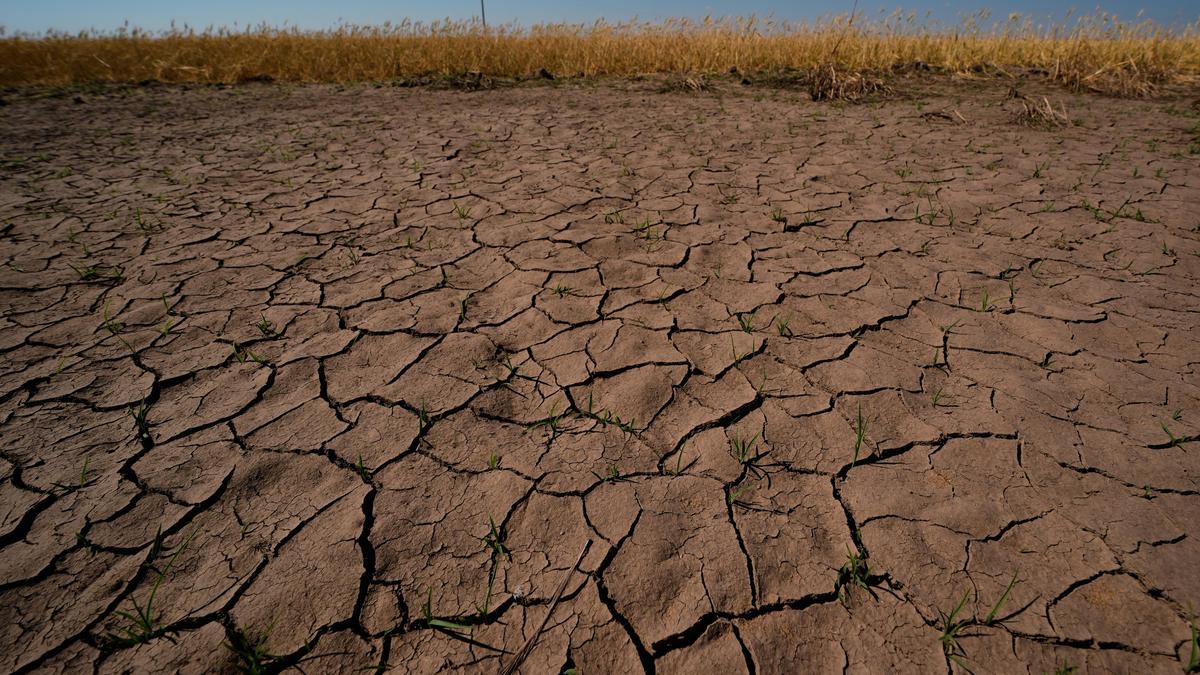
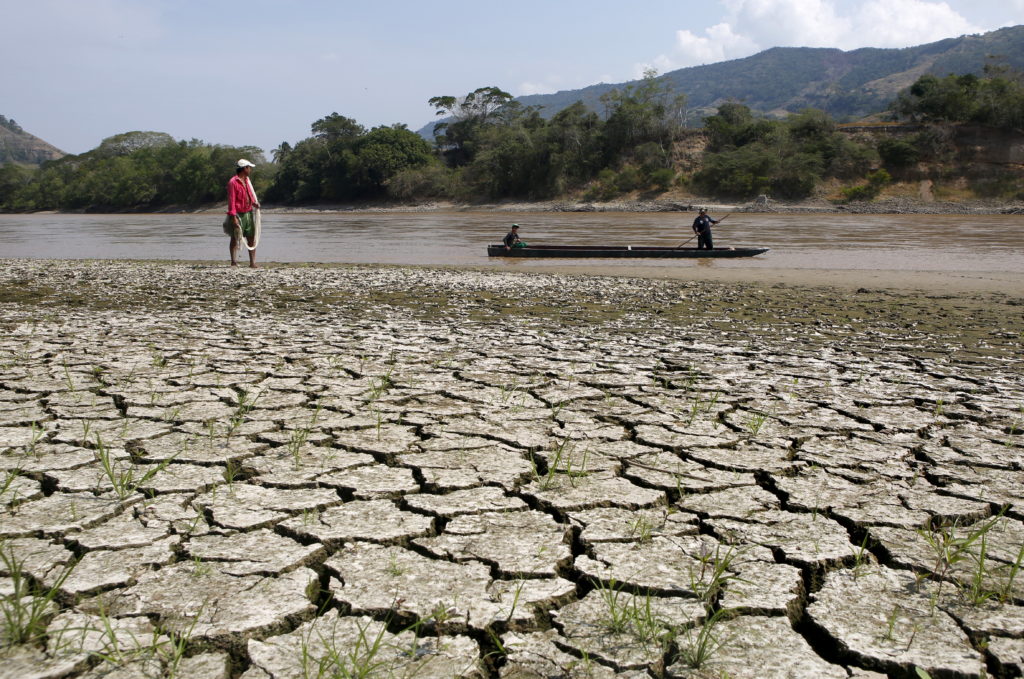
Drought
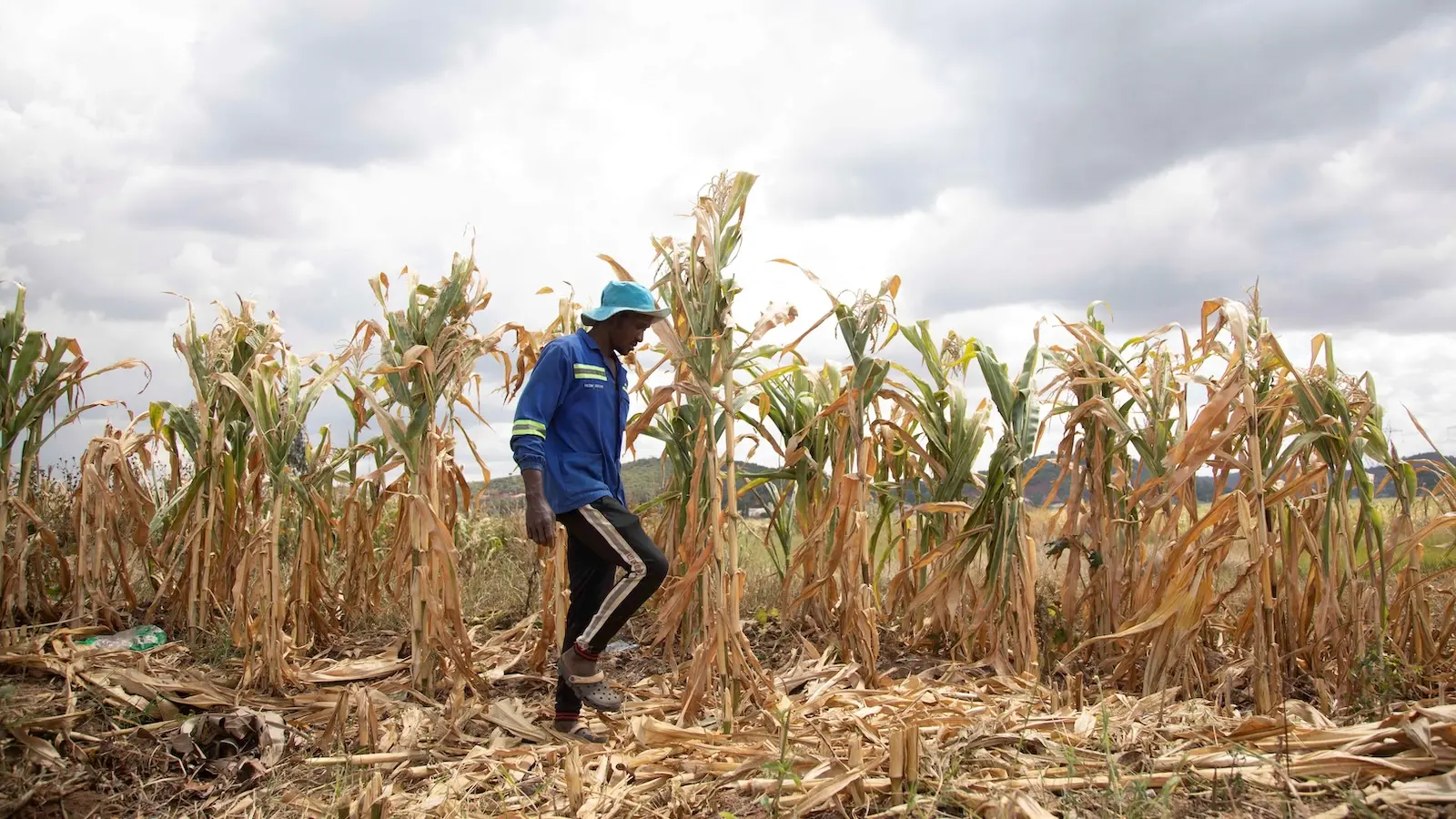
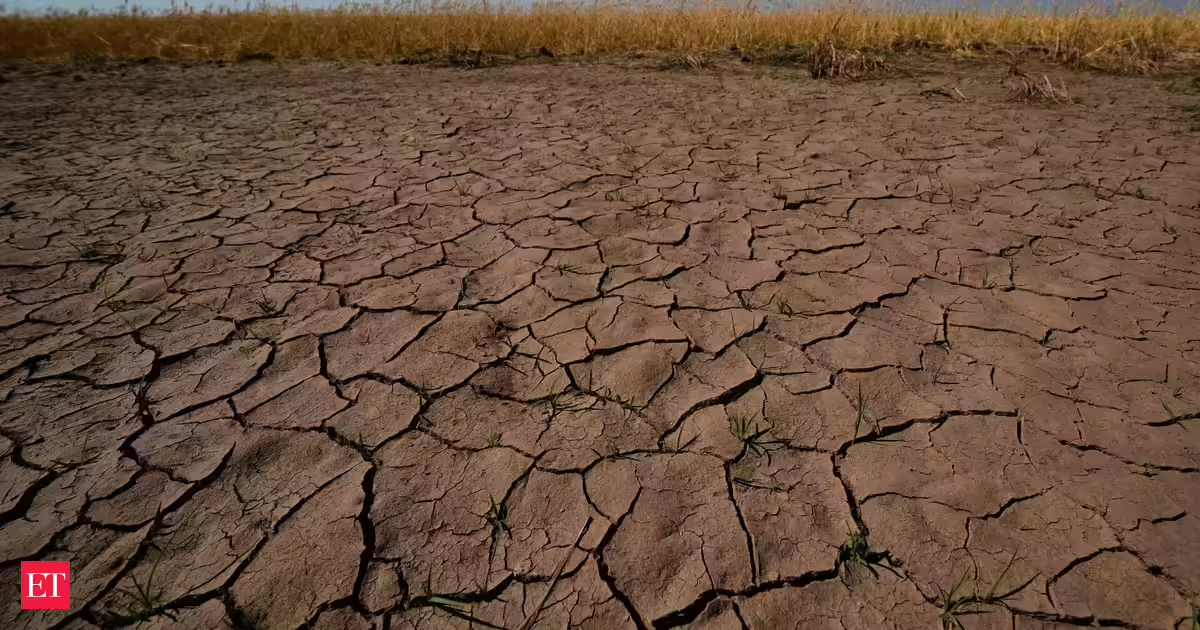
Drought hits rain-fed agricultural regions particularly hard. In parts of sub-Saharan Africa grain yields often fall during and following El Niño’s, increasing import dependence and raising food prices. This time around, El Niño will occur during an already-existing fertilizer crisis caused by the closure of the strait of Hormuz, leading to warnings about extreme hunger and famine.
Shock to global food supply chains
Globally, there is a heightened risk of a shock to global food supply chains. Four crops – wheat, rice, maize and soybeans – provide more than 60% of the world’s calorie intake.