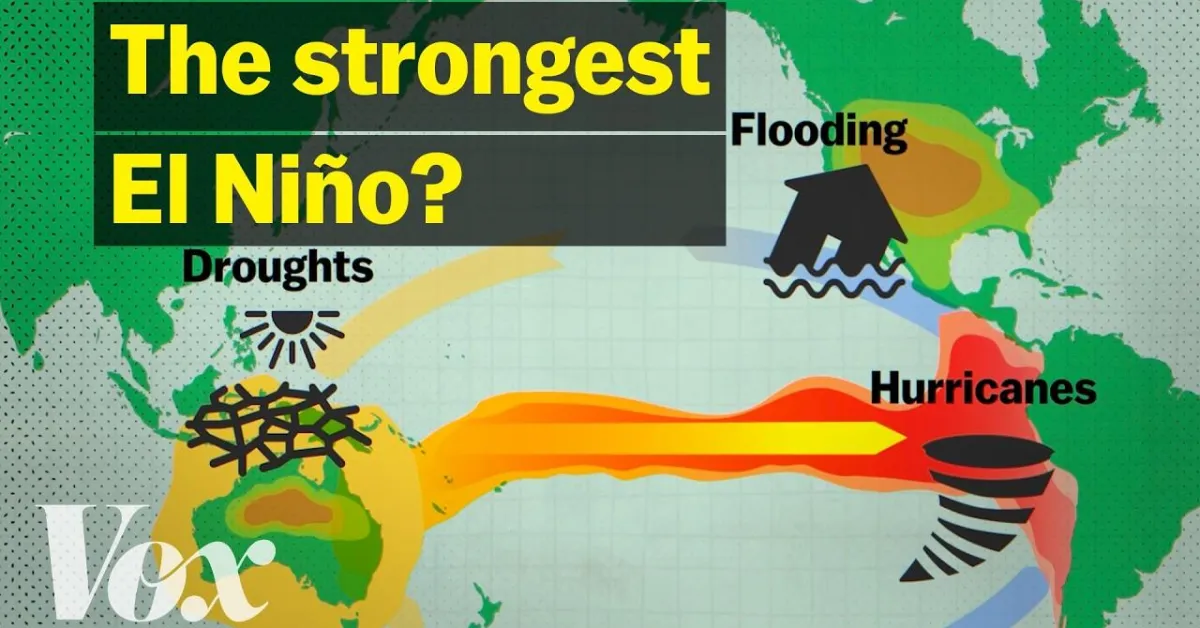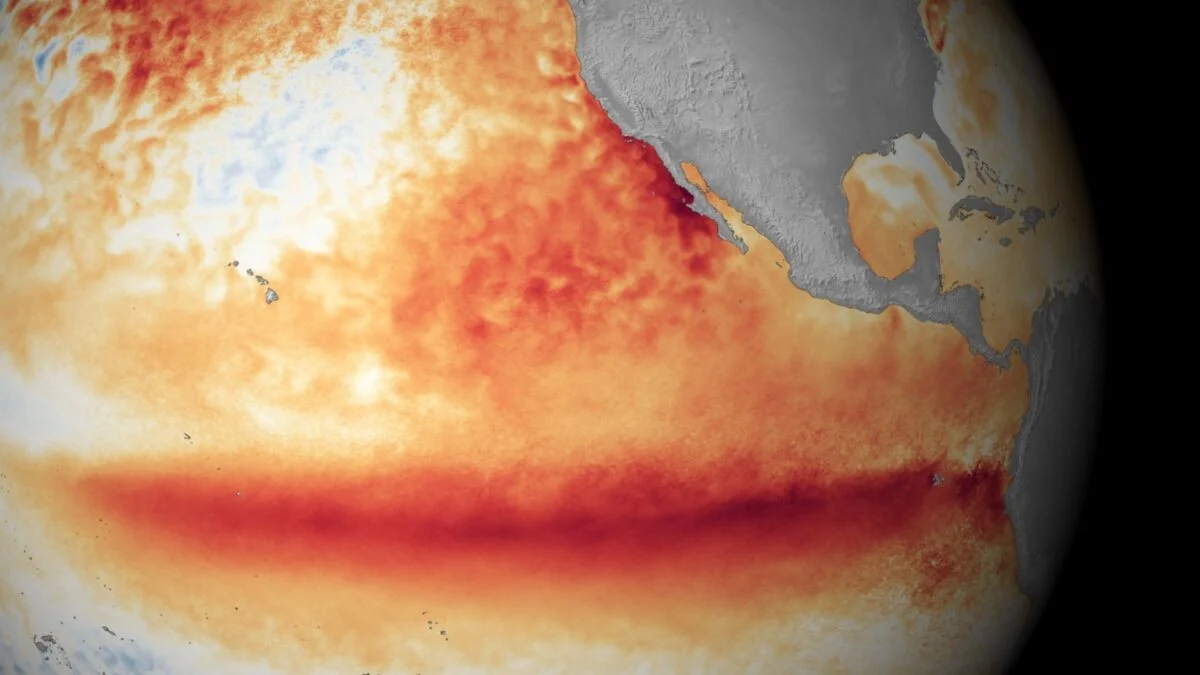
There is a more than 60% chance that a "super" El Niño will develop by the end of this year.
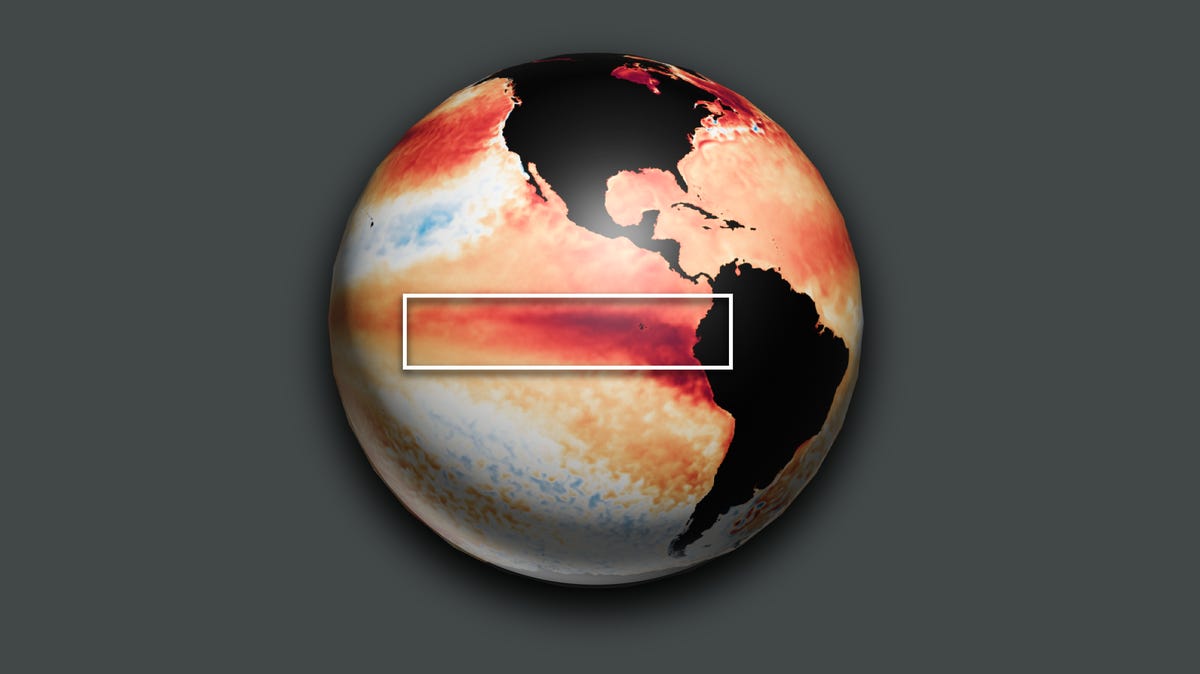
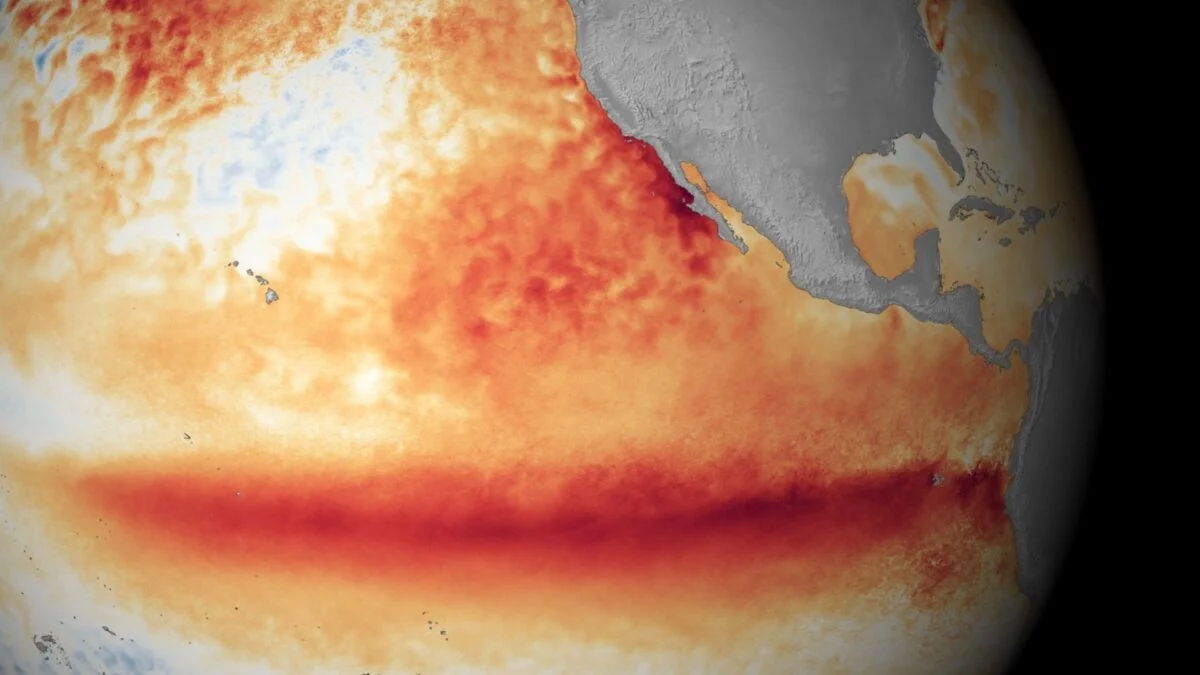
This is defined as the strongest El Niño event you can get, and happens when sea surface temperatures in the tropical Pacific Ocean rise by more than 2°C. During a super El Niño, the ocean gives off extra heat into the air, which helps raise global temperatures. Because climate change is already warming the planet, a super El Niño could push global temperatures to the highest levels ever recorded.
El Niño conditions have already begun this year, according to the U.S. National Oceanic and Atmospheric Administration. While El Niño is a natural phenomenon, climate change means that El Niños are becoming stronger and more frequent.
Hotter sea surface temperatures could spell big problems for marine wildlife and fisheries alike. As the oceans warm, they become more layered, leading to warm, nutrient-poor water sitting on the surface and cooler, nutrient-rich water trapped below. This layering makes it harder for nutrients to rise to the surface. As a result, there are fewer nutrients available for phytoplankton, the tiny plants that form the base of the marine food chain.
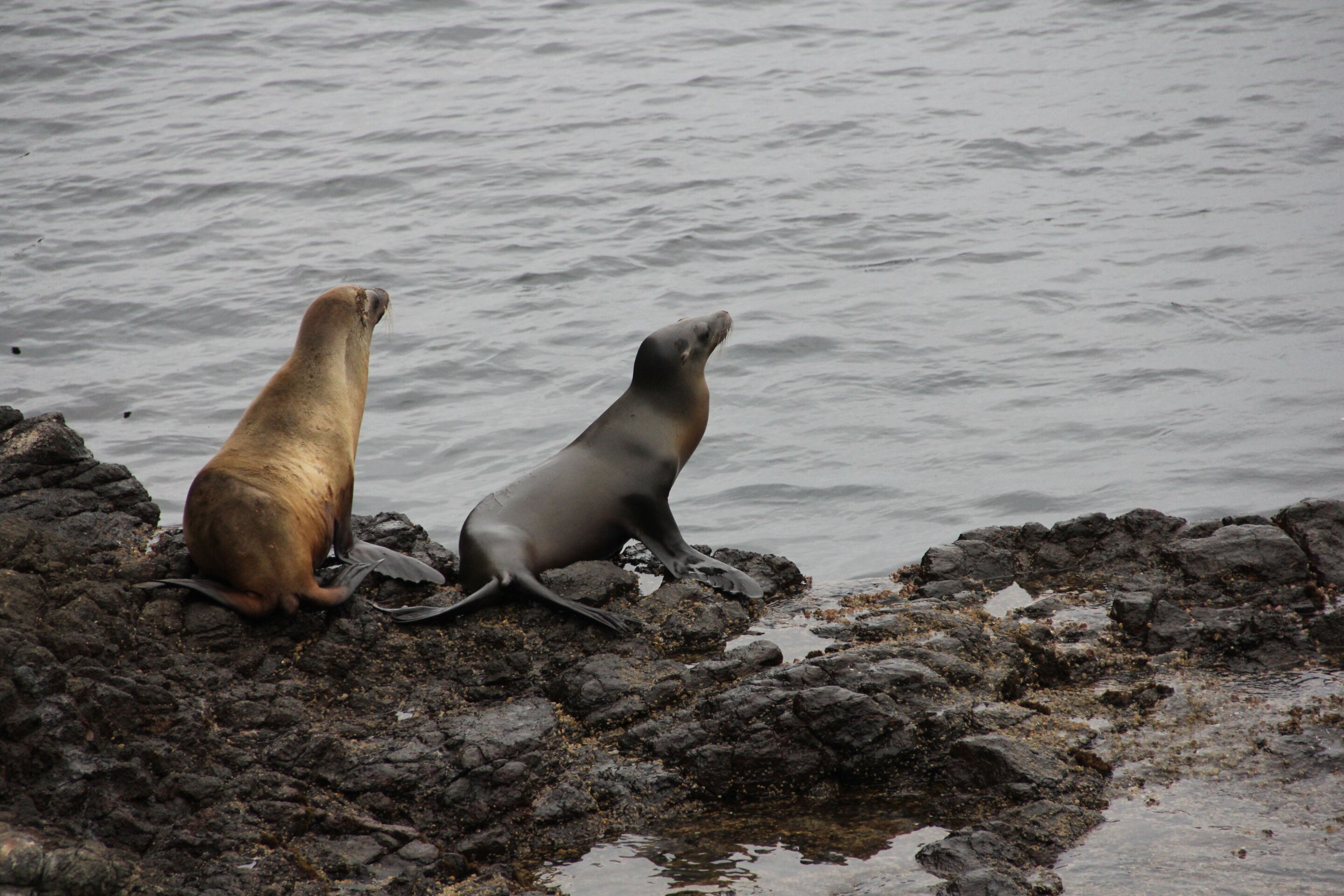
With less phytoplankton in the oceans, there is less food for zooplankton (microscopic animals that eat phytoplankton), fish and larger animals, including seabirds and marine mammals. This is even more pronounced in the tropical eastern Pacific. The Humboldt Current usually brings cold, nutrient-rich water up to the surface, creating one of the most productive marine regions on Earth. But this current is disrupted and overwhelmed during an El Niño. This rich ecosystem supports both wildlife and important fisheries, making it one of the most biologically and economically important ocean regions in the world.