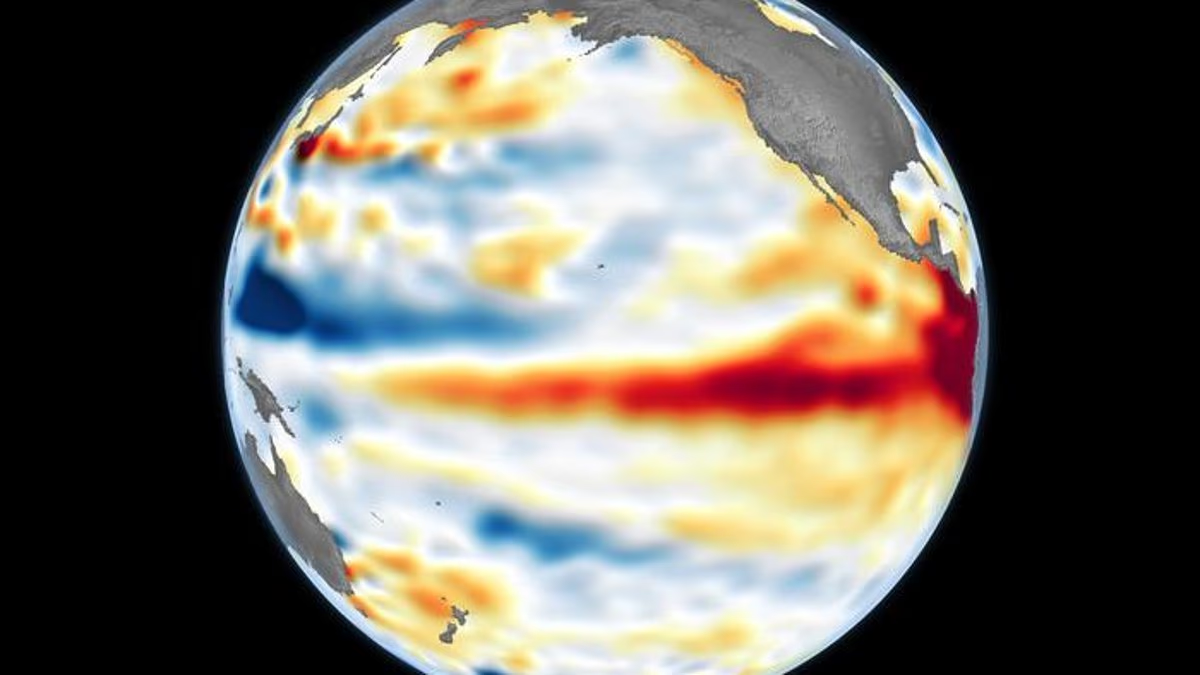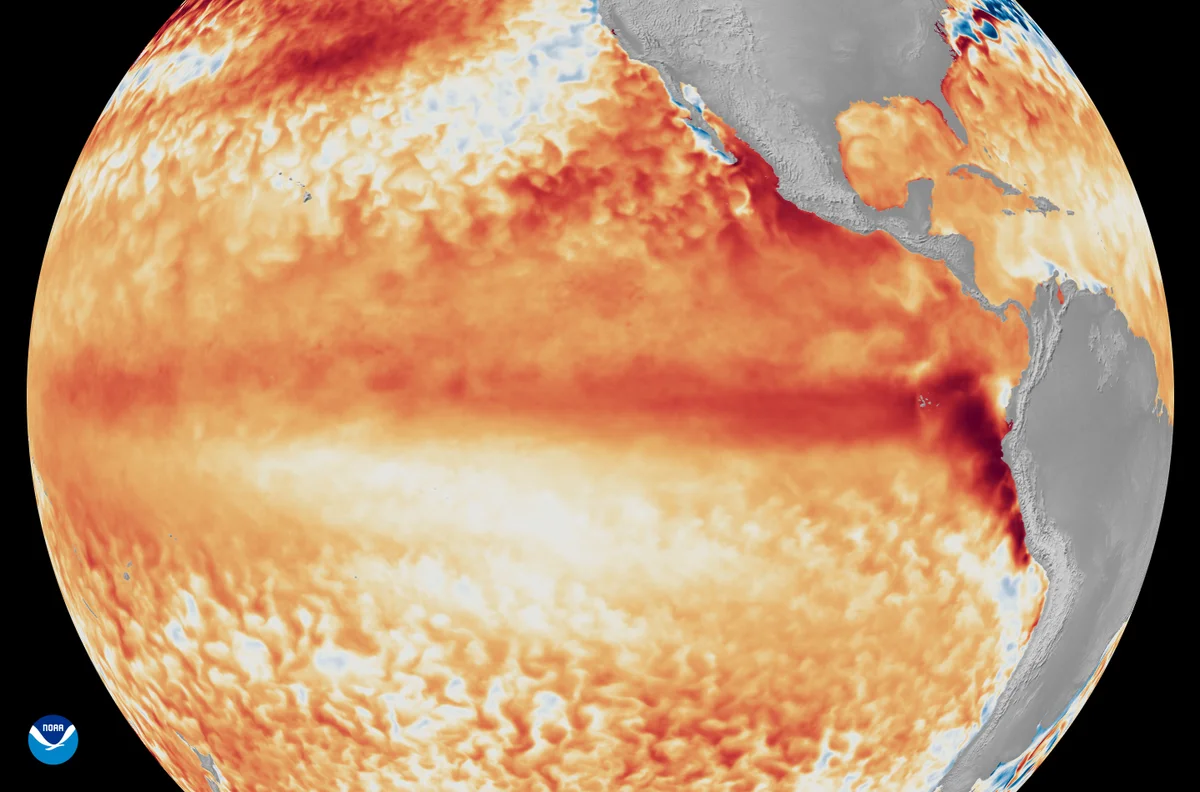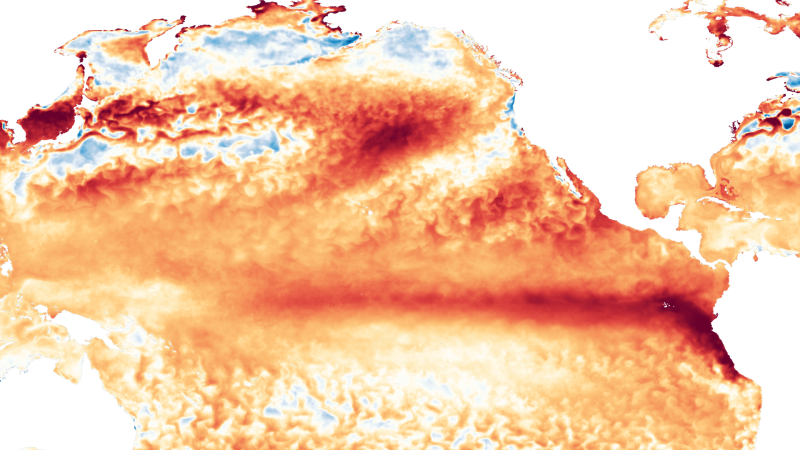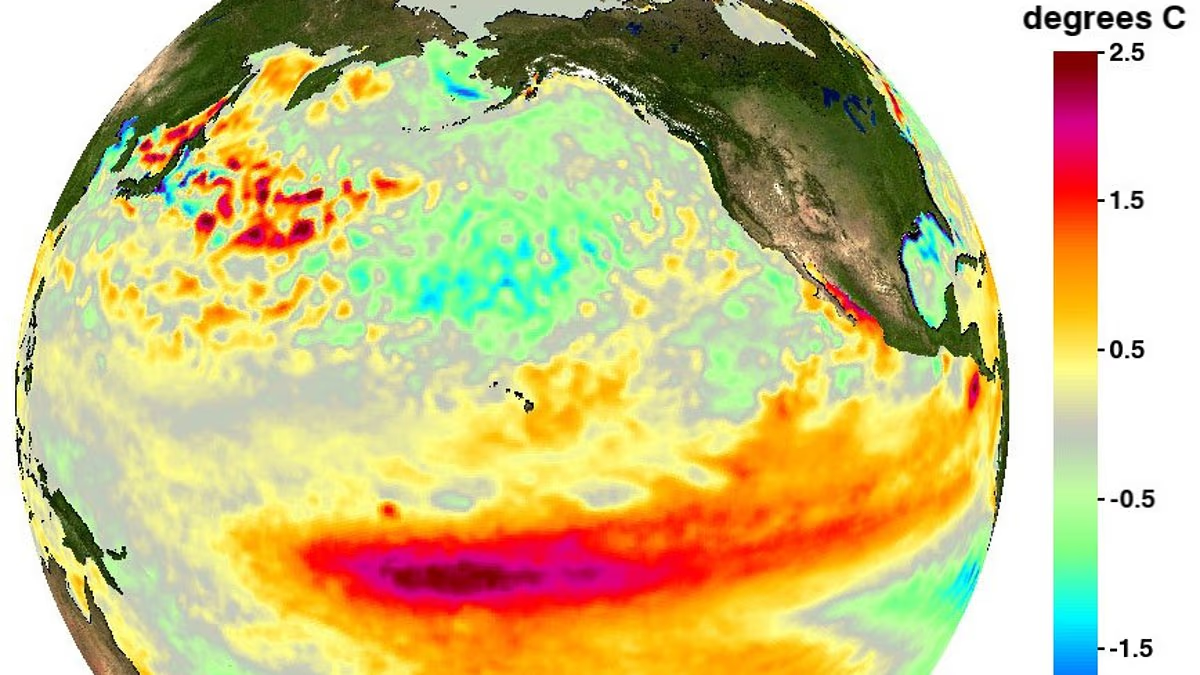
For months, scientists have been sounding the alarm over the rapid development of El Niño, which could reach record-breaking strength when it peaks later this year. This is cause for concern because El Niño has global consequences that can be dangerous and incredibly costly, from ramping up extreme weather to destabilizing food systems. El Niño is a natural and vital phase of the El Niño-Southern Oscillation (ENSO), a cycle that plays a major role in shaping year-to-year climate variability. However, research has shown that the long-term impacts of a single El Niño event can cost the global economy trillions of dollars. As human-driven climate change amplifies their effects and potentially makes stronger El Niños more likely, some researchers are considering ways to mitigate them. A study published today in the journal Science Advances suggests that targeted use of a geoengineering technique called marine cloud brightening could weaken an emerging El Niño. In a computer modeling experiment, “we were able to turn what was an extreme or super El Niño into a neutral event, so it wasn’t even an El Niño anymore at that point,” Jessica Wan, a postdoctoral researcher at the University of Chicago who led the study during graduate school at the Scripps Institution of Oceanography, told Gizmodo.
Scientists Say This Climate Hack Could Stop El Niño Before It Starts
Researchers modeled the effect of marine cloud brightening on an emerging super El Niño and completely neutralized it.
705 words~3 min read