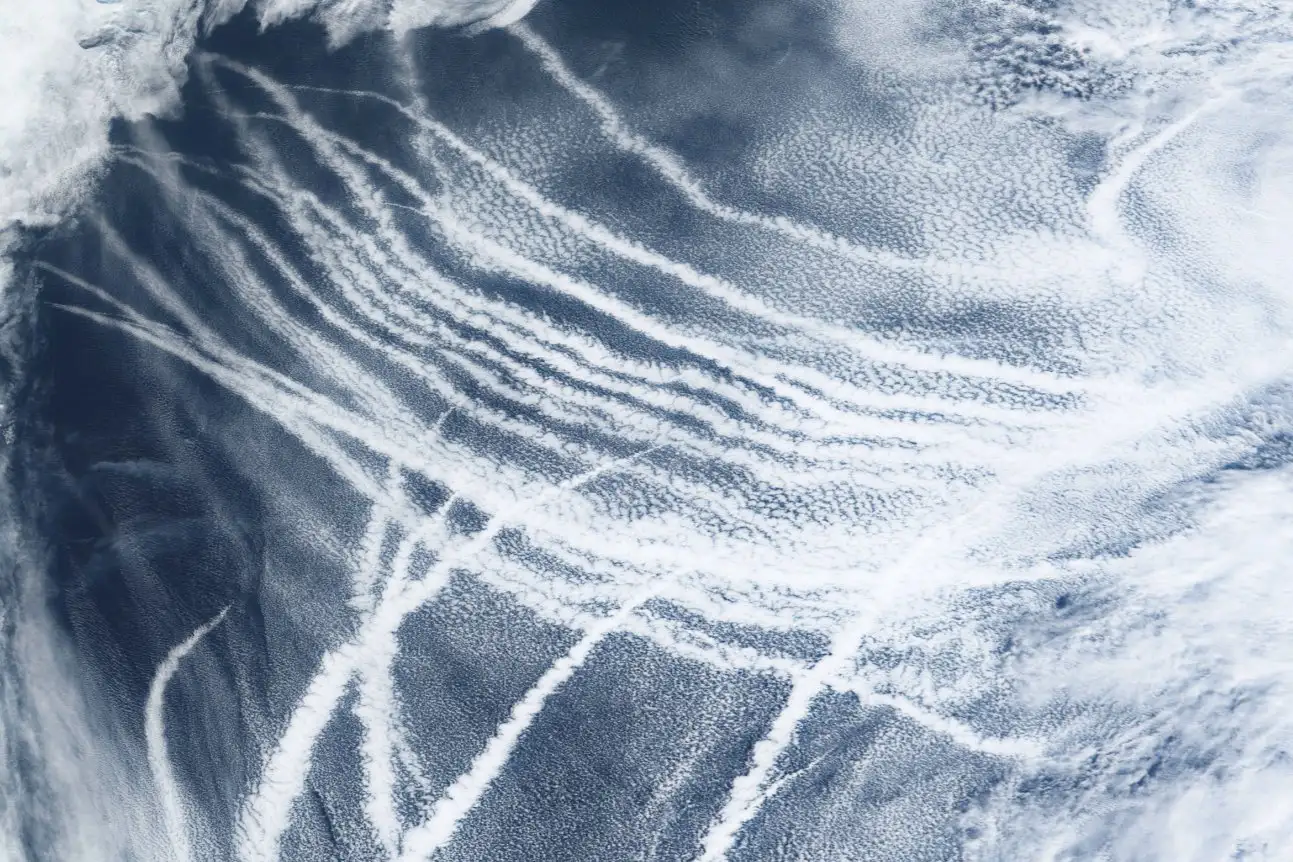
Particles in ships’ exhaust inadvertently cause cloud brightening, and a similar effect could be employed to engineer the climateNASA’s Earth Obervatory
Short-term geoengineering to brighten clouds over the eastern Pacific Ocean could limit the damage caused by El Niño and save the global economy trillions of dollars, although there could be winners and losers from the disruption of natural cycles.
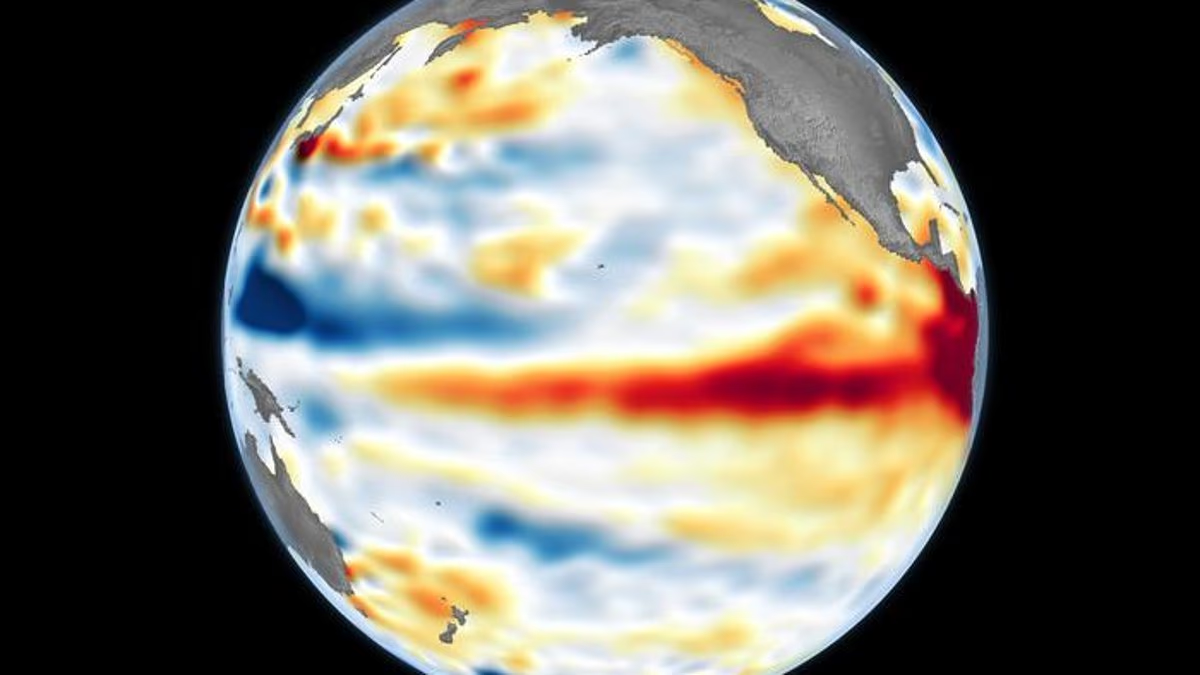
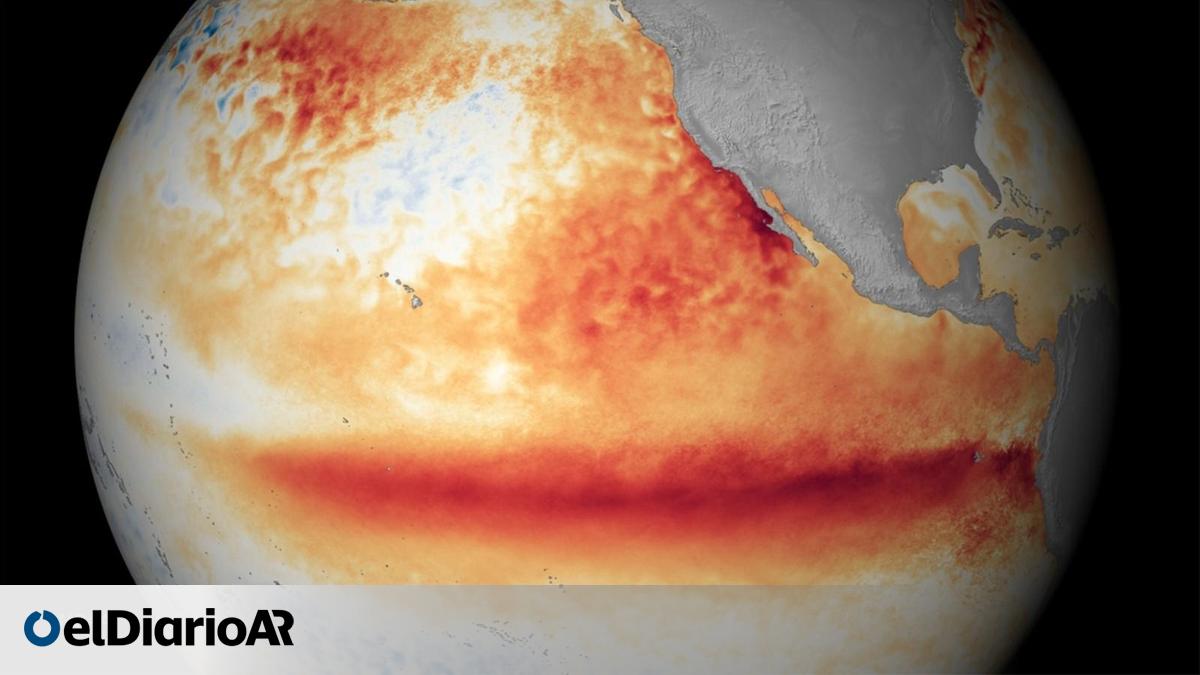
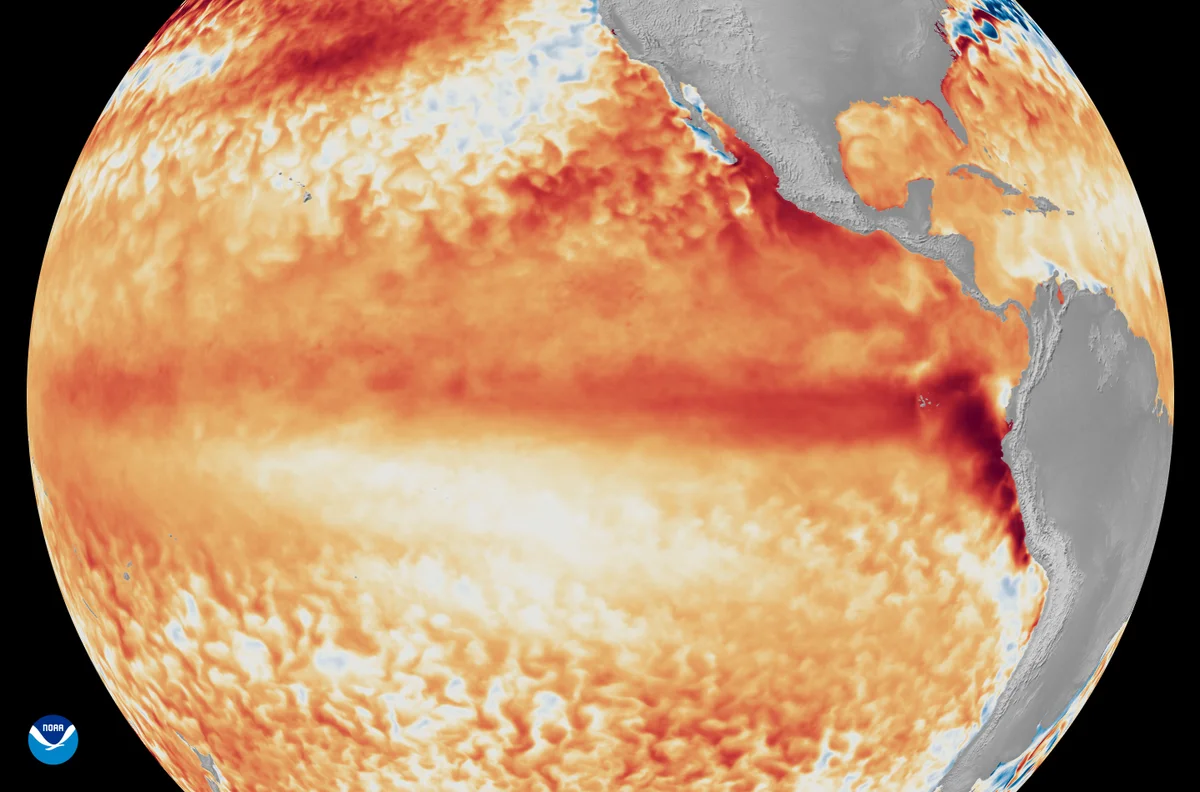
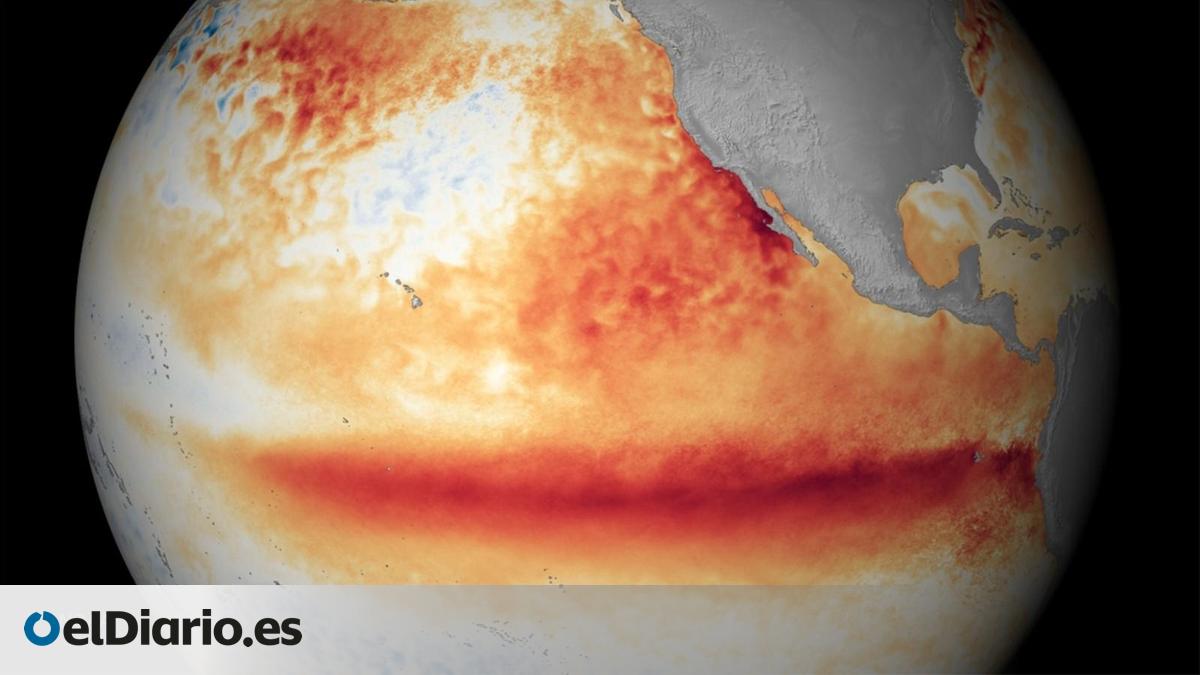
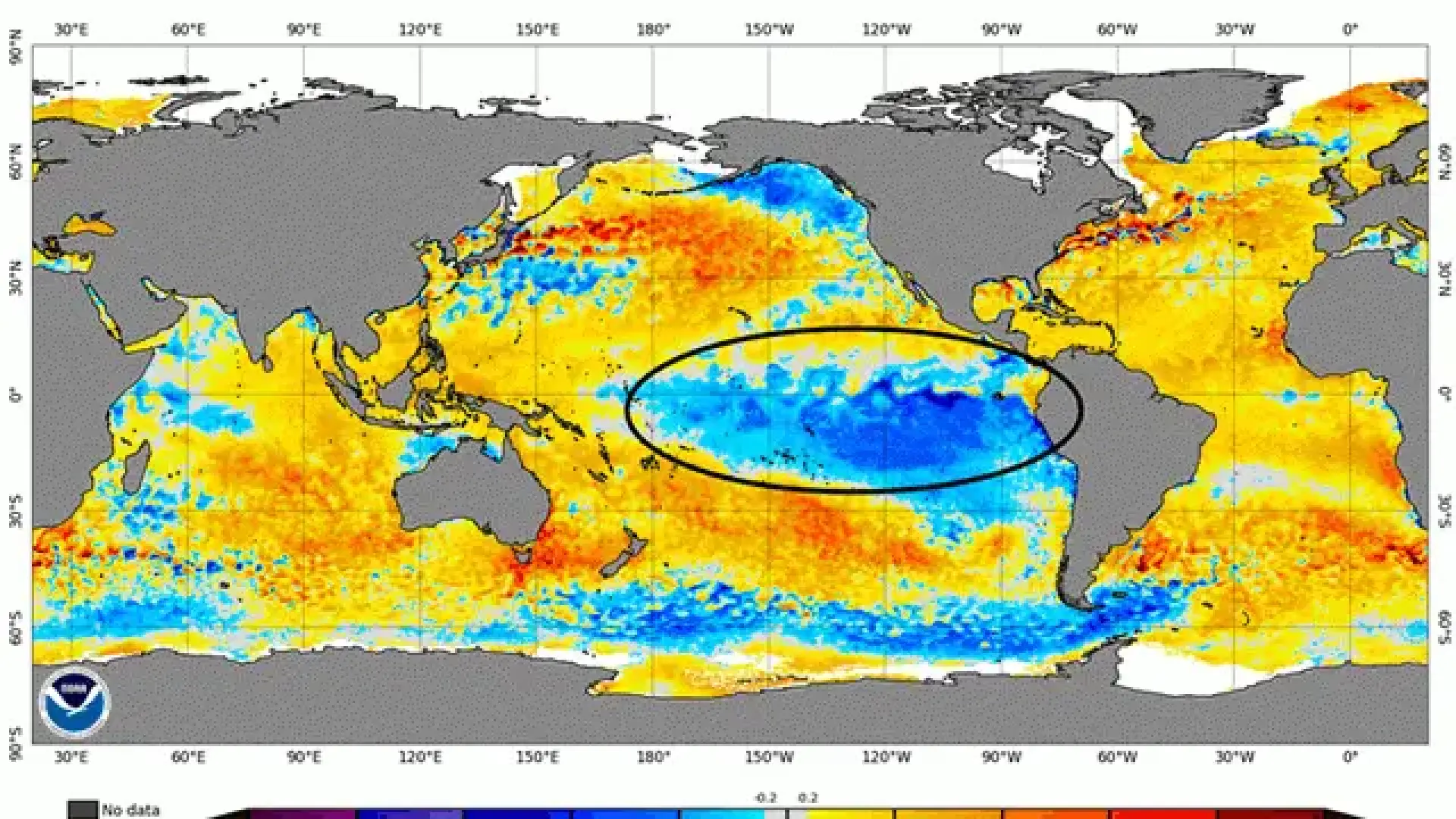
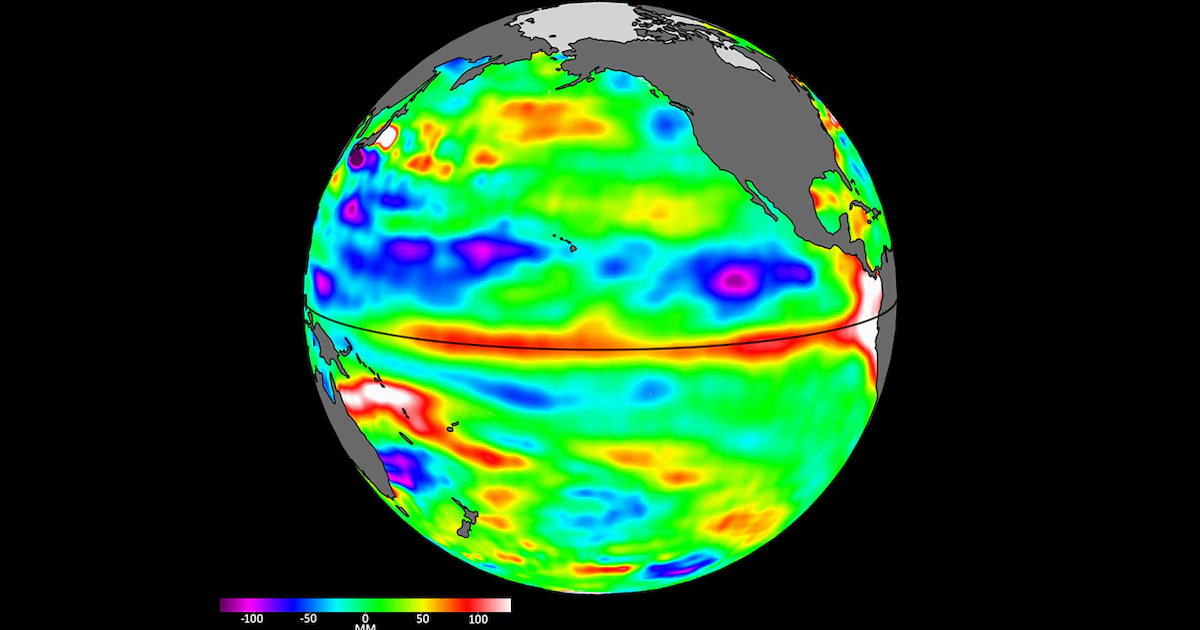
The El Niño climate phase occurs when easterly winds weaken, allowing warm water built up in the western Pacific to slosh back across the central and eastern parts of the ocean. That heats the atmosphere and raises global temperatures, with losses to economic growth estimated in the trillions of dollars.
What could become a very strong or “super” El Niño is now developing in the eastern Pacific. But climate modelling has suggested that, in the future, a geoengineering method called marine cloud brightening might be able to cut this warming short.
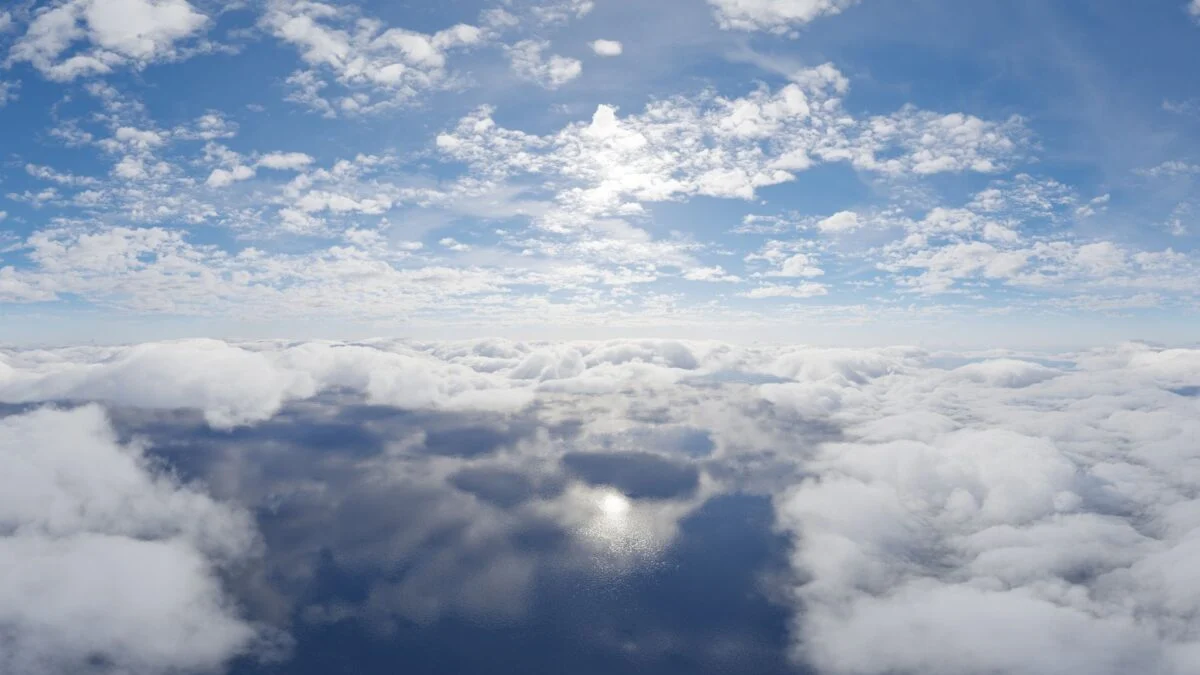
The technique involves spraying tiny droplets of seawater into the air below low-lying stratocumulus clouds, where moisture condenses onto them. The clouds become whiter thanks to the increase in the number of droplets, reflecting more sunlight back to space.