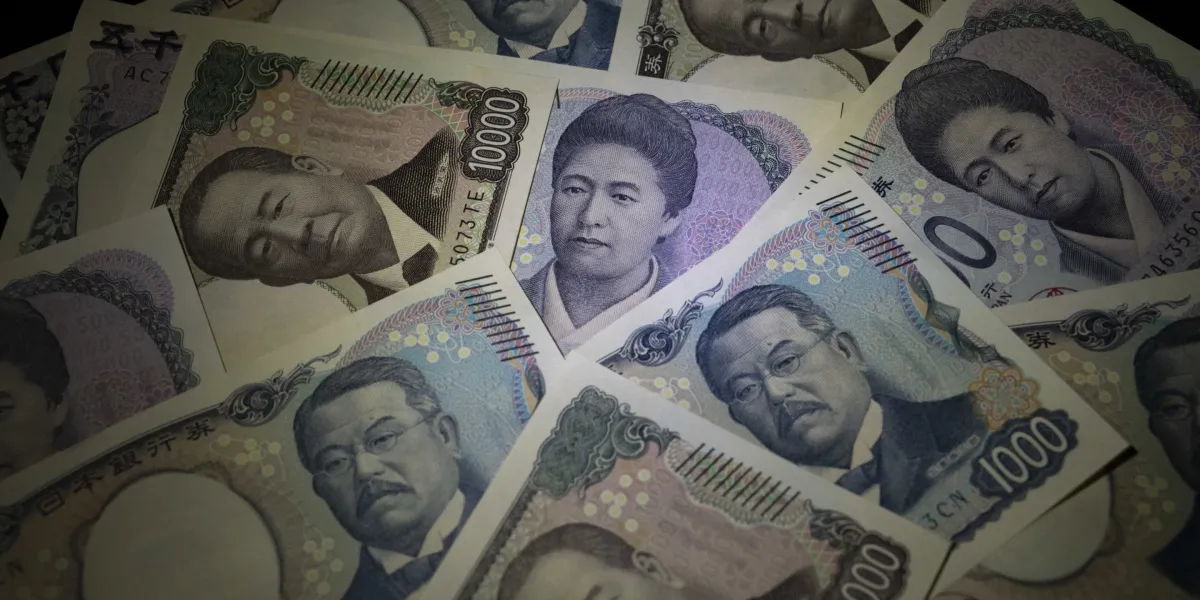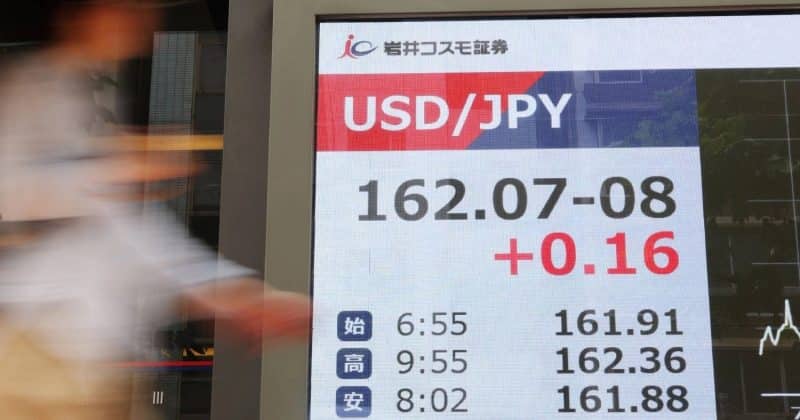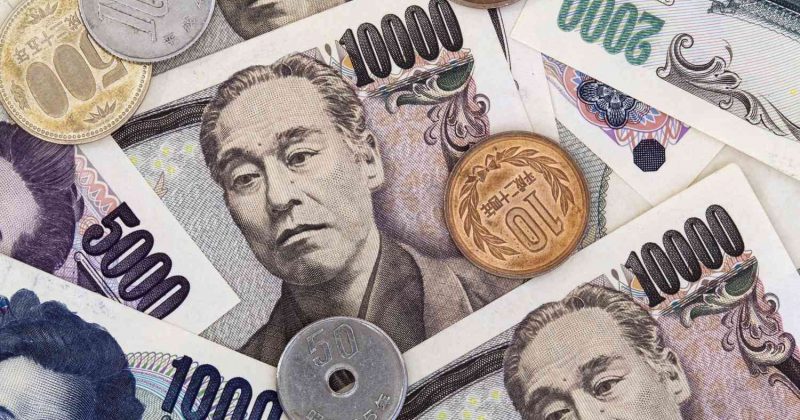
The Japanese yen is trading near 162 per US dollar, a level the currency hasn’t touched since December 1986. Japan’s currency situation is consequential for global markets.
The slide has turned grocery runs into budget exercises for Japanese households and sent policymakers scrambling for tools to stop the bleeding. Finance Minister Satsuki Katayama has publicly stated readiness to “respond appropriately at any time.”
What’s driving the yen off a cliff
The core problem is elegantly simple. Interest rates in the US remain substantially higher than in Japan, making dollar-denominated assets far more attractive to global capital.
The Bank of Japan has tried to close the gap. It recently raised its policy rate to 1%, a move that would have been unthinkable just a few years ago when Japan was deep in negative-rate territory. But 1% still looks modest compared to where the Federal Reserve has parked US rates.