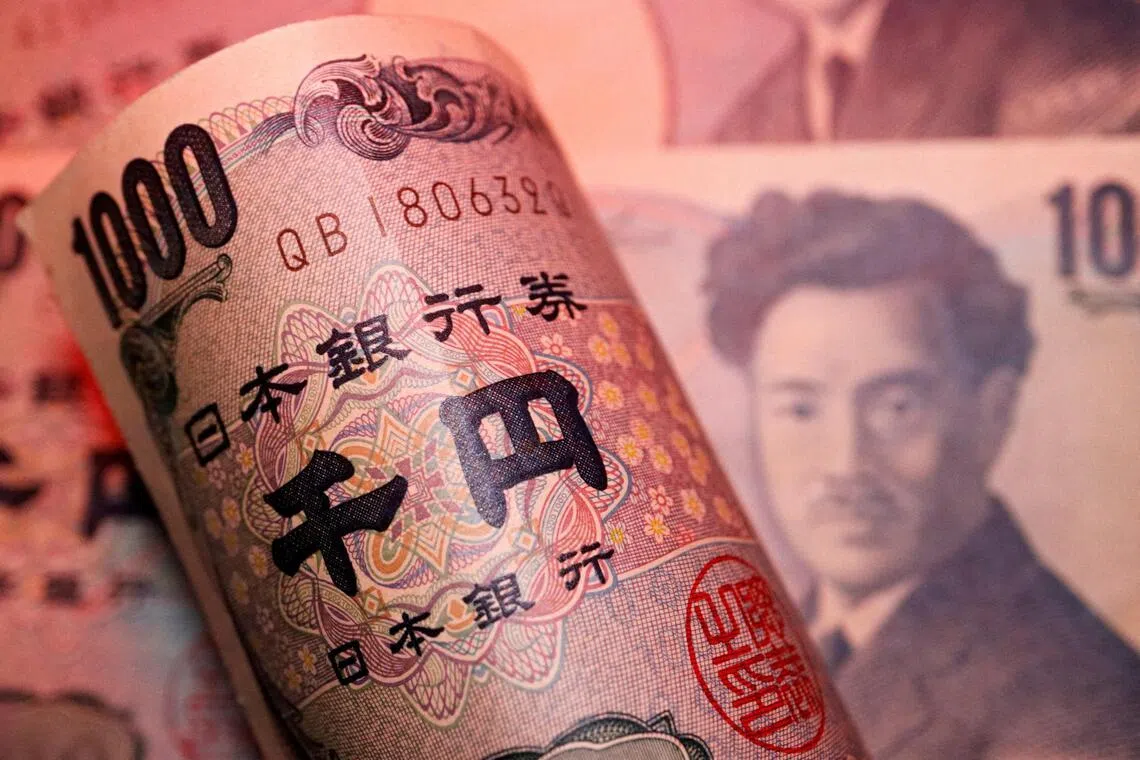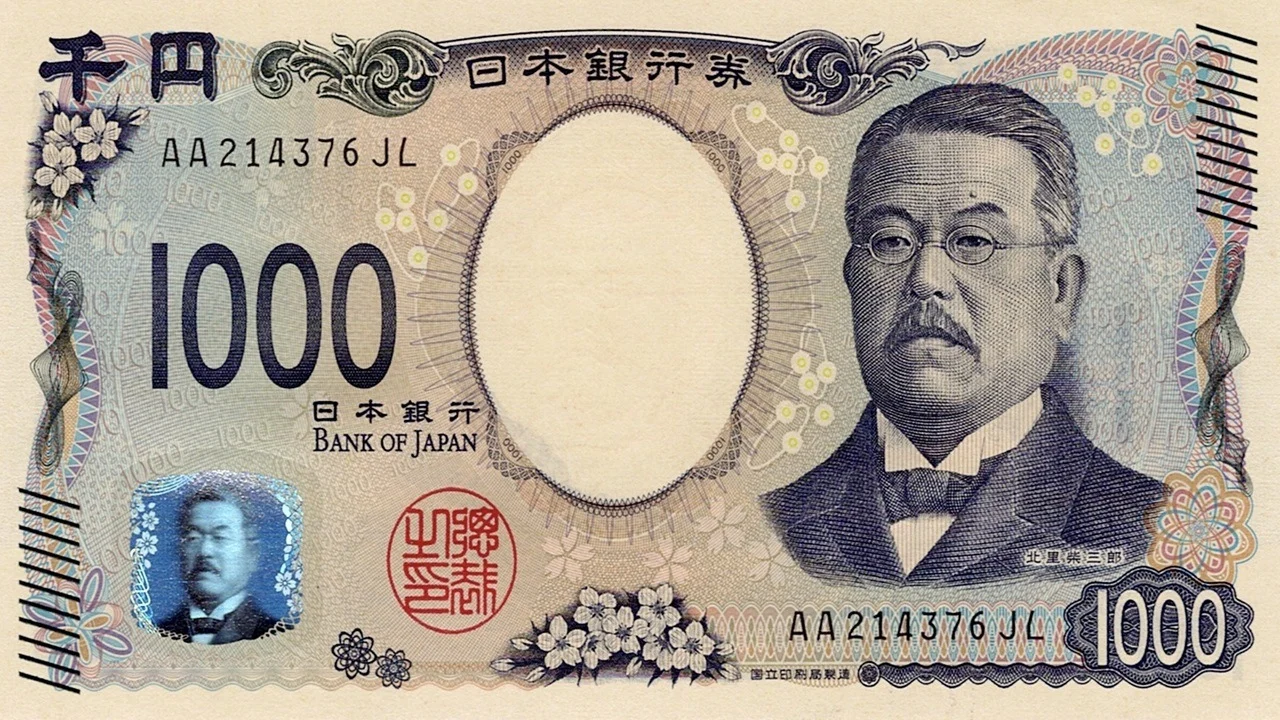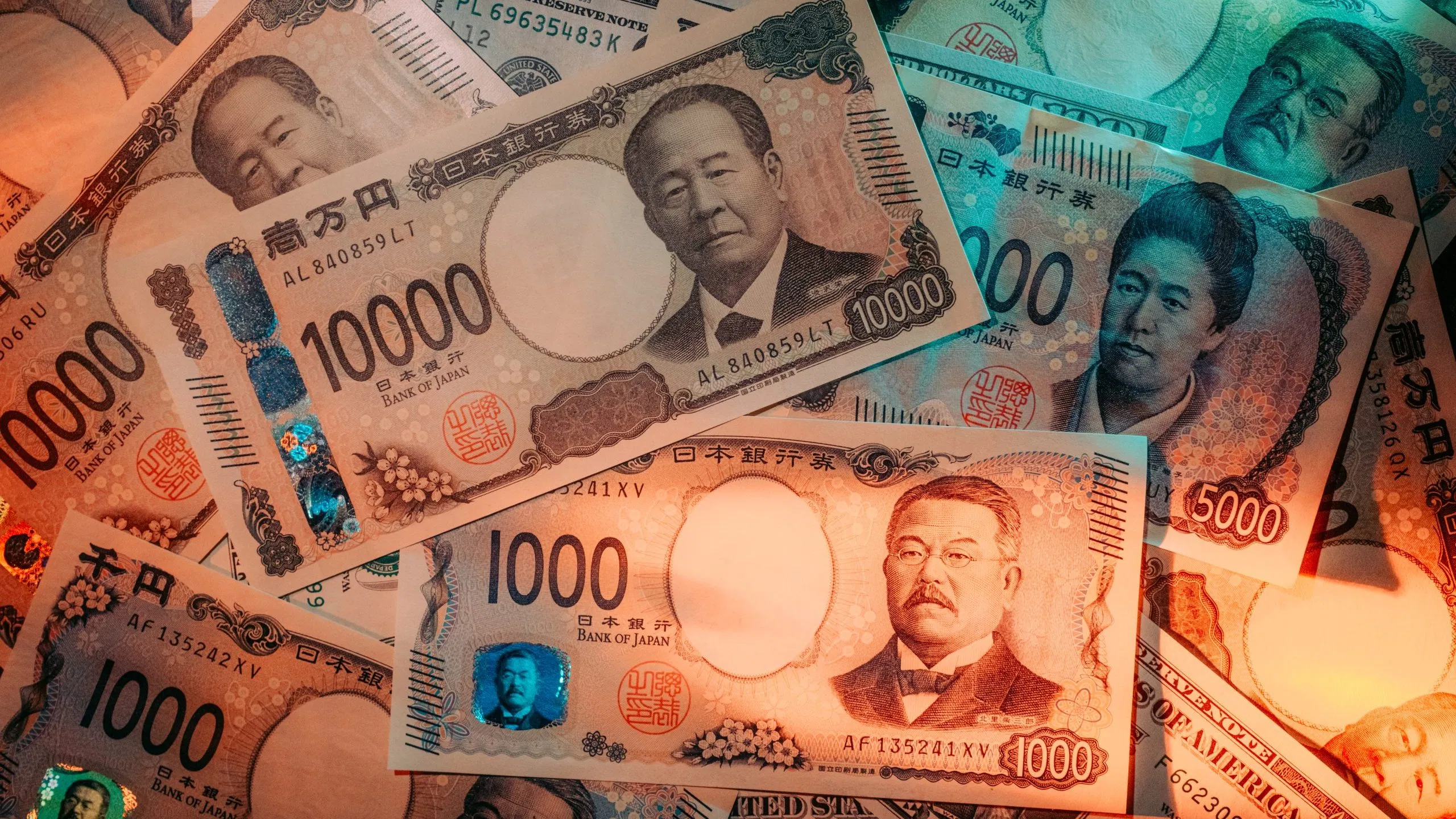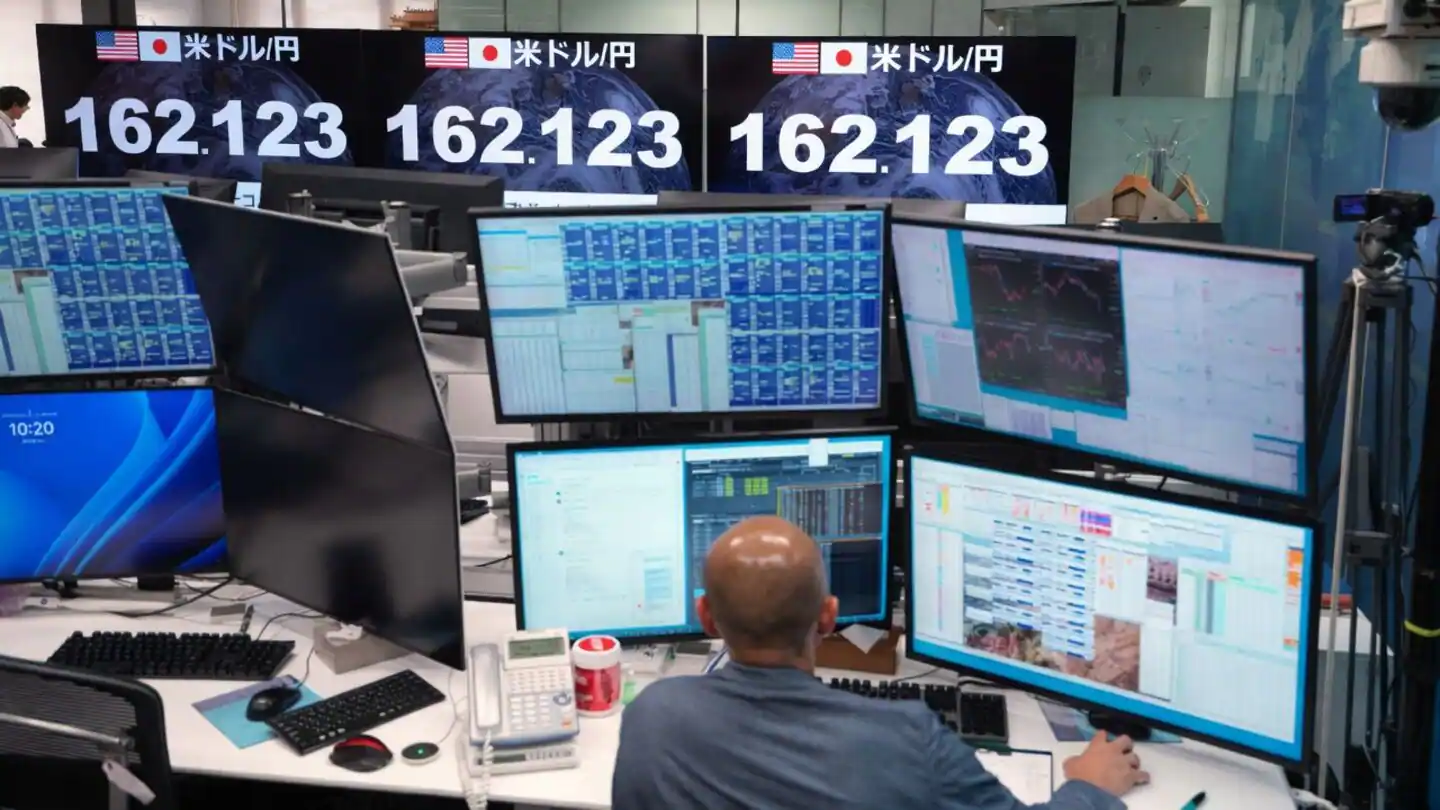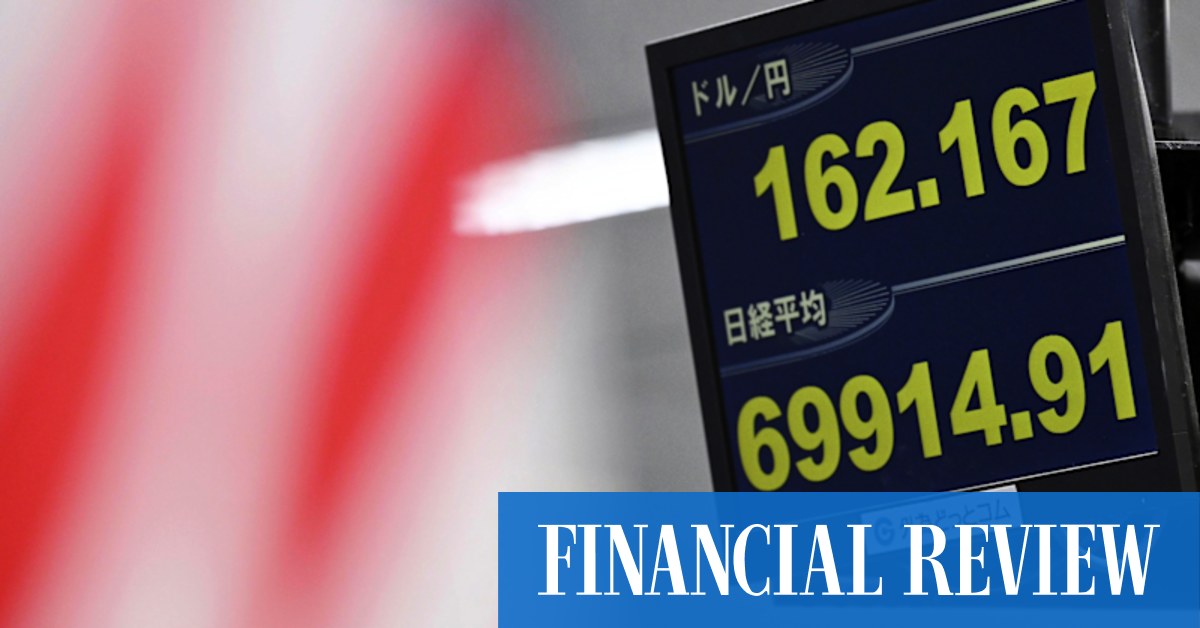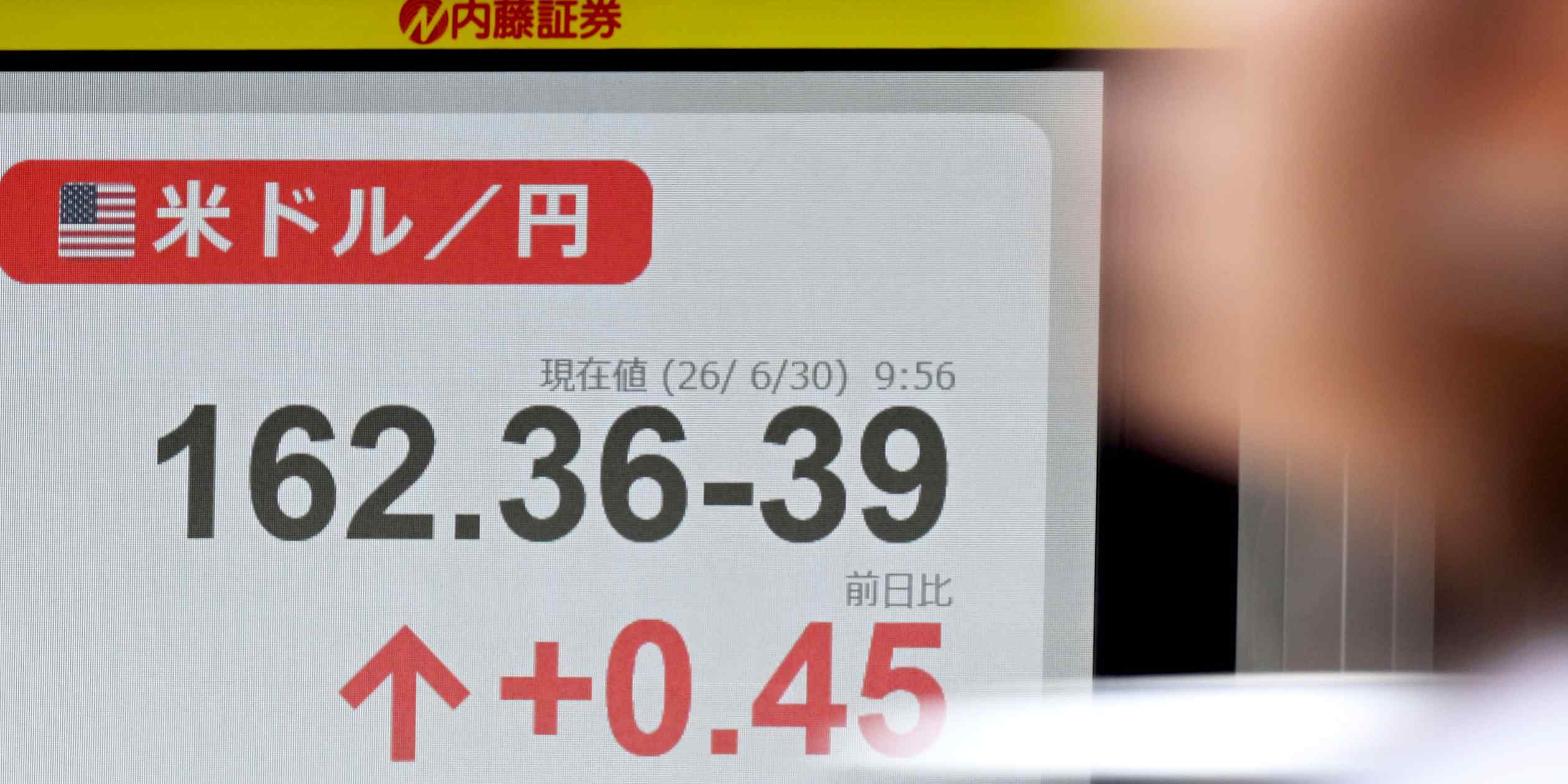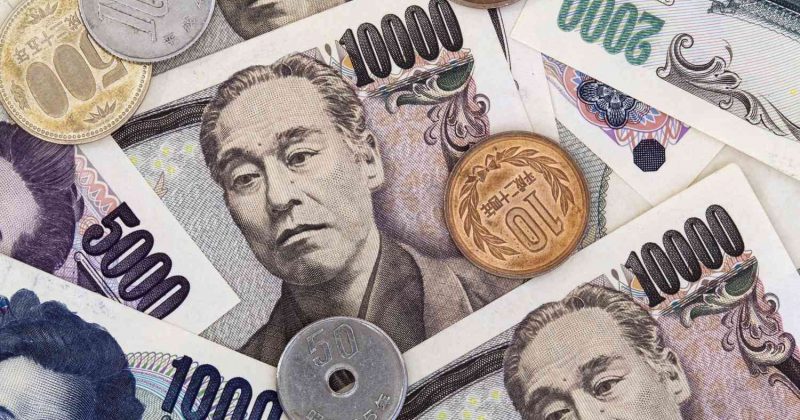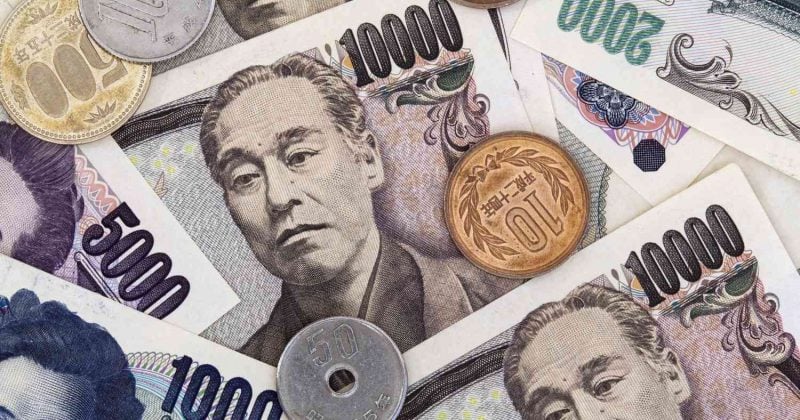
The Japanese yen just crossed a threshold that hasn’t been breached in nearly four decades. Trading at 162.40 per US dollar on June 29-30, the yen touched its weakest point since December 1986.
How a currency loses 57% in four years
Since 2021, the yen has declined approximately 57% against the dollar. The core reason is straightforward: the US Federal Reserve spent much of 2022 and 2023 aggressively raising interest rates, while the Bank of Japan held its benchmark rate near zero for years longer than almost any major central bank on the planet.
The Bank of Japan has since moved. Its policy rate now sits at 1%, the highest level in over thirty years. But when US rates remain at around 3.5%, the gap that has been punishing the yen for years doesn’t simply disappear because Tokyo nudged its benchmark upward.
Japan’s billion-dollar effort to stop the bleeding