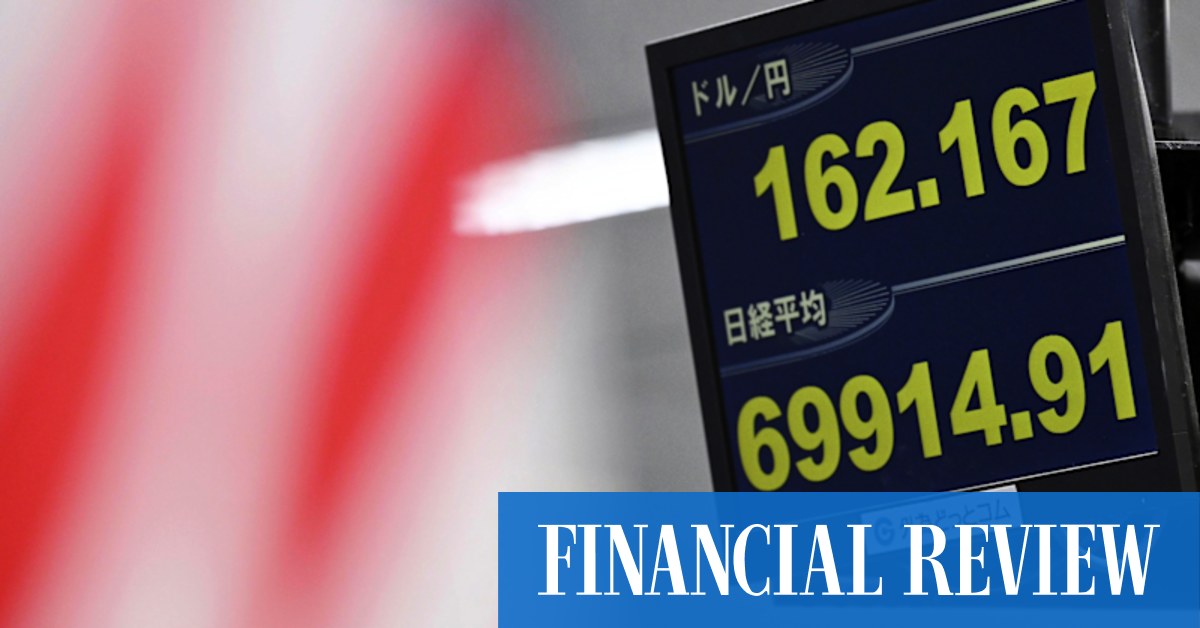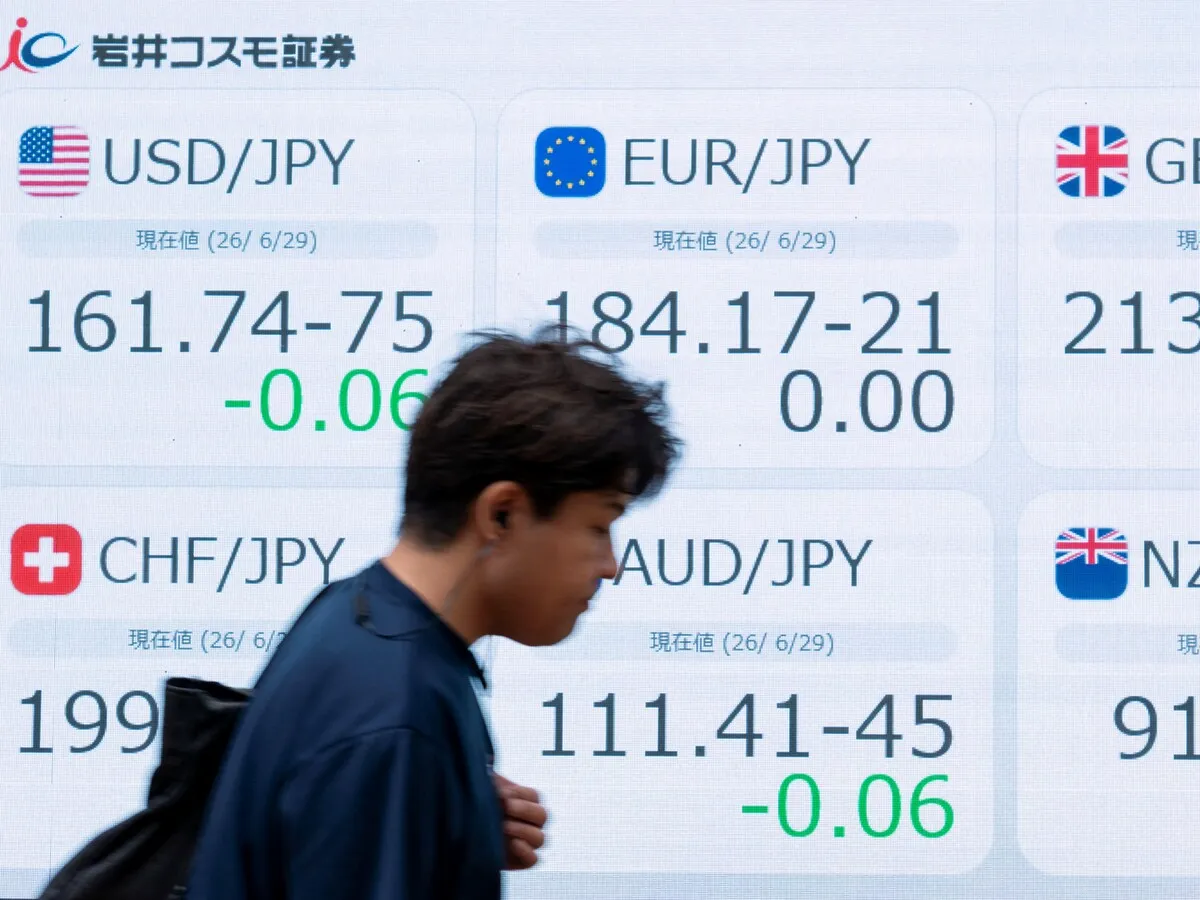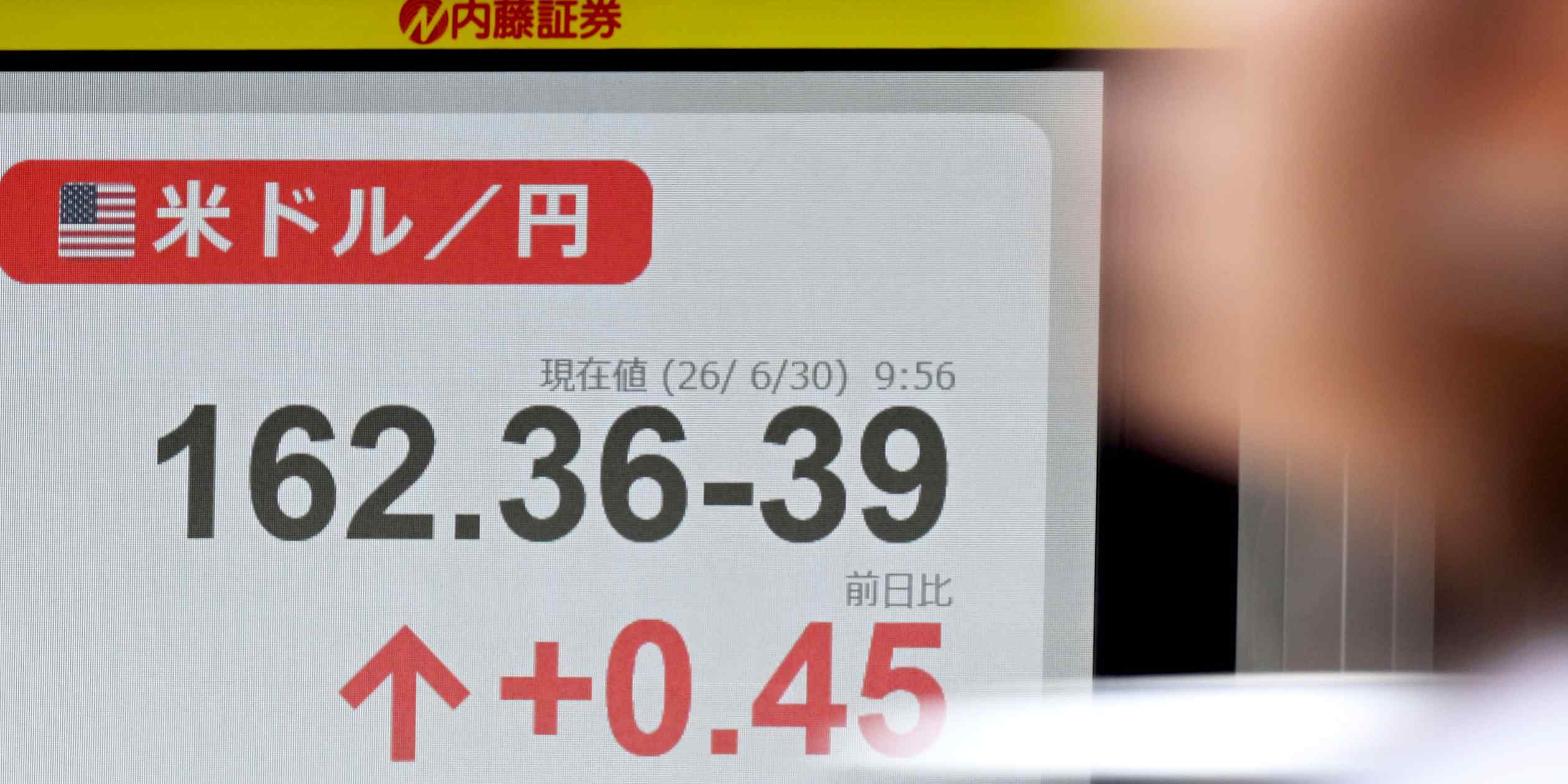
TOKYO – The yen slid to its weakest level against the US dollar since 1986, a milestone that will generate unease in Japan and put traders on high alert for authorities wading into the market.The currency depreciated as much as 0.2 per cent to touch 161.98 versus the greenback in New York trading on June 29, breaching the 161.95 mark touched in July 2024 during an earlier campaign by Japan to shore up the exchange rate.Against the Singapore dollar, the yen closed at 125.28 on June 29. It has fallen about 2.8 per cent versus the Singapore currency to date this year.The last time the yen traded at this level against the US dollar it was barrelling in the opposite direction, midway through a massive and years-long rally that followed a currency accord engineered by the US. The world was a different place – Japan’s asset bubble was still forming, the Soviet Union was cleaning up after the Chernobyl nuclear disaster and Top Gun had just launched Tom Cruise toward the pinnacle of Hollywood stardom.This time, the yen is sliding, and Japan is on its way out of an economic funk that lasted for a generation. The currency weakness is boosting the profits of exporters, and in turn helping the nation’s stock market to record highs.But import costs are swelling, notably for oil and gas shipments priced in dollars. The ensuing inflation is hurting consumers, who are paying more for everything from food to electricity, and threatening to undermine the popularity of Prime Minister Sanae Takaichi’s government. The yen’s slump has continued in the face of regime change at the Bank of Japan, which ended a negative-interest rate policy in 2024 – a change that had raised expectations for a revival in the currency. “Intervention is right around the corner if we don’t see a quick correction,” said Andrew Hazlett, a foreign-exchange trader at Monex. Still, intervention is “only a temporary fix if they do not address the interest-rate differential.”The BOJ lifted its benchmark interest rate on June 16 to 1 per cent, the highest since 1995. Yet the impact was minimal, as traders expect the Federal Reserve to stay hawkish going forward. The Japanese government is also expected to call for “appropriate” monetary management in its basic policy guidelines, in an apparent bid to dissuade the central bank from further interest rate hikes.The persistent softness of the yen also came in the face of a record 11.73 trillion yen (S$93.6 billion) intervention by the government from April 28 to May 27 after it first slid past 160 per dollar. That bout of purchasing likely saw Japan draw on its holdings of foreign securities, including US Treasuries, to finance the currency defense, according to Finance Ministry reserve data.“Doubtless, the Bank of Japan is watching things closely,” Shaun Osborne, Scotiabank’s head of currency strategy, said after the yen crept past the key level on Monday.The huge amount spent underscores not only how much is at stake for Japan, but also the difficulty involved in pushing back against the tide in the $9.5 trillion-a-day global foreign exchange market.Japanese Finance Minister Satsuki Katayama reiterated on June 19 that authorities were ready to take “bold action” to damp excessive speculative moves in the foreign exchange market. Katayama also said that the US and Japan are increasingly “aligned” on foreign exchange policy after her meeting with US Treasury Secretary Scott Bessent, and that they agreed to take “bold steps” on currencies if needed. Bouts of intervention in 2022, when Japan came in to support the yen for the first time since 1998, and again in 2024, helped bring temporary relief before the currency resumed its depreciation trend. In the most recent case that started on April 30, authorities entered the market several times to defend the currency.Analysts differ on the reasons for the yen’s long decline, and if or how it can be halted. Interest-rate differentials, both current and projected, are often cited as the main cause, with persistently low domestic levels prompting investors to sell the yen and buy foreign assets.Structural issues such as the aging and shrinking population have clouded prospects for economic growth and fueled a ballooning pile of public debt that many see as weighing on prospects for substantial rate hikes. BLOOMBERG
Yen hits 40-year low in historic slide rattling Japan
The yen slid to 161.98 versus the US dollar in New York trading on June 29, breaching the 161.95 mark touched in July 2024. Read more at straitstimes.com. Read more at straitstimes.com.
711 words~3 min read