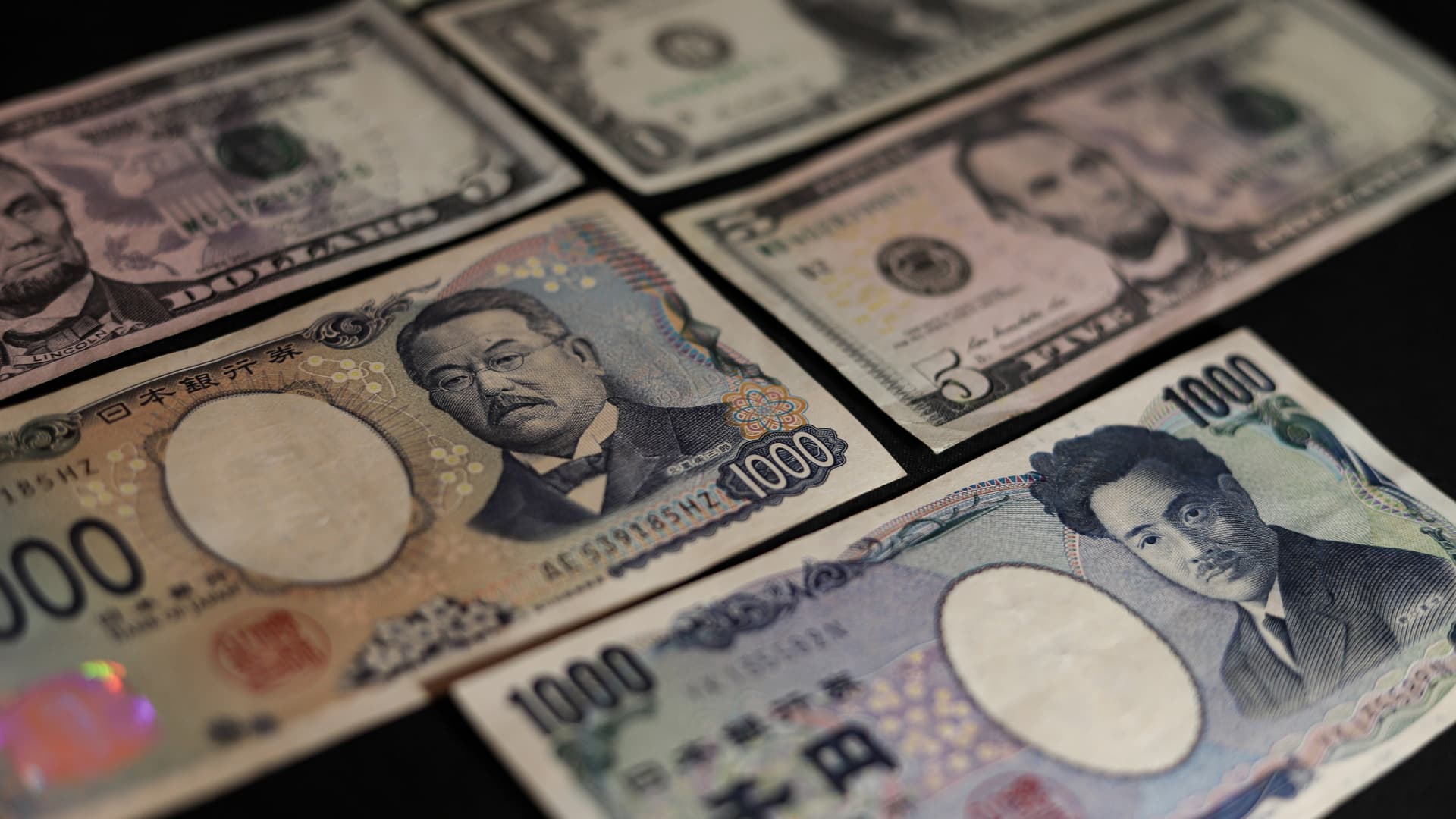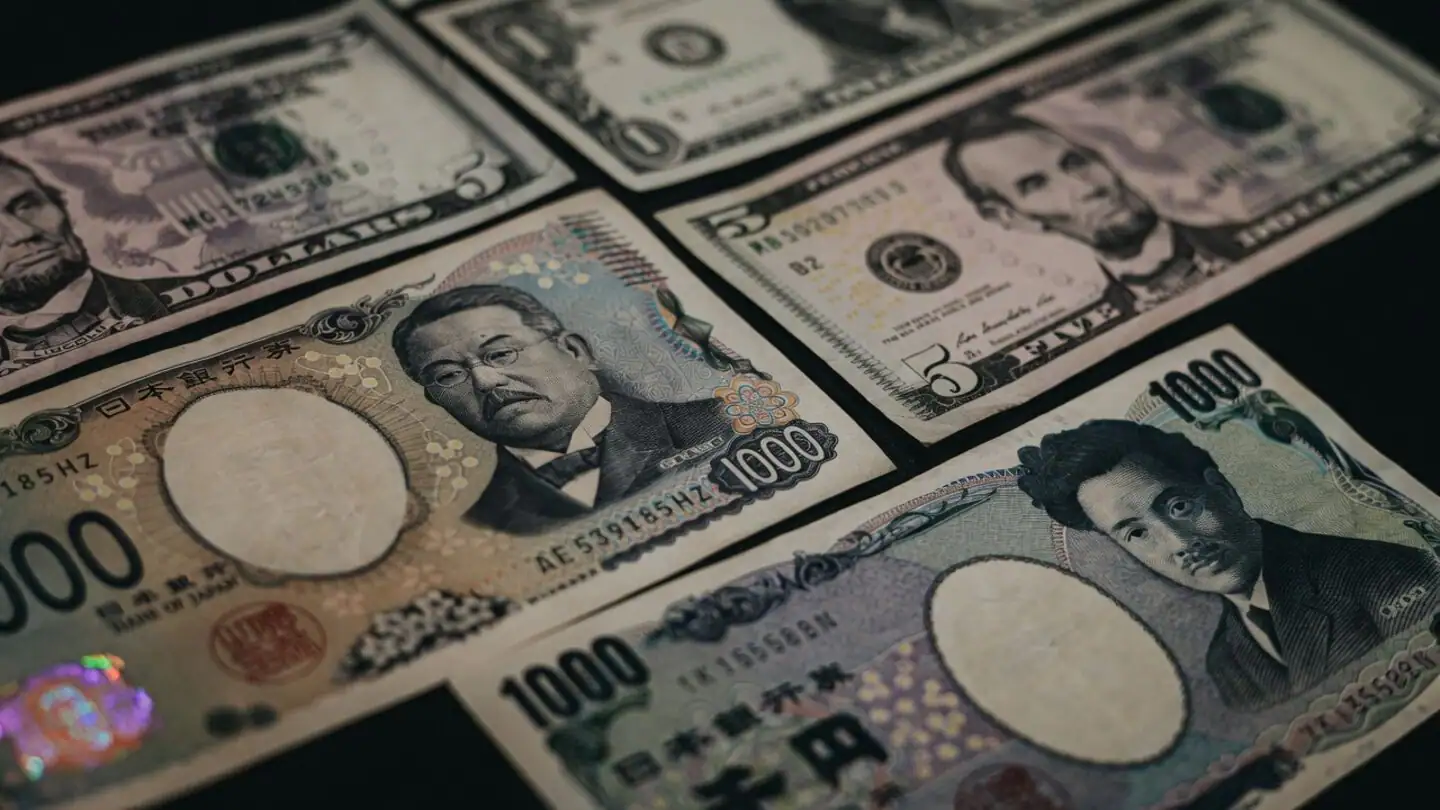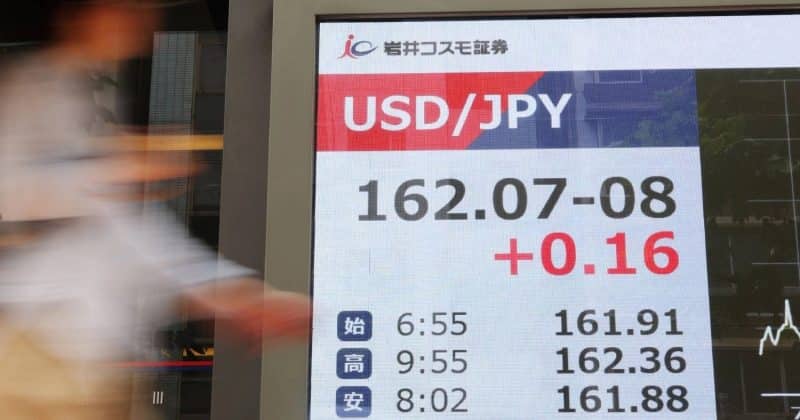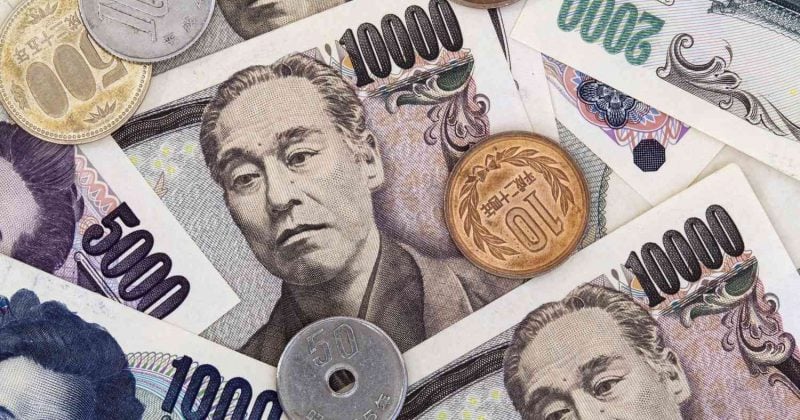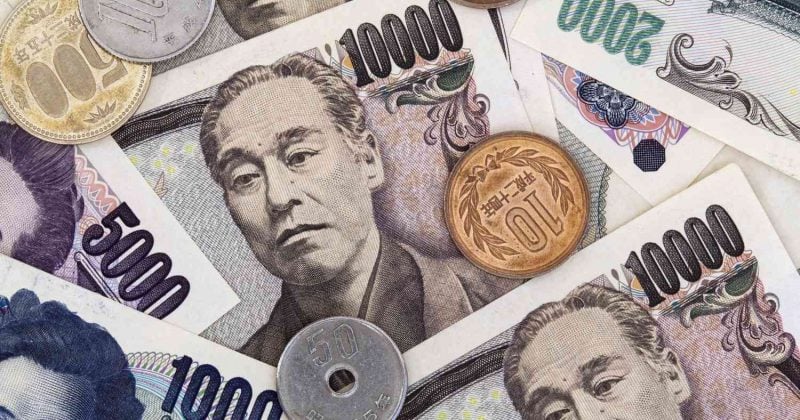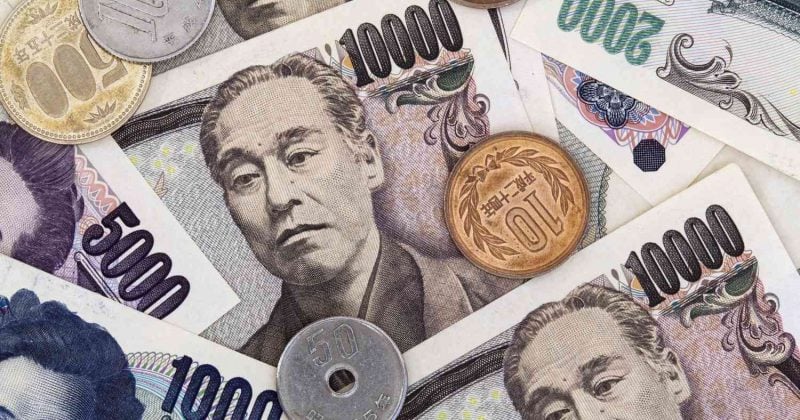
The Japanese yen has dropped to roughly 160 per US dollar, a level not seen since July 2024, when Japanese authorities stepped in with massive currency interventions to halt the bleeding.
As of mid-June 2026, USD/JPY has been trading in the 160.2 to 160.4 range. The last time the yen was this weak, Japan’s Ministry of Finance deployed tens of billions of dollars to defend it, spending approximately $35 billion in a single operation near the 160.7 mark.
Why the yen keeps sliding
The culprit is familiar: interest rate differentials. Despite the Bank of Japan raising its policy rate by 25 basis points to 1% in June 2026 (in a 7-1 vote), the gap between US and Japanese yields remains wide enough to drive a truck through.
That gap fuels what’s known as the yen carry trade. Investors borrow yen at Japan’s still-low rates, convert it into dollars or other currencies, and park it in higher-yielding assets. As long as the rate gap persists, the trade stays attractive, and the yen stays under pressure.