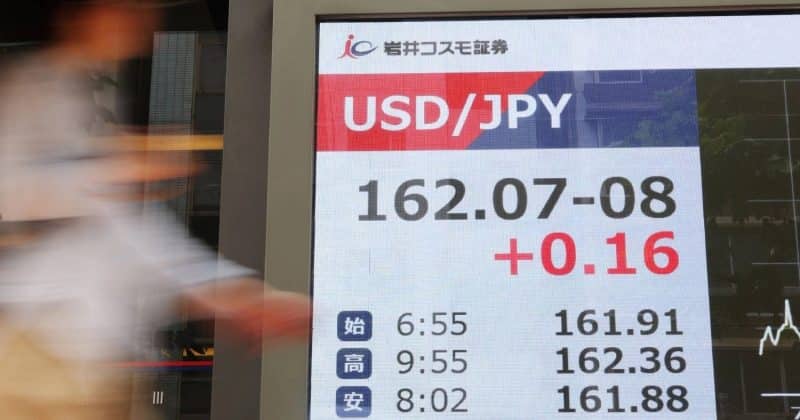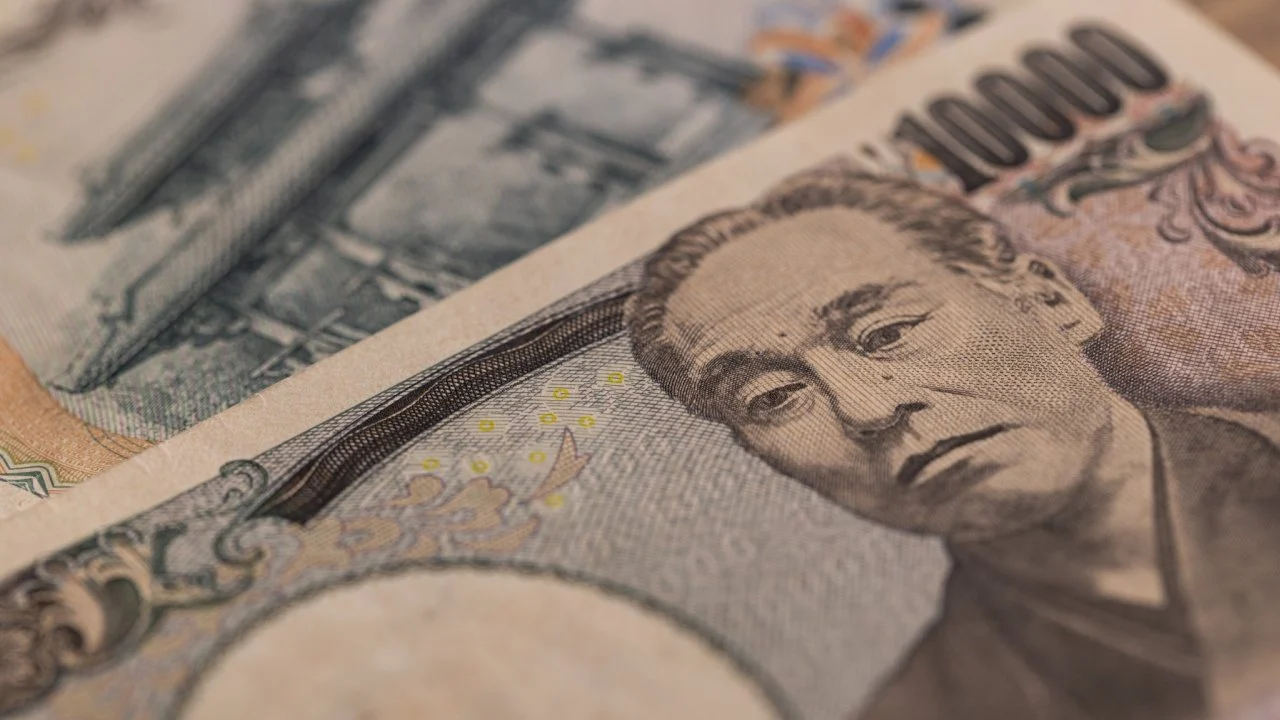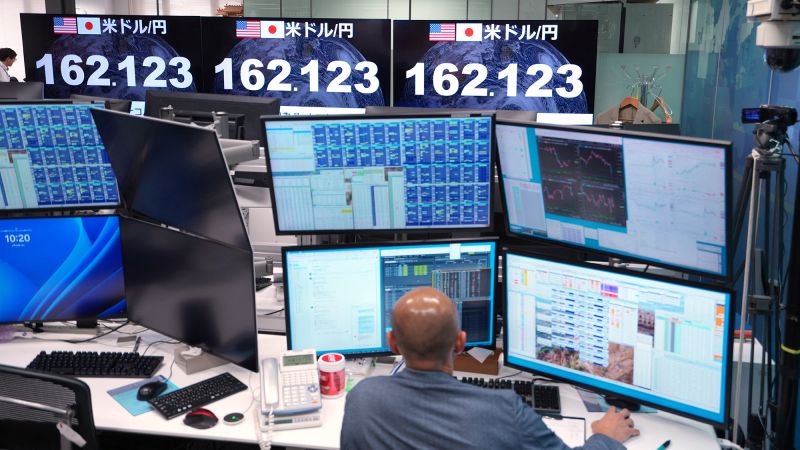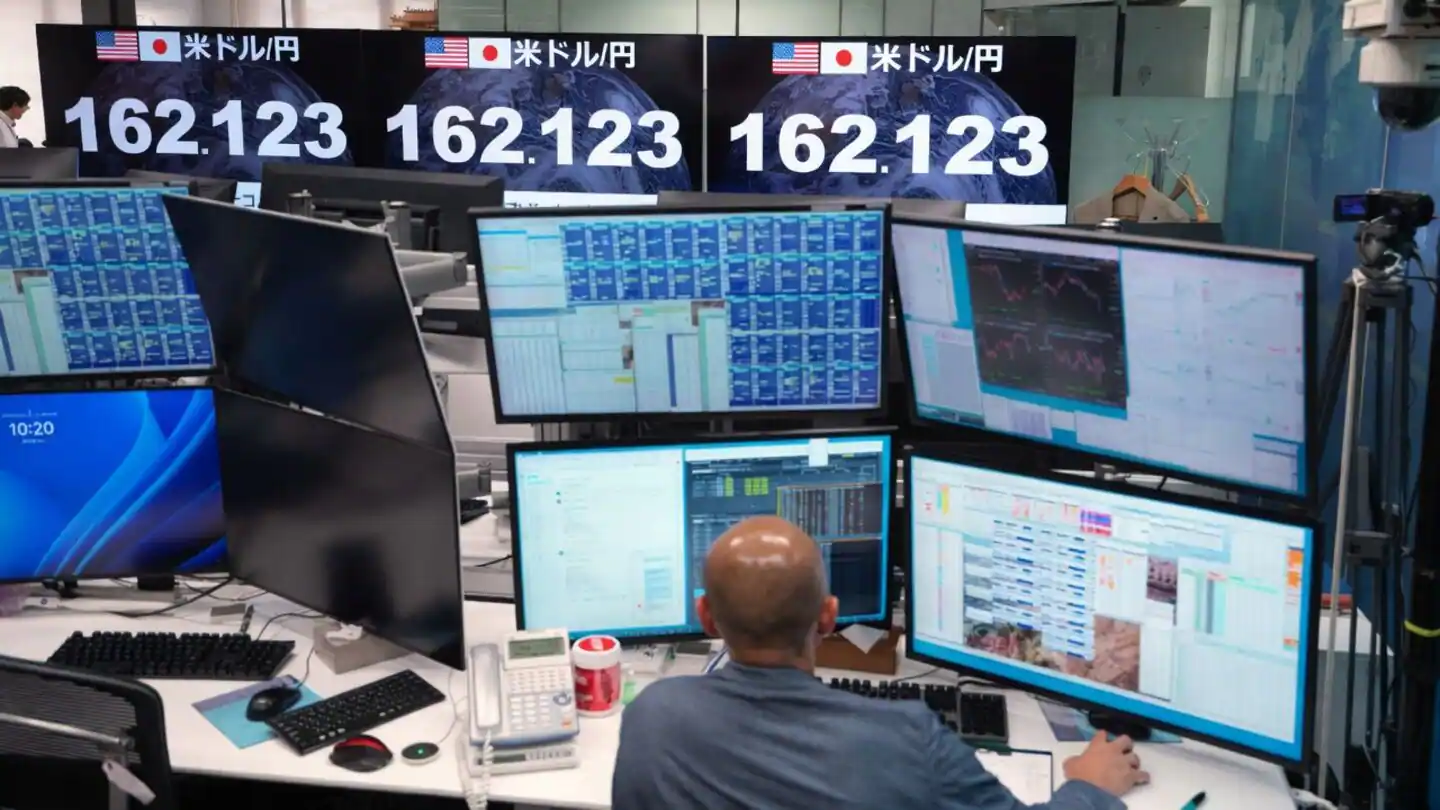
The Japanese yen is trading at levels not seen since 1986, and the implications stretch far beyond Tokyo’s currency desks. On Monday, the yen slipped 0.58% to 162.30 per dollar, extending a brutal slide that has seen Japan’s currency lose roughly 3.6% in 2026 alone.
For crypto investors, this isn’t just a macro curiosity. It’s a flashing warning sign. The yen carry trade, where investors borrow cheap yen to fund bets on higher-yielding assets like Bitcoin, has become one of the most crowded trades in global finance. And when it unwinds, it tends to do so violently.
Japan’s fiscal math keeps getting worse
Here’s the thing about Japan’s currency problem: it’s structural, not cyclical. The country’s public debt sits somewhere between 250% and 260% of GDP, a ratio that makes every other developed nation look fiscally responsible by comparison.
The Bank of Japan has been caught in an impossible bind. It needs to raise rates to defend the yen, but doing so would dramatically increase the government’s debt servicing costs. So the BOJ has tightened only modestly since 2024, keeping the interest rate differential with the US wide enough to drive a truck through.