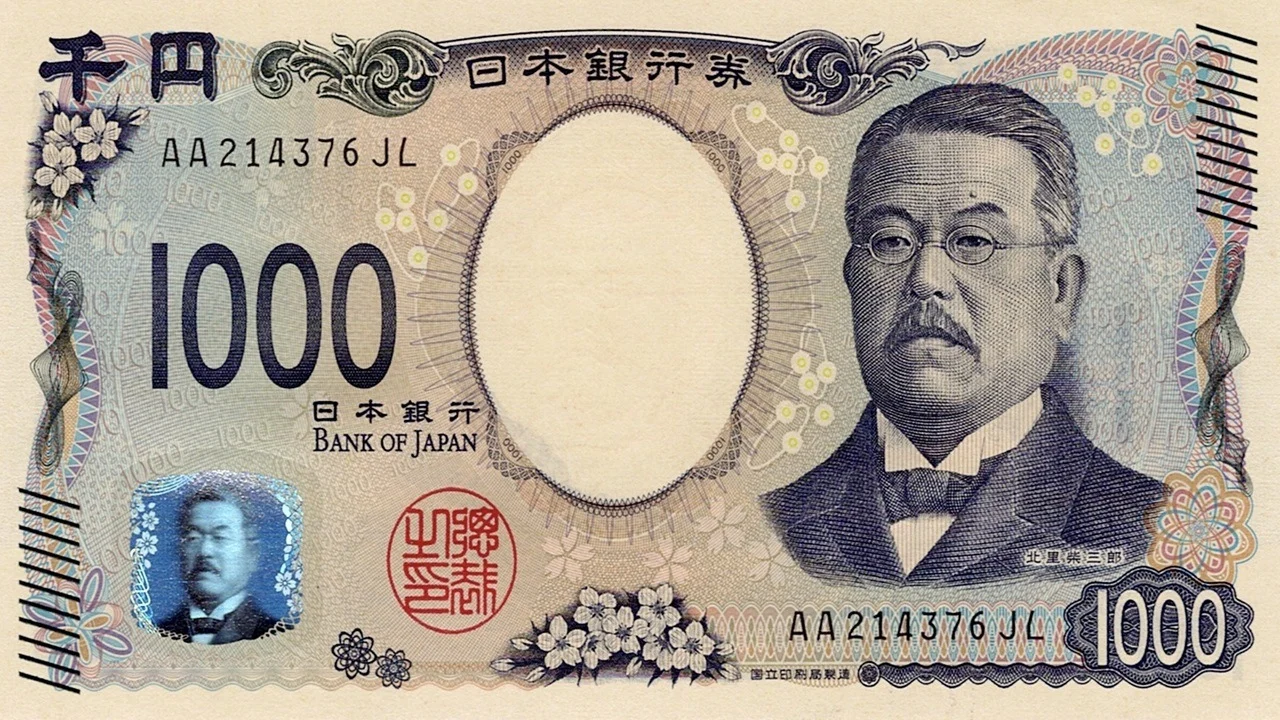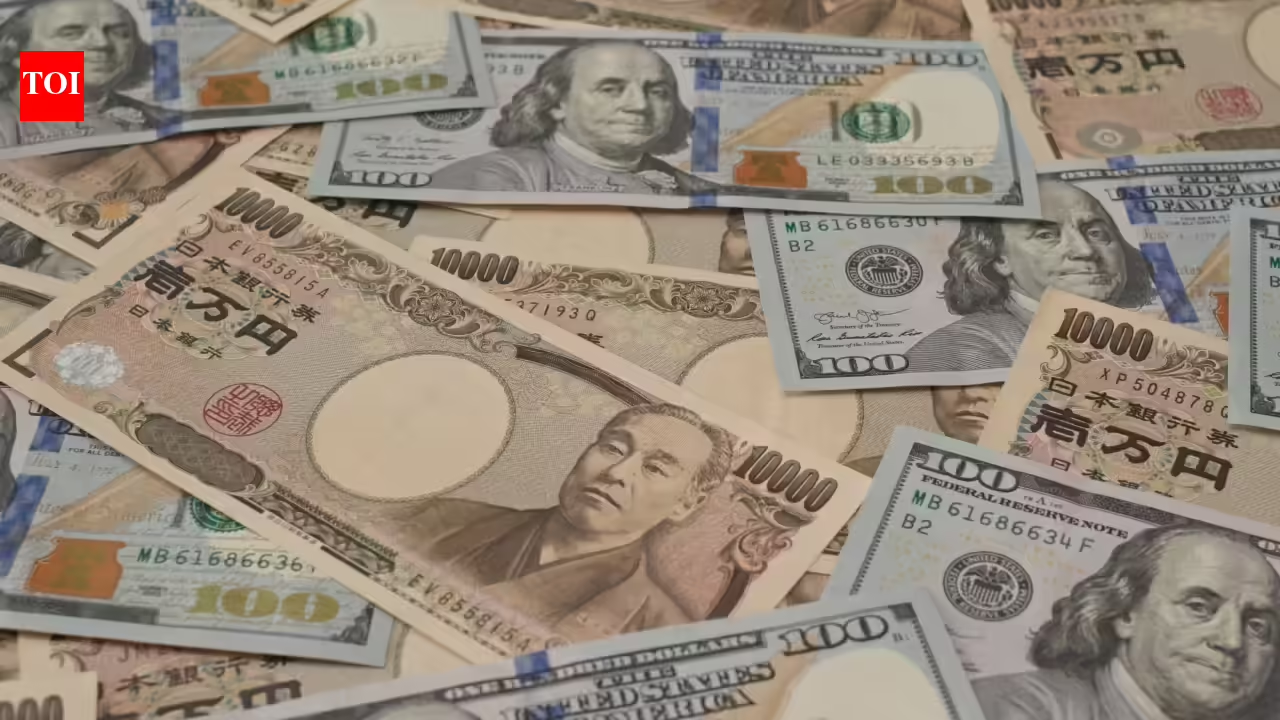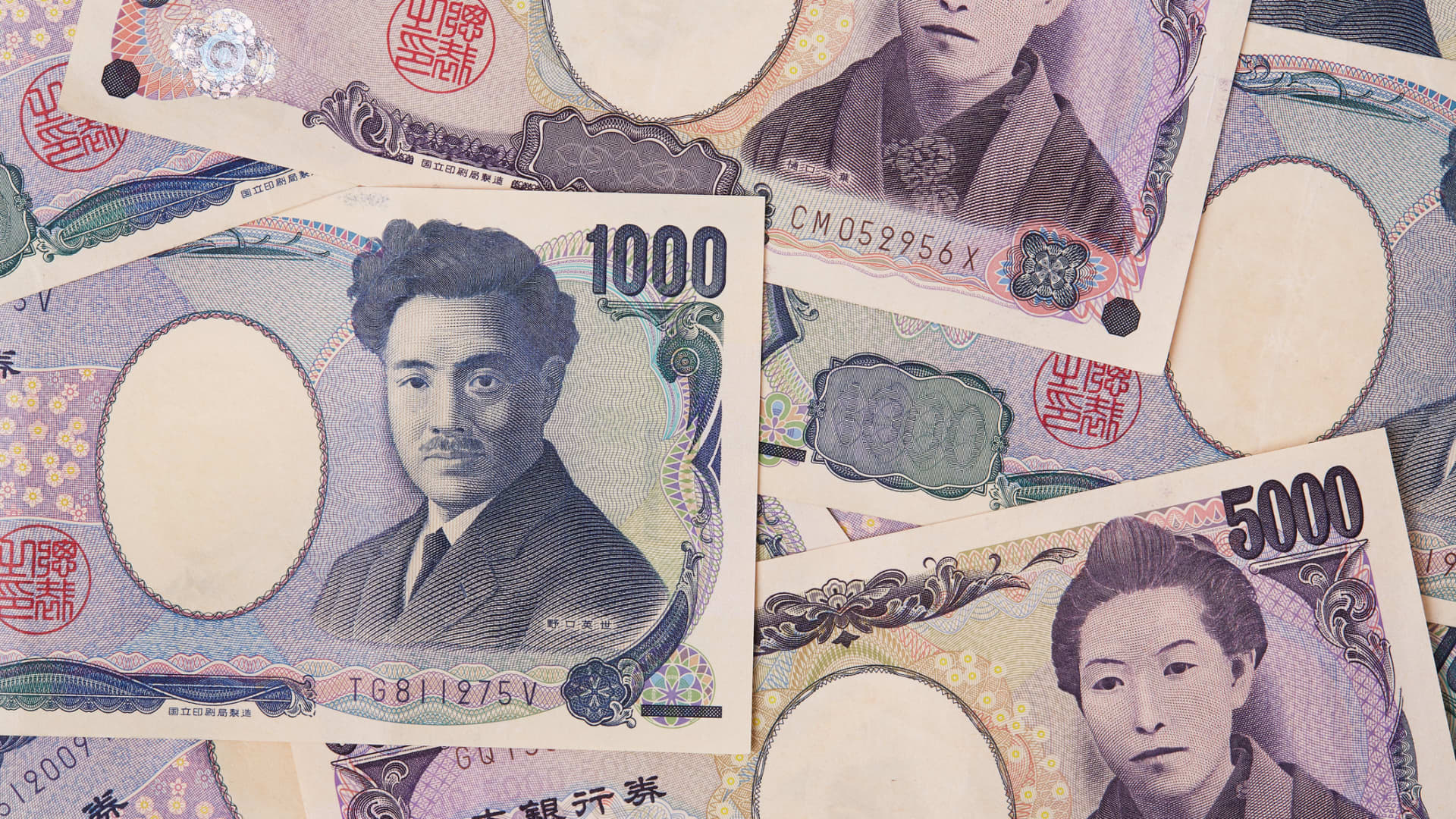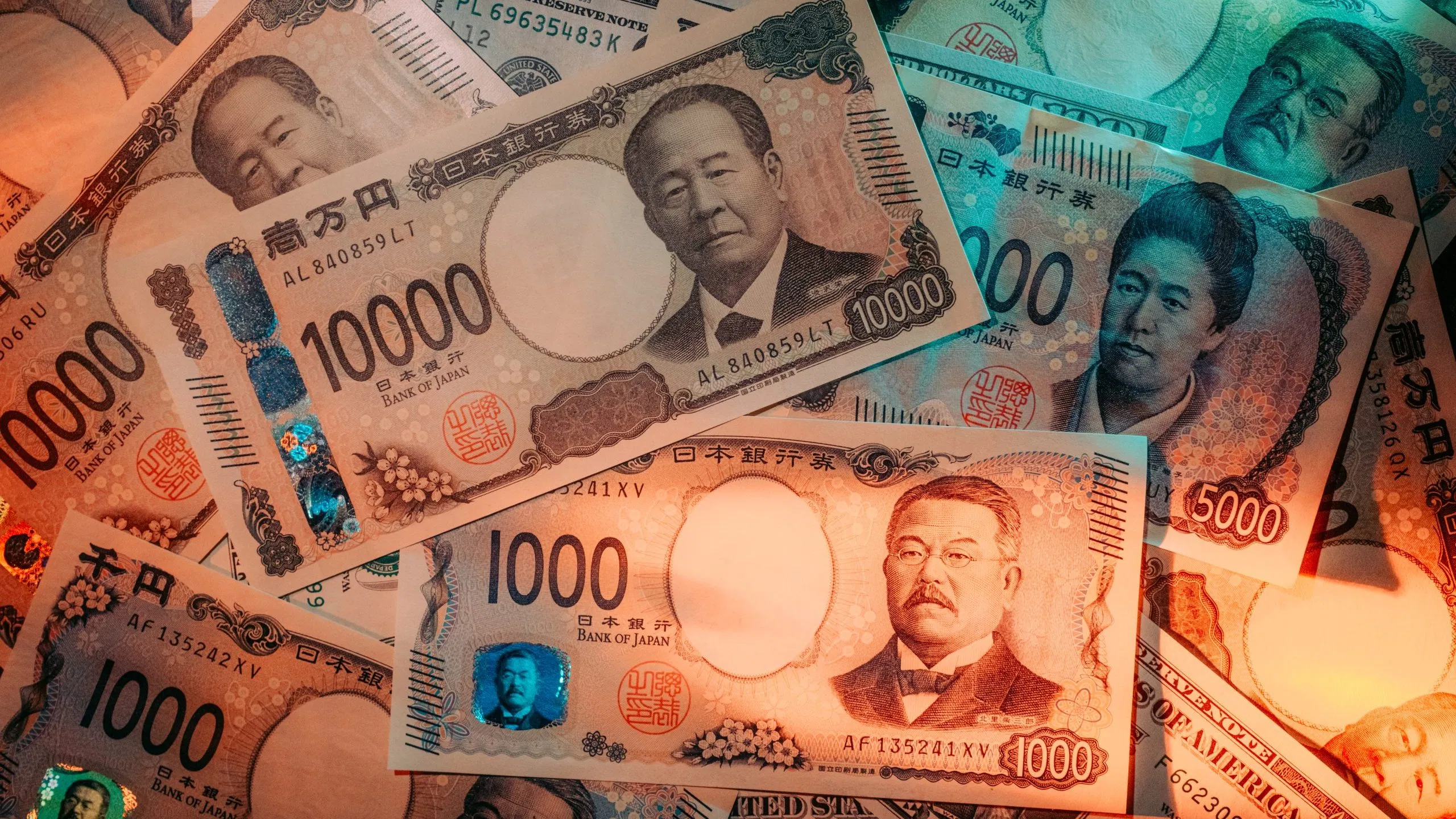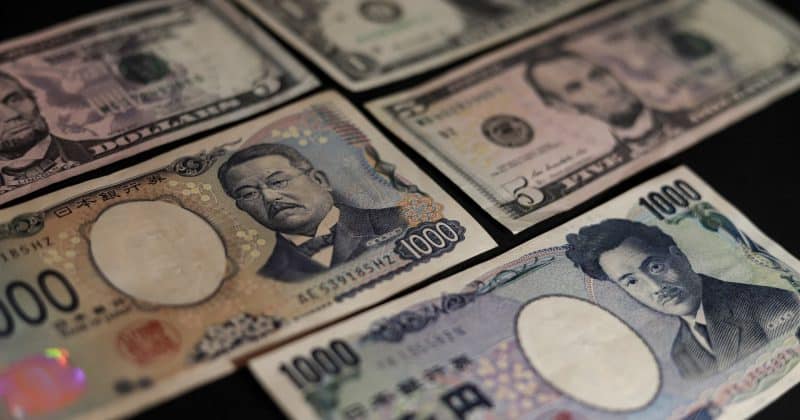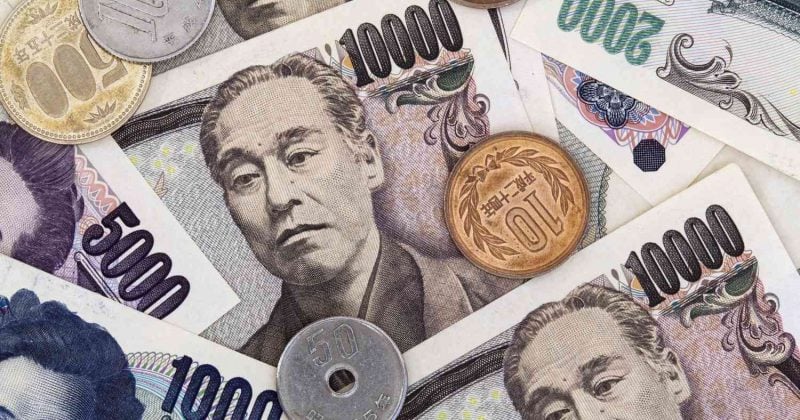
Japan just spent $73 billion trying to prop up its currency. The yen’s response was roughly the equivalent of a polite nod before continuing to fall off a cliff.
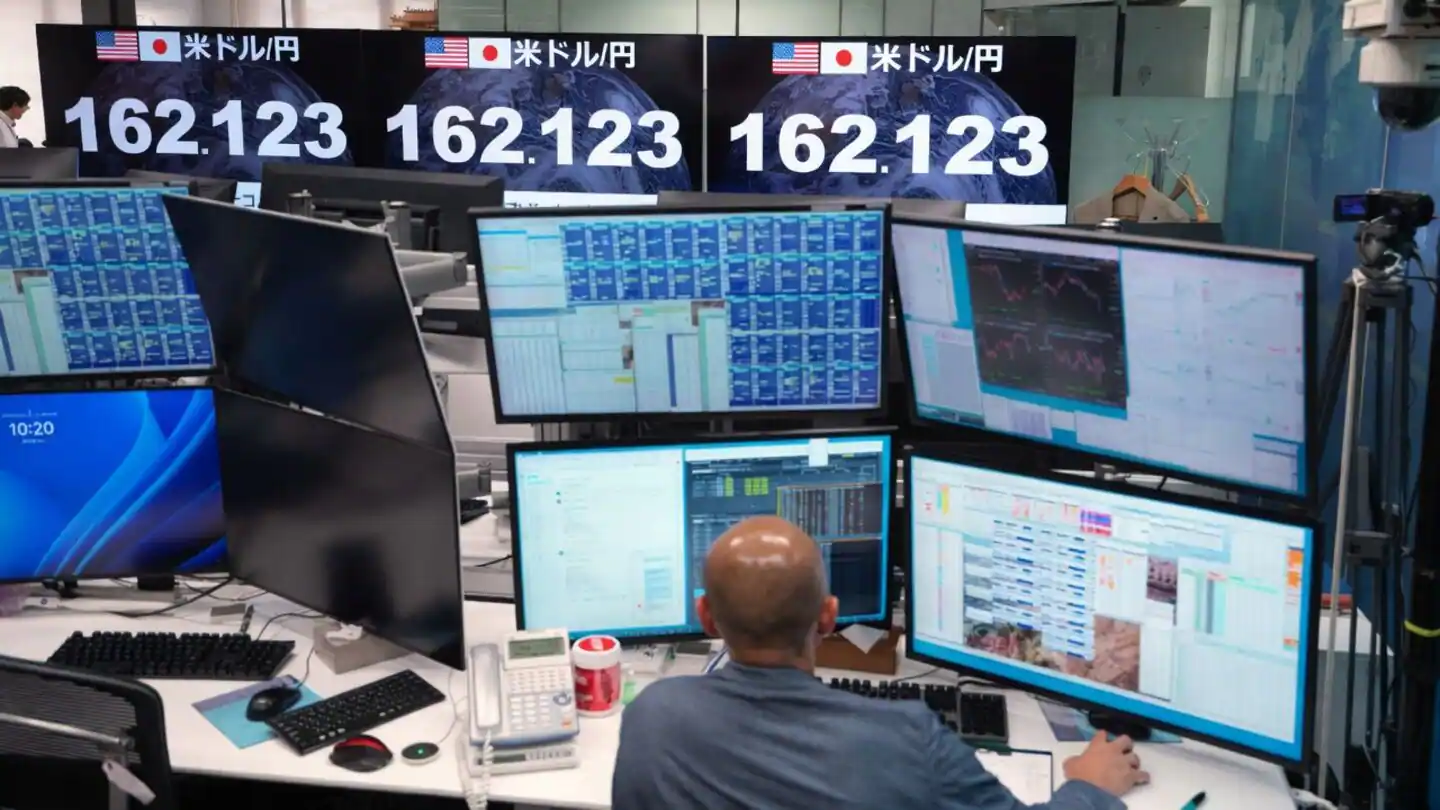
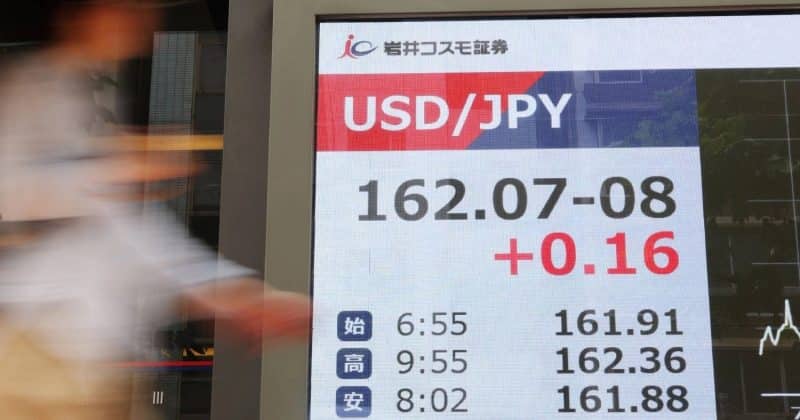
The Japanese yen recently slid to approximately 161.97 to 162.84 per US dollar, a level not seen since December 1986. That’s nearly four decades of ground erased, and it happened despite Tokyo deploying its largest-ever currency intervention, injecting roughly 11.735 trillion yen (about $73 billion) into the market between late April and early May 2026.
A $73 billion Band-Aid on a structural wound
The Bank of Japan’s policy rate sits at just 1%. The Federal Reserve’s rate hovers between 3.5% and 3.75%. That gap, roughly 2.5 to 2.75 percentage points, creates an irresistible gravitational pull for capital flowing out of yen and into dollars.
In English: parking your money in dollars pays you significantly more than parking it in yen. So traders sell yen, buy dollars, and pocket the difference. Multiply that logic across trillions of dollars in global capital flows, and you get a currency in freefall.