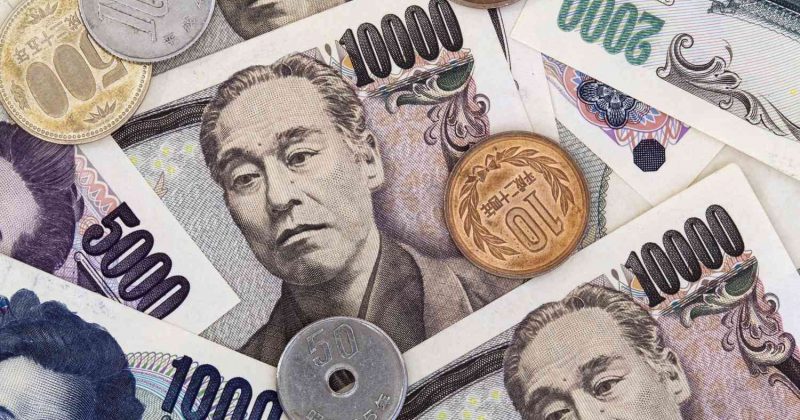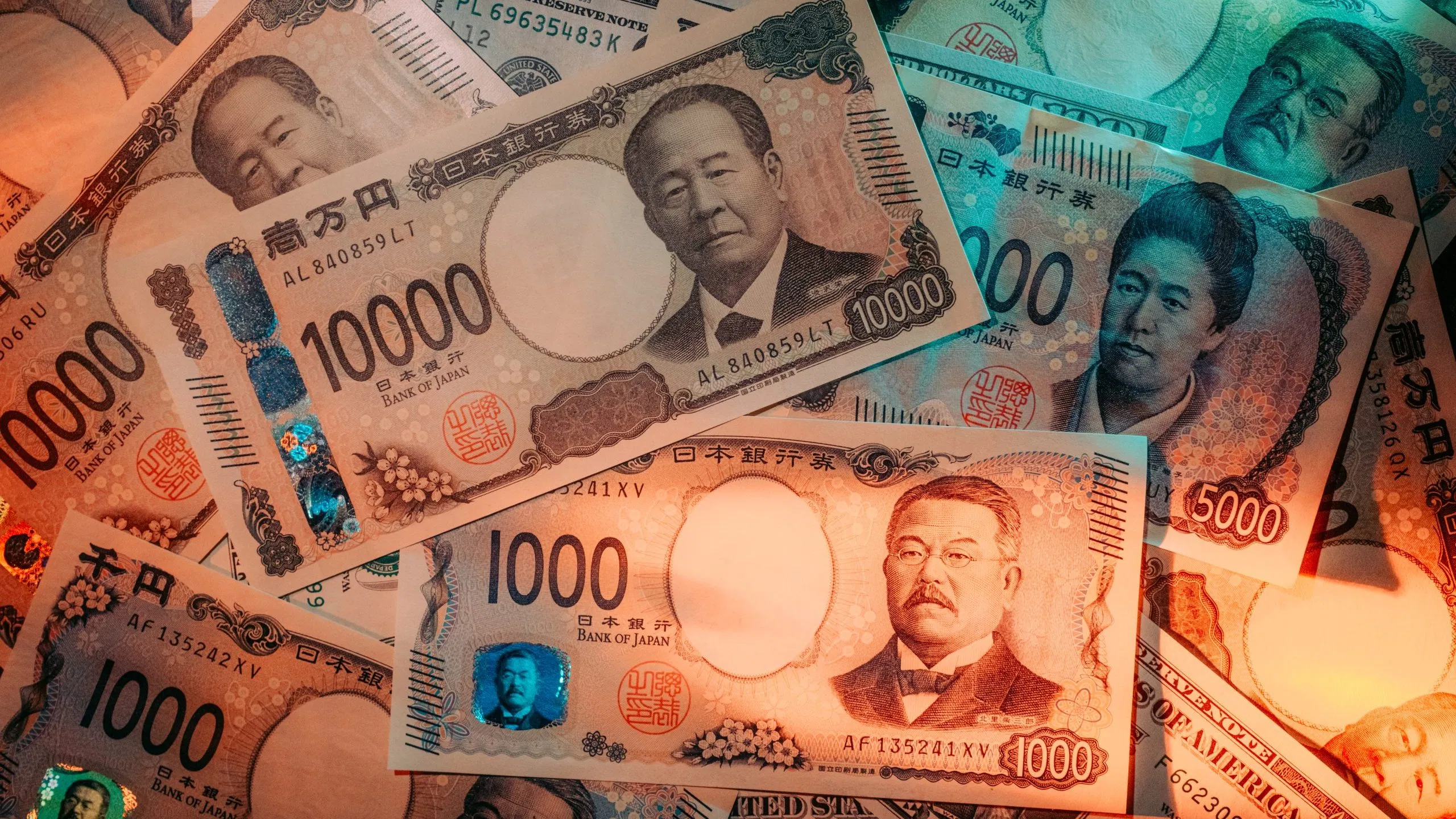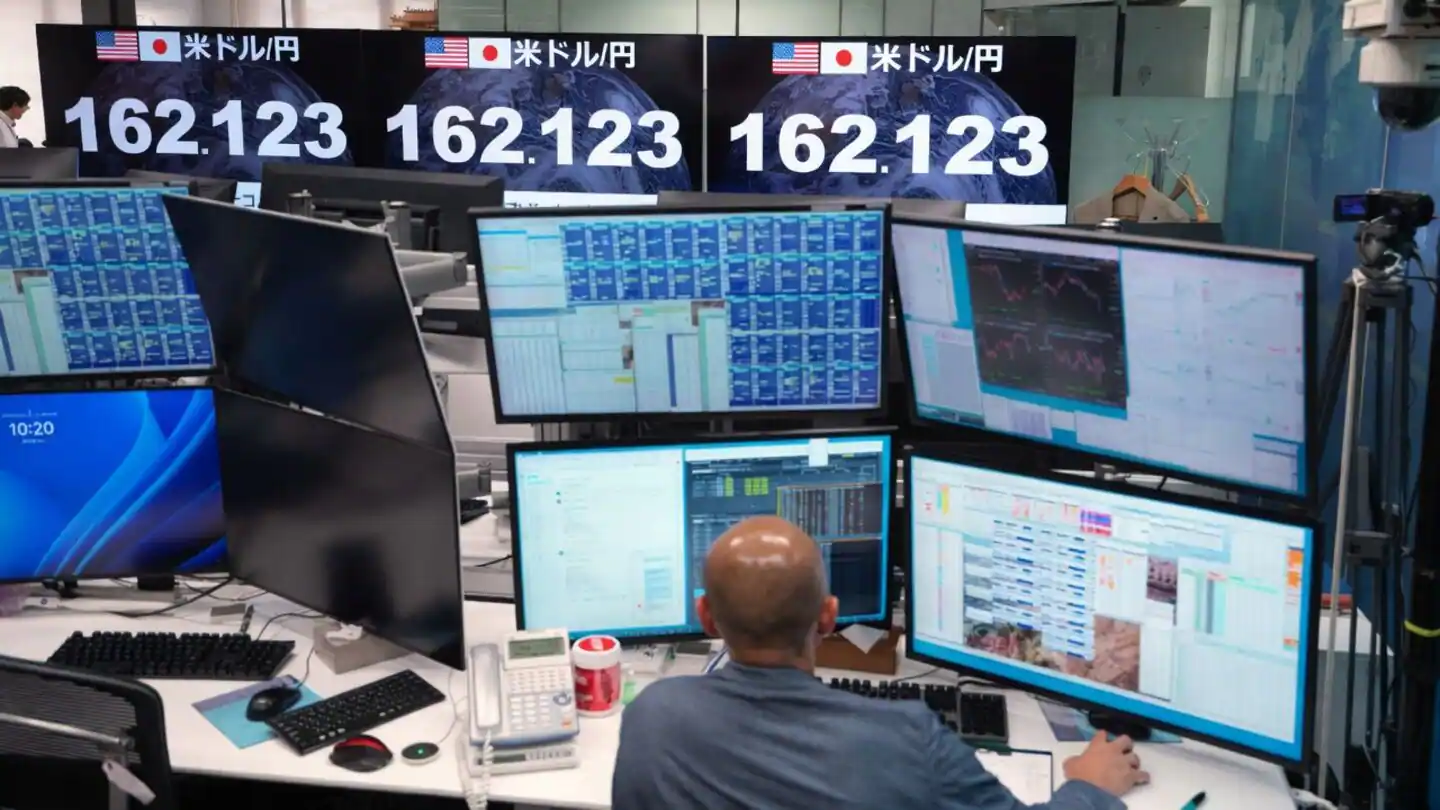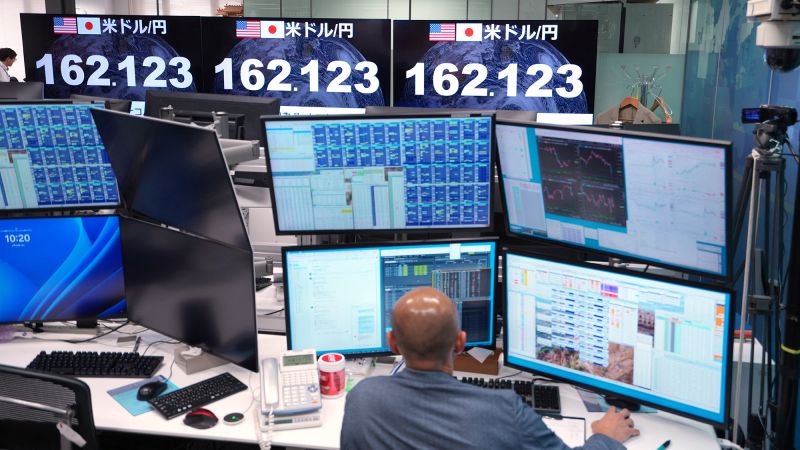
The Japanese yen is trading at levels not seen since Ronald Reagan’s first term, and some investors are starting to whisper about a number that would have been unthinkable a few years ago: 200 per dollar.
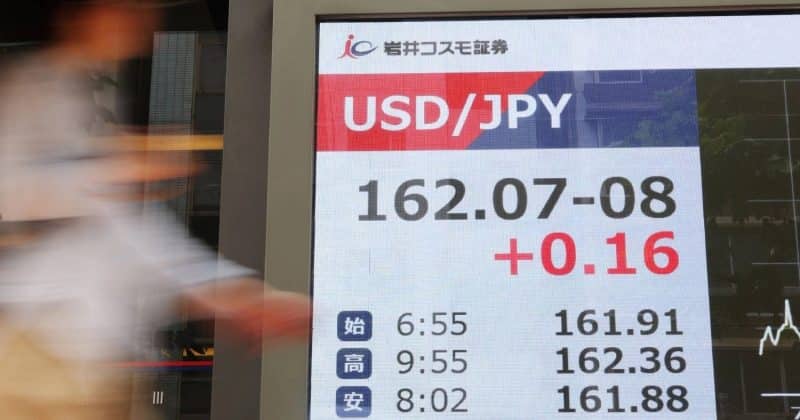
As of late June 2026, USD/JPY sits around 161.95 to 162.55, representing the currency’s weakest point in four decades. The yen has shed approximately 13% over the past 12 months alone, and roughly 57% since 2021.
How we got here
The story is fundamentally about two central banks moving in opposite directions. The US Federal Reserve has maintained a tighter monetary posture, while the Bank of Japan has been far more cautious about raising rates, keeping Japanese yields suppressed relative to their American counterparts.
Japanese officials have responded with verbal interventions, essentially public warnings that they might step into currency markets. In April 2026, three BOJ members called for rate hikes as a more structural approach to defending the currency. But so far, the response has been mostly talk.