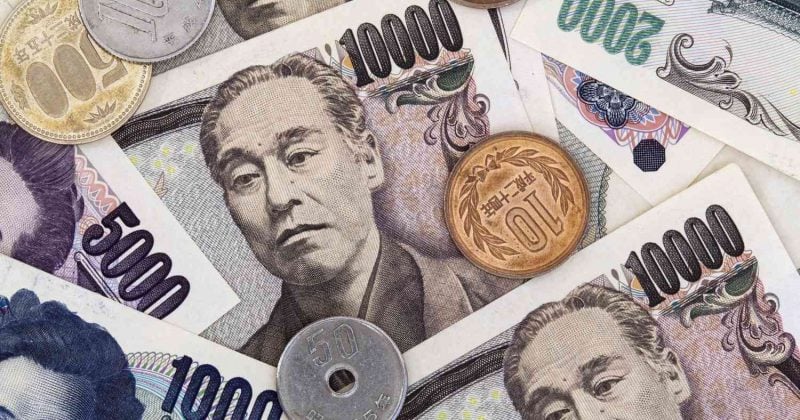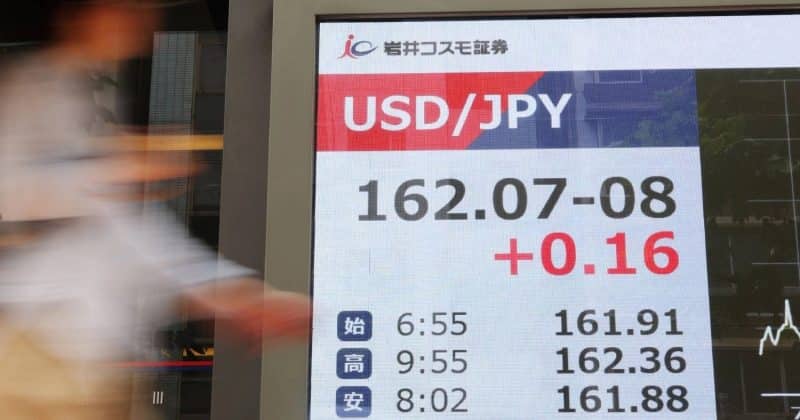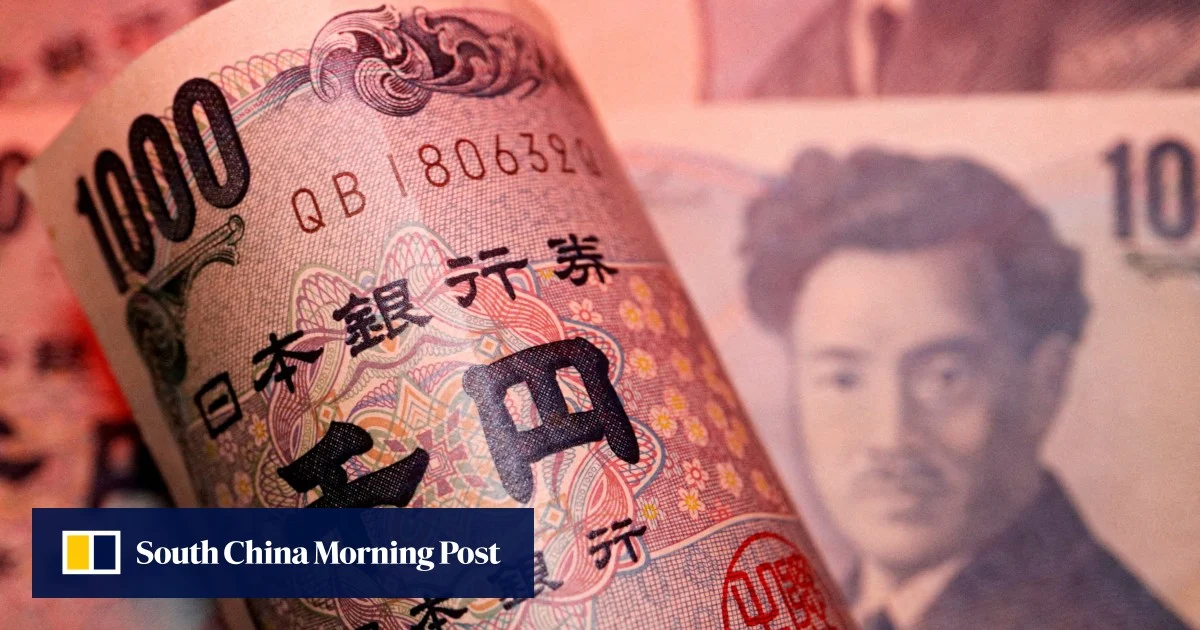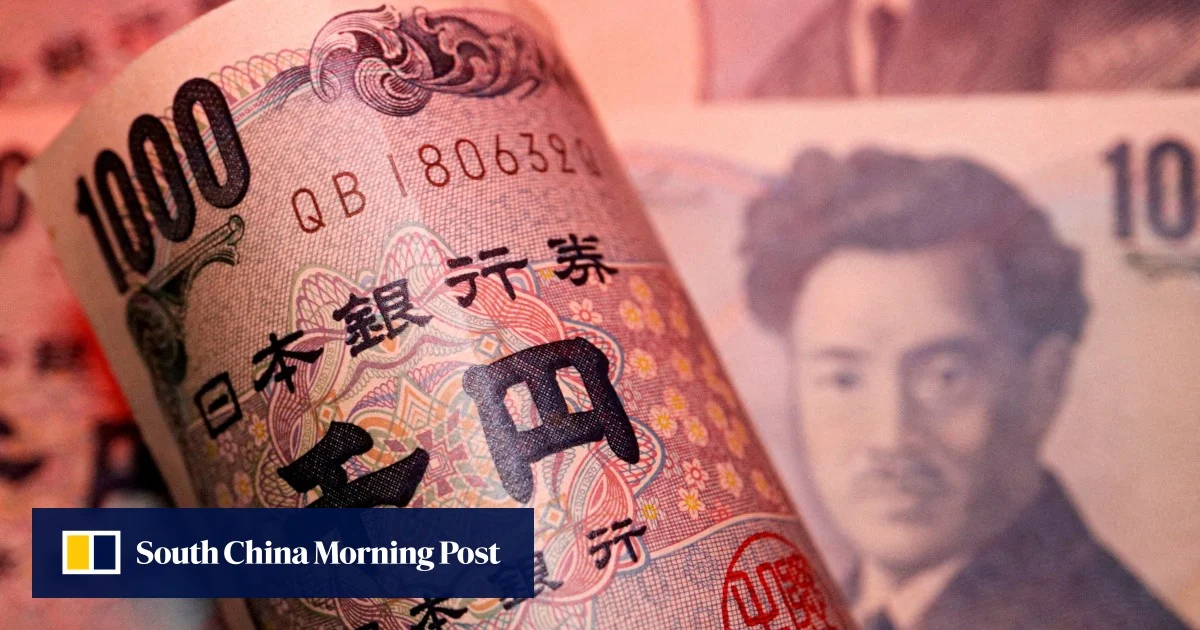
The Japanese yen is sitting at levels not seen since the mid-1980s, trading around 162 JPY per US dollar as of July 2026. That number sounds abstract until you realize what it means for one of the most popular trades in global finance: borrow cheap yen, invest in higher-yielding assets elsewhere, pocket the difference.
The Bank of Japan has spent $73.5 billion in intervention attempts trying to keep the yen from sliding further. It has not worked in any durable way.
How the carry trade works, and why it keeps everyone up at night
Here is the basic mechanic. Japan has kept interest rates extraordinarily low for decades, making yen borrowing essentially free by global standards. Investors borrow yen, convert it into dollars or other currencies, and park that money in assets with higher returns, whether that is US Treasuries, equities, or increasingly, crypto.
The carry trade works beautifully until the yen strengthens. When that happens, the yen-denominated loans suddenly cost more to repay in foreign currency terms. Investors who are leveraged rush to unwind their positions, selling whatever risk assets they hold to cover.