Large groups of people often lose sleep because of big events like a record 18-inning World Series game or a contested election night, or sudden crises like flood, pandemic, or war.
In a new paper, Harvard sleep researchers argue that while the mental and physical health effects of diminished sleep on individuals are well-studied, what’s far less understood is what happens when communities of people lose sleep or have it disrupted because of some major occurrence.
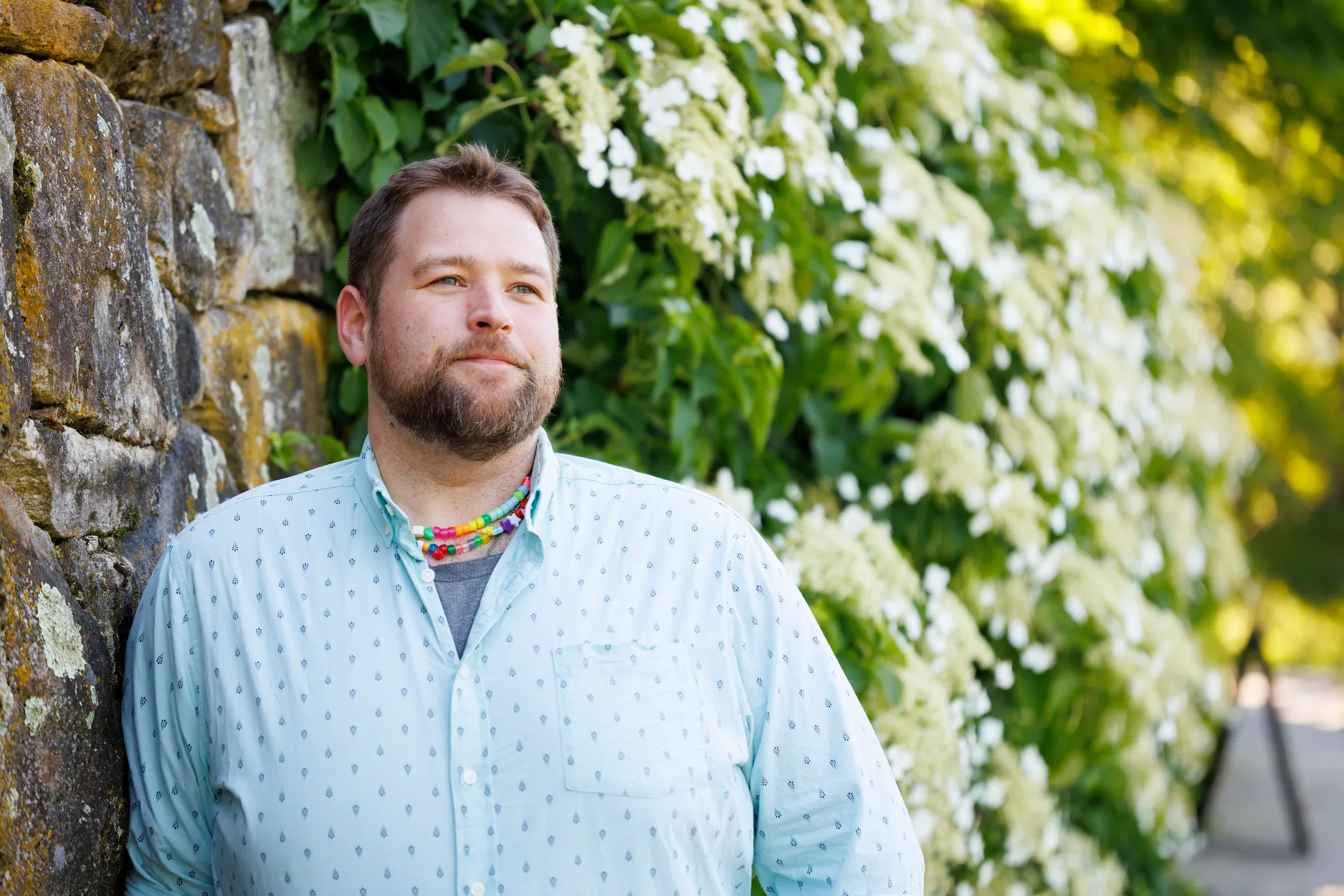
In this edited conversation, co-author Tony J. Cunningham, assistant professor of psychology at Harvard Medical School and director of the Center for Sleep and Cognition at Beth Israel Deaconess Medical Center, explains why this concept they call “public sleep” deserves far more study.
What do you mean by public sleep?
I think we have largely been brought up to think that sleep is a very personalized, individualized thing that happens behind closed doors and that’s where it stops. But what we are beginning to understand more is that the world outside our bedroom door does play a role in and has a large impact on our sleep.