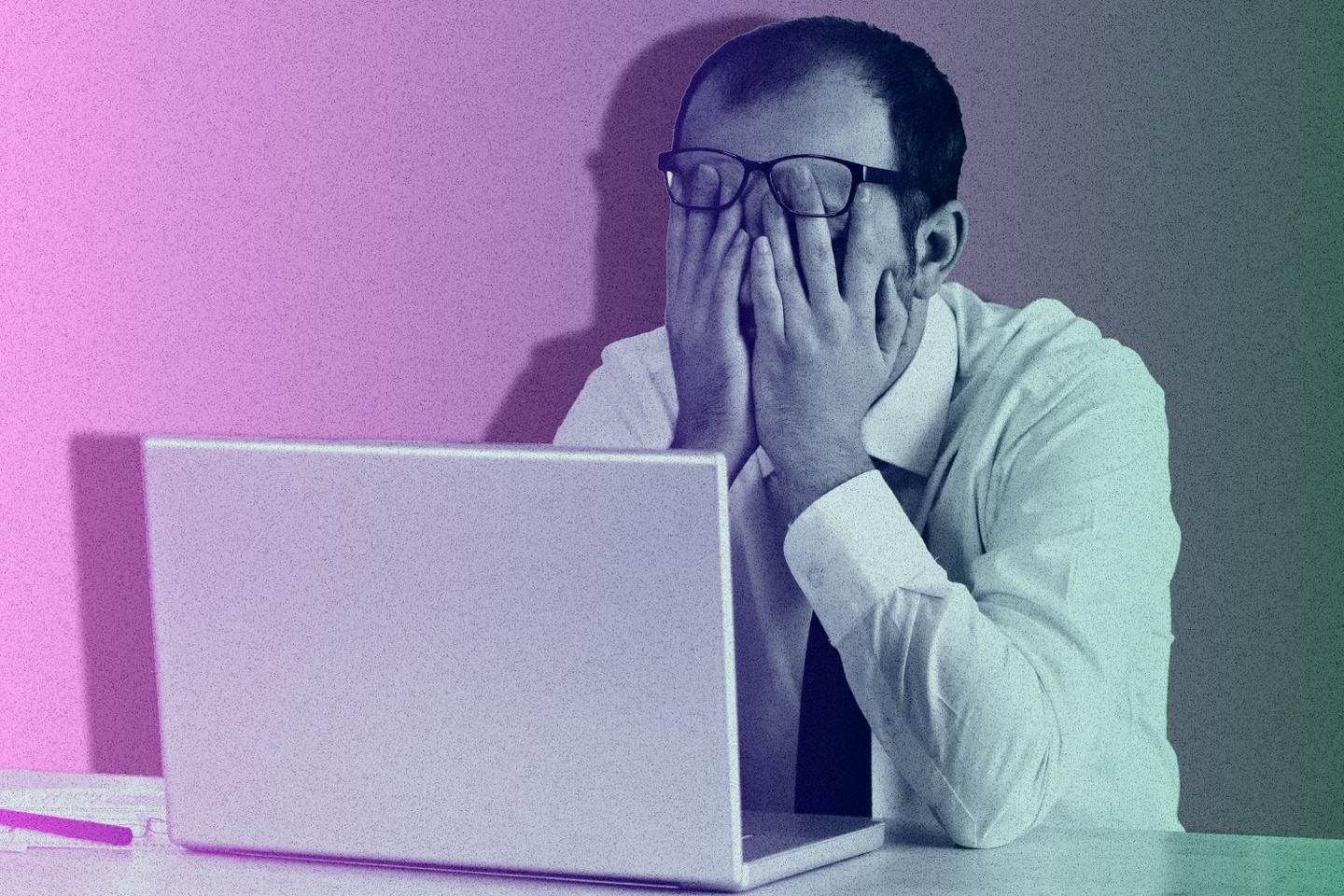
Doomscrolling on social media late into the night, as well as the blue light from screens, affects the quality of sleep. Experts say understanding the significance of restful sleep could unlock the potential for improved mental health and well-being.
In a world where productivity is often prized above all else, the importance of sleep and rest is frequently overlooked. Tony de Gouveia, a clinical psychologist at Netcare Akeso Alberton, underscores the critical link between sleep and mental health, noting that the impact of poor sleep on wellbeing is vastly underestimated. “Just how much our sleep affects our mental health and wellbeing is generally vastly underestimated,” he says.
According to de Gouveia, the relationship between sleep deprivation and conditions like anxiety and depression is well documented. “It’s not only our physical energy that is replenished during sleep, but it is also essential for our cognitive functioning and emotional regulation,” he explains. Despite this understanding, many of us fall short of the recommended seven to eight hours of sleep per night. Studies suggest that up to half of us regularly fail to achieve this goal.
As deadlines loom and pressures mount, it’s common for individuals to sacrifice their rest in the name of productivity. “Burning the midnight oil is the enemy of productivity and creativity,” de Gouveia warns. “We need to rethink how we value our sleep. Rest is fundamental to productivity, not its opposite.”