S
leep is often reduced to a simple matter of individual health. Yet, it is much more than just a period of rest: It is an investment, a driver of productivity and a public good with societal-wide implications. Economists have only recently begun to address these questions.
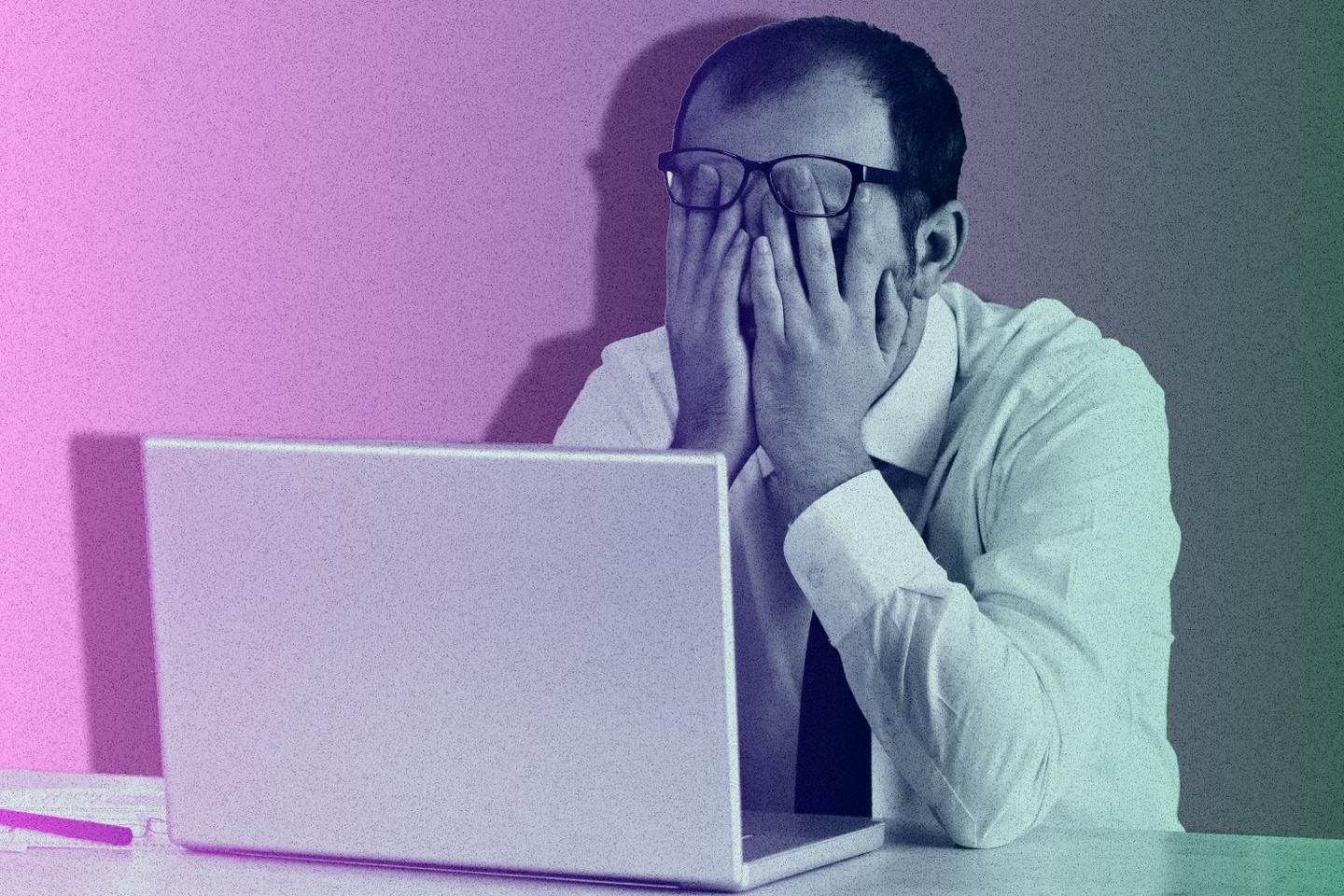
A fatigued economy, where workers make more mistakes, students struggle to learn and drivers fall asleep at the wheel, generates enormous costs for healthcare and insurance systems. Sleep is not just an individual variable but also a macroeconomic lever.
Just as previous studies conducted by sleep psychiatrist Pierre Philip reveal, researchers have shown that sleep deprivation impairs decision-making, memory and alertness, with direct consequences for productivity and public safety. Economists, including Matthew Gibson and Jeffrey Shrader, have modeled sleep as a form of human capital, much like education.
At the individual level, sleep functions like capital: It accumulates with restorative nights and depreciates with fatigue. Sleeping means forgoing immediate consumption (leisure, work) for a future gain. However, unlike financial savings, sleep cannot be stored indefinitely: It requires nightly investment. This physiological limit does not preclude considering sleep as an investment in human capital, health or productivity. An additional hour of sleep per night could increase annual income by 4% to 5%, a return comparable to a year of higher education.