We’re obsessing about sleep like never before. But much of the messaging is exaggerated, distorted and unhelpful
A
few decades back, people didn’t care as much about sleep. Margaret Thatcher led by example, getting only four hours a night. But over recent years, there’s been pushback on the narrative that sleep doesn’t matter. It does. Anyone who has worked night shifts, had their nights disrupted by a newborn baby or delved into gruesome historical literature about sleep will agree.
In the 1960s, a high-school student in the US, Randy Gardner, was kept awake for 11 days for a study on the impact of sleep deprivation. He experienced symptoms including delusions, irritability and a lack of coordination. More recently, scientific literature has highlighted links between the way we sleep and our mental and physical health. This has all led to the realisation that sleep matters, and it becoming a particular focus of the wellness industry. There are sleep trackers, podcasts, influencers, supplements and smelly sprays to help. Sleep dismissal appears to have now been replaced by sleep hysteria.
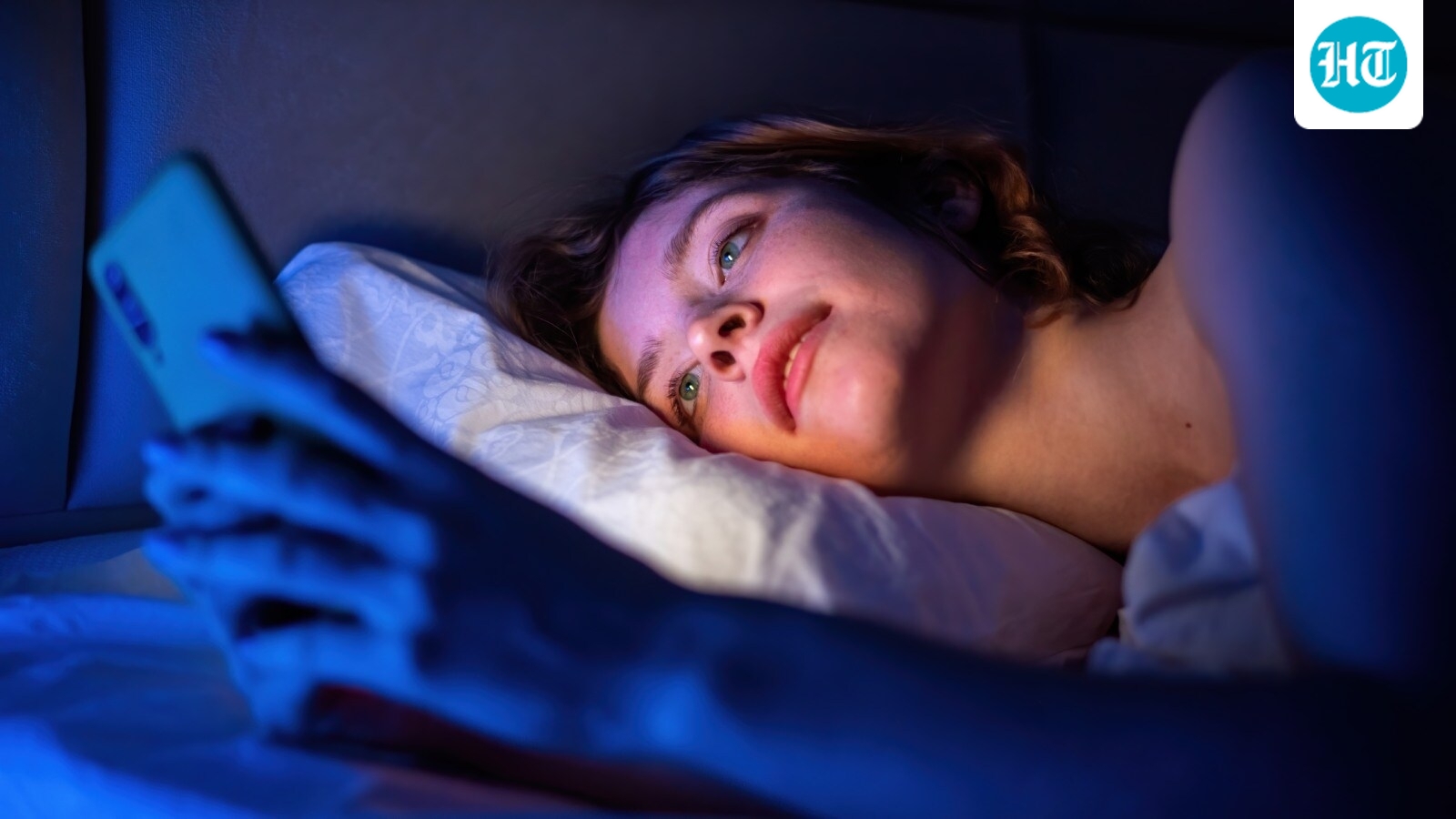
In 2017, sleep scientists coined the term “orthosomnia”, which means “straight or correct sleep”. This is the phenomenon of people becoming fixated on obtaining “perfect” sleep. It can come about because of advice about the way we “should sleep” and information from sleep trackers about how we “actually sleep” – and perhaps a gulf between the two. Some people have started worrying about their sleep and are finding going to bed a miserable experience.