See more Daily Mail on Google - save us as a Preferred SourceBy SHAUN WOOLLER, EXECUTIVE HEALTH EDITOR Published: 22:00 BST, 6 July 2026 | Updated: 22:00 BST, 6 July 2026
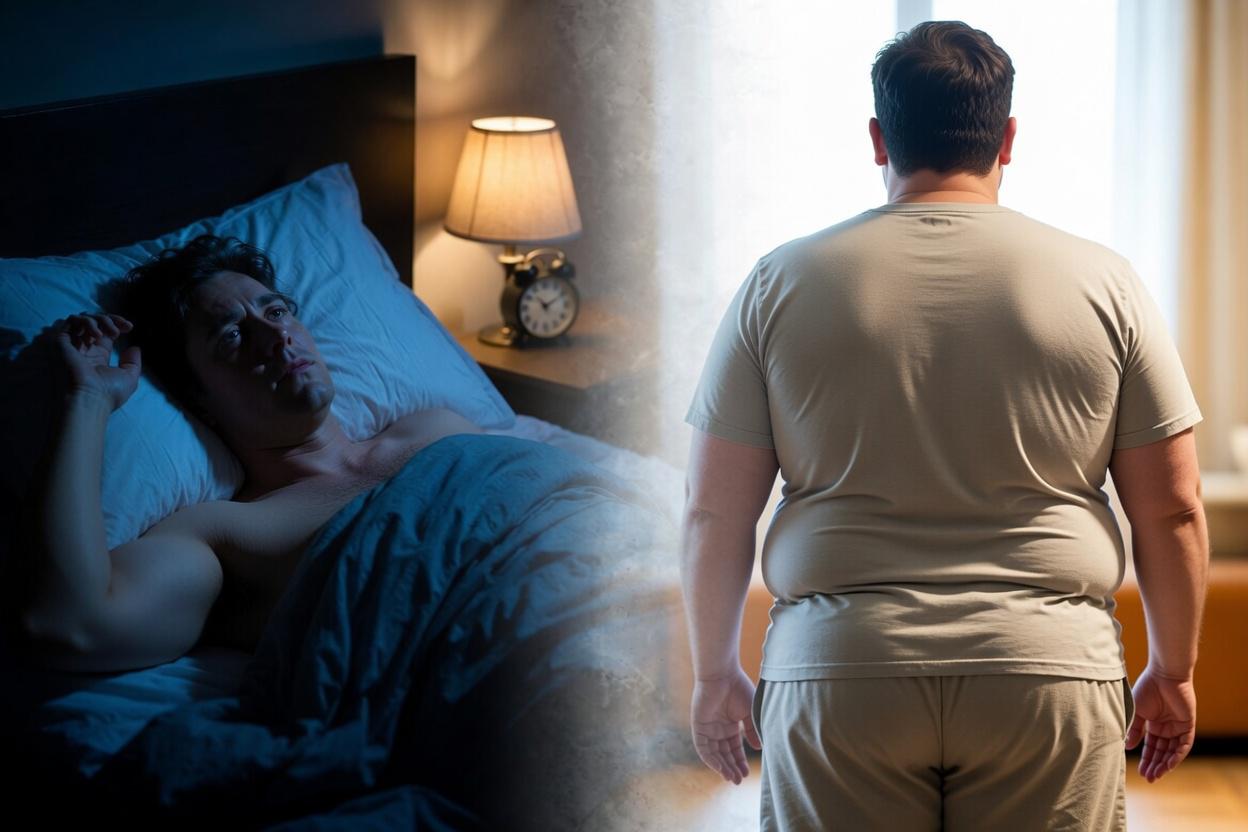
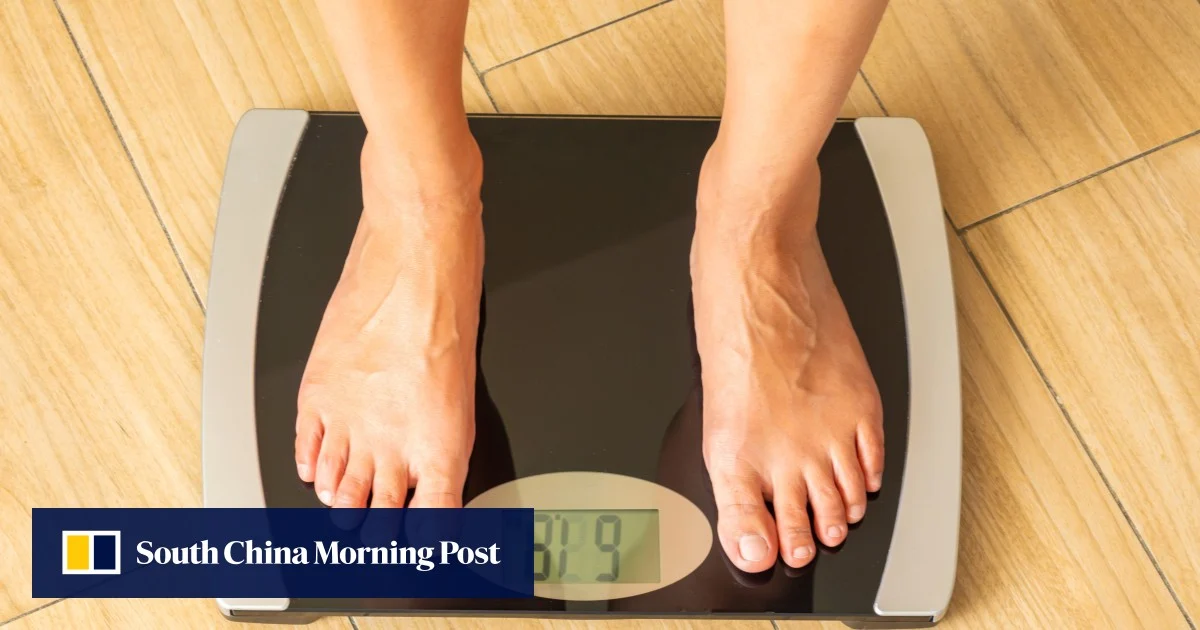
Skimping on sleep by as little as 80 minutes a night leads to weight gain at a rate of one pound every six weeks, a study suggests.People who cut back on shut-eye were also more likely to spend more time sitting during the day, amplifying the health risks.Professor Marie-Pierre St-Onge, who led the study at Columbia University in the United States, said: 'Our study shows that getting adequate sleep may help reduce the risk of weight gain and obesity-related conditions like heart disease and diabetes.'People tend to gain weight over the course of their adulthood, and obesity is a major risk factor for heart disease.'Previous studies have shown that severe sleep restriction of around four hours leads to changes in appetite and overeating, which can contribute to weight gain.However, the researchers wanted to look at a more realistic scenario, where people lost more than an hour of sleep over a longer period of time.Professor St-Onge said: 'These (previous) studies only show us what happens under the most extreme conditions and don't tell us if mildly sleep-deprived people, like a lot of Americans who get five or six hours of sleep a night, will gain weight.'To investigate the more realistic scenario, which the team think affects about a third of adults, some 95 adults who usually get seven or eight hours of sleep were recruited. Skimping on sleep by as little as 80 minutes a night leads to weight gain at a rate of one pound every six weeks, a study suggests.All of them were told to delay their normal bedtime by 90 minutes for one six-week phase and to get the usual amount of sleep for the following six weeks.People wore a wrist monitor to track sleep, and changes in body weight, waist circumference, body composition, and fasting levels of several hormones known to increase or suppress appetite were recorded.Faris Zuraikat, assistant professor of nutritional medicine at Columbia and first author of the study, said: 'While the one-pound weight gain observed with modest sleep curtailment is not overwhelming, it is important to remember this is occurring over just six weeks.'Our study was designed to mimic sleep patterns that most adults experience chronically.'When extrapolated to a full year, we would expect that losing less than an hour-and-a-half of sleep per night could result in clinically meaningful weight gain.'Participants slept for around 80 minutes less on average.Sedentary time also increased by an average of 17 minutes per day during the six-week period, and by nearly 30 minutes per day for men and postmenopausal women, according to findings published in the medical journal Annals of Internal Medicine.'Even when we accounted for the fact that they were awake longer when sleep was shortened, participants spent more time being inactive than when they got adequate sleep,' Mr Zuraikat said.'This is notable, as people who are more sedentary have elevated risk for chronic diseases.'A previous study on the same participants found that women with increased cardiometabolic risk who shortened their sleep by around 80 minutes a night over six weeks had increased insulin resistance, a risk factor for type 2 diabetes.The effects were more pronounced in postmenopausal women.In another study of the group, researchers found that men and women with elevated heart risk had an influx of inflammatory cells in the heart after losing sleep.Prof St-Onge said: 'Though more research is needed to further understand how sleep restriction leads to weight gain, all of our findings suggest that insufficient sleep increases the risk of obesity-related conditions like type 2 diabetes and heart disease.'Now we need to understand the health effects of improving sleep in those who fail to get adequate sleep on a regular basis.'