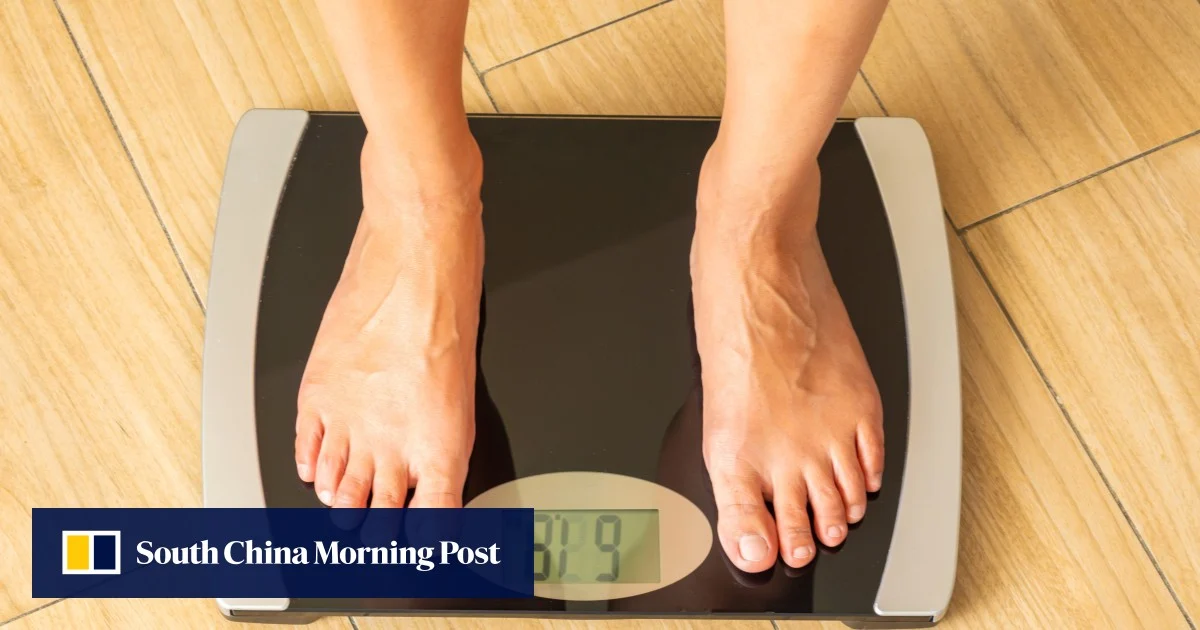
Getting a little less sleep each night may have a bigger impact on your health than you realize. Researchers at Columbia University Vagelos College of Physicians and Surgeons found that adults who cut their nightly sleep by about 80 minutes for six weeks gained an average of one pound and spent more time being inactive.
The findings add to growing evidence that consistently getting enough sleep may play an important role in preventing weight gain and lowering the risk of obesity related diseases.
"Our study shows that getting adequate sleep may help reduce the risk of weight gain and obesity-related conditions like heart disease and diabetes," says Marie-Pierre St-Onge, a professor of nutritional medicine in Columbia's Department of Medicine and Institute for Human Nutrition and study leader. "People tend to gain weight over the course of their adulthood, and obesity is a major risk factor for heart disease. But focusing on eating a healthier diet and getting more physical activity to offset weight gain is simplistic and can be difficult to maintain."
Looking Beyond Extreme Sleep Deprivation
Much of the previous research connecting poor sleep with obesity has focused on severe sleep deprivation, often limiting people to only four hours of sleep. Those studies have shown that extreme sleep loss can increase appetite and overeating, factors that contribute to weight gain.