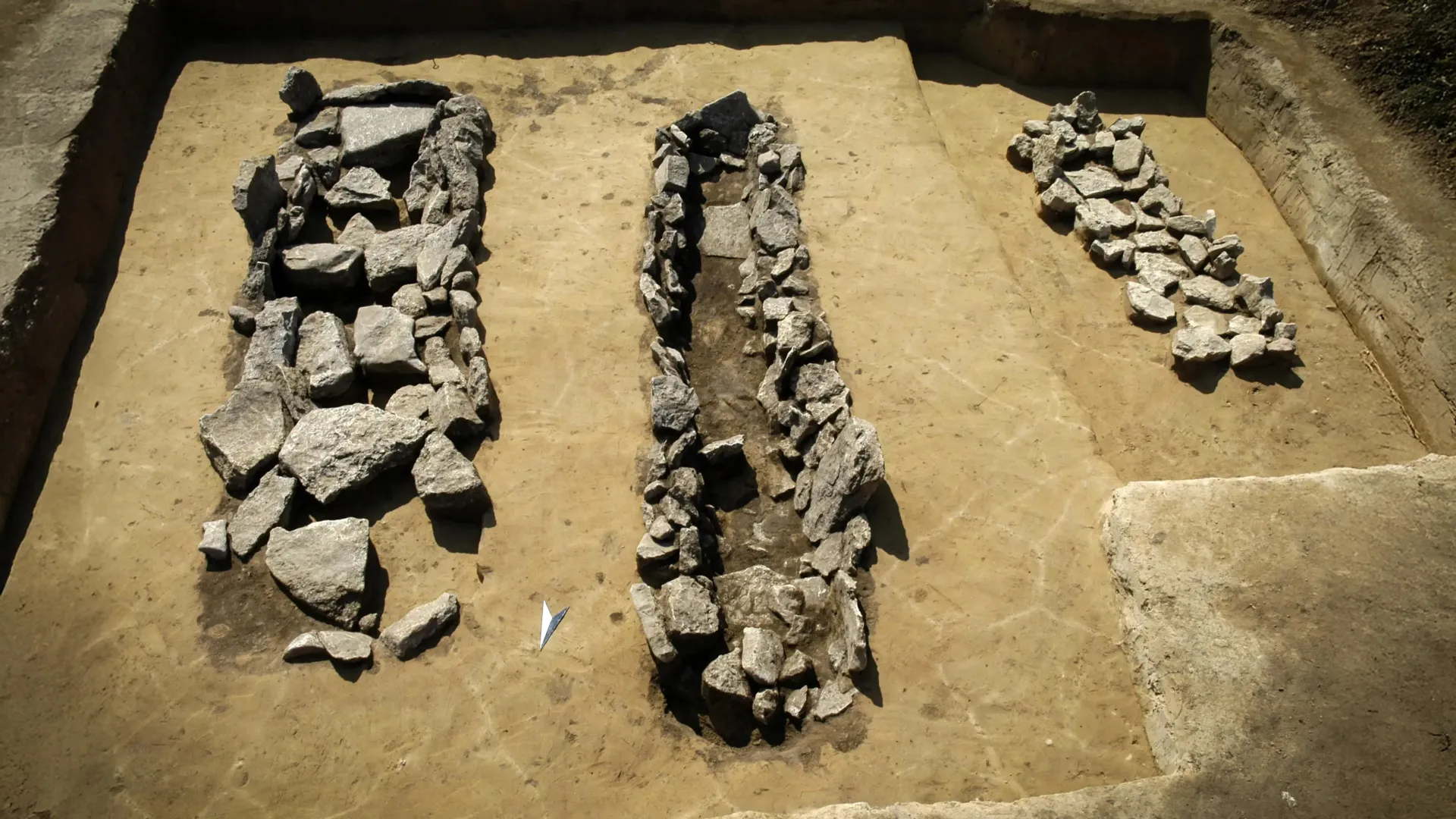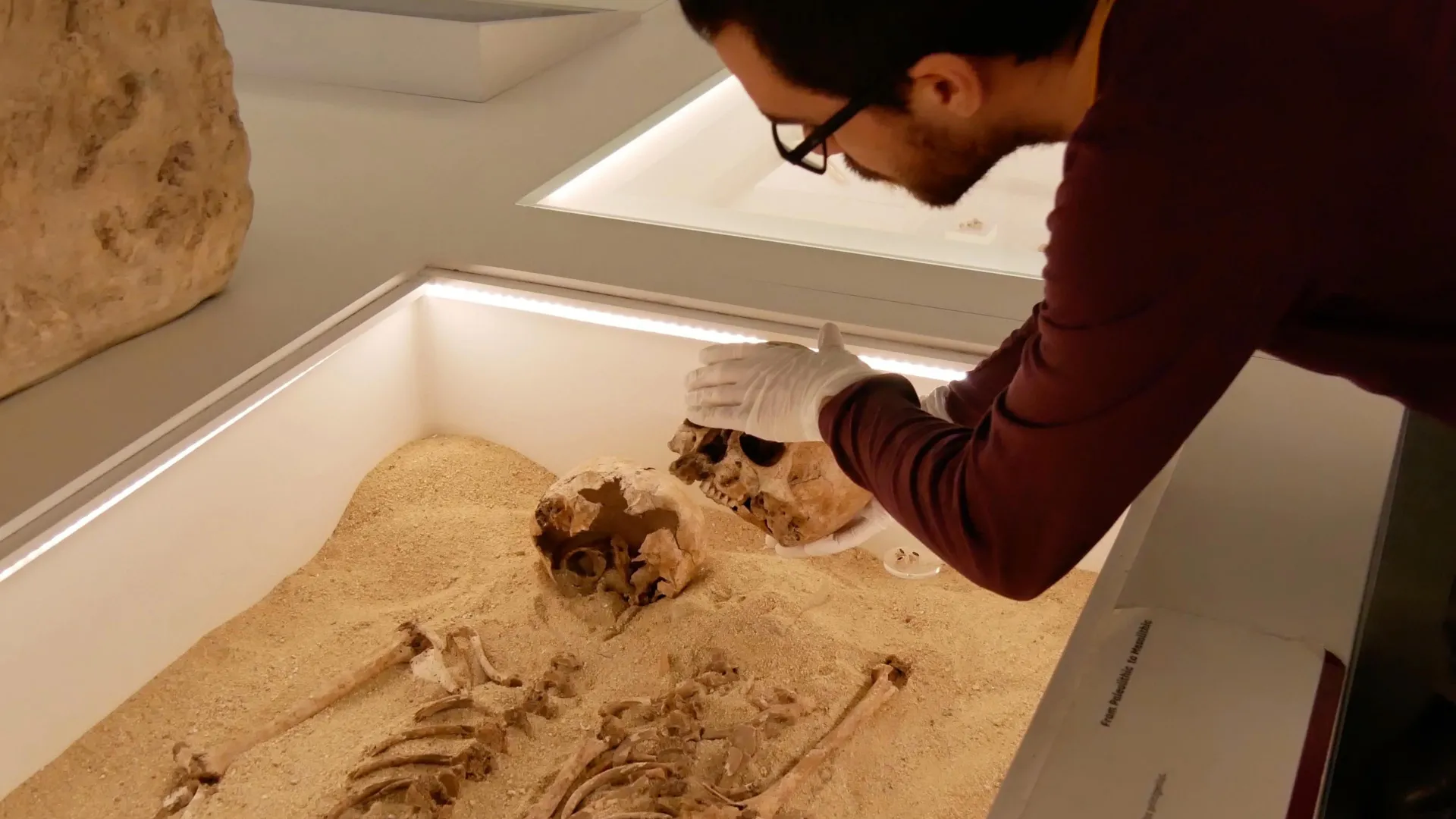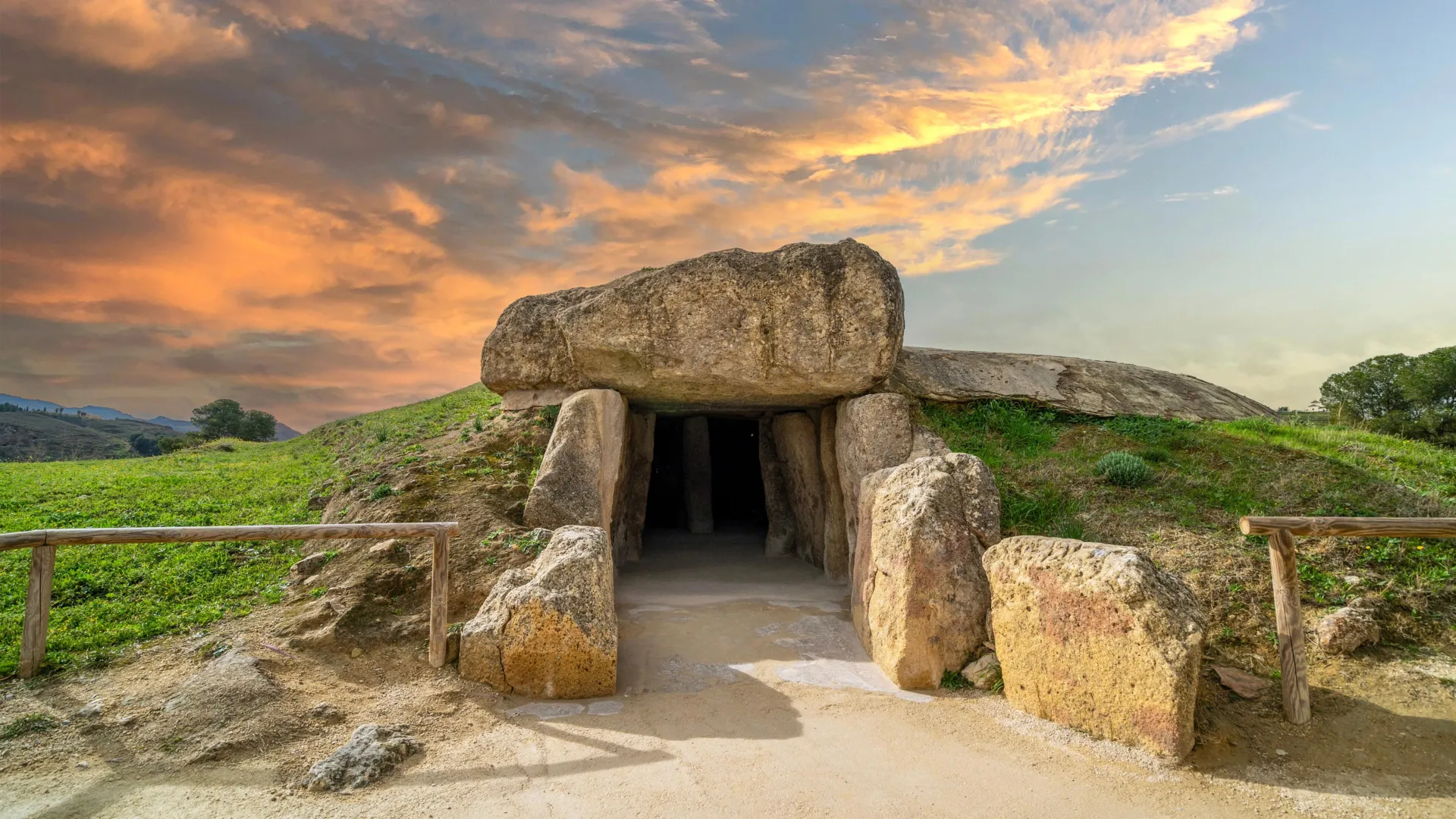
A genetic study of 132 people buried in a large megalithic tomb near Bury, about 50 kilometers north of Paris, has uncovered evidence of a dramatic population collapse and replacement during the Stone Age. The findings, published in Nature Ecology & Evolution, show that the burial site was used during two separate periods, divided by a major population decline around 3000 BC.
DNA analysis revealed that the people buried before and after the collapse were not closely related, indicating that the original population largely disappeared and was replaced by newcomers.
"We see a clear genetic break between the two periods," said Frederik Valeur Seersholm, assistant professor at the Globe Institute at the University of Copenhagen and one of the lead authors of the study.
"The earlier group resembles Stone Age farming populations from northern France and Germany, while the later group shows strong genetic links to southern France and the Iberian Peninsula."
The results suggest that the local population shrank dramatically before new groups migrated north and settled in the region.