A major new study is shedding light on everyday life in Central Europe during the Late Bronze Age (ca. 1300-800 BCE), a period known as the Urnfield culture that saw major social and cultural shifts, including the widespread practice of cremation.
Published in Nature Communications, the research combines archaeology, ancient DNA analysis, isotope studies, and skeletal evidence to reconstruct how people lived, moved, ate, and buried their dead roughly 3,000 years ago. Because cremation destroys much of the biological material scientists typically study, this era has long been difficult to investigate in detail.
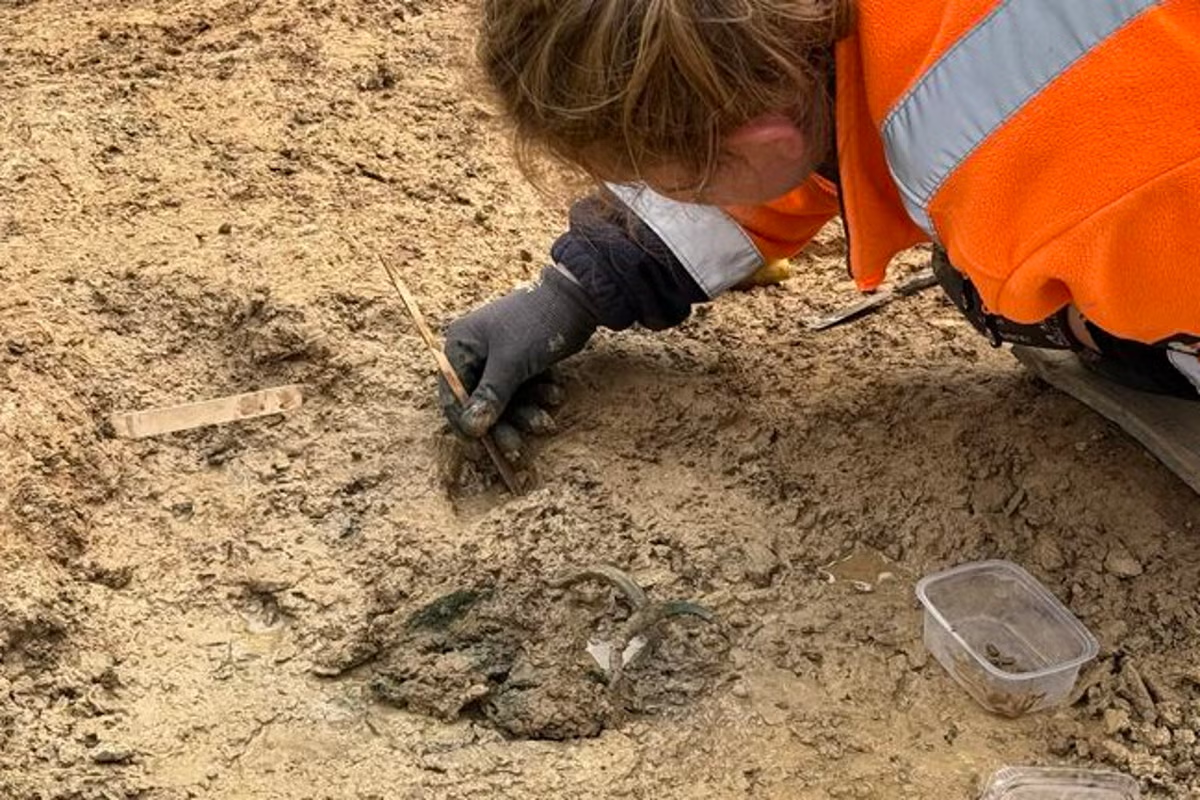
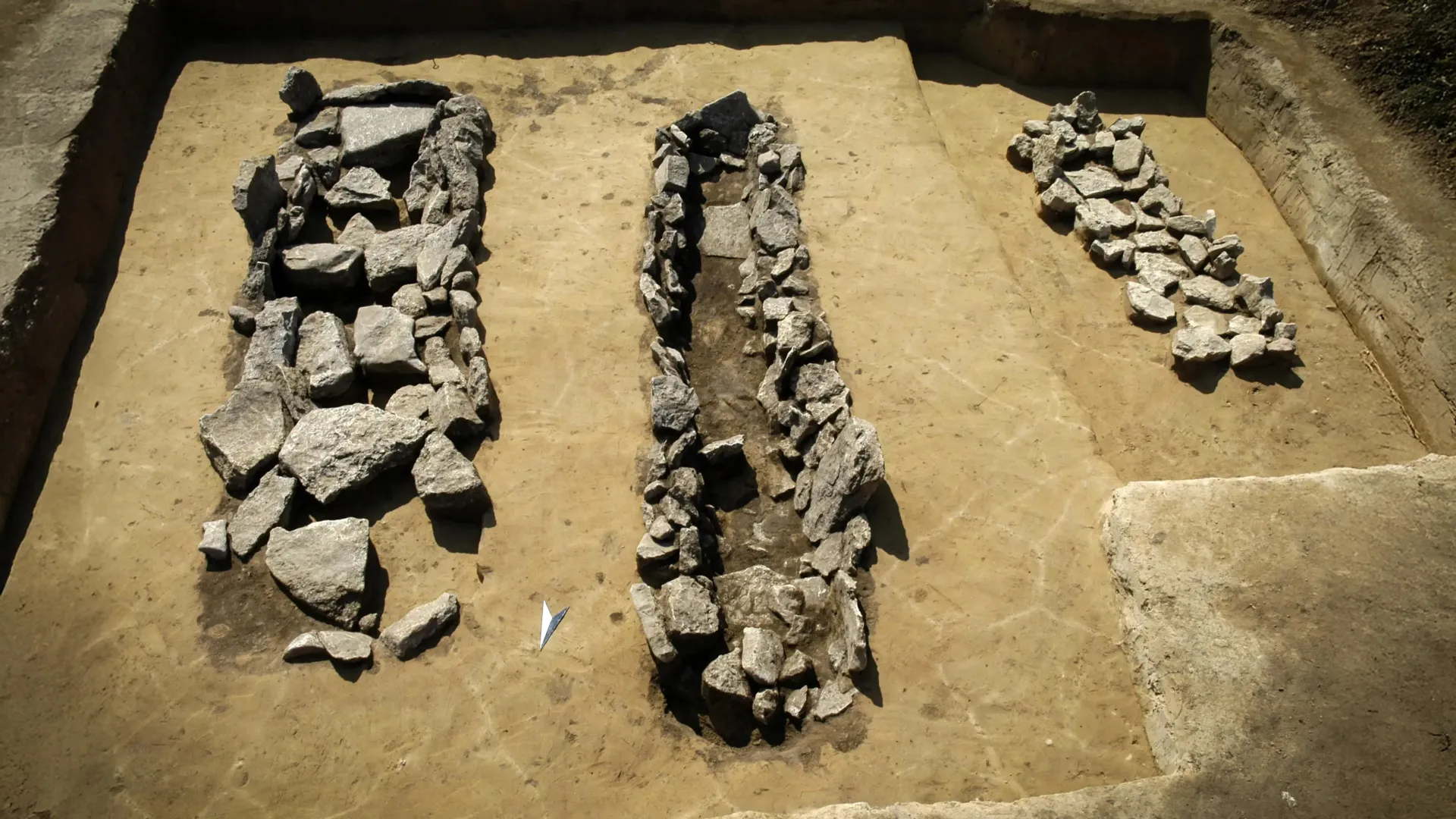
To overcome that challenge, an international team of researchers focused on rare non cremated burials discovered in Germany, Czechia, and Poland. They also analyzed cremated remains from sites in Central Germany, including Kuckenburg and Esperstedt, which were excavated by the State Office for Heritage Management and Archaeology Saxony-Anhalt.
Ancient DNA Reveals Gradual Change
The researchers examined ancient DNA, stable oxygen and strontium isotopes, and skeletal remains from the burials. They then compared the results with genetic data from nearby regions to better understand how communities changed over time.