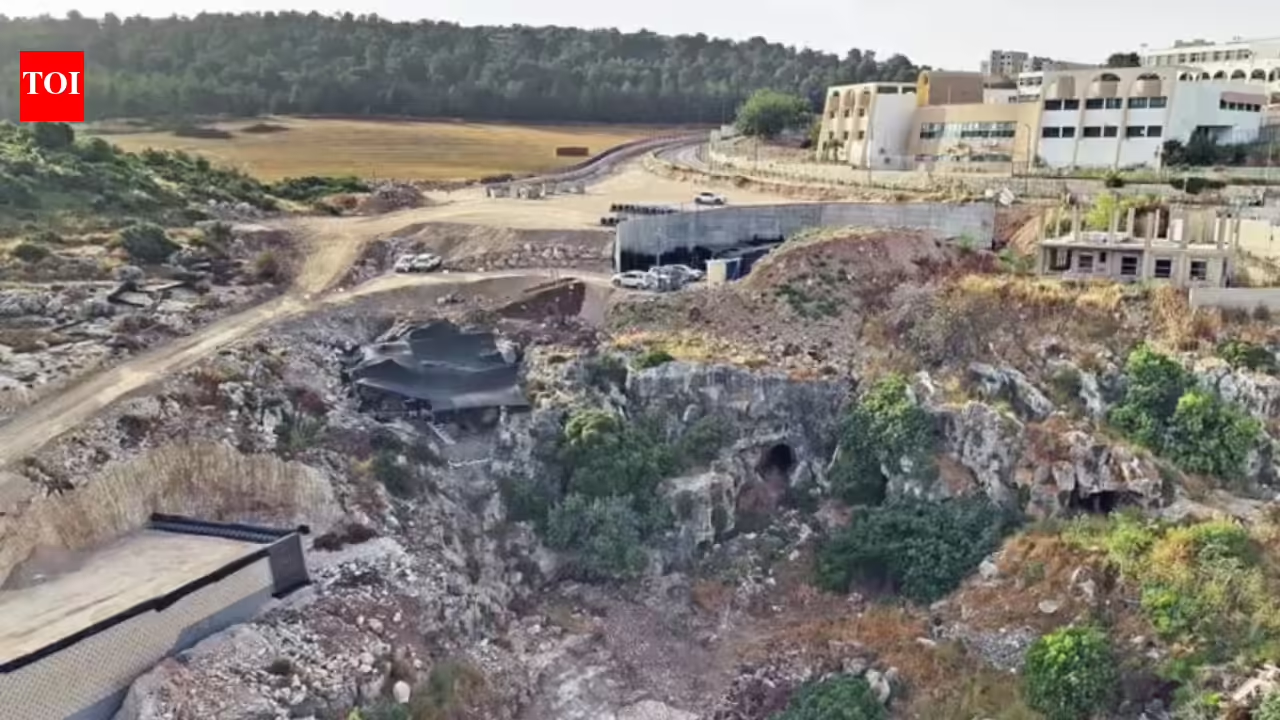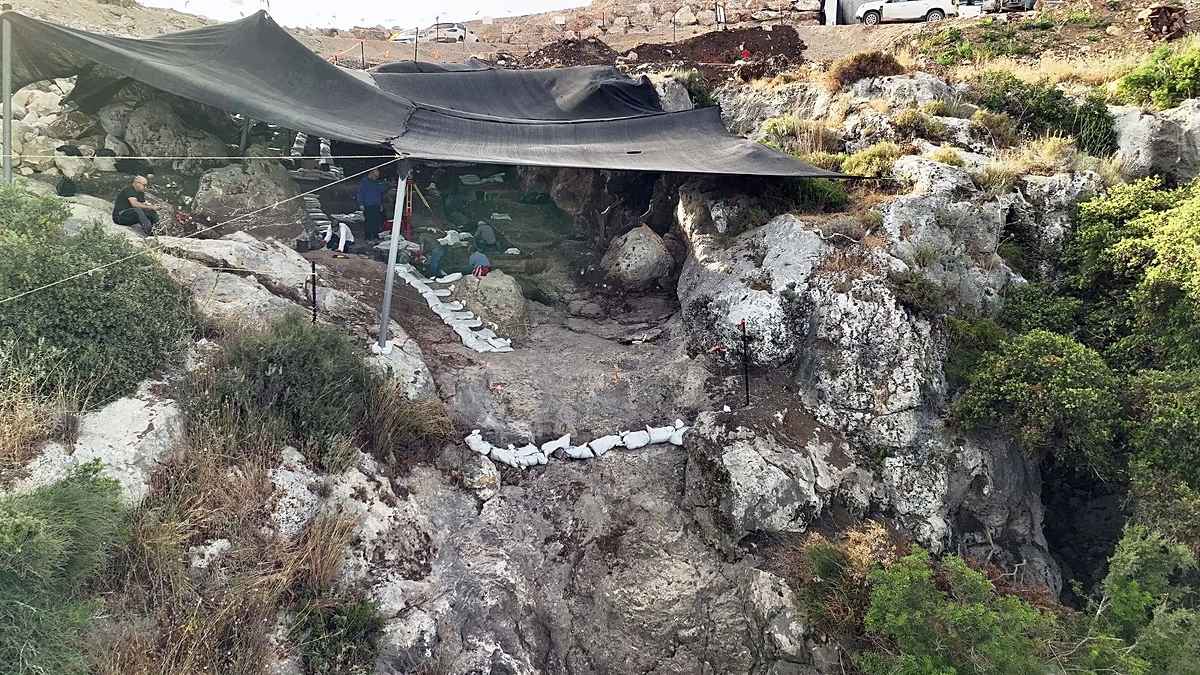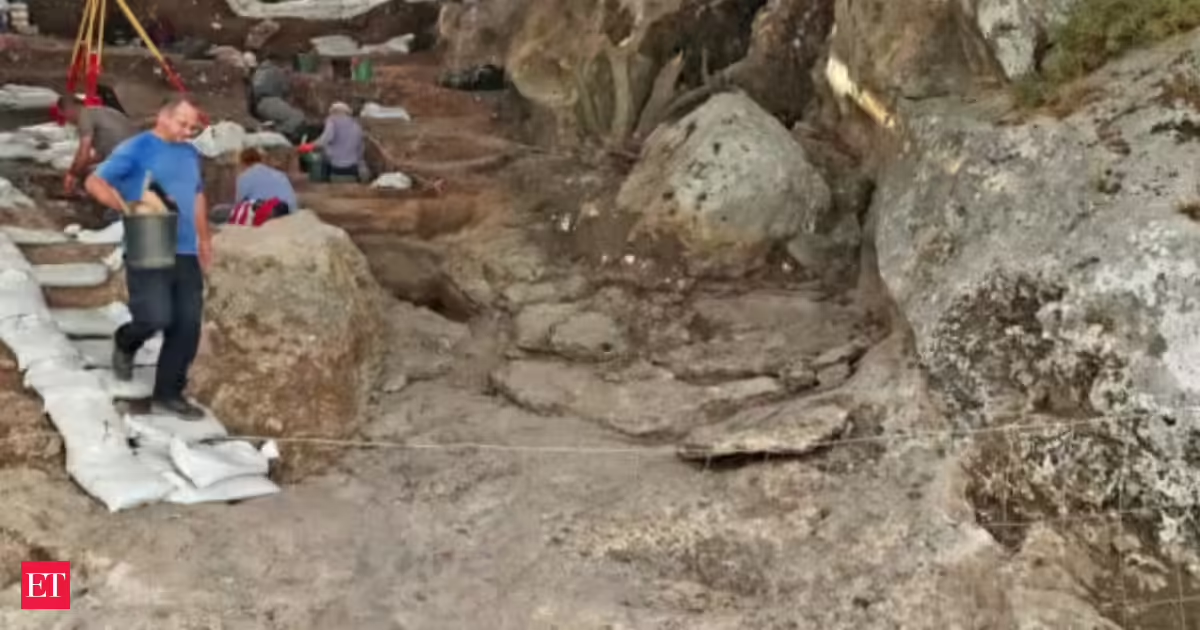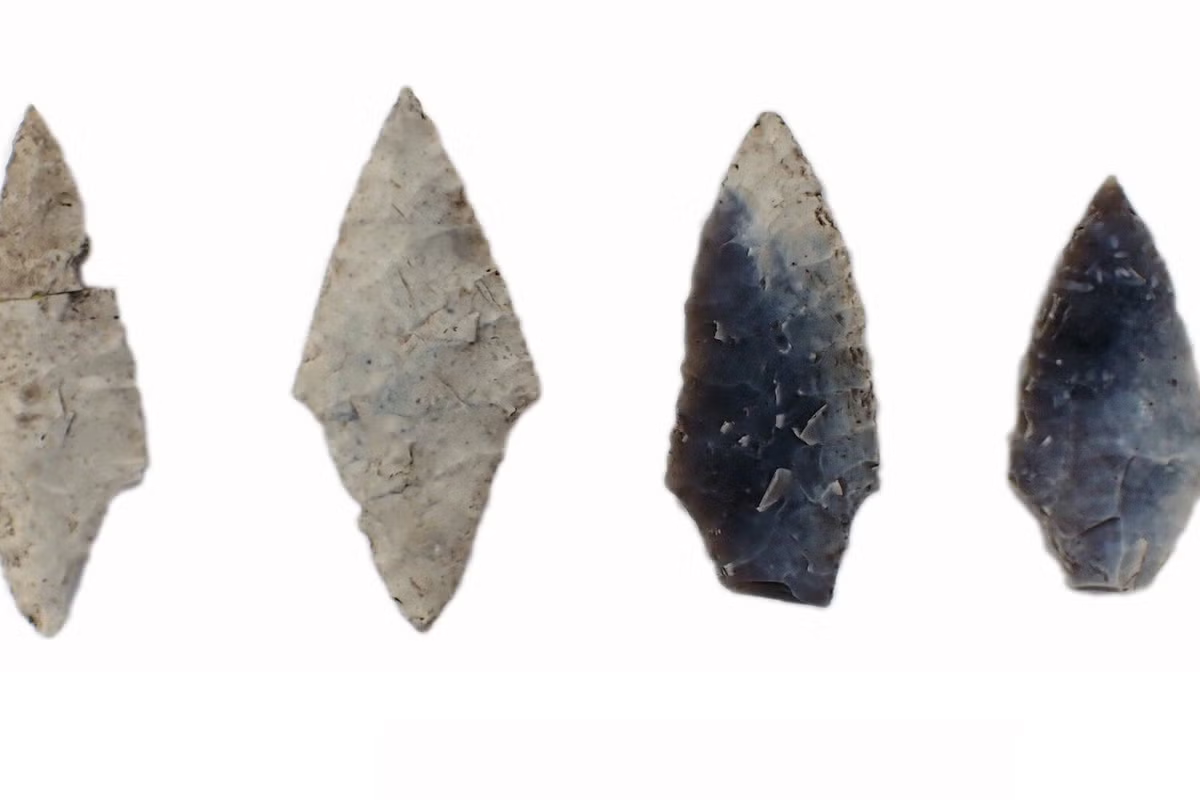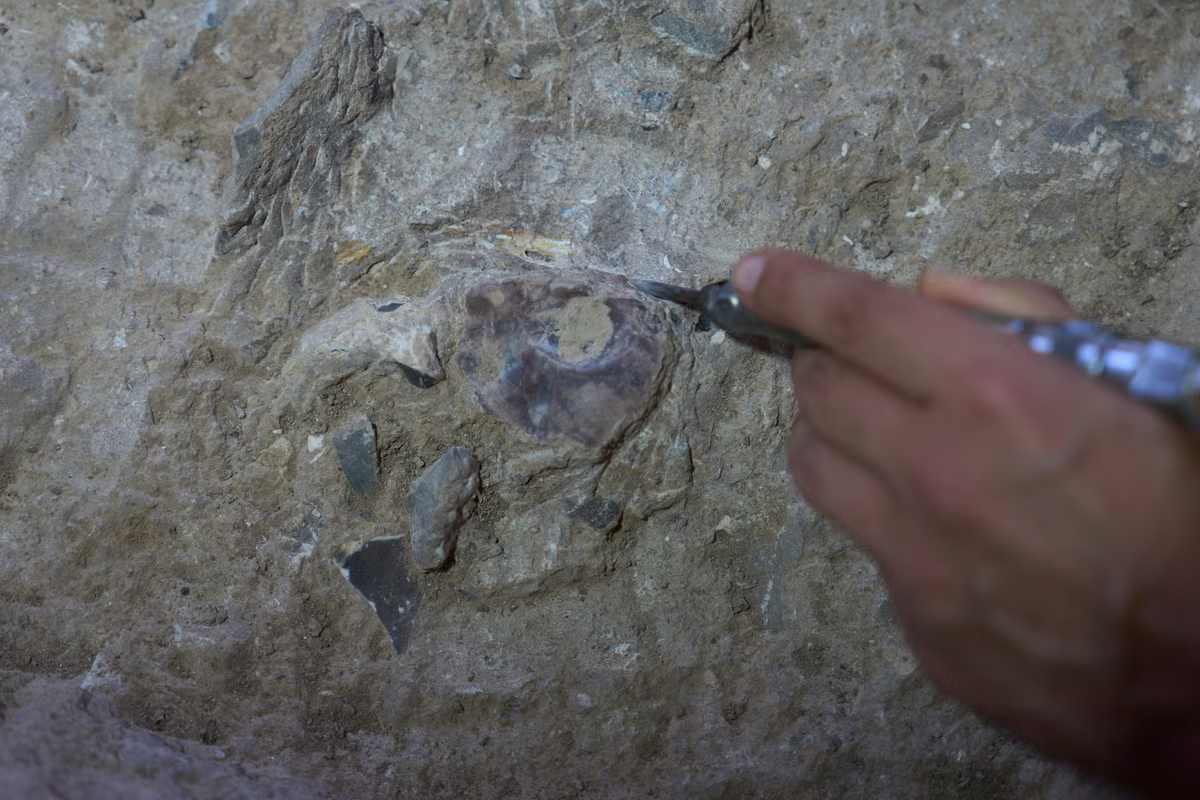
Stay up to date with notifications from The IndependentNotifications can be managed in browser preferences.Jump to contentThank you for registeringPlease refresh the page or navigate to another page on the site to be automatically logged inPlease refresh your browser to be logged inAllNewsSportCultureLifestyleArchaeologists in central Israel's Tinshemet Cave believe they have discovered one of the world's oldest grave sites, containing human remains dating back 100,000 to 110,000 years. The carefully arranged remains, found in pits and often in a foetal position, indicate intentional burial practices by early humans. Objects such as basalt pebbles, animal remains, and ochre fragments found alongside the skeletons suggest ceremonial rituals and an early understanding of spirituality or the afterlife. The exceptional preservation of bones, tools, and ornaments at Tinshemet Cave, due to ash and limestone, provides crucial insights into human evolution and behaviour during the Middle Paleolithic era. Experts say the discovery reinforces previous findings in the region, confirming a pattern of widespread burial practices and highlighting a significant shift in how early humans treated their dead. In fullSecrets of ancient burial practices revealed by cave discoveryThank you for registeringPlease refresh the page or navigate to another page on the site to be automatically logged inPlease refresh your browser to be logged in
One of the world’s oldest grave sites discovered in secluded cave
Stay up to date with notifications from The IndependentNotifications can be managed in browser preferences.Jump to contentThank you for registeringPlease refresh the page or navigate to another page on the site to be automatically logged inPlease refresh your browser to be logged inAllNewsSportCultureLifestyleArchaeologists in central Israel's Tinshemet Cave believe they have discovered one of the world's oldest grave sites, containing human remains dating back 100,000 to 110,000 years. The carefully arranged remains, found in pits and often in a foetal position, indicate intentional burial practices by early humans. Objects such as basalt pebbles, animal remains, and ochre fragments found alongside the skeletons suggest ceremonial rituals and an early understanding of spirituality or the afterlife. The exceptional preservation of bones, tools, and ornaments at Tinshemet Cave, due to ash and limestone, provides crucial insights into human evolution and behaviour during the Middle Paleolithic era. Experts say the discovery reinforces previous findings in the region, confirming a pattern of widespread burial practices and highlighting a significant shift in how early humans treated their dead. In fullSecrets of ancient burial practices revealed by cave discoveryThank you for registeringPlease refresh the page or navigate to another page on the site to be automatically logged inPlease refresh your browser to be logged in