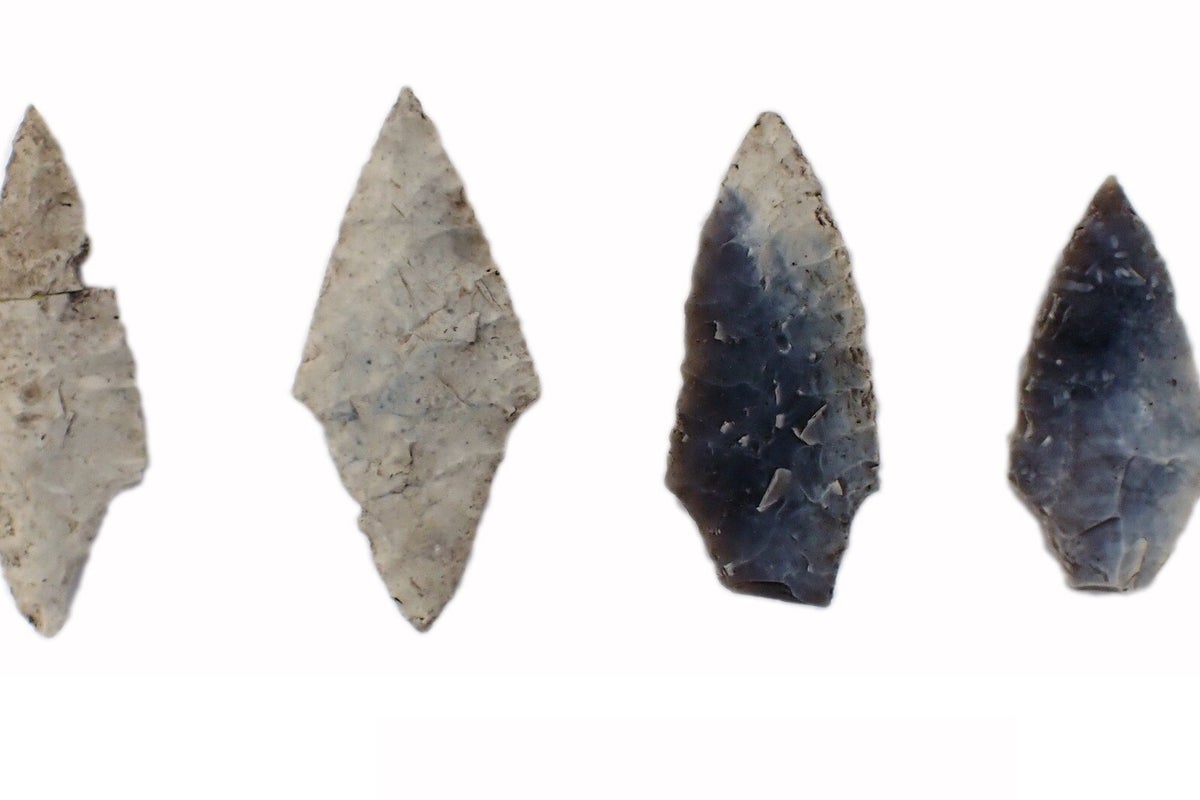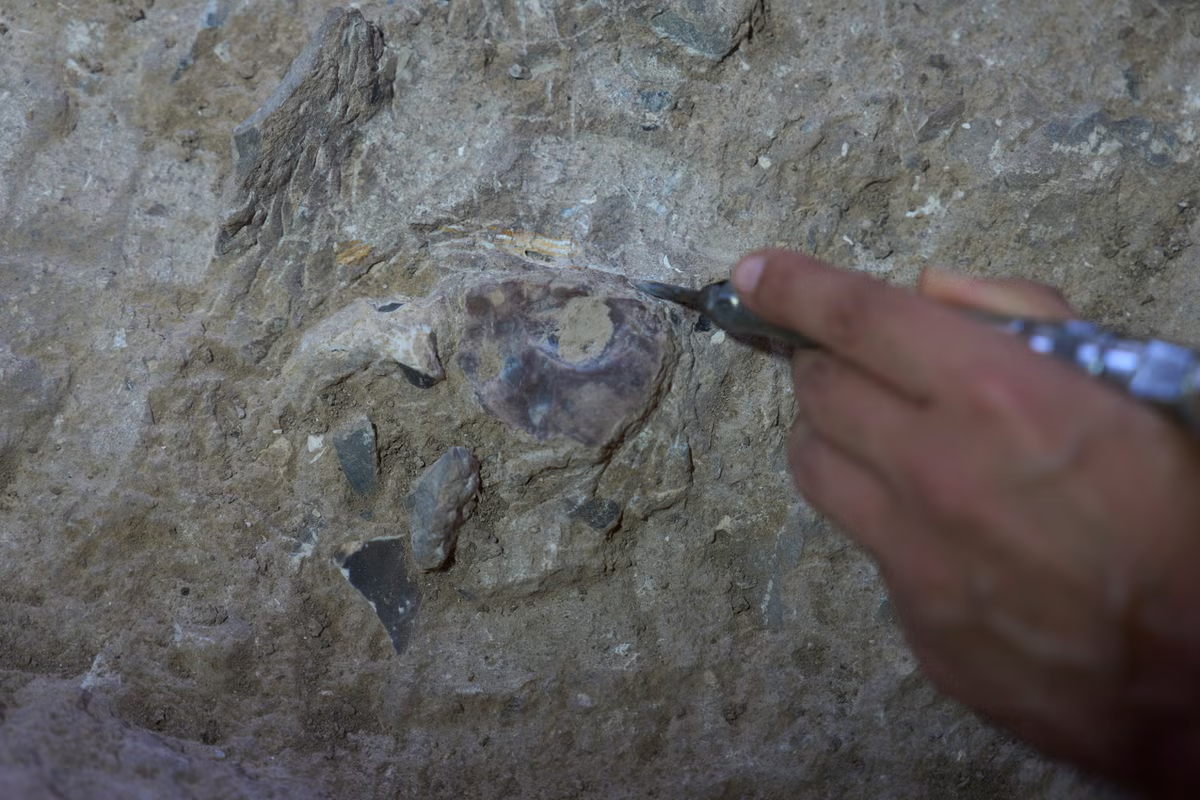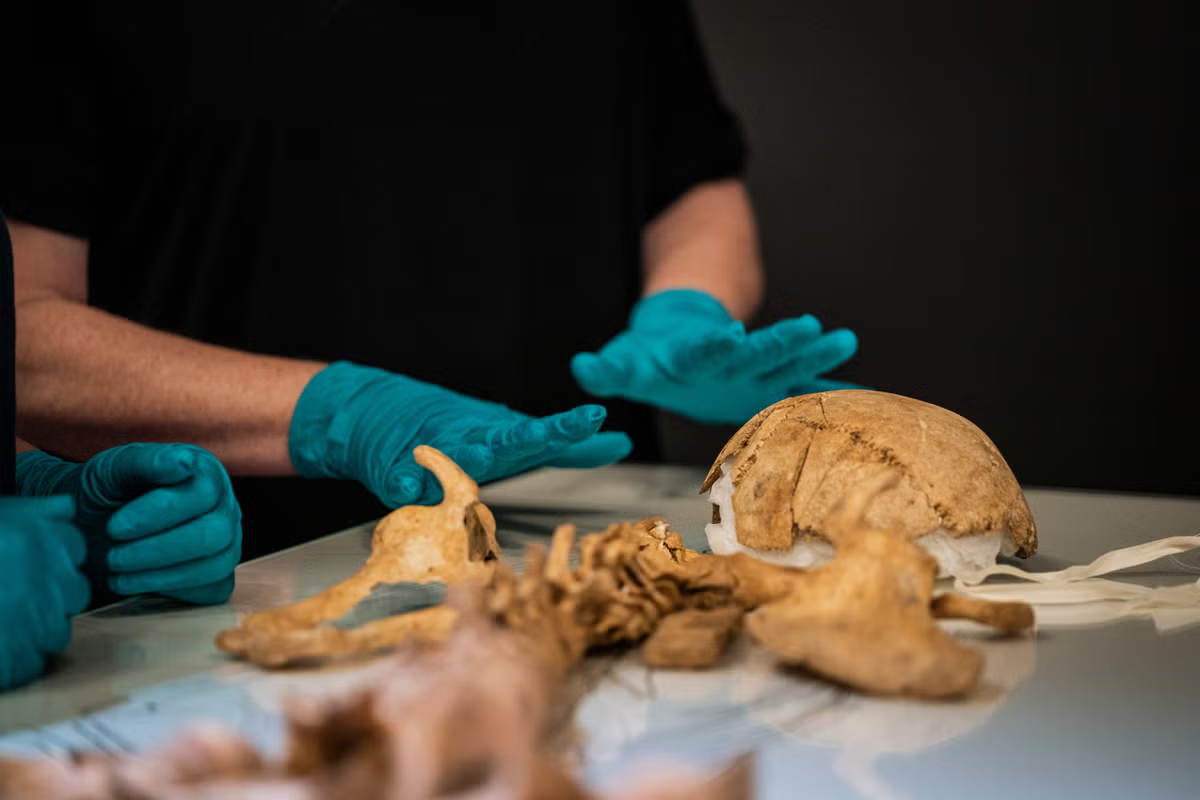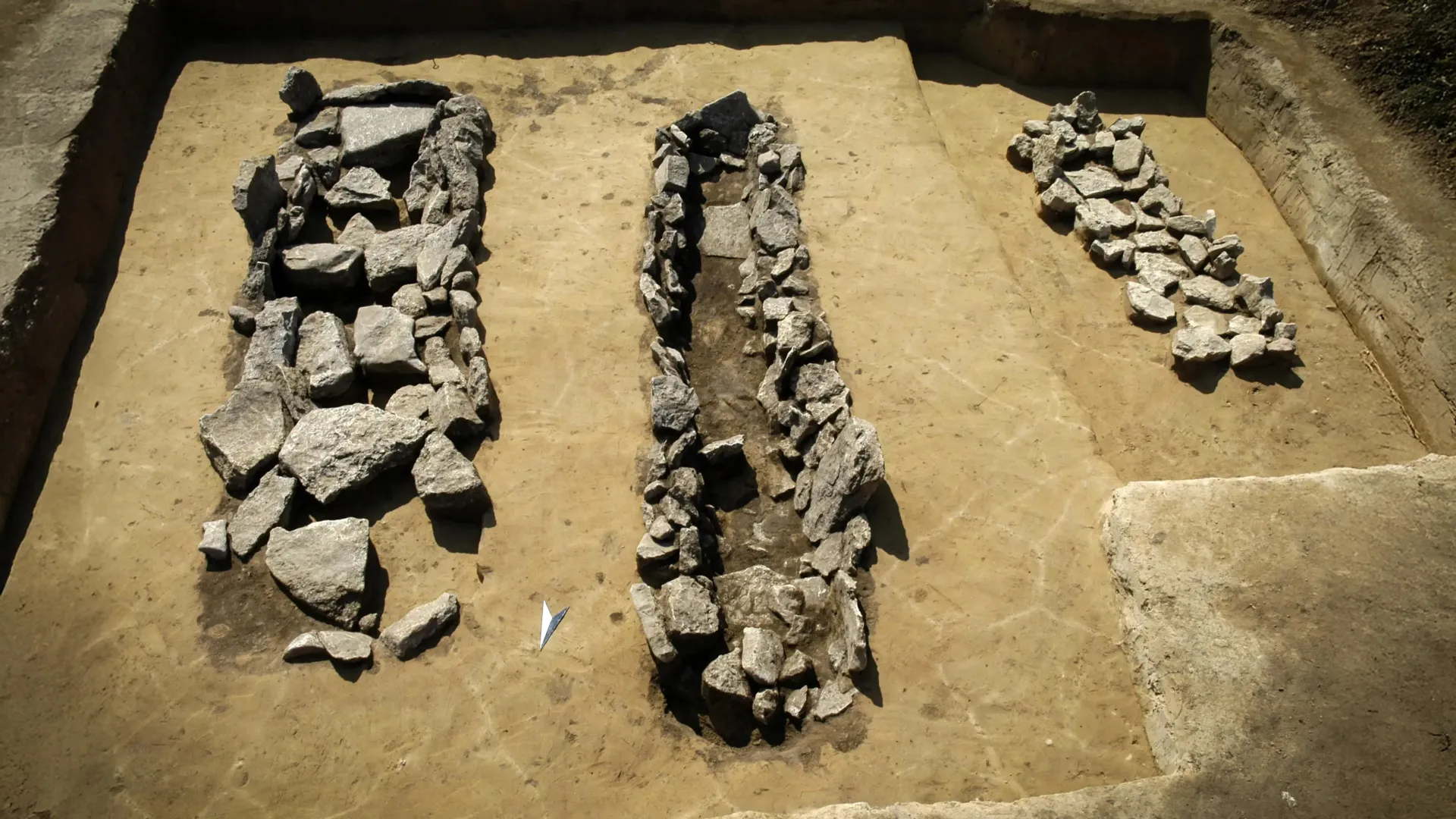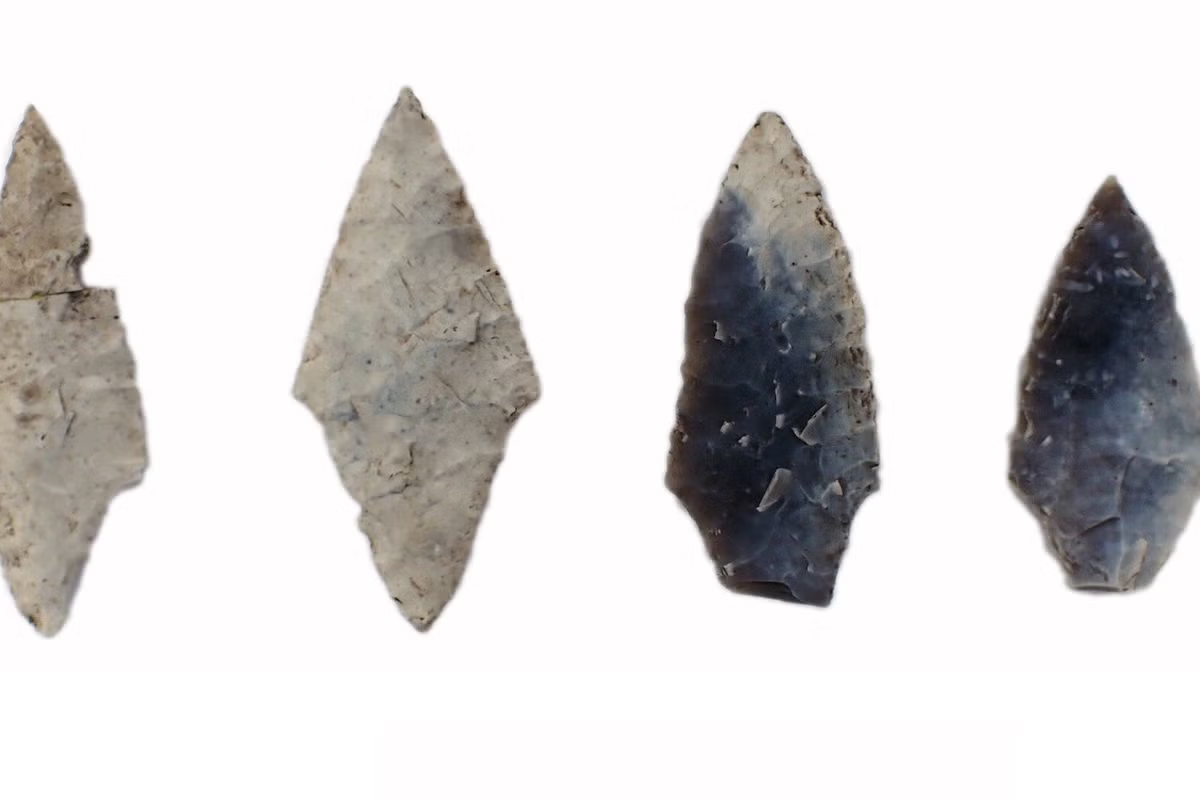
Stay up to date with notifications from The IndependentNotifications can be managed in browser preferences.Jump to contentThank you for registeringPlease refresh the page or navigate to another page on the site to be automatically logged inPlease refresh your browser to be logged inAllNewsSportCultureLifestyleAn excavation of a 5,000-year-old Stone Age burial site in northern Latvia challenges traditional views on gender roles. Analysis of remains at the Zvejnieki cemetery revealed that stone tools were buried with women and children, not exclusively with men as previously believed. This finding overturns the long-held stereotype of 'man the hunter' and redefines interpretations of societal roles in prehistoric Europe. Researchers used microscopic analysis to determine the tools were used for working animal hides, with some deliberately broken as part of funerary rites. The study highlights that women were as likely as men, and children and older adults were the most common age groups, to receive stone artefacts in burials. In fullAncient burial site upends what we knew about Stone Age women and childrenThank you for registeringPlease refresh the page or navigate to another page on the site to be automatically logged inPlease refresh your browser to be logged in
Gender stereotypes challenged by discovery at Stone Age burial site
Stay up to date with notifications from The IndependentNotifications can be managed in browser preferences.Jump to contentThank you for registeringPlease refresh the page or navigate to another page on the site to be automatically logged inPlease refresh your browser to be logged inAllNewsSportCultureLifestyleAn excavation of a 5,000-year-old Stone Age burial site in northern Latvia challenges traditional views on gender roles. Analysis of remains at the Zvejnieki cemetery revealed that stone tools were buried with women and children, not exclusively with men as previously believed. This finding overturns the long-held stereotype of 'man the hunter' and redefines interpretations of societal roles in prehistoric Europe. Researchers used microscopic analysis to determine the tools were used for working animal hides, with some deliberately broken as part of funerary rites. The study highlights that women were as likely as men, and children and older adults were the most common age groups, to receive stone artefacts in burials. In fullAncient burial site upends what we knew about Stone Age women and childrenThank you for registeringPlease refresh the page or navigate to another page on the site to be automatically logged inPlease refresh your browser to be logged in