When ancient DNA studies began to gain attention, little more than a decade ago, the view took hold among geneticists that everything we thought we knew about the peopling of Europe by modern humans was wrong. The story was simpler than anyone was expecting: Europe was settled in just three massive migrations from the east.
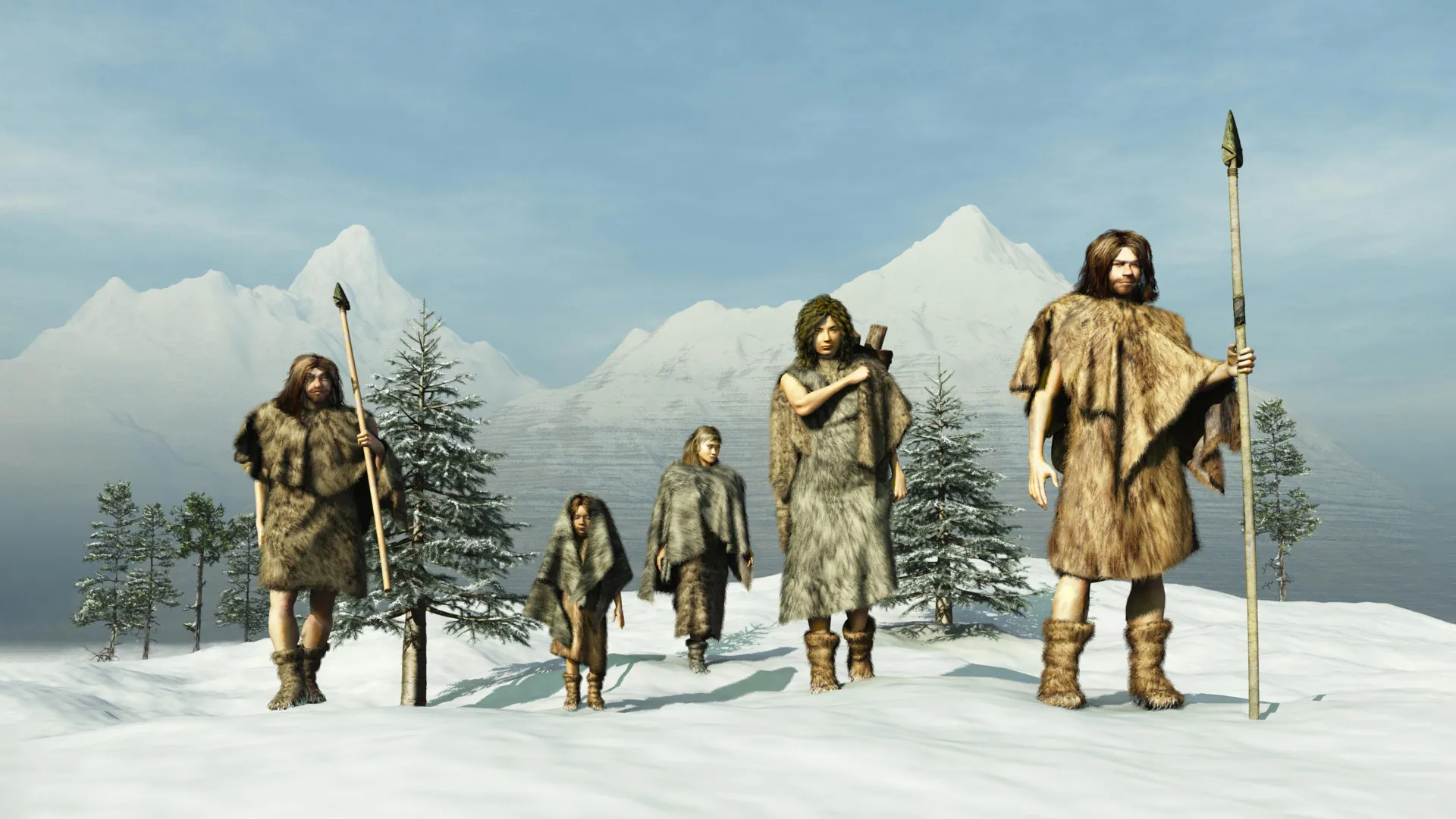
First came the hunter-gatherers, more than 40,000 years ago. Then, after 9,000 years ago, there was an expansion of farming people from Anatolia during the Neolithic age.
Finally, from 5,000 years ago, the Corded Ware people expanded out of the Russian steppe to inaugurate the European bronze age. The Corded Ware were named after the cord-like impressions in their pottery and carried a distinctive genetic signature previously absent from most of Europe. Genetically, most present-day Europeans have some of each.
This was always an over-simplification, however. Our new paper, produced with colleagues from the US and across Europe, has highlighted some of the more complex interactions between ancient populations that took place in north-west Europe.
Our research untangles the origins of prehistoric populations across Belgium and the Netherlands, as well as identifying the source population for a migration into Britain during the late Neolithic that seems to have led to a 90% replacement of Britain’s Neolithic farmers.