People moved back into the British Isles around 15,200 years ago after the last major ice sheet began retreating, according to new research. That timeline is nearly 500 years earlier than earlier estimates suggested.
The return of humans appears to have happened alongside a sharp increase in summer temperatures in southern Britain. At the time, Britain was still connected to mainland Europe, allowing people and animals to move across the landscape more easily.
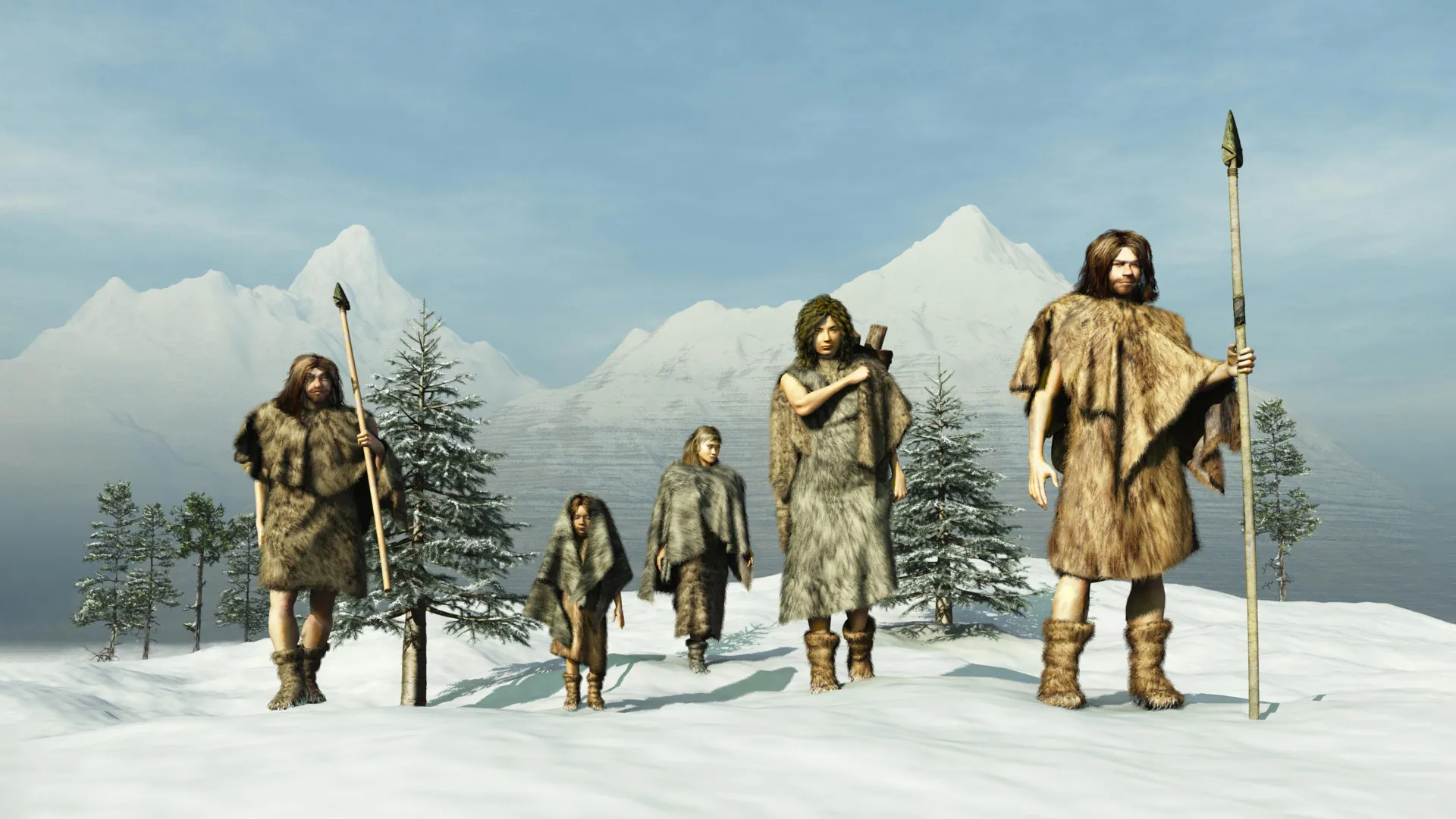
Early humans likely followed migrating herds of reindeer and horses northward into newly opened grasslands that could support grazing animals. These hunting opportunities, combined with warmer conditions, may have made the region livable again after long periods of extreme cold.
Following the last ice age, north-west Europe experienced at least two major shifts from colder to warmer climates. Scientists believe these temperature changes happened rapidly, possibly over only a few decades.
The latest study focused on the first warming period during the Late Upper Paleolithic era (14,000 to 11,000 years ago). During this time, people repeatedly abandoned and later returned to areas across north-west Europe as climate conditions changed dramatically.