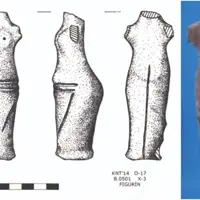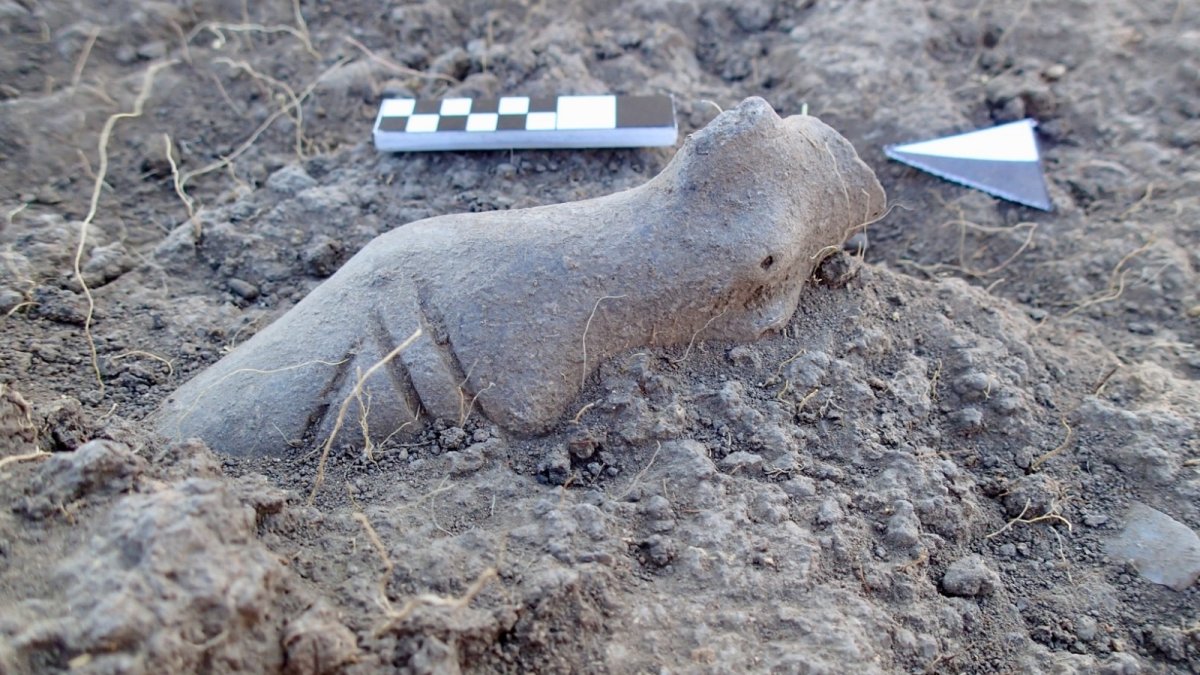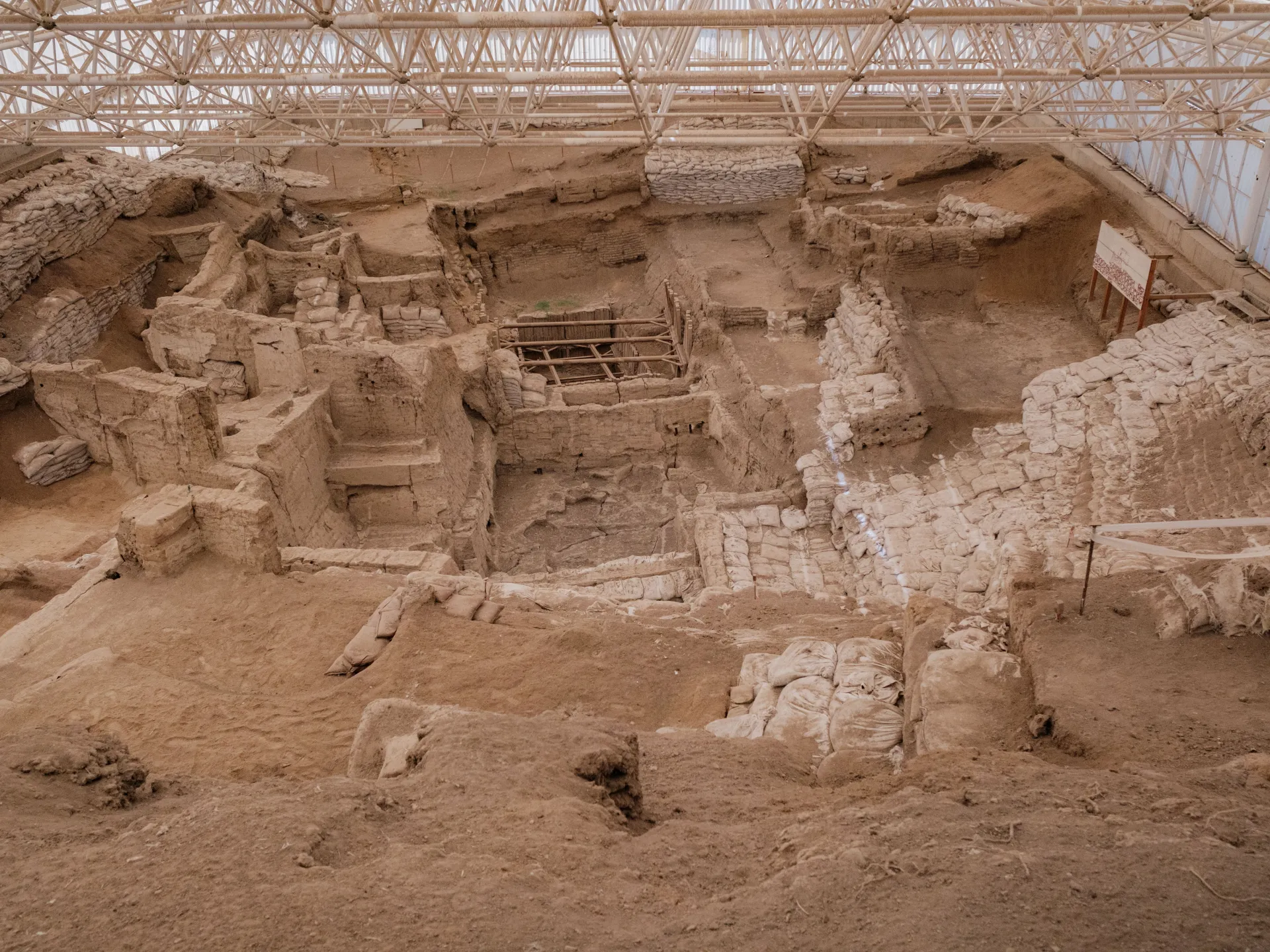
For more than six decades, Çatalhöyük has challenged archaeologists' assumptions about how the world's earliest farming communities were organised.
The vast Neolithic settlement in central Anatolia, occupied between roughly 7000 and 6000 BCE, has yielded thousands of burials, elaborate wall paintings, figurines, and densely packed mudbrick homes.
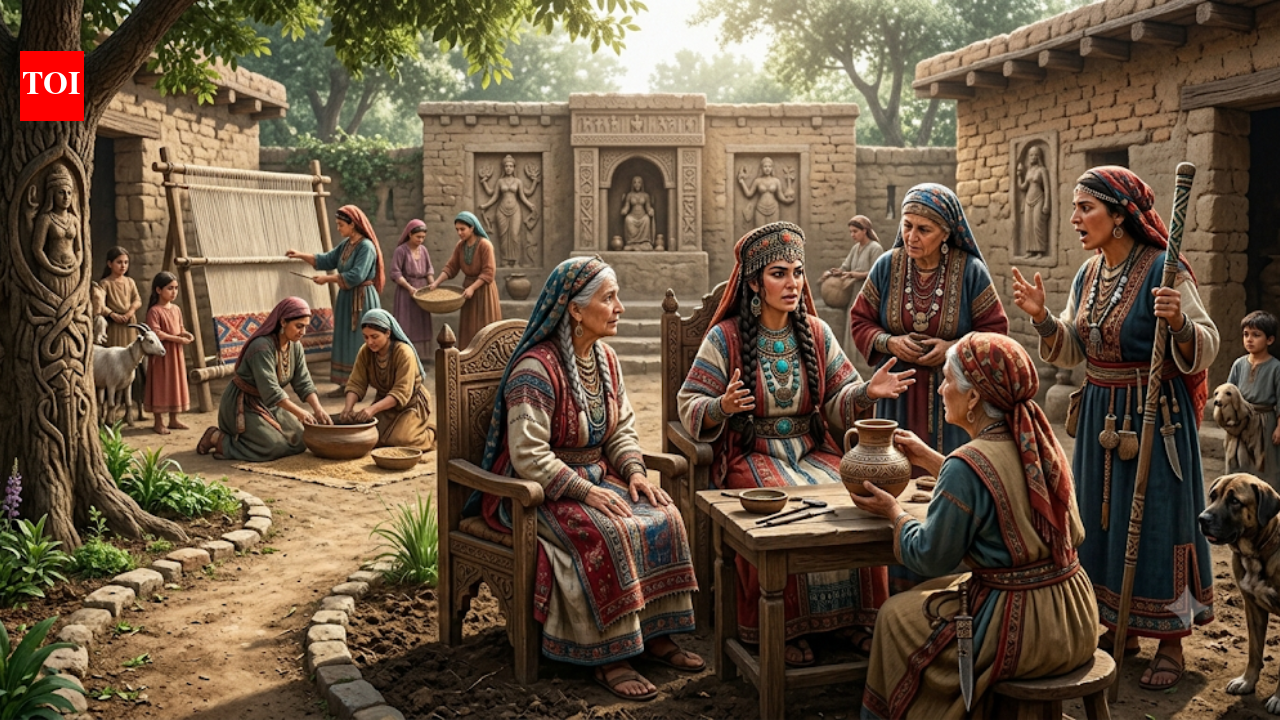
Yet one question remained unresolved: were women central to the community's social structure, or were earlier interpretations influenced by modern assumptions?A landmark genomic study has now provided the strongest evidence yet that kinship at Çatalhöyük was organised primarily through maternal lines.
By analysing 131 ancient genomes recovered from individuals buried beneath house floors, researchers found that female relatives formed the enduring social backbone of households, while males were more likely to move between residences.
The findings offer the oldest genetically documented example of a female-centred social organisation among early farming societies and are reshaping archaeological understanding of gender, kinship, and community life in the Neolithic world.Ancient DNA from 131 skeletons reveals maternal lineages shaped life at ÇatalhöyükThe study ‘Female lineages and changing kinship patterns in Neolithic Çatalhöyük’ combined palaeogenomics with decades of archaeological evidence from one of the world's best-preserved Neolithic settlements.