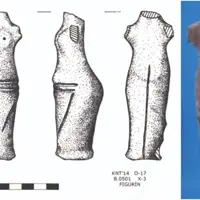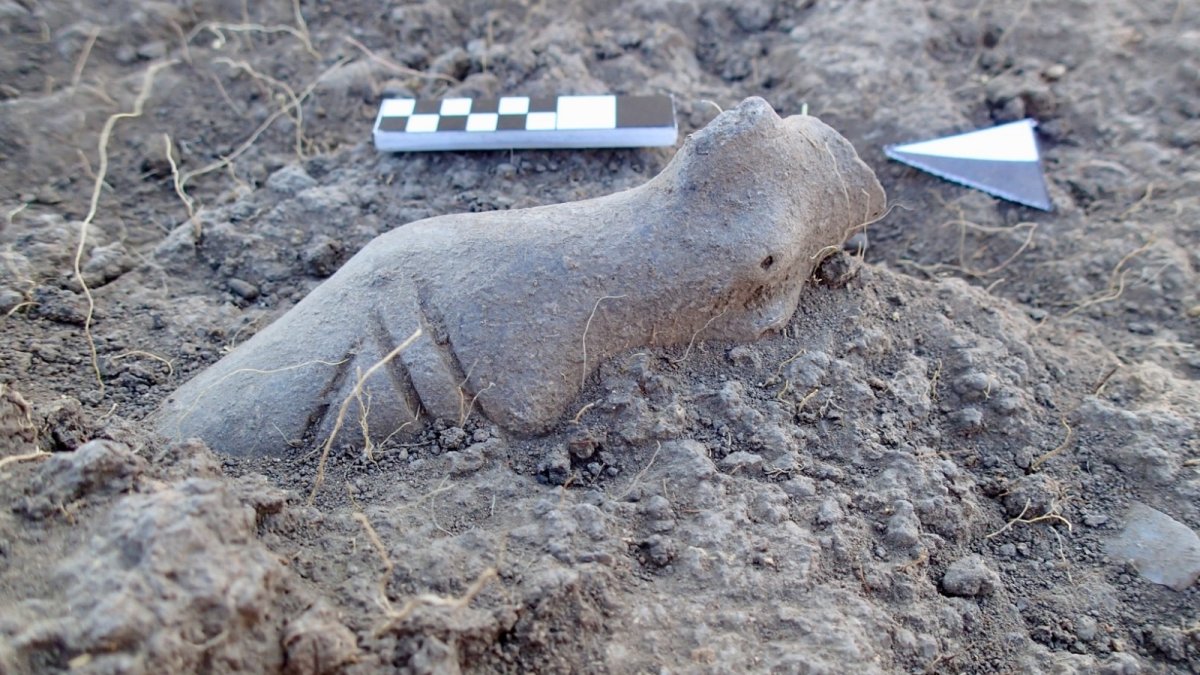
Archaeologists working at the mound of Kanlıtaş in northwestern Türkiye have uncovered four headless female figurines dating back approximately 8,000 years, offering new insight into Neolithic ritual practices involving building closure ceremonies.
The excavations at the site, located near the Inönü district of Eskişehir in the region of the Inner Western Anatolia region of Türkiye, have been ongoing since 2013 under the direction of Anadolu University. The site is considered one of the earliest known settlements in the region spanning modern-day Eskişehir, Afyonkarahisar and Kütahya.
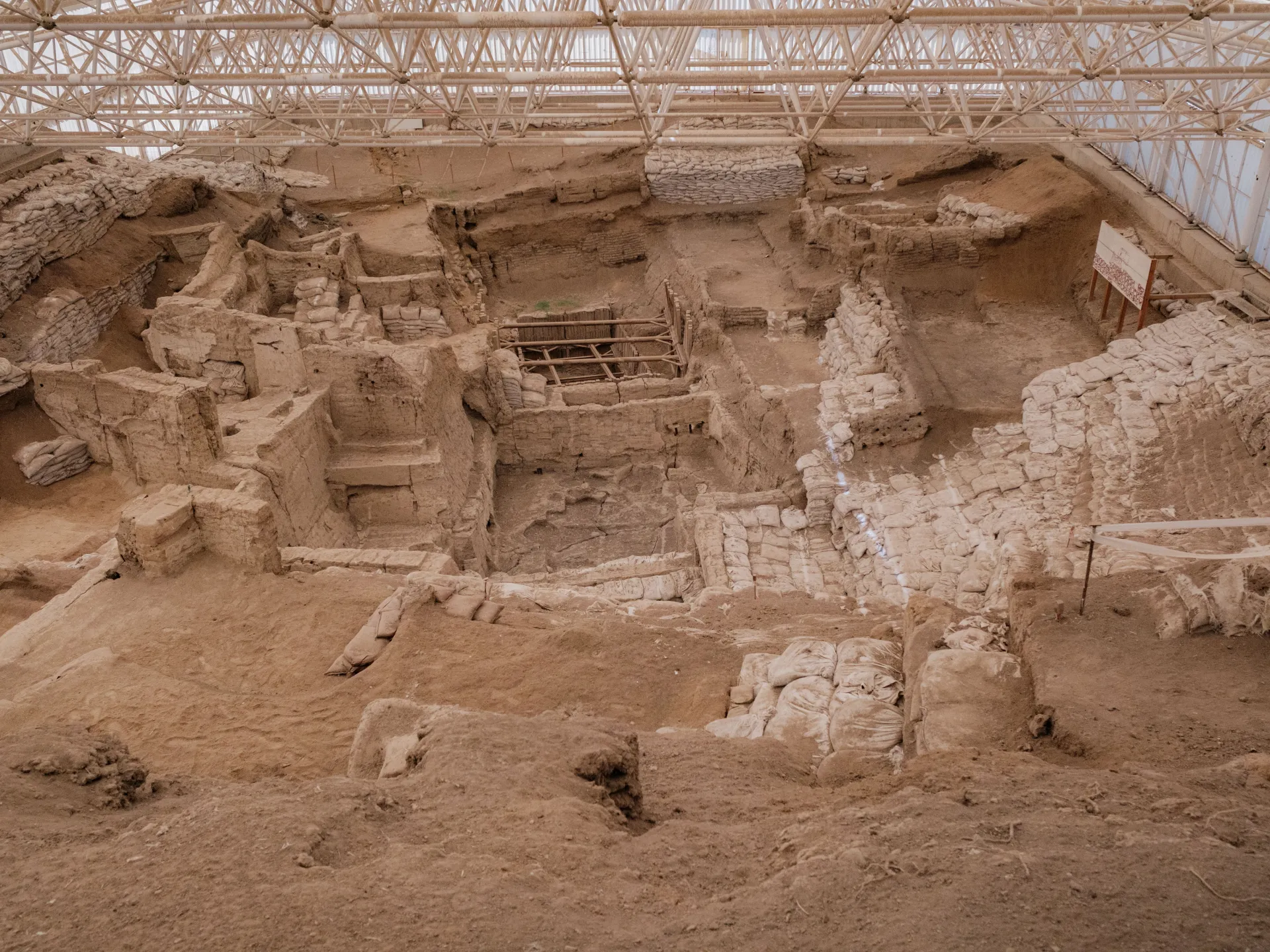
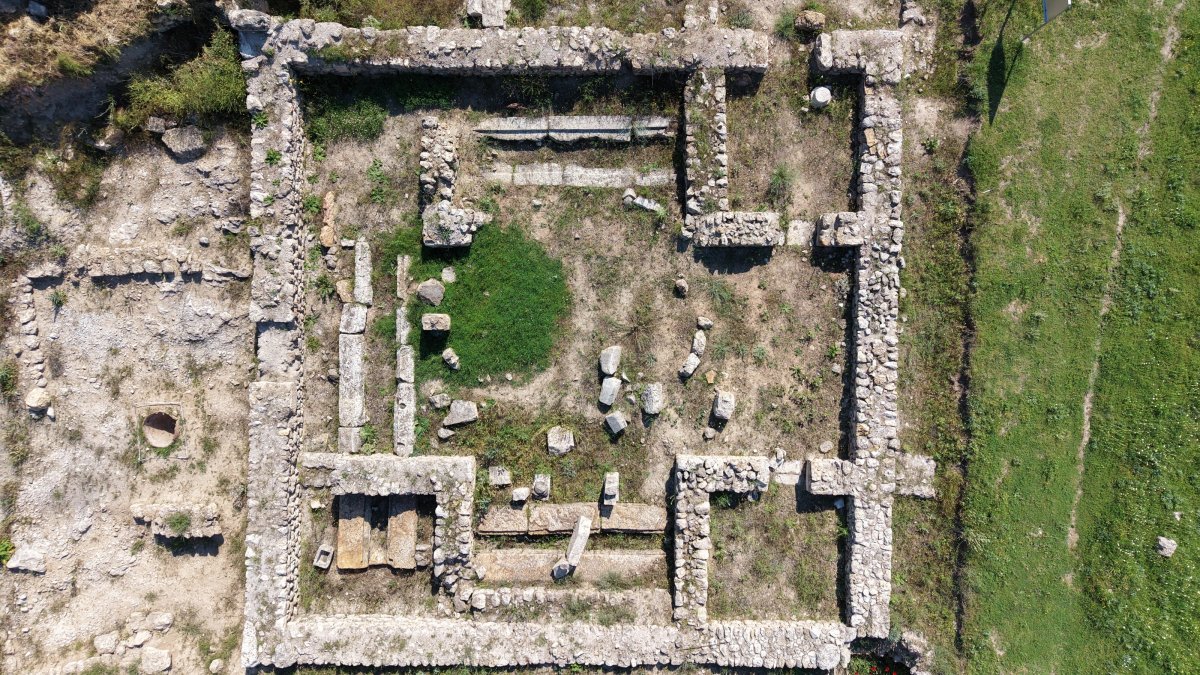
Professor Ali Umut Türkcan, head of the excavation team and a faculty member in the Department of Archaeology at Anadolu University, said the figurines were discovered within fill layers at the bases of rectangular-planned structures uncovered during the dig.
Researchers determined that the terracotta figurines, all depicting women, date to the final phase of the Neolithic period and may reflect ritual behaviors associated with the deliberate closure of buildings.
The largest of the figurines measures about 12 to 13 centimeters (roughly 5 inches) in length, while the others are typically around 5 to 6 centimeters.