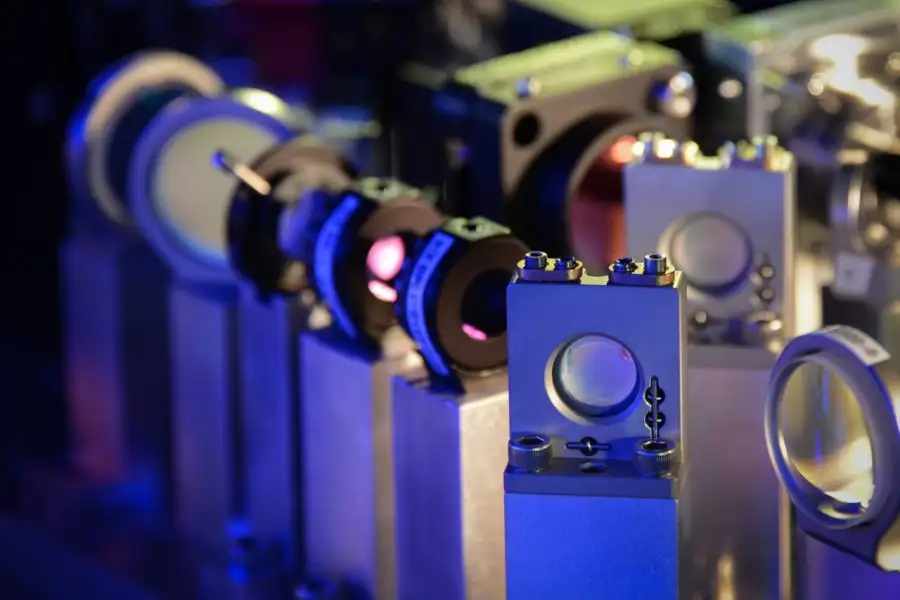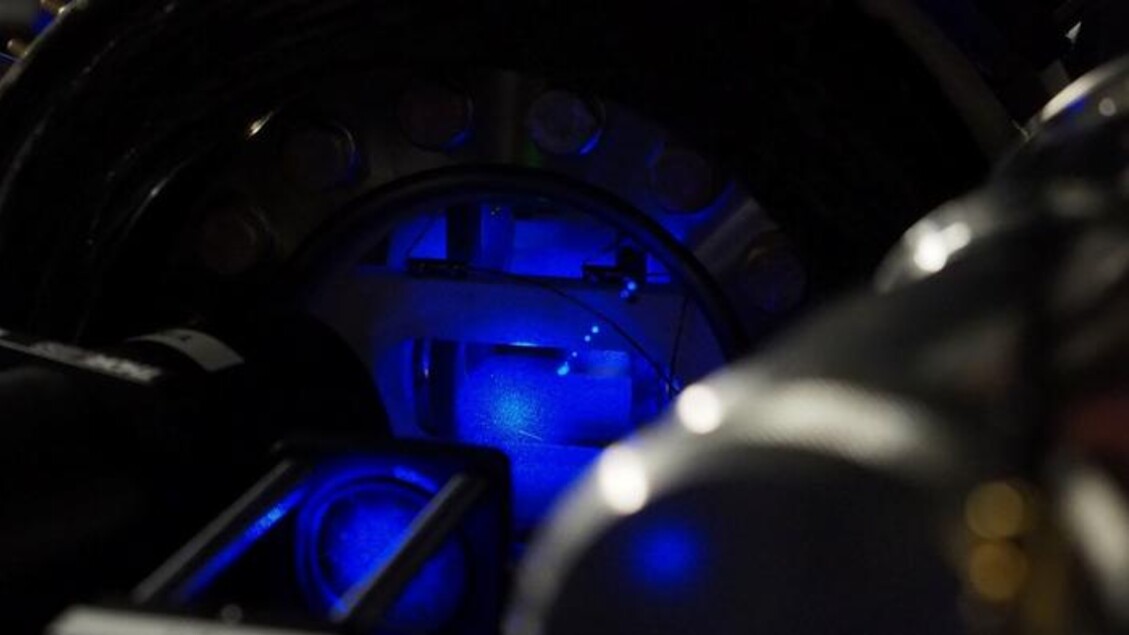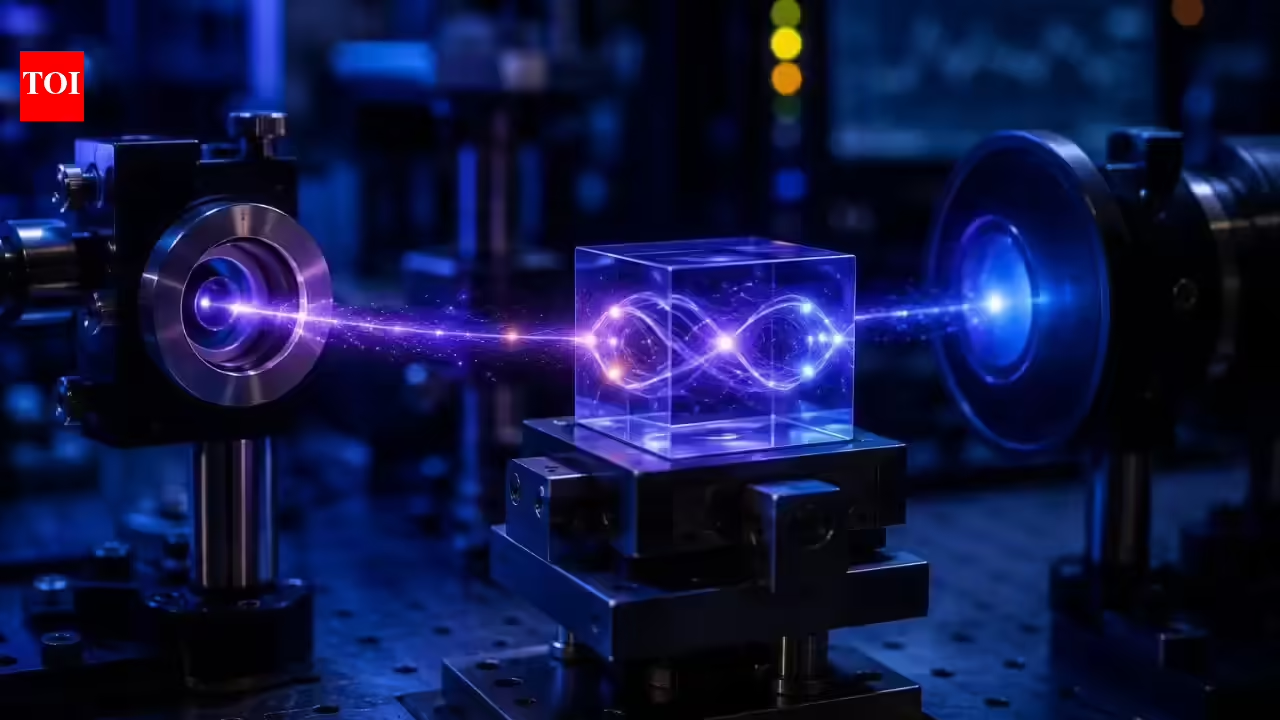
A prototype quantum sensor developed by researchers at Imperial College London has provided the first real-world demonstration that a crucial concept behind future quantum detectors can work outside of idealized laboratory assumptions.
The research showed that comparing two long-baseline atom interferometers, highly sensitive instruments that use lasers to track the motion of atoms, can effectively eliminate experimental noise. As a result, scientists can recover meaningful signals even when individual measurements appear completely overwhelmed.
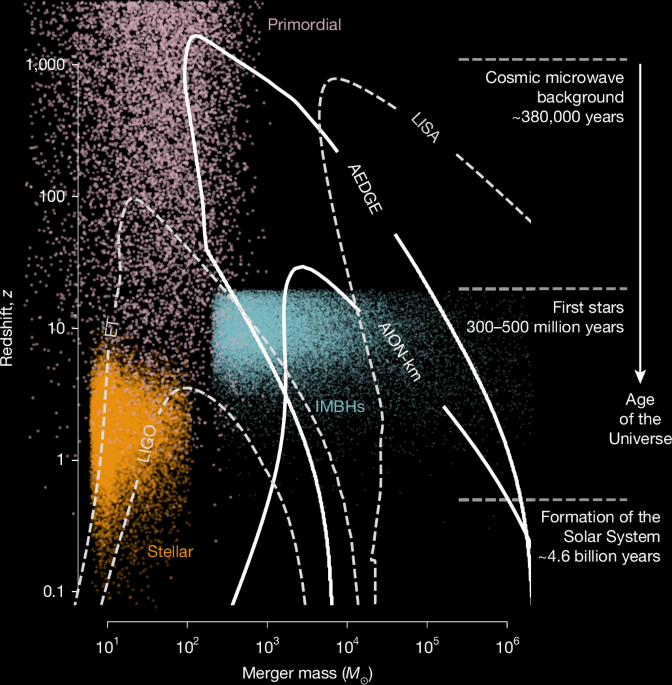
The advance could help pave the way for future searches for gravitational waves from the early universe and possible signs of exotic forms of dark matter.
The work is part of the Atom Interferometer Observatory and Network (AION), a UK-wide collaboration led by Imperial that is developing next-generation quantum sensing technologies.
The findings were published in Nature.