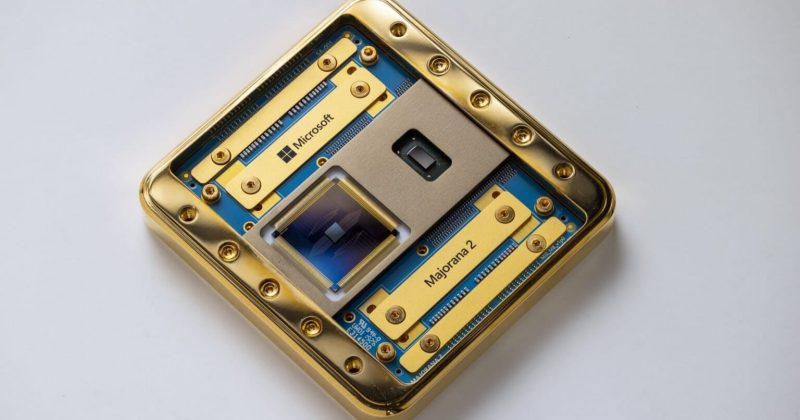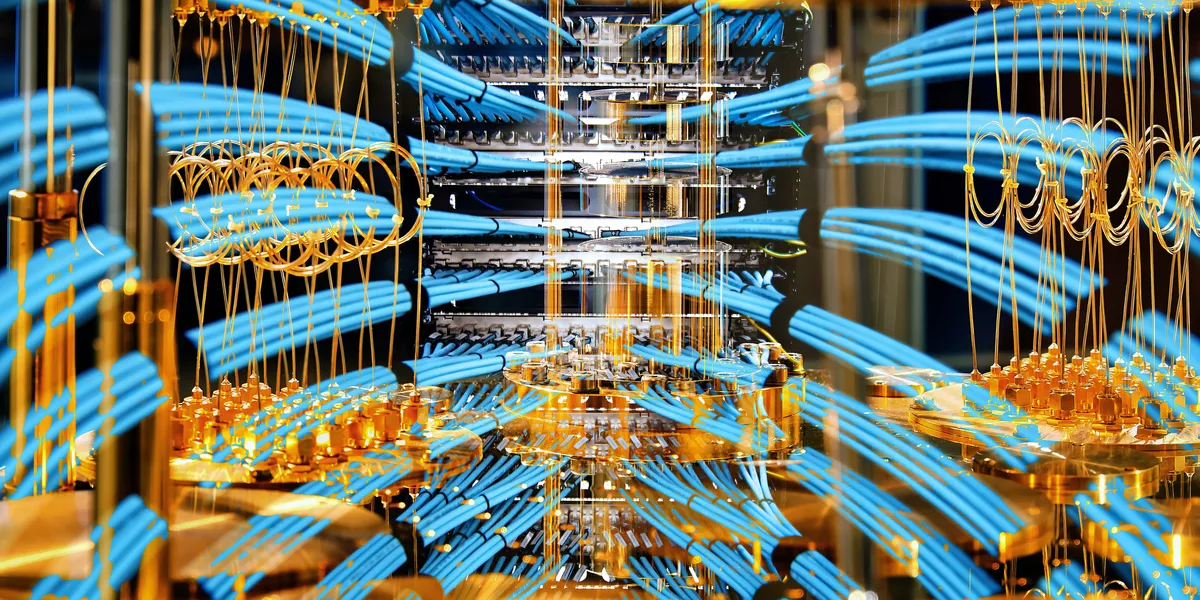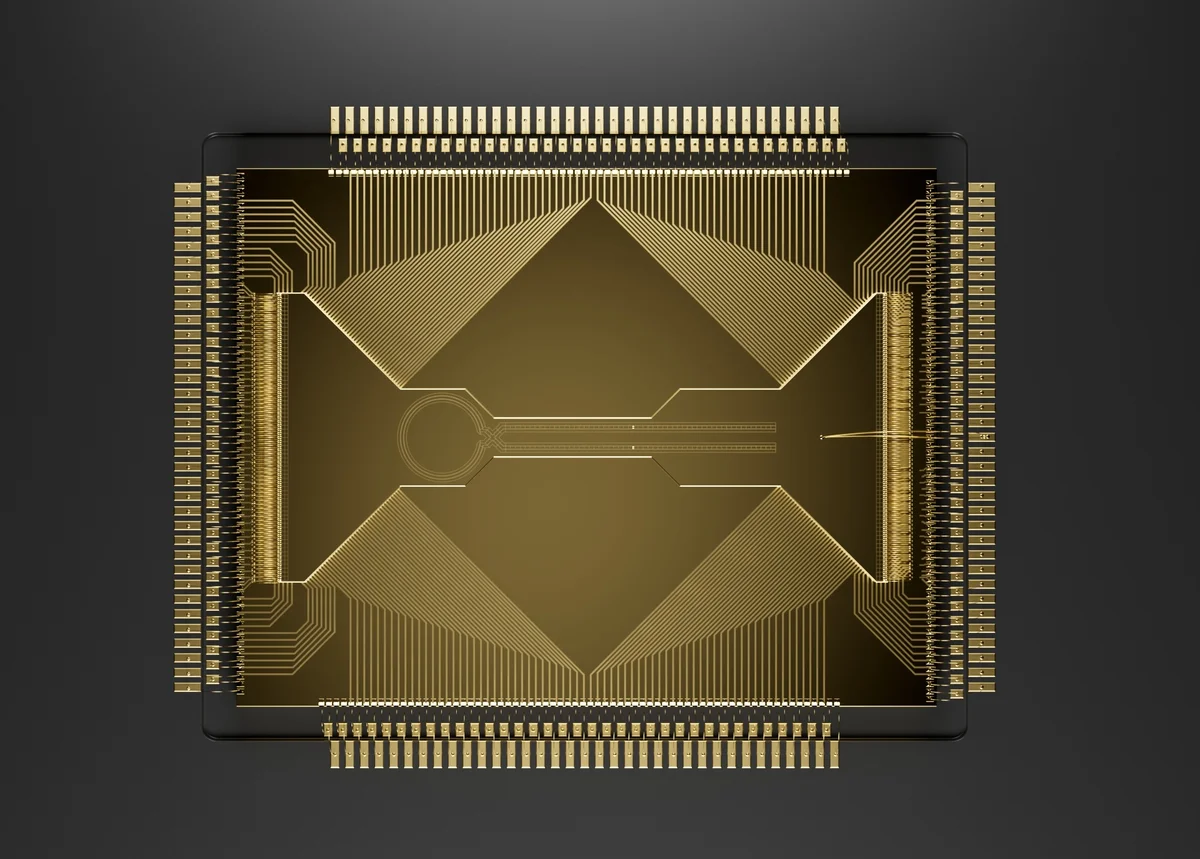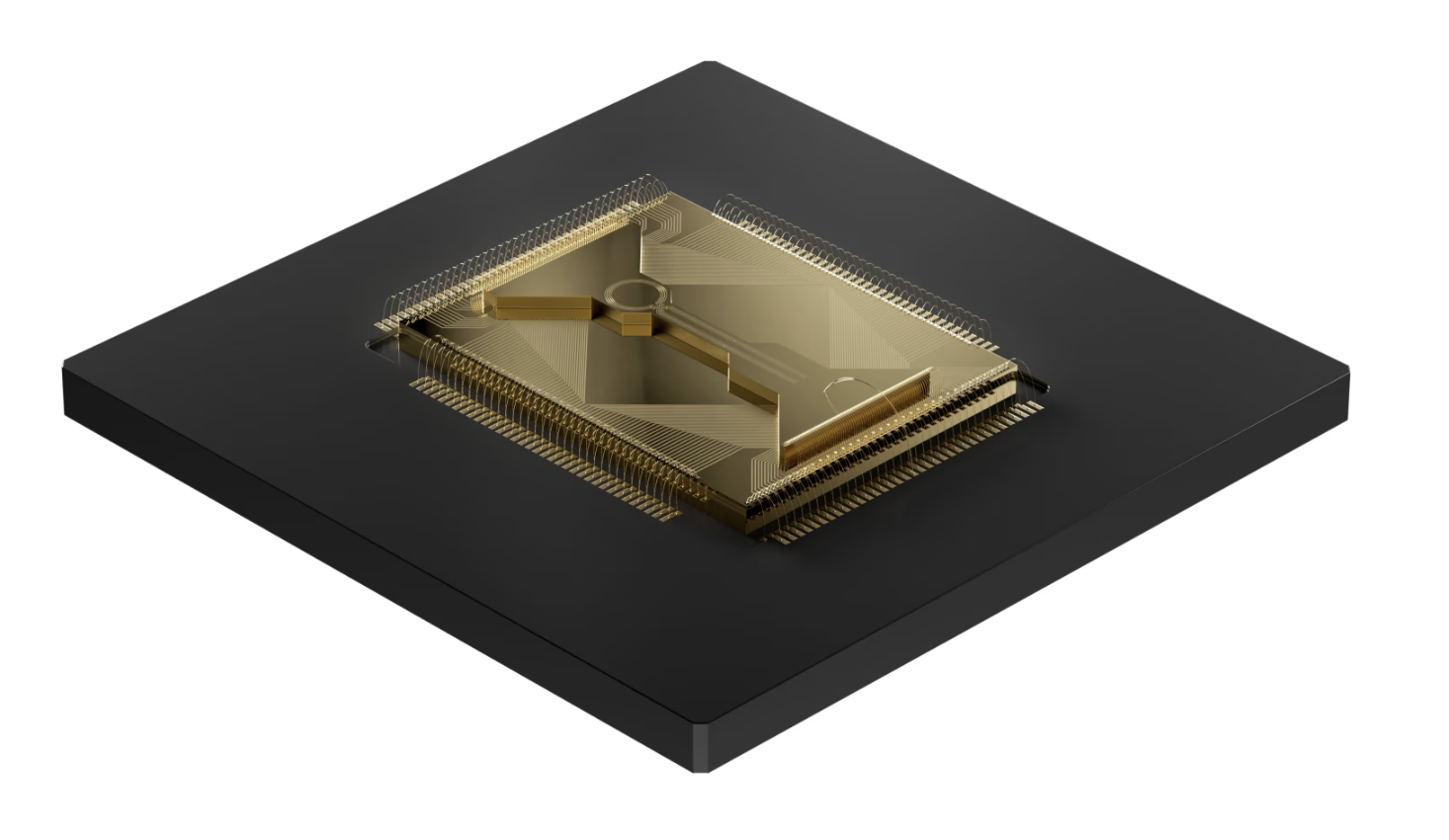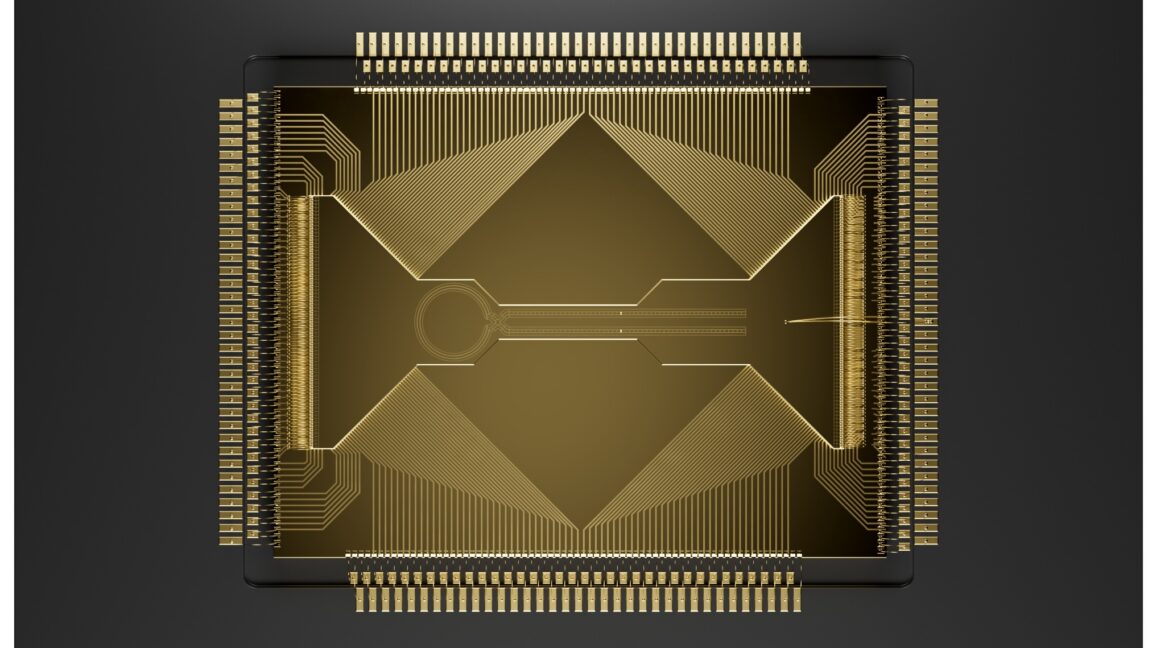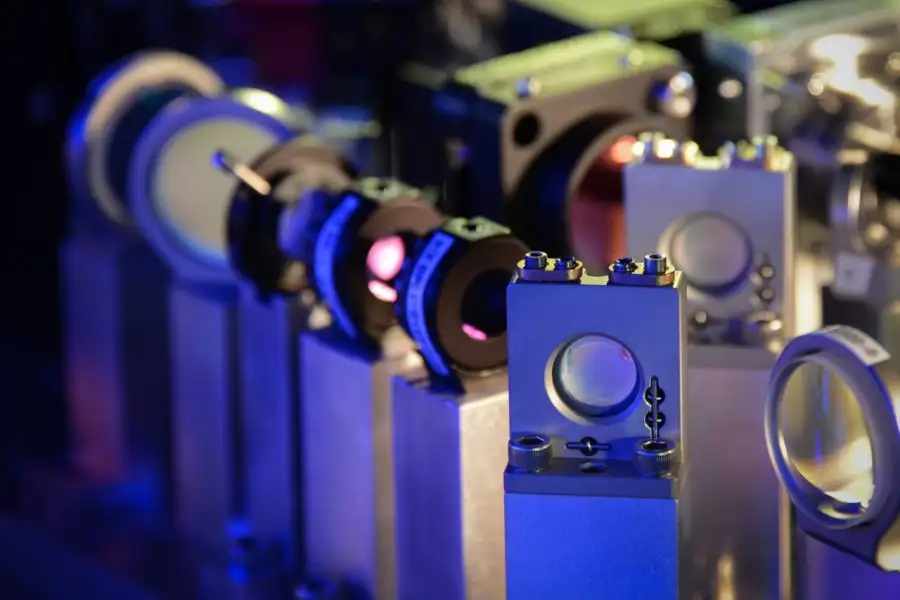
Some of the optical components used in Atom Computing’s quantum computerAtom Computing
The race to build the first truly useful quantum computer just got more exciting. A quantum computer made from extremely cold atoms has now passed some of the most important milestones towards usefulness, joining a small group of equally able and promising machines.
Though there is wide agreement that sufficiently powerful quantum computers would transform our ability to discover new materials and drugs, and break the encryption that underpins the internet, there are many competing ideas about how best to build them. Industry mainstays such as Google and IBM have spent a decade building quantum computers from tiny superconducting circuits, and this approach is currently the frontrunner.
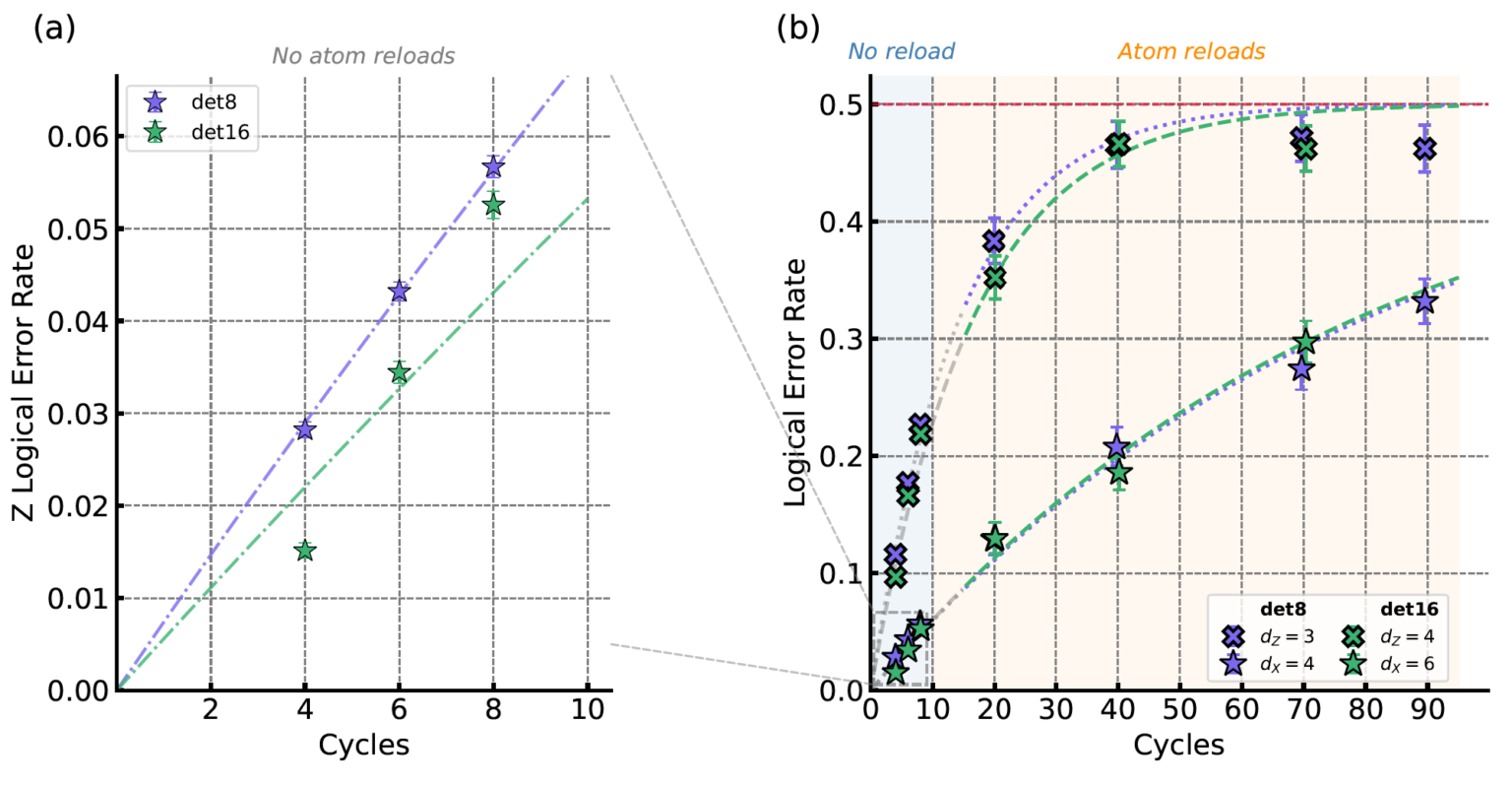
But an alternate approach that uses electrically neutral ultracold atoms has recently been gaining traction. Ben Bloom at Atom Computing and his colleagues built a so-called neutral-atom quantum computer that can repeatedly catch and correct its own errors, which is a crucial requirement for it to become useful.
“This is a big check mark for what you can do in a neutral-atom system,” he says. “The differences between [experiments] we were doing before were big step changes, but now, it is just about building it better, faster, cheaper.”