The Conversation by Domenico VicinanzaAssociate Professor of Intelligent Systems and Data Science, Anglia Ruskin University
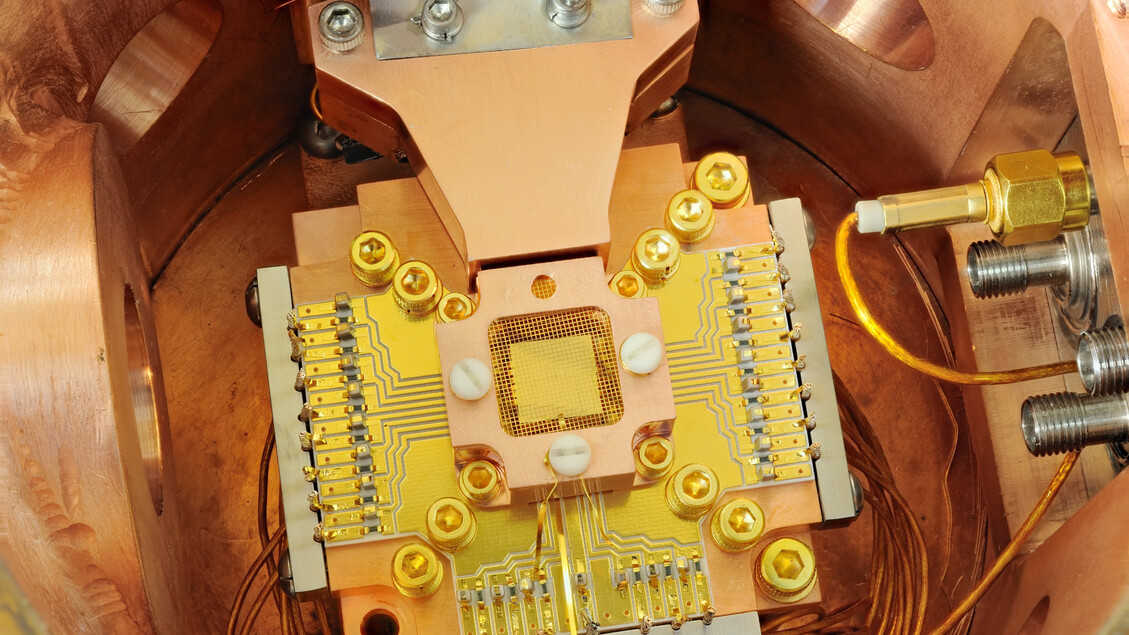
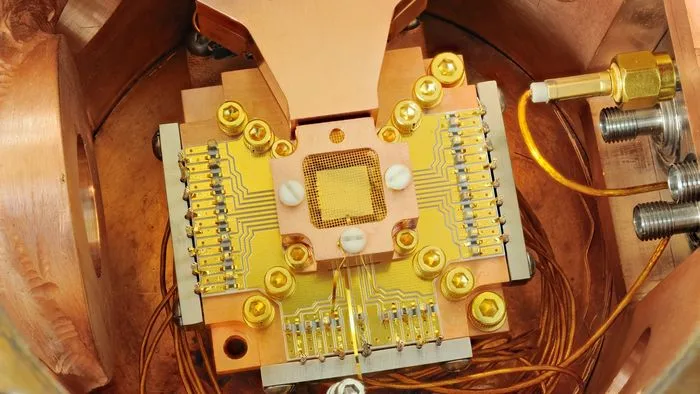
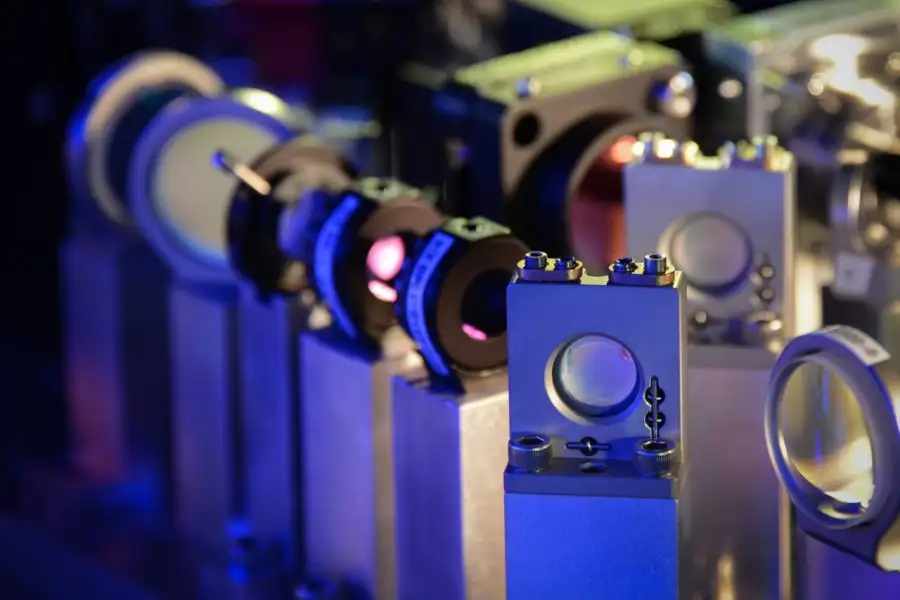
In a laboratory in Broomfield, Colorado, 98 atoms are suspended in mid-air, held in place by electric fields and cooled to temperatures close to absolute zero.
Each atom is far smaller than anything the naked eye could ever see, yet each carries information in a form that has no counterpart in classical physics.
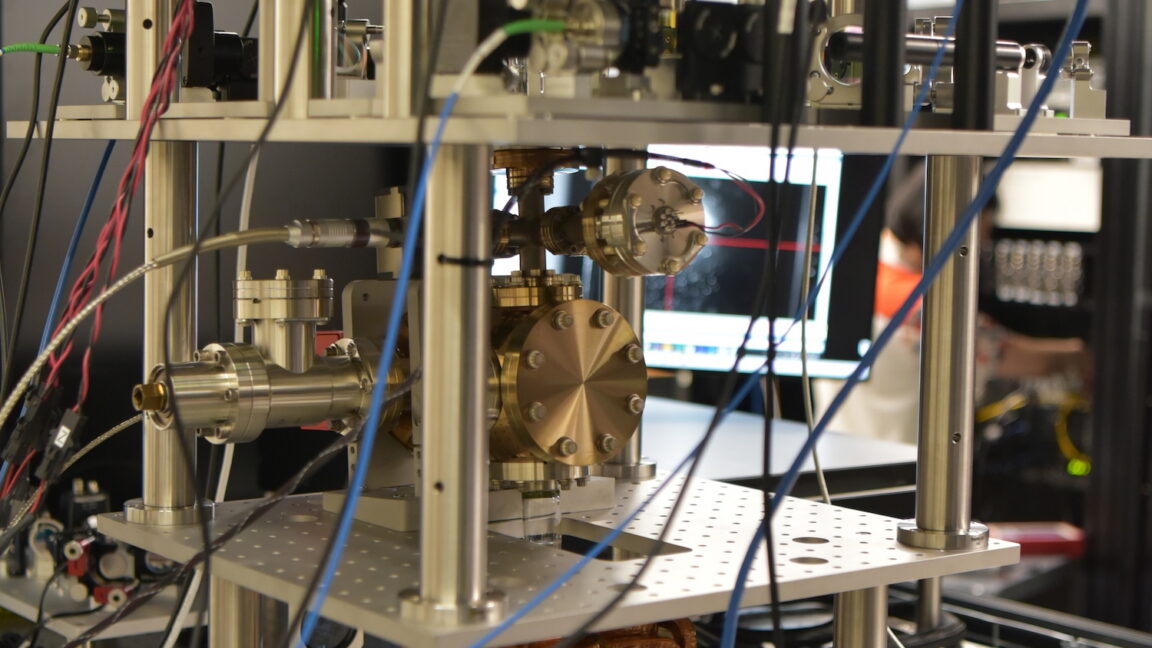
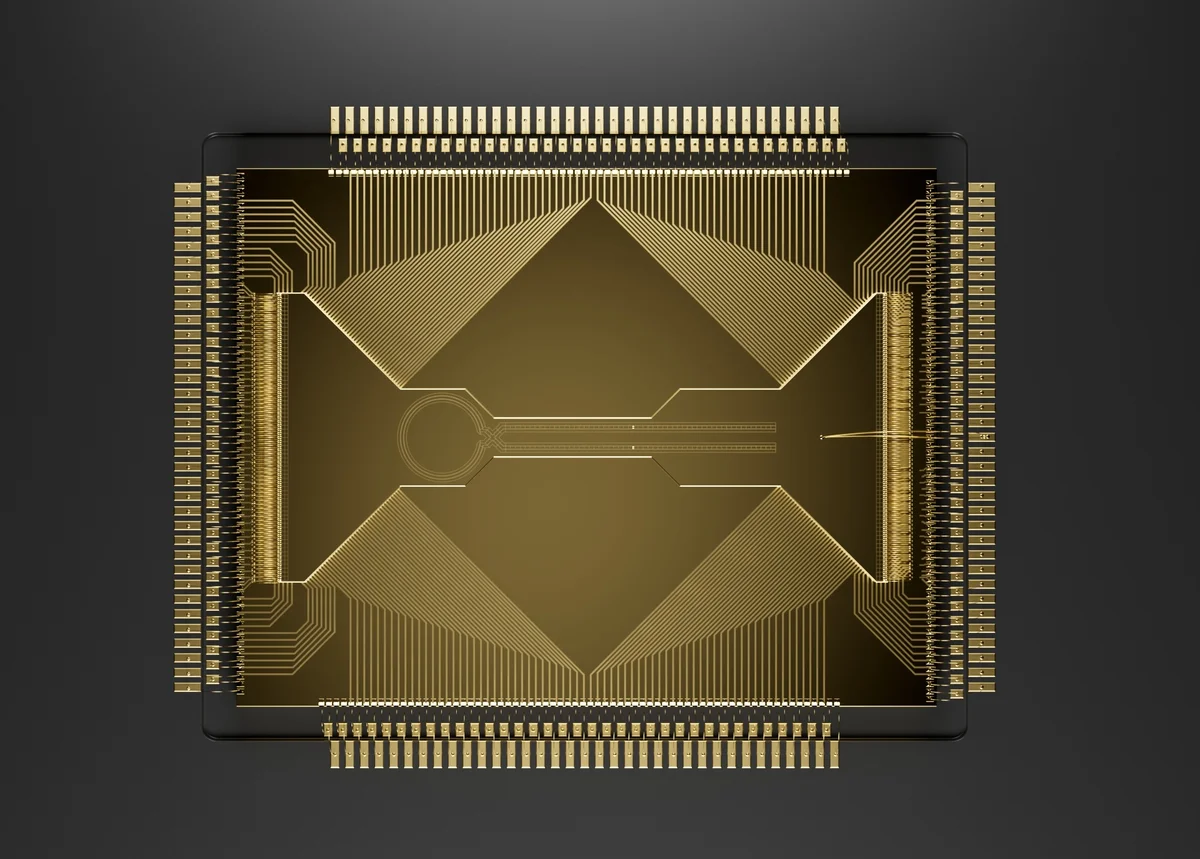
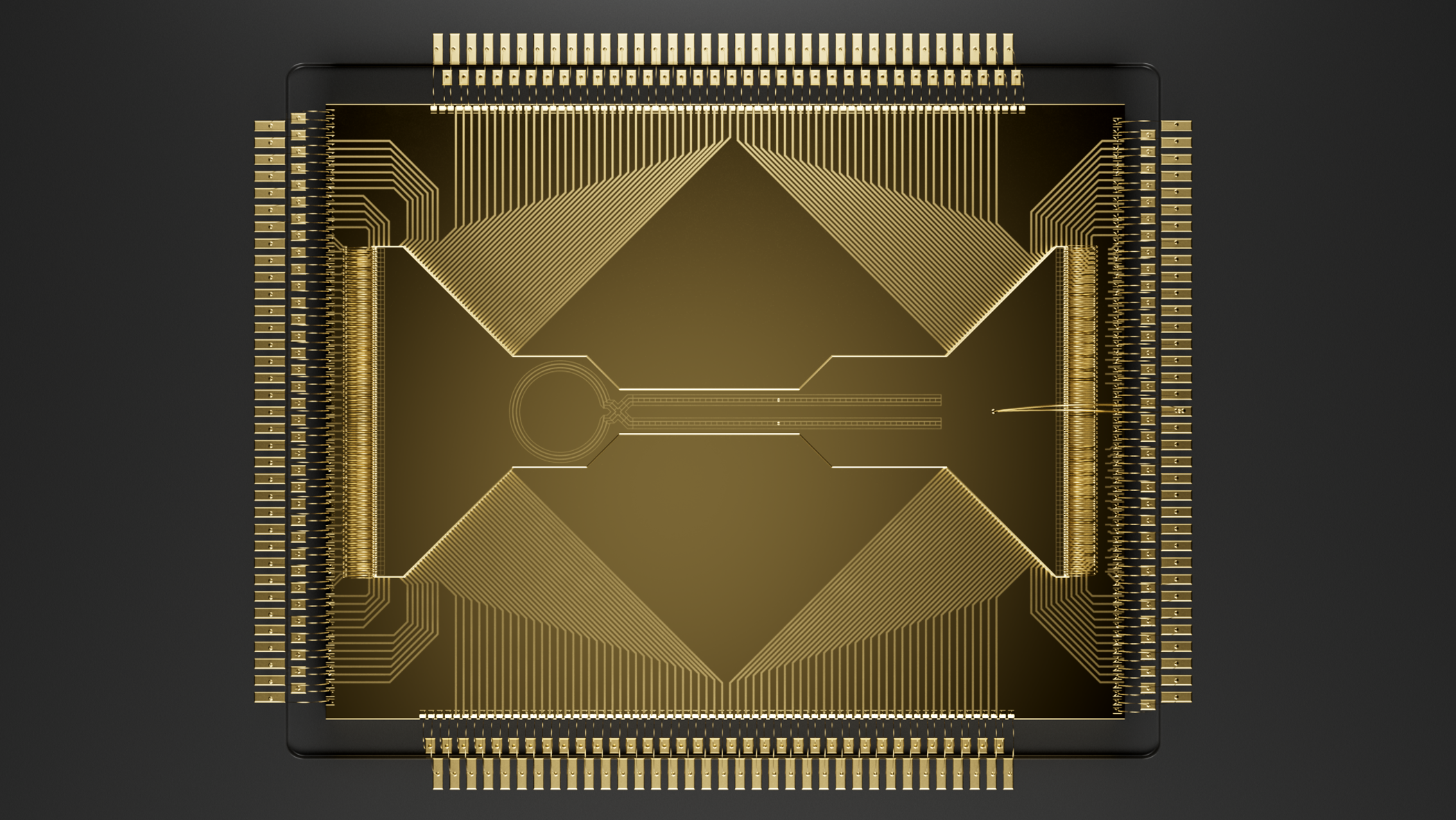
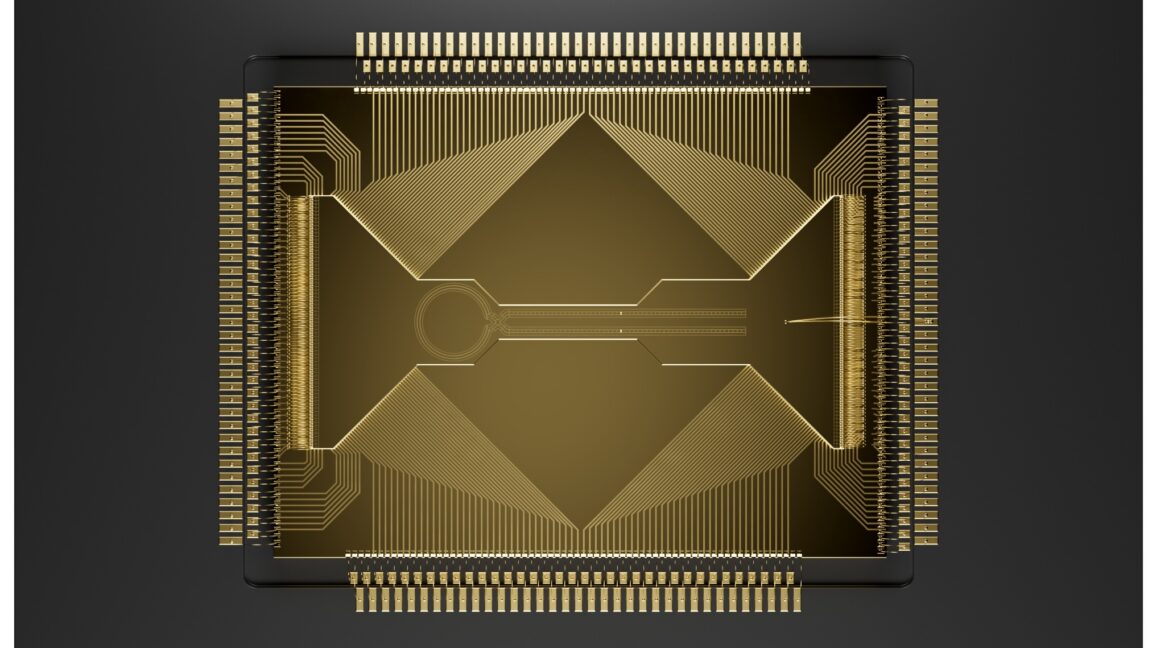
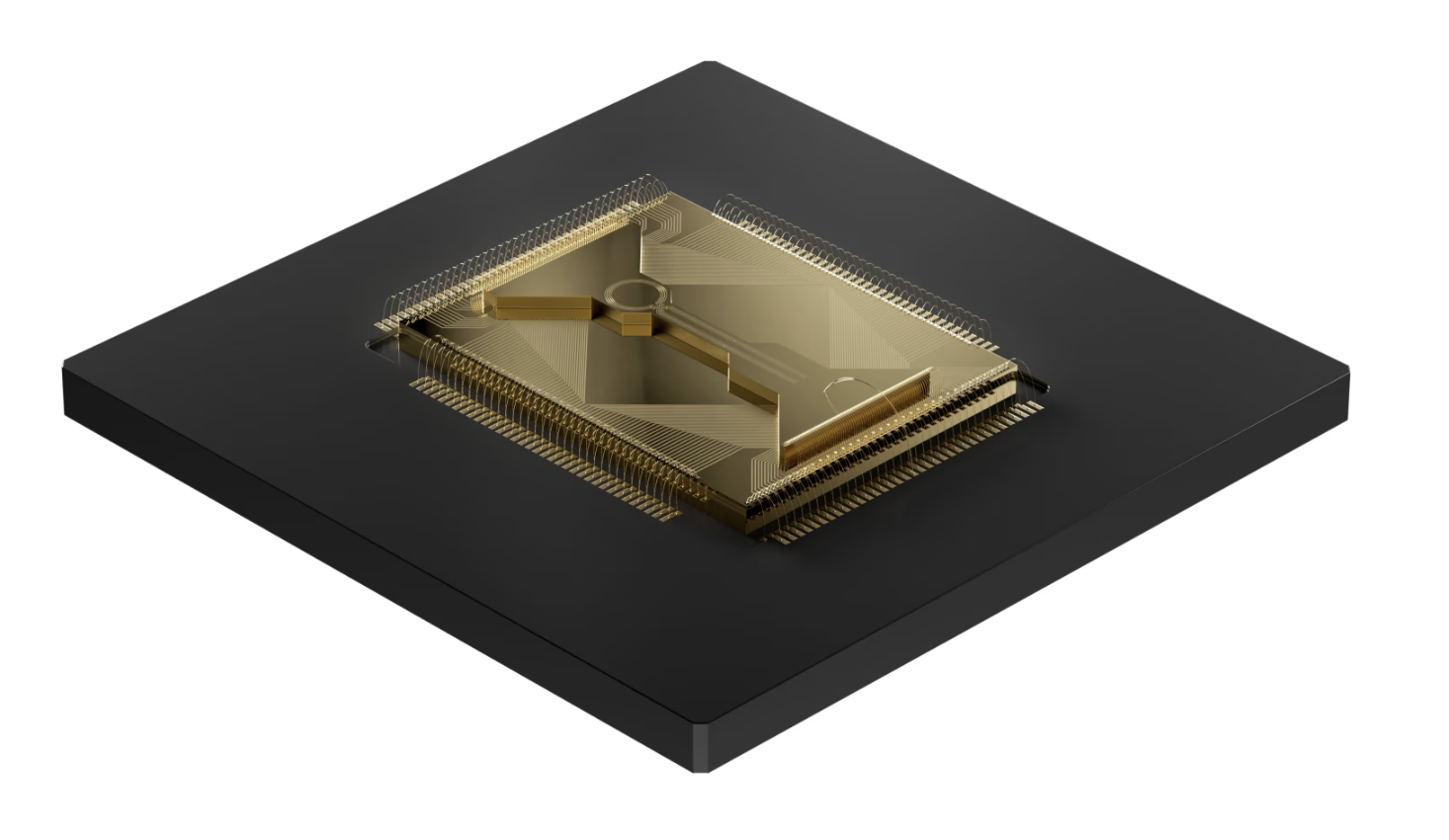
Together, they form Helios, a new quantum computer built by the British-American company Quantinuum. Quantum computers use the power of quantum mechanics, the rules that govern how physics operates at atomic and sub-atomic scales. Those that use Helios’ model of suspended atoms are known as trapped-ion.
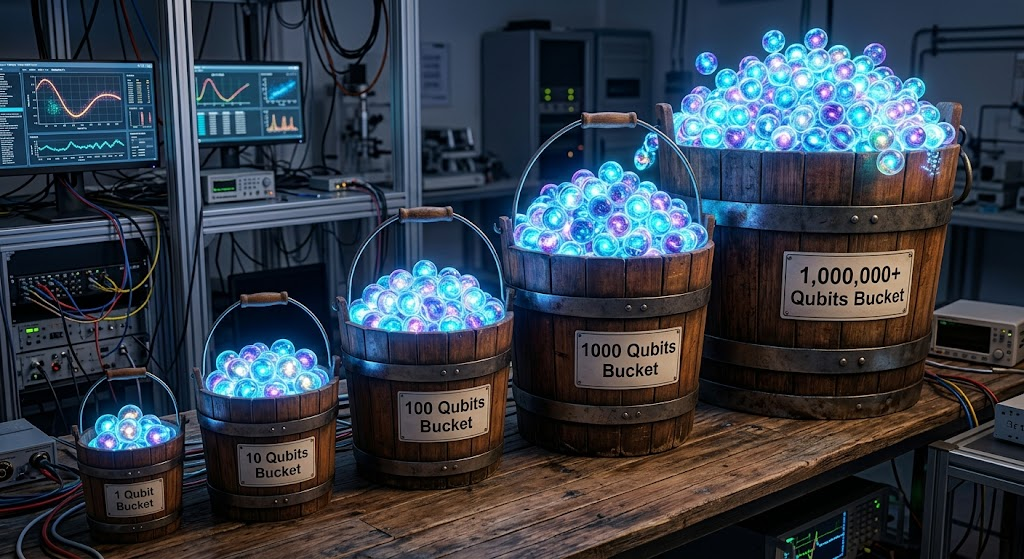
A paper published in Nature describes it as a 98-qubit processor with very high accuracy and performance that pushes beyond what can easily be simulated on classical machines. That sounds impressive, but the important question is not simply whether this is a bigger quantum computer (the previous biggest, System Model H2, had 56 qubits). It is whether it is a better one.