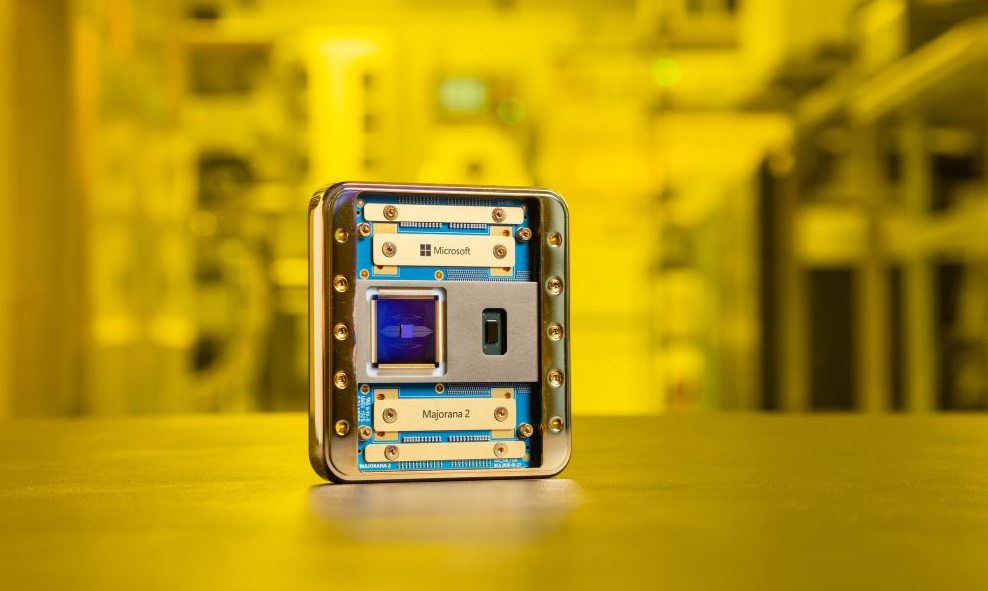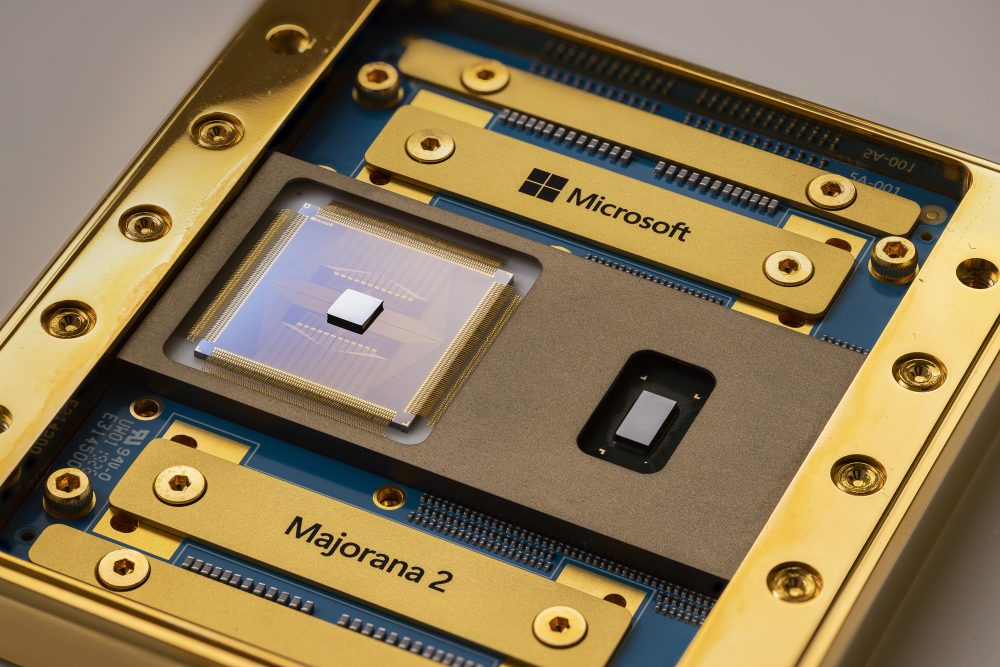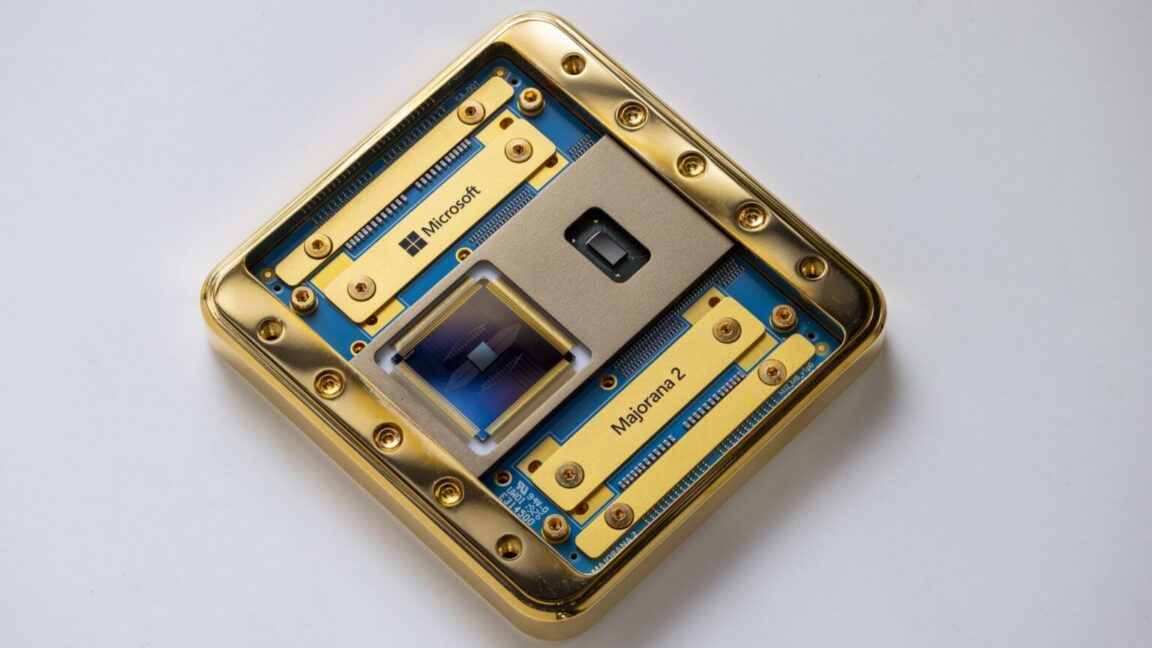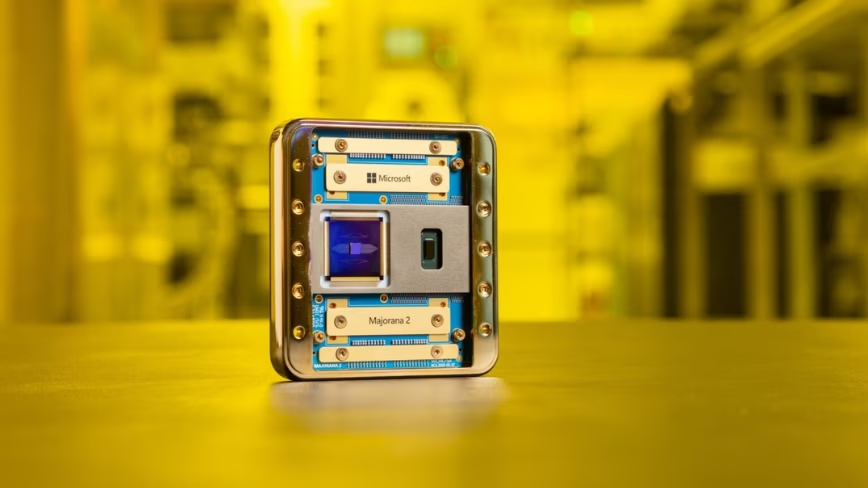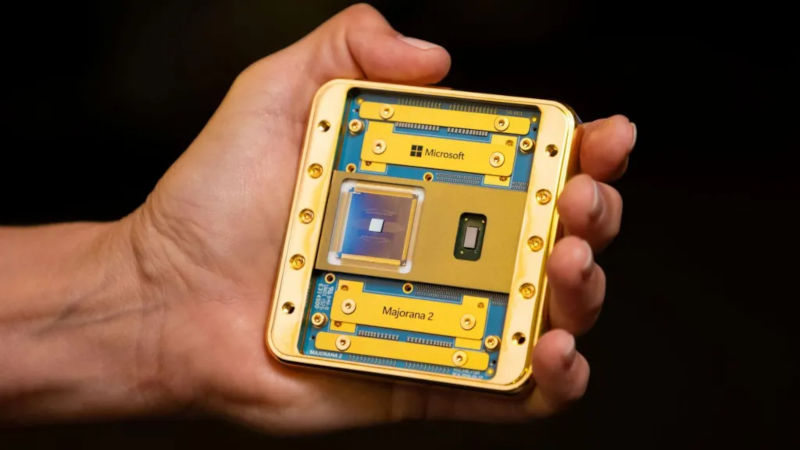
Microsoft’s topological qubit hardware can now hold a stable parity state for over 20 seconds. That might not sound like much until you learn the previous benchmark was less than 10 milliseconds. We’re talking about an improvement of roughly three orders of magnitude, the kind of leap that turns a lab curiosity into something engineers can actually build on.
The update, published June 3, 2026, came alongside progress reports from two of Microsoft’s quantum collaborators: Atom Computing and EeroQ.
What actually changed
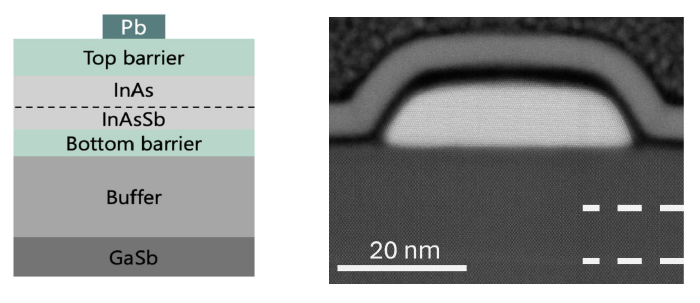
Microsoft’s stability gain came from something deceptively simple: better materials. The team swapped in lead for its superconductors and added tin to its semiconductors. That’s it. No new architecture, no revolutionary algorithm. Just the kind of painstaking materials science that doesn’t make for exciting demos but makes everything else possible.
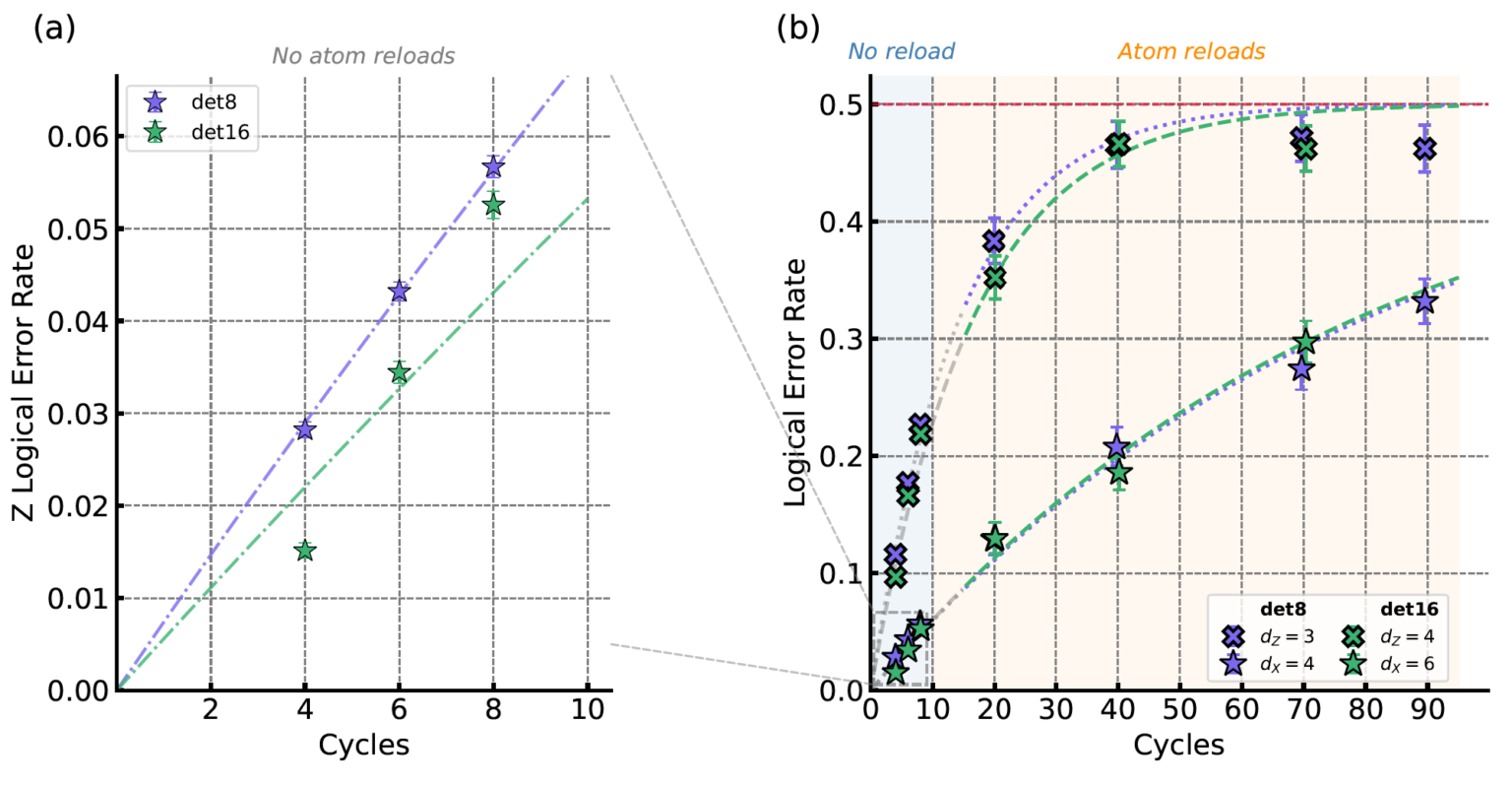
Atom Computing, which builds quantum systems using neutral atoms trapped by lasers, tackled a different piece of the puzzle: error correction. Atom Computing’s solution was to keep spare, pre-cooled atoms on standby, swapping them in to maintain logical qubit stability across testing rounds.