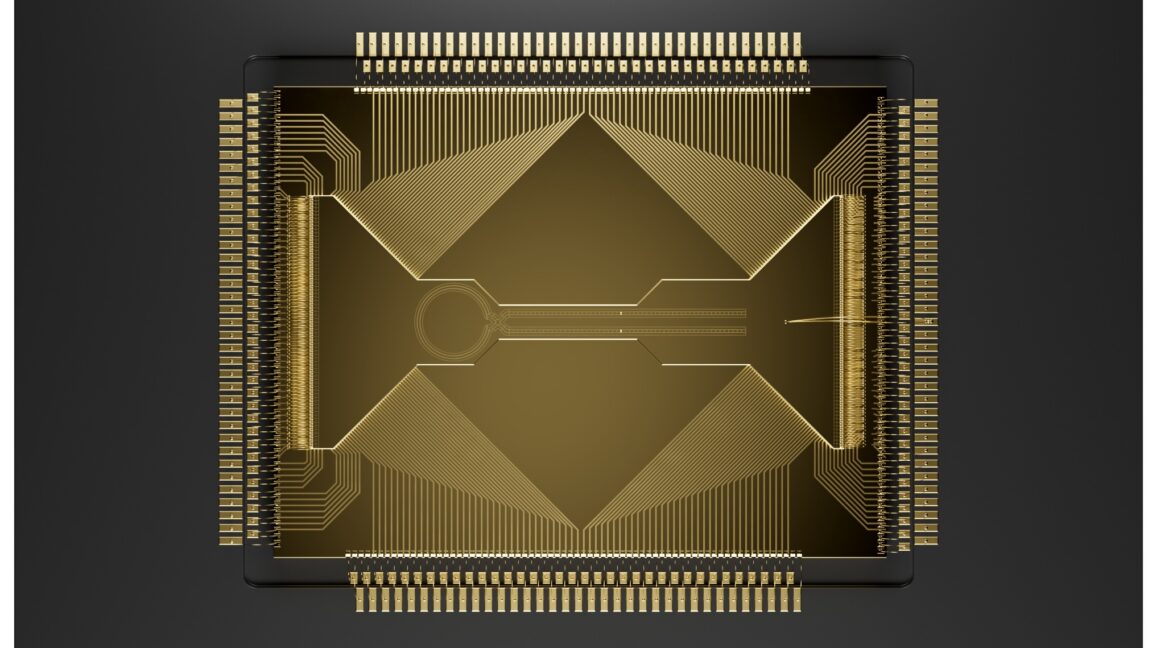
Round and round we go…
As a test case, the machine was used to test a model of superconductivity.
Quantinuum
Quantum computers based on ions or atoms have one major advantage: The qubits themselves aren’t manufactured, and there’s no device-to-device variability among atoms. Every atom is the same and should perform similarly every time. And since the qubits themselves can be moved around, it’s theoretically possible to entangle any atom or ion with any other in the system, allowing for a lot of flexibility in how algorithms and error correction are performed.
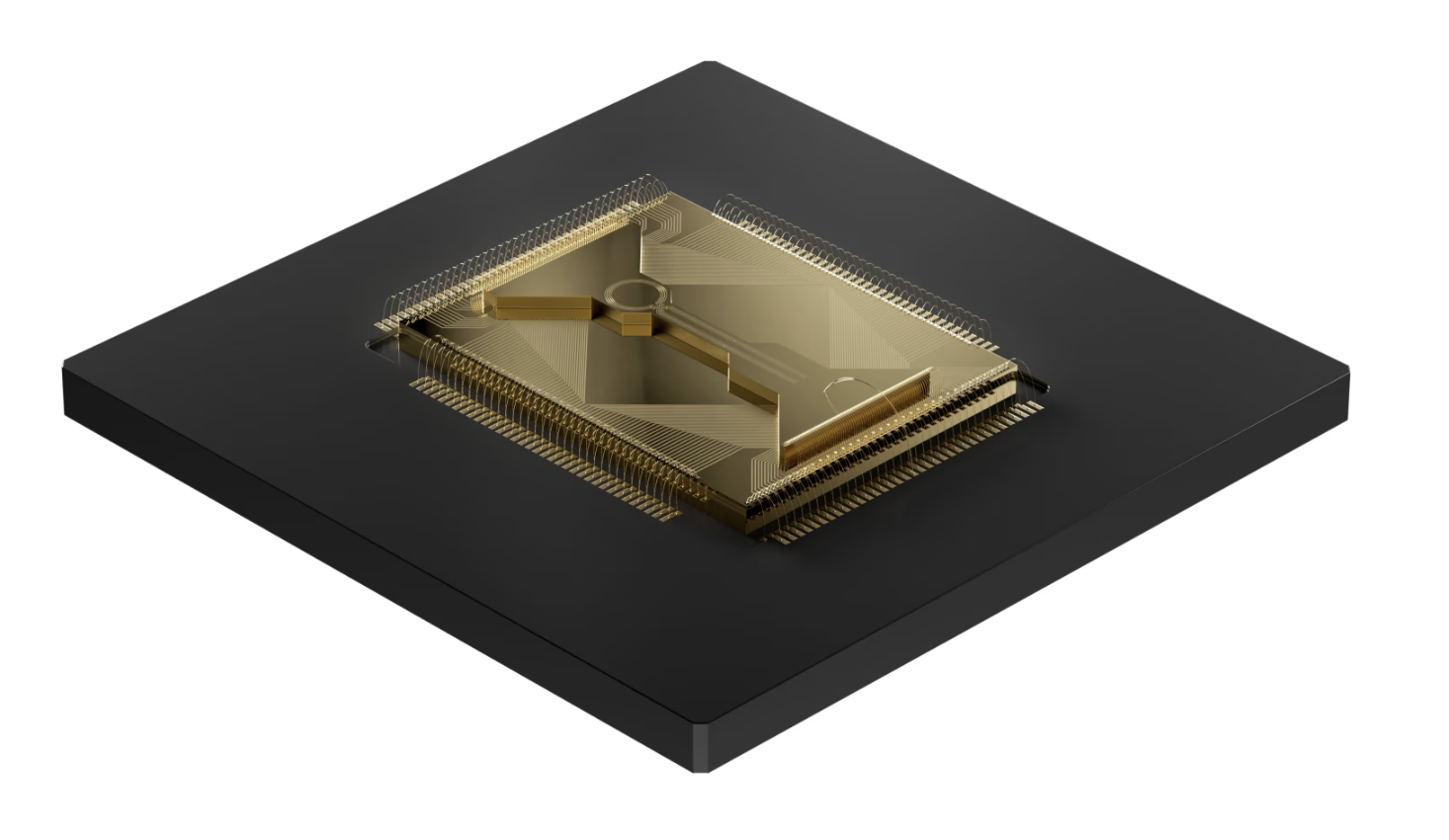
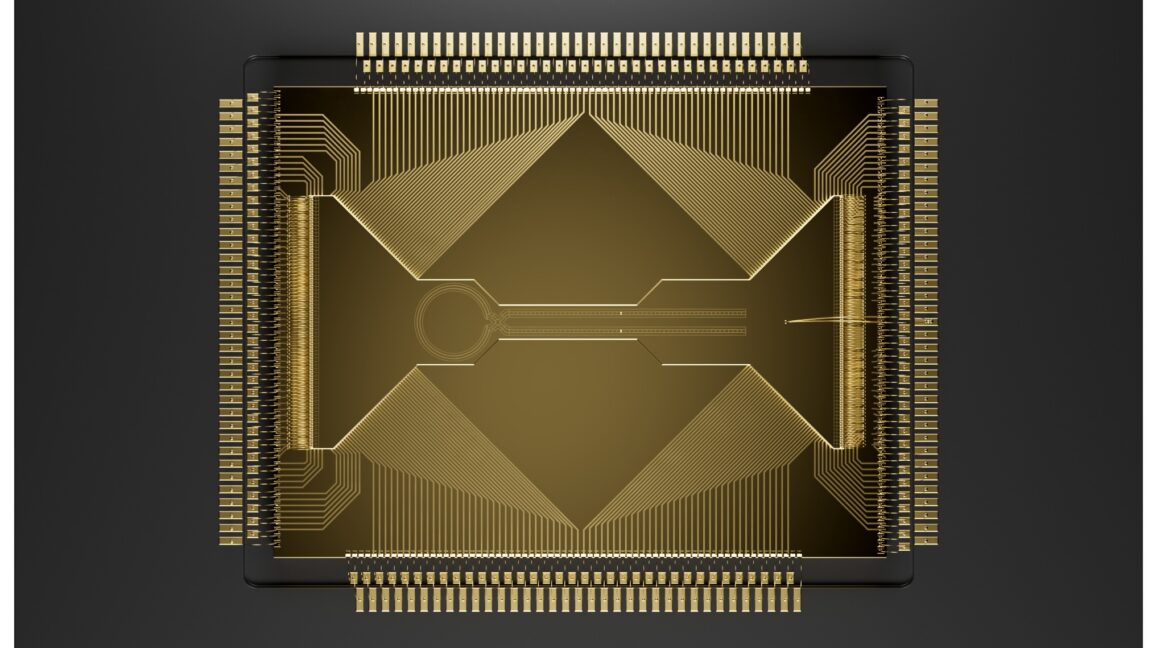
This combination of consistent, high-fidelity performance with all-to-all connectivity has led many key demonstrations of quantum computing to be done on trapped-ion hardware. Unfortunately, the hardware has been held back a bit by relatively low qubit counts—a few dozen compared to the hundred or more seen in other technologies. But on Wednesday, a company called Quantinuum announced a new version of its trapped-ion hardware that significantly boosts the qubit count and uses some interesting technology to manage their operation.