view more
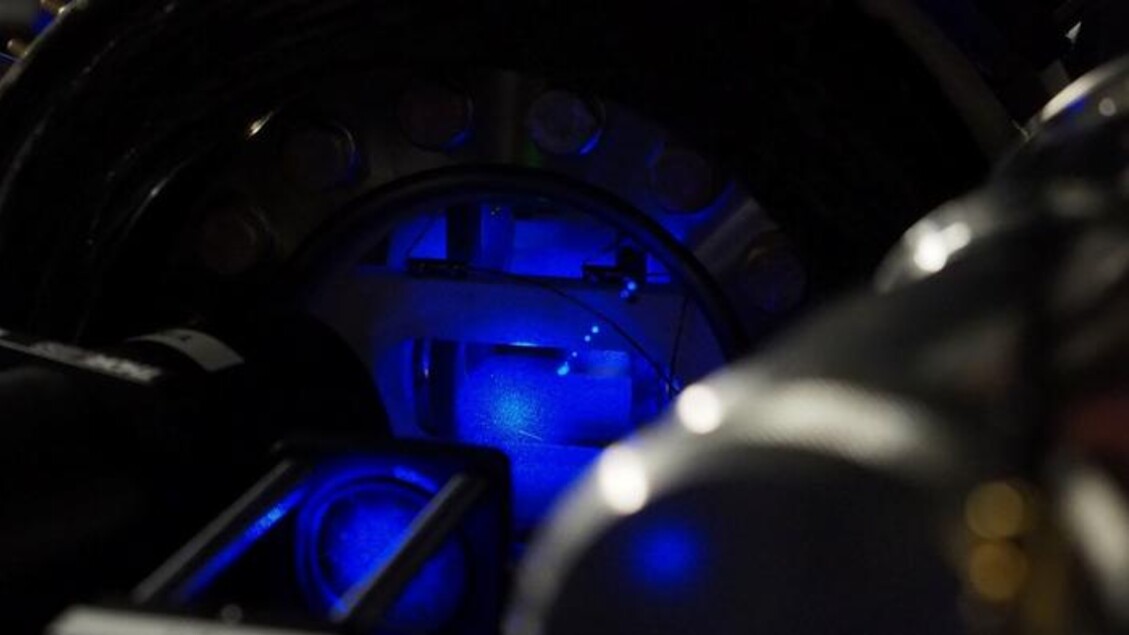
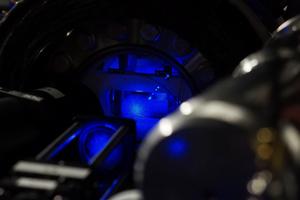
A prototype quantum sensor developed by researchers at Imperial has demonstrated, for the first time, that a key principle behind next-generation quantum detectors can work under realistic conditions.
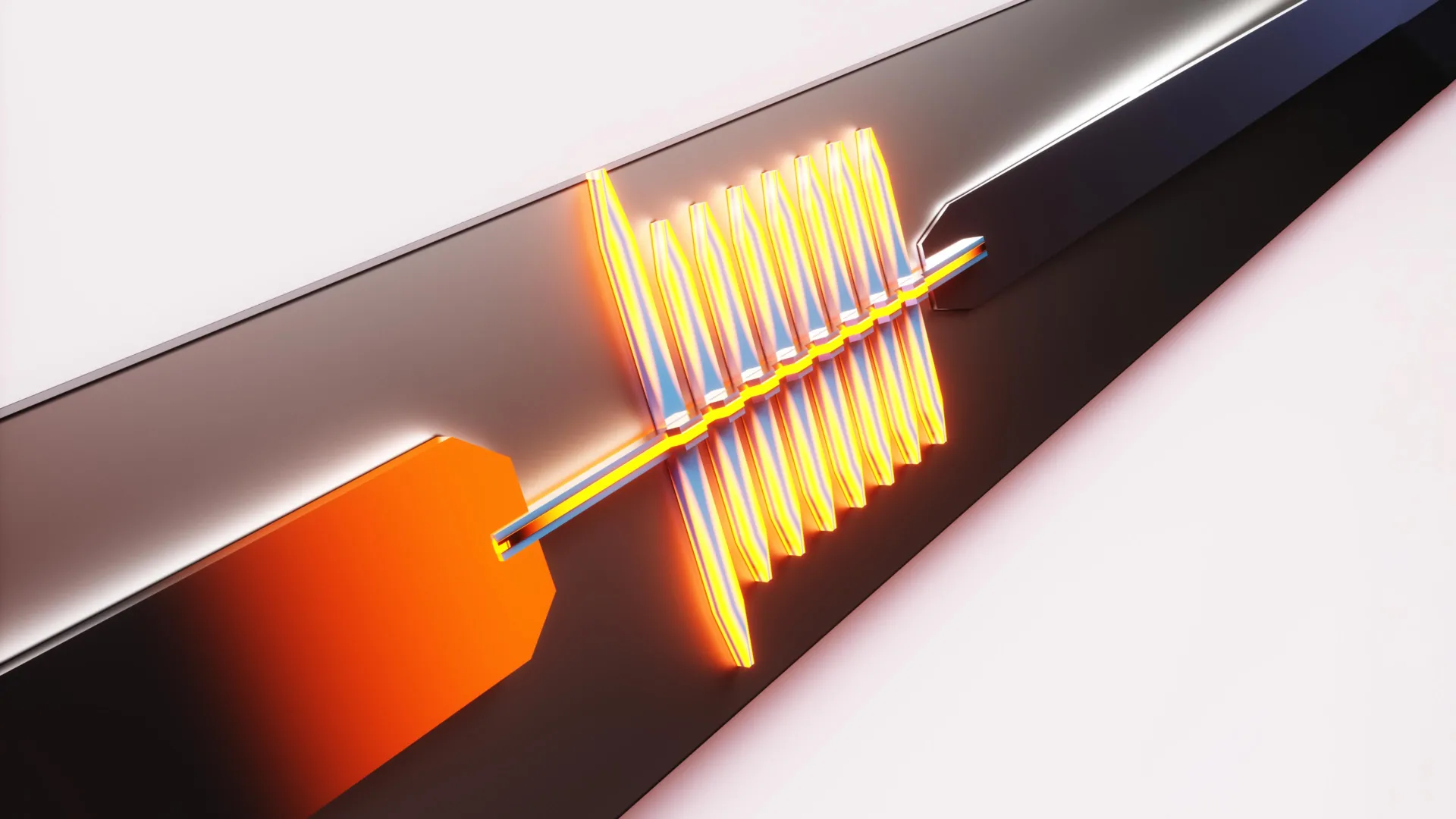
The study shows how comparing two long-baseline atom interferometers, instruments that use lasers to precisely measure the behaviour of atoms, allows experimental noise to be effectively cancelled.
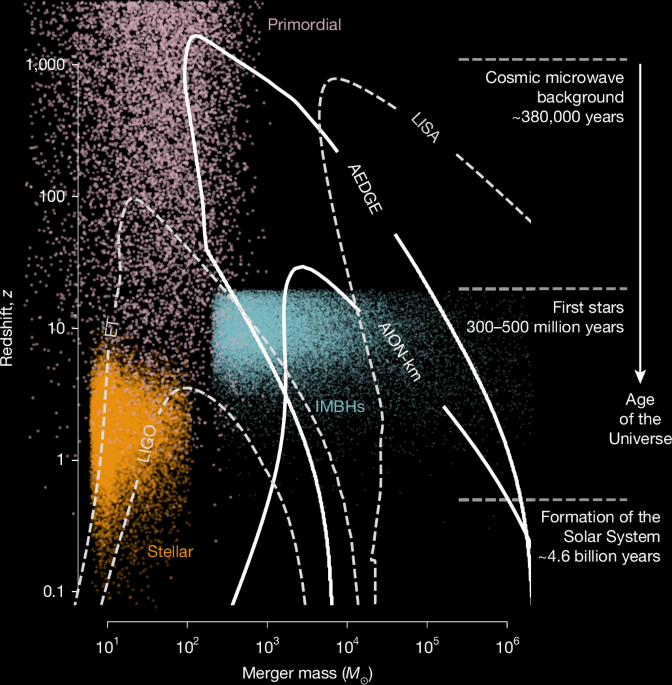
This enables signals to be recovered even when individual measurements are overwhelmed, and opens the door to searches for gravitational waves from the early universe and signatures of exotic forms of dark matter.
The work forms part of the Atom Interferometer Observatory and Network (AION) collaboration. Led by Imperial, AION brings together researchers from institutions across the UK to develop next-generation quantum sensing technologies.