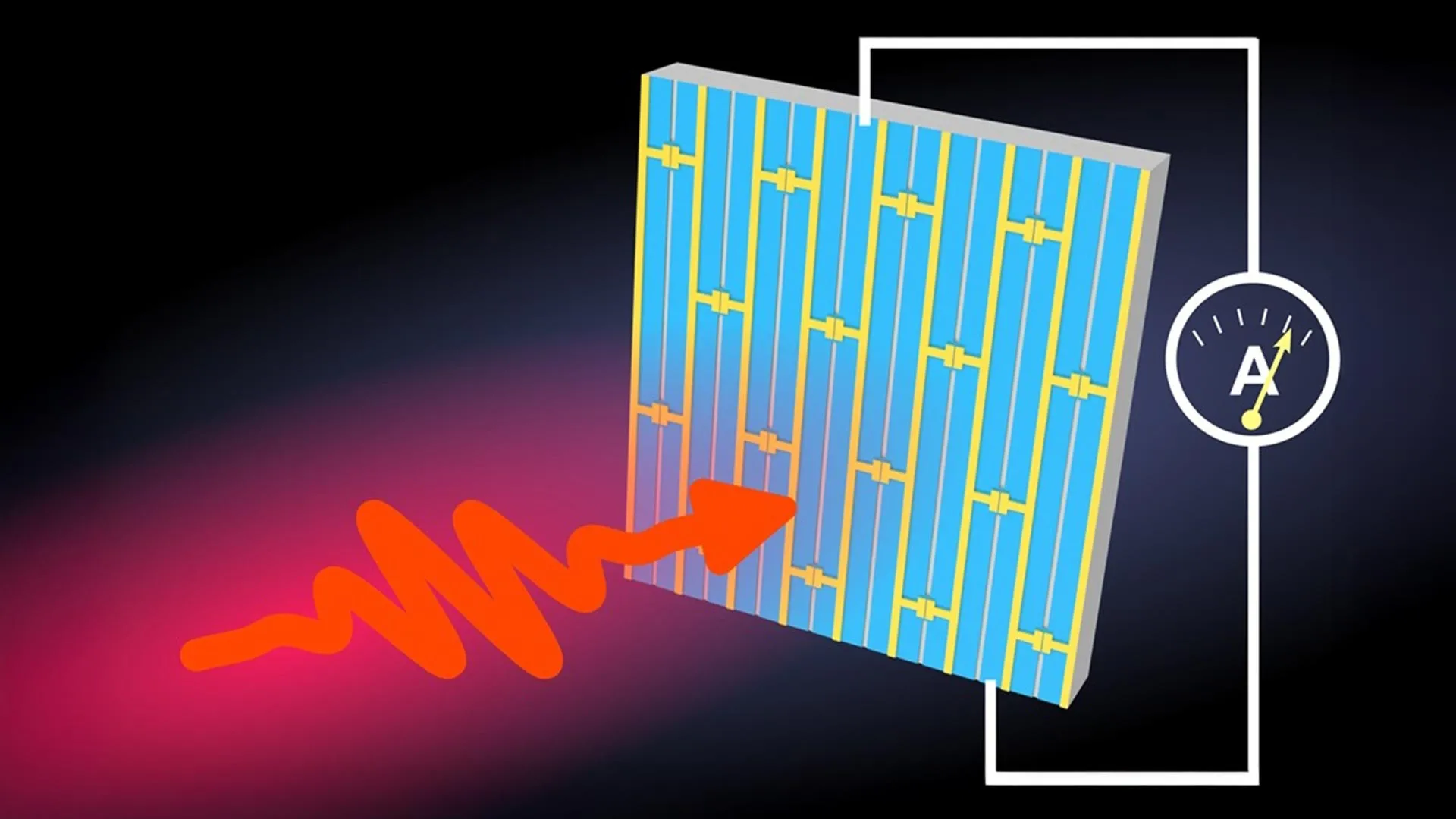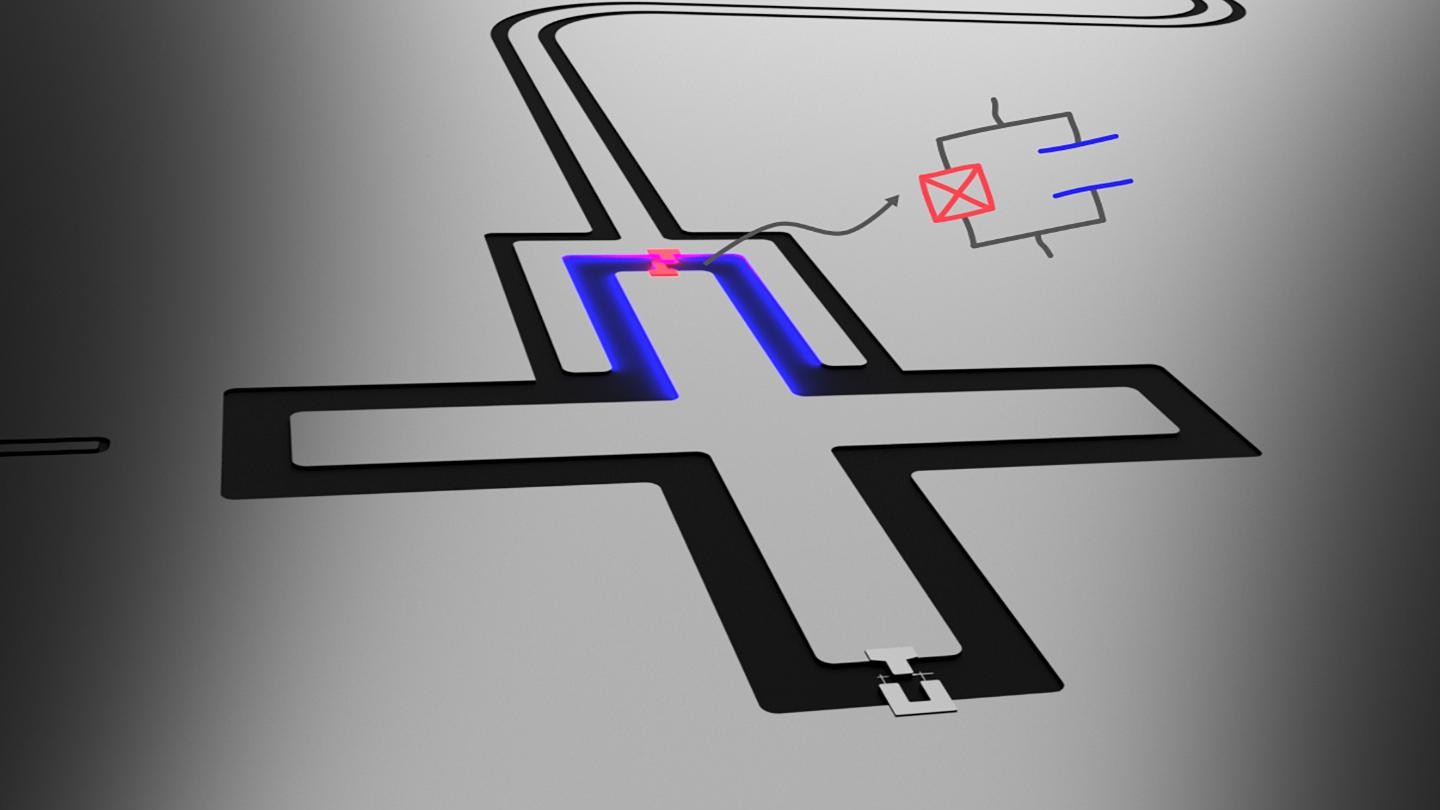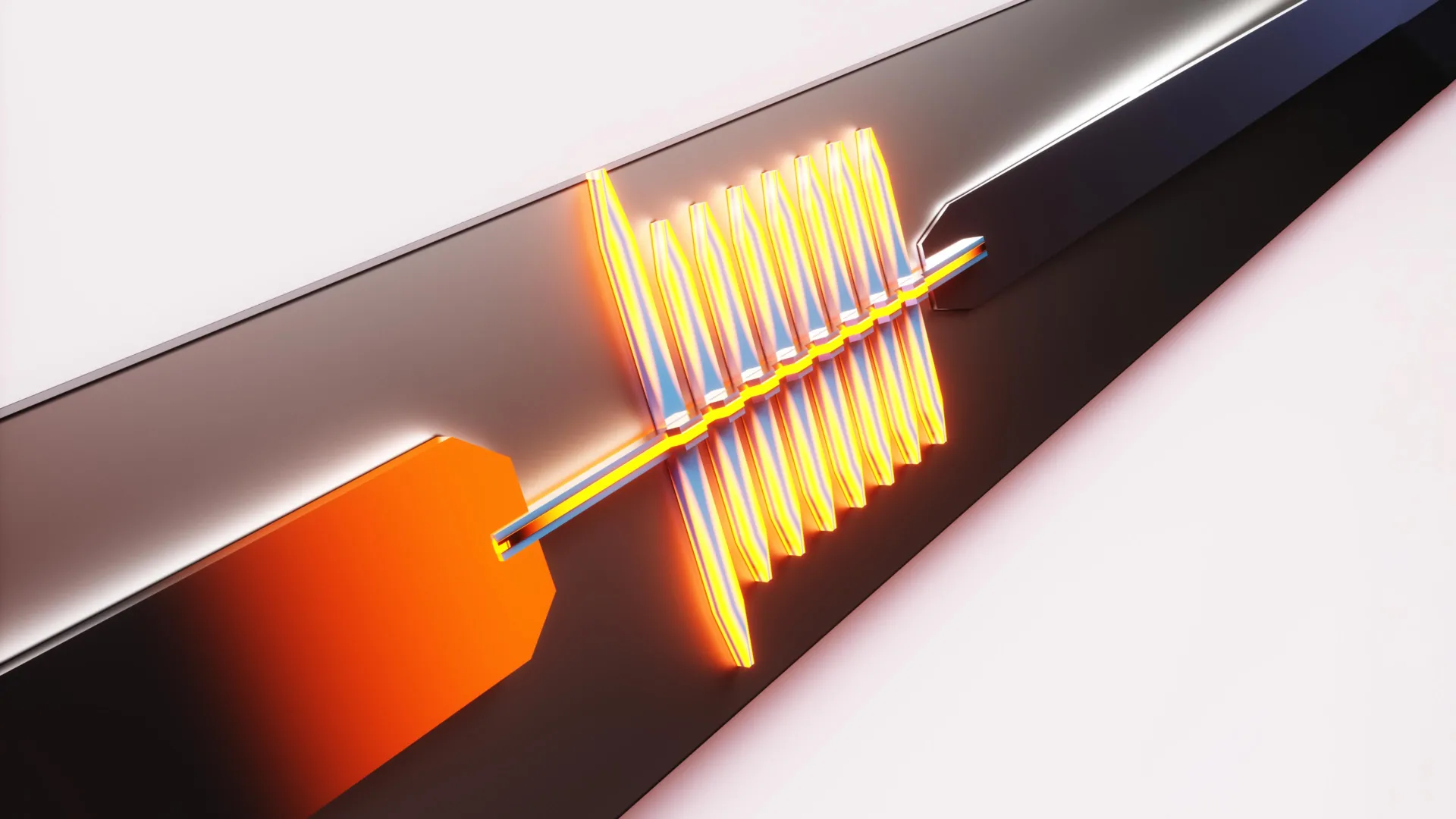
Researchers in Finland have achieved a major advance in ultra-sensitive measurement technology by detecting an amount of energy smaller than one zeptojoule, less than a trillionth of a billionth of a joule. The breakthrough could improve quantum computing technology, support the search for dark matter, and eventually make it possible to count individual photons.
Quantum mechanics operates on incredibly tiny scales, and scientists are constantly developing more precise tools to measure and control phenomena such as photons, the particles that carry light. Greater precision can open the door to more powerful quantum devices and new ways of studying some of the universe's biggest mysteries.
A zeptojoule is an almost unimaginably small quantity of energy. It is roughly equivalent to the amount of work needed to move a red blood cell upward by one nanometer in Earth's gravity.
The research team was led by Academy Professor Mikko Möttönen at Aalto University in collaboration with quantum computing company IQM and the Technical Research Centre of Finland (VTT). Their findings were published in the journal Nature Electronics.
Ultra-Sensitive Quantum Energy Detector