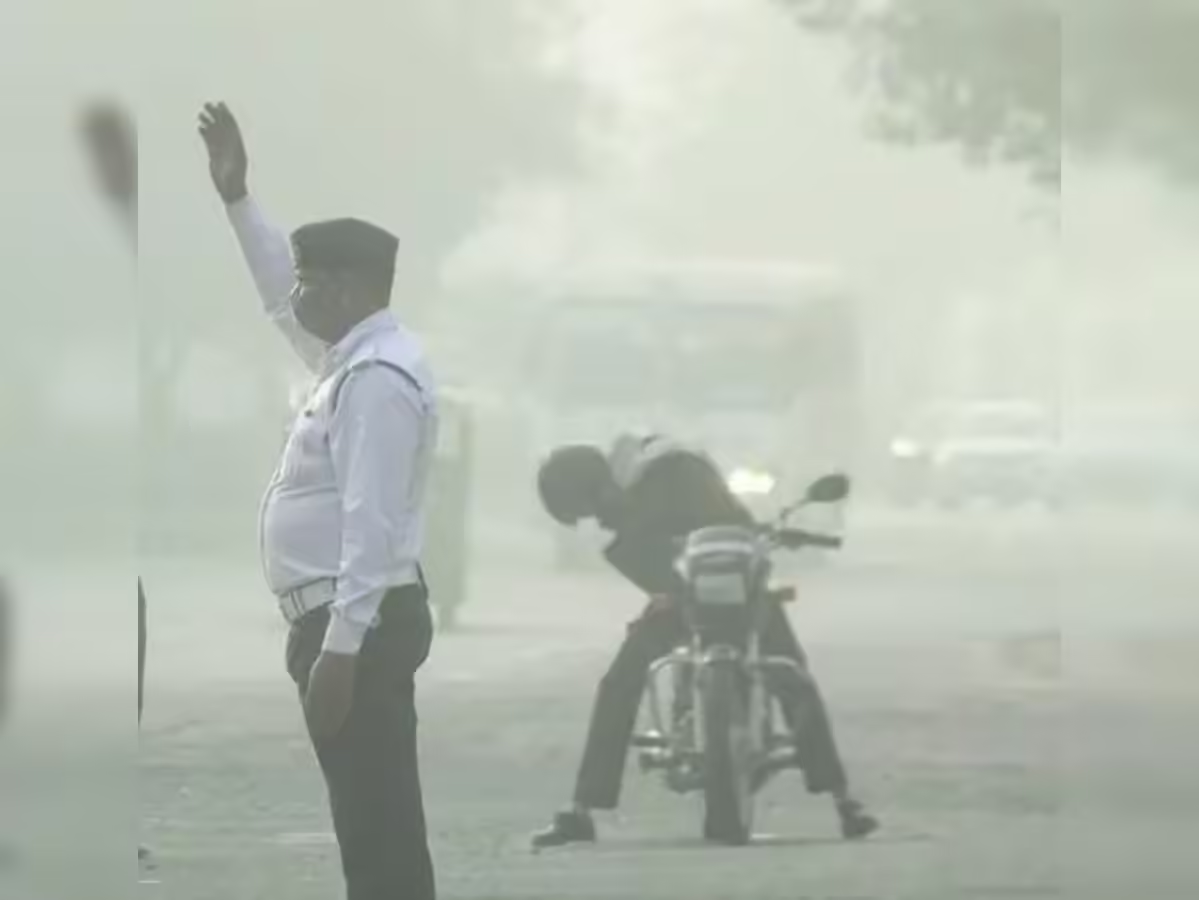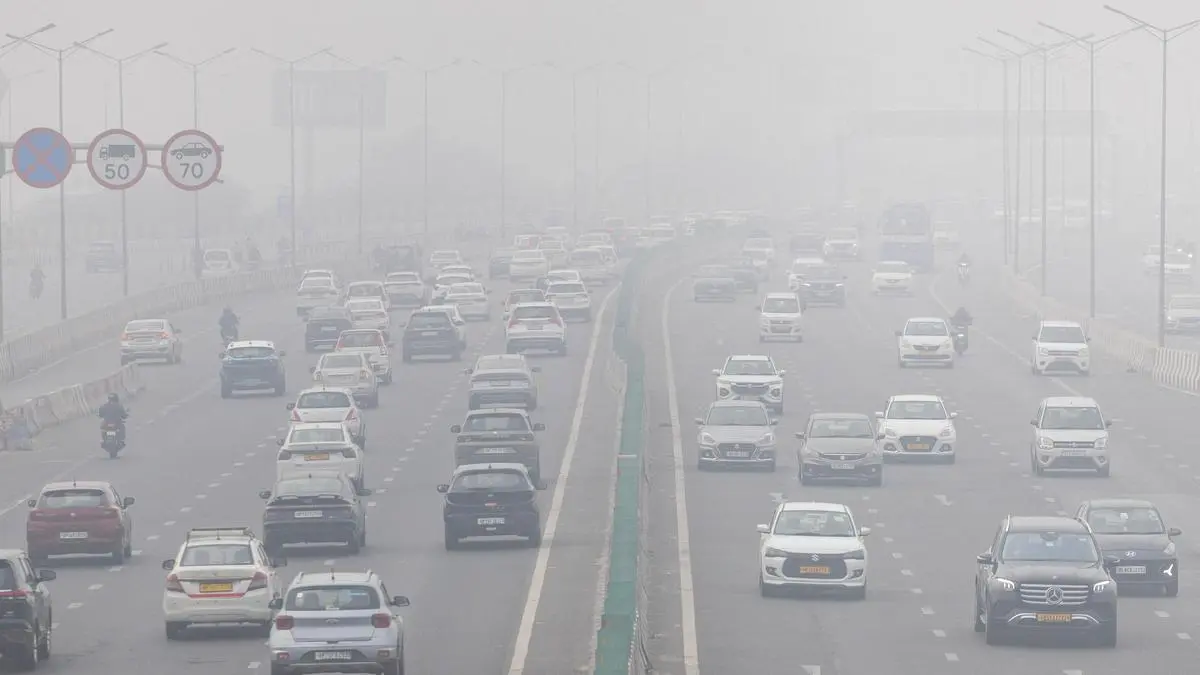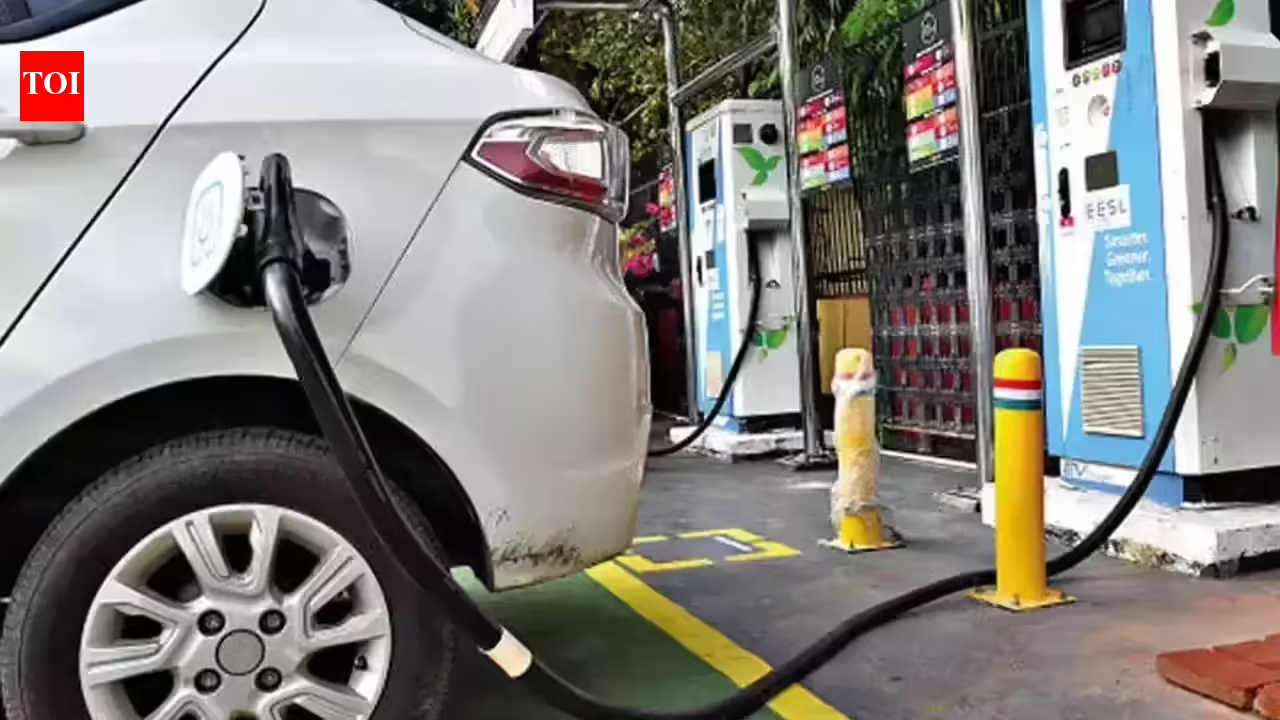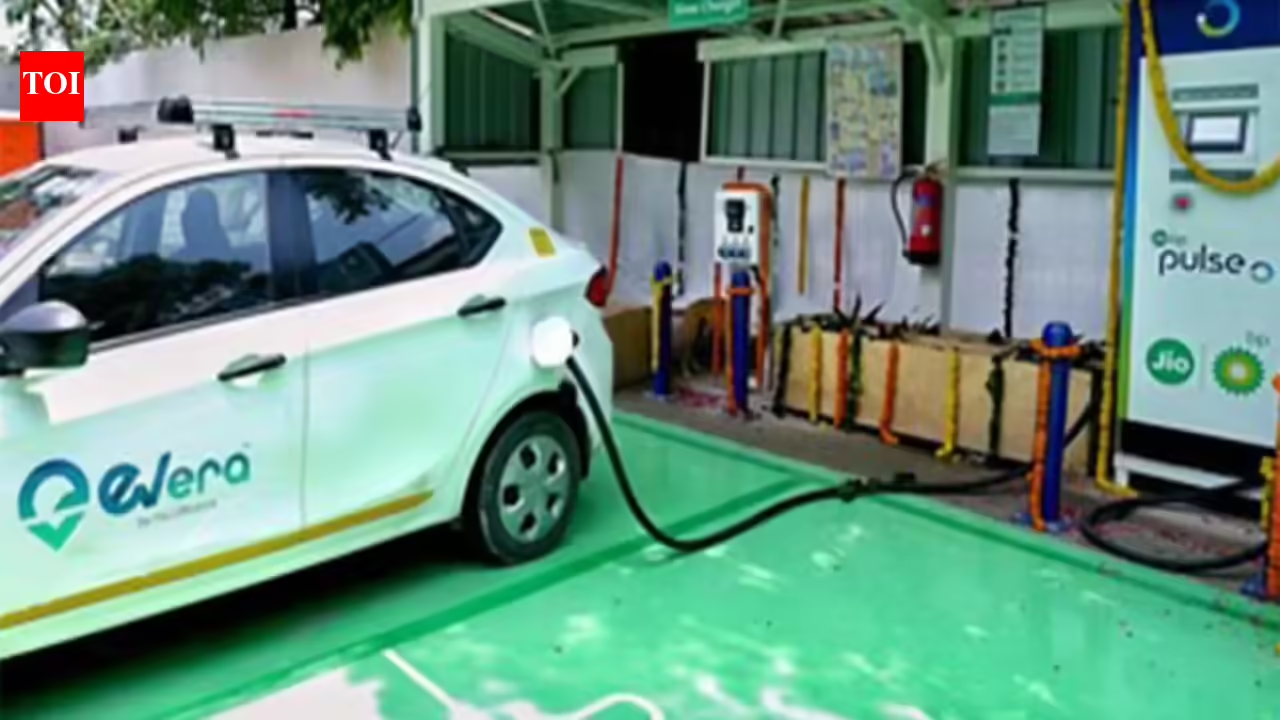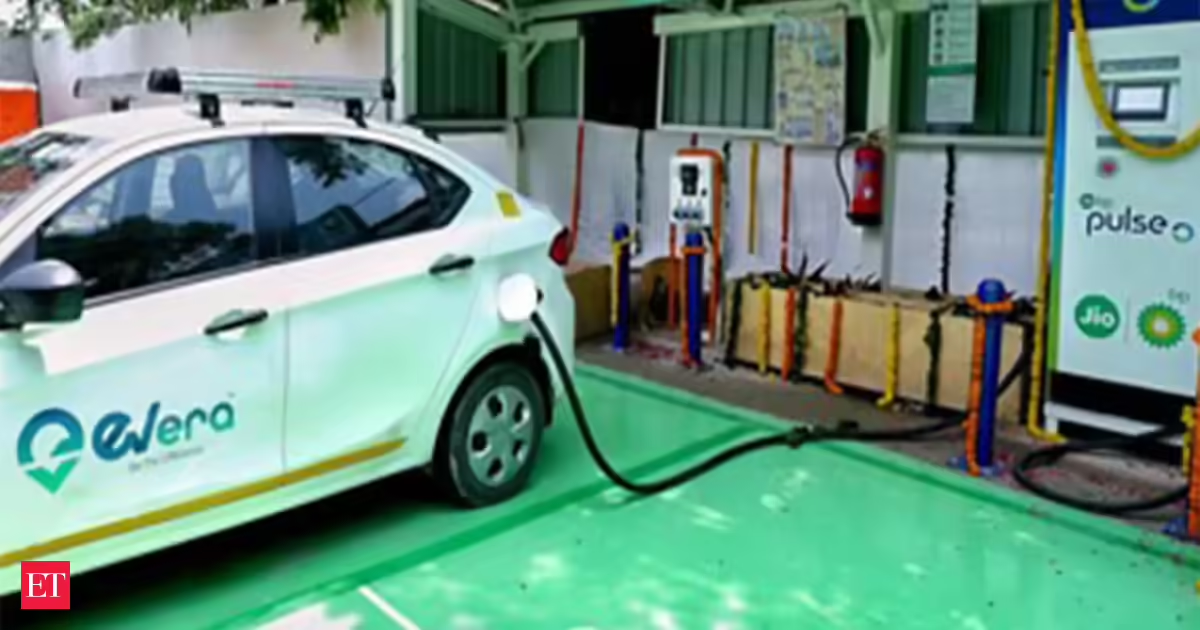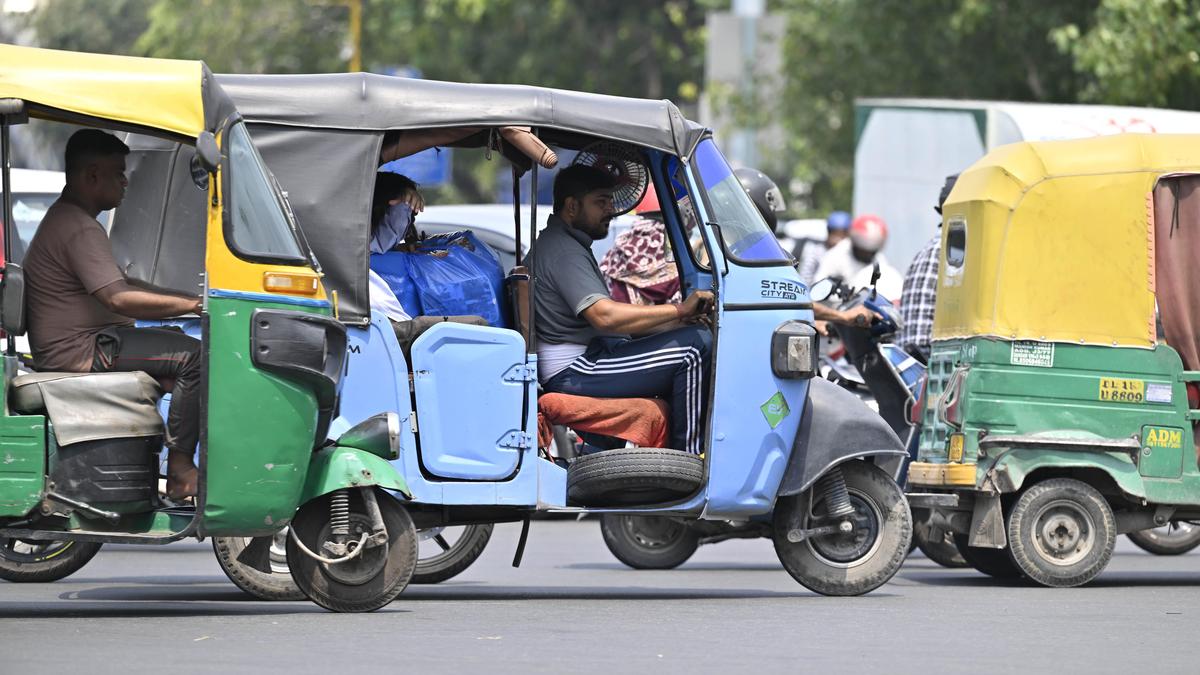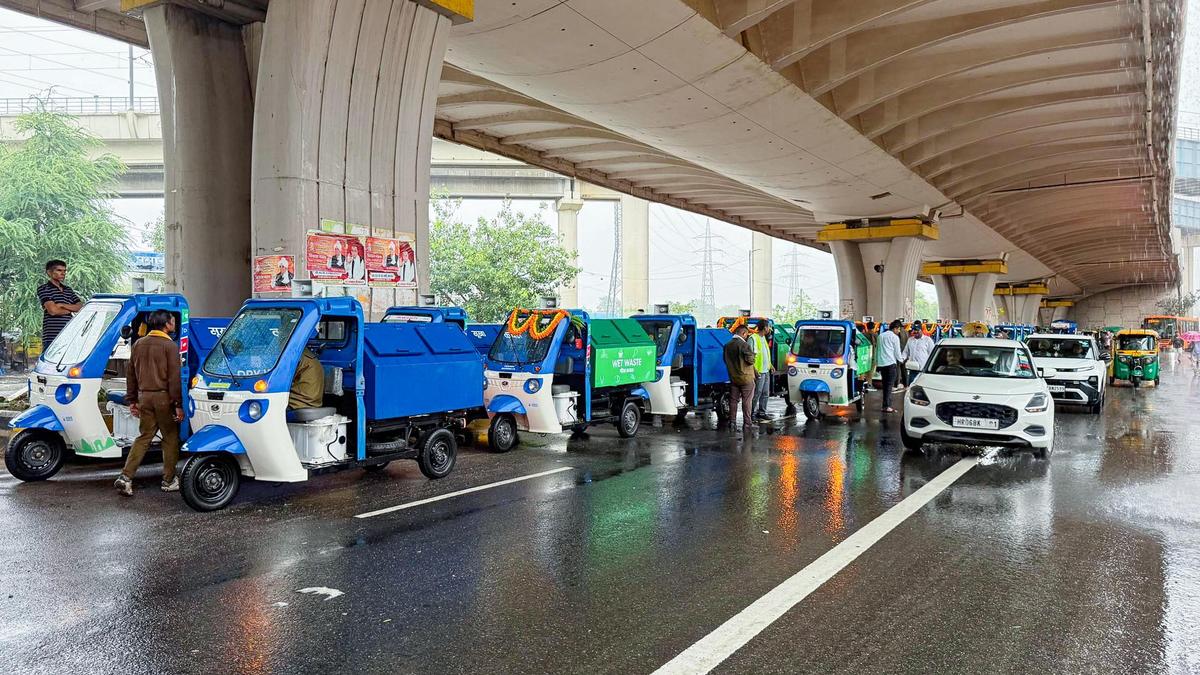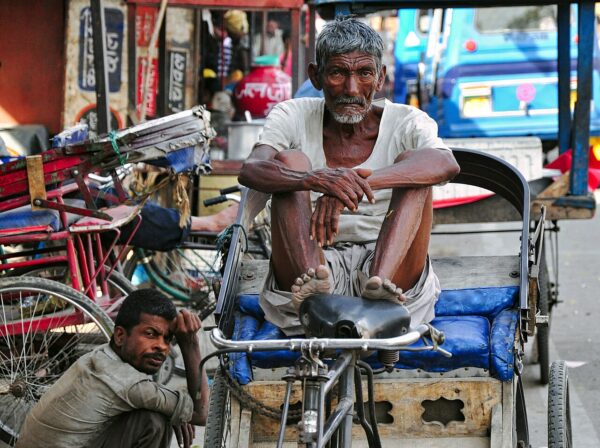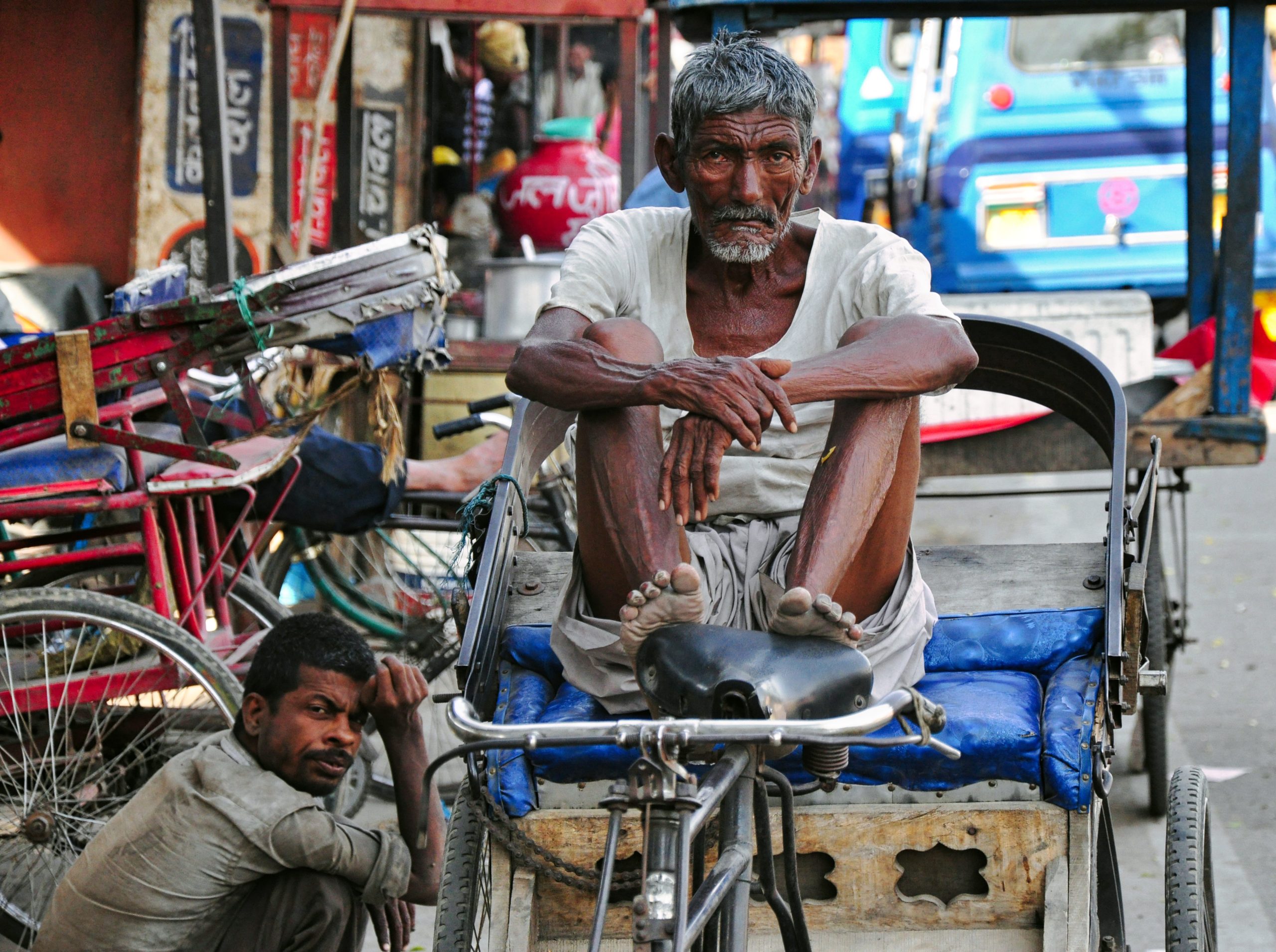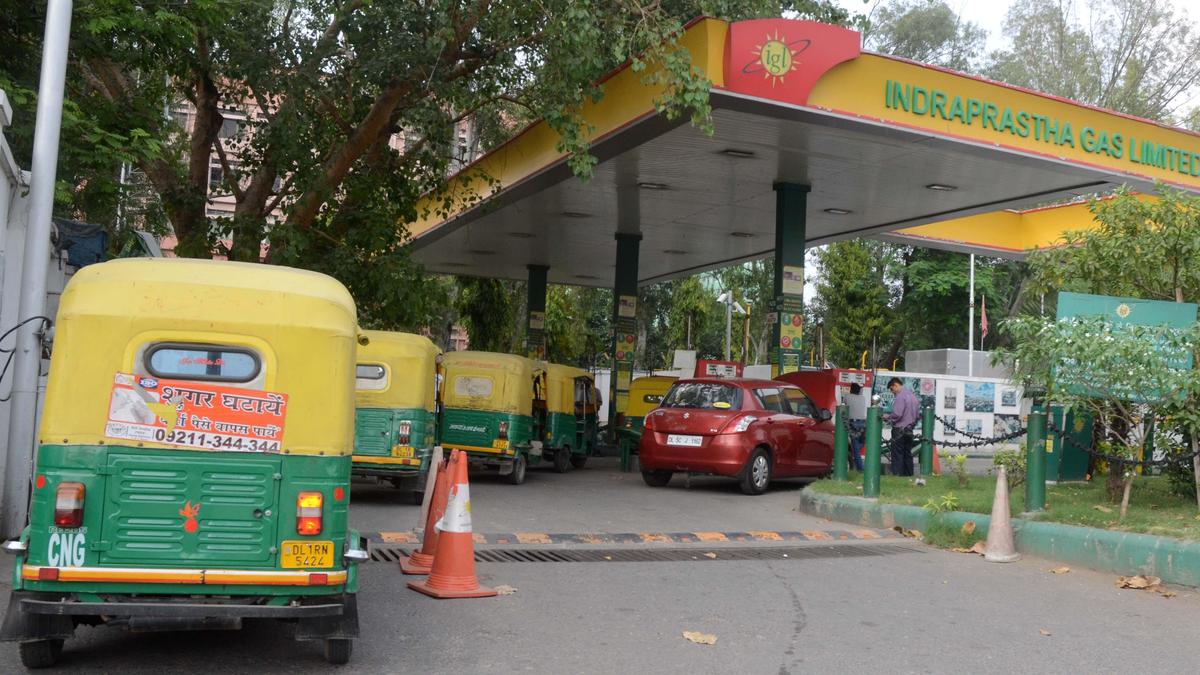
For Pawan Kumar, an auto driver in Daryaganj, every electric auto on Delhi’s roads evokes memories of another transition that reshaped the city’s transport system over two decades ago. Now 65 and driving an electric vehicle (EV), Mr. Kumar still remembers the long queues outside compressed natural gas (CNG) stations, the scramble for conversion kits, and the uncertainty that followed when autorickshaws were ordered to switch from petrol to CNG almost overnight.As Delhi embarks on another clean fuel transition, this time towards EVs, many drivers who lived through the CNG shift wonder whether history will repeat itself.However, unlike the CNG rollout, experts say, the shift to EVs is being implemented in phases, with a rudimentary charging infrastructure in place and plans to expand it further, which could hopefully make the transition less abrupt than the one many drivers still remember.The sudden moveDelhi’s transition to CNG, undertaken to combat severe air pollution, followed a public interest litigation filed in the Supreme Court by environmental lawyer M.C. Mehta in 1996. In 1998, the court directed a series of measures to curb vehicular pollution, including replacing pre-1990 autos and taxis with clean-fuel vehicles by March 31, 2000.“No one said moving to a cleaner fuel was bad, but the move was a bit sudden. There weren’t enough supply stations, and the number of vehicles that could run on CNG was far fewer than required,” Mr. Kumar said, recalling spending at least eight to 10 hours standing in queues to refill his vehicle with gas.“Most drivers agreed to the shift because CNG was cheaper than petrol. CNG was about ₹12 per kg, whereas petrol was ₹28 per litre,” he added.Rajpal, a 60-year-old auto driver at New Delhi railway station, went through a similar experience.“The government told us to convert, but nobody thought about how a driver earning daily wages would arrange the money. The conversion kit was expensive, and workshops gave us dates weeks or even months later. During that time, many autos stayed off the road,” he said.“Drivers and passengers suffered because the infrastructure wasn’t ready when the rules came into force,” he added.By 2001, the transition had gained pace, with 30,000 autorickshaws running on CNG and plans to introduce 20,000 more.“The Supreme Court had directed Indraprastha Gas Limited to set up 80 CNG supply stations. There was a huge mismatch between supply and demand, which resulted in long queues at the stations and delays in refuelling,” said Anumita Roychowdhury, executive director (research and advocacy), Centre for Science and Environment.‘Scaling up’According to the experts, the three-wheeler segment has already moved significantly towards electrification, and they are optimistic about the transition.“The Central government’s VAHAN portal shows that of all three-wheelers sold in India, more than half are electric, including e-rickshaws and e-autos. Delhi already has about 2,500 charging points, and these EVs can be charged at home. All the government has to do is scale up the public charging and battery-swapping infrastructure as swiftly as possible,” Ms. Roychowdhury said.Sarika Panda Bhatt, co-founder of Raahgiri Foundation, echoed Ms. Roychowdhury’s views.“Unlike CNG, which still produces tailpipe emissions, EVs eliminate tailpipe emissions and can also reduce greenhouse gas emissions as the electricity grid becomes cleaner,” she said.Ms. Bhatt also pointed out key differences in implementation. “The EV transition has been more gradual, allowing charging infrastructure, vehicle availability, and the supply chain to expand alongside growing demand,” she said.Concern remainsAuto drivers, however, say the optimism does not reflect the realities on the ground.They argue that charging infrastructure remains inadequate and that battery costs continue to be a major concern. As per the Vaahan portal, the number of auto-rickshaws in Delhi is 53,838, Ms. Roychowdhury said.“Only 2,500 charging points for one lakh autos? The actual number of autos on the ground is almost double that. This is highly insufficient. Solutions such as charging at home are not feasible because of narrow lanes, the lack of proper electricity meters, and limited access to electricity,” said Deependra Chahar, general secretary, Bharatiya Mazdoor Sangh.Haider Ali, former president of the Aam Aadmi Auto Wing, said the cost of batteries and EV repairs would prove expensive for drivers.“The present shift is exactly like the earlier one. Drivers did not go home while standing in CNG queues, which took only a minute to refill. What will happen when drivers stand in queues to charge EVs, which take hours?” he said.As per the Delhi EV Policy 2026, the government has announced that from January 1, 2027, only electric three-wheelers will be registered in Delhi.Internal combustion engine (ICE) vehicles that are already in use will be permitted to operate until the completion of their prescribed lifespan of 15 years.
For Delhi’s auto drivers, the EV shift stirs memories of the rushed CNG transition
Delhi's auto drivers reflect on the challenges of transitioning from CNG to electric vehicles, recalling past struggles and current concerns.
771 words~4 min read