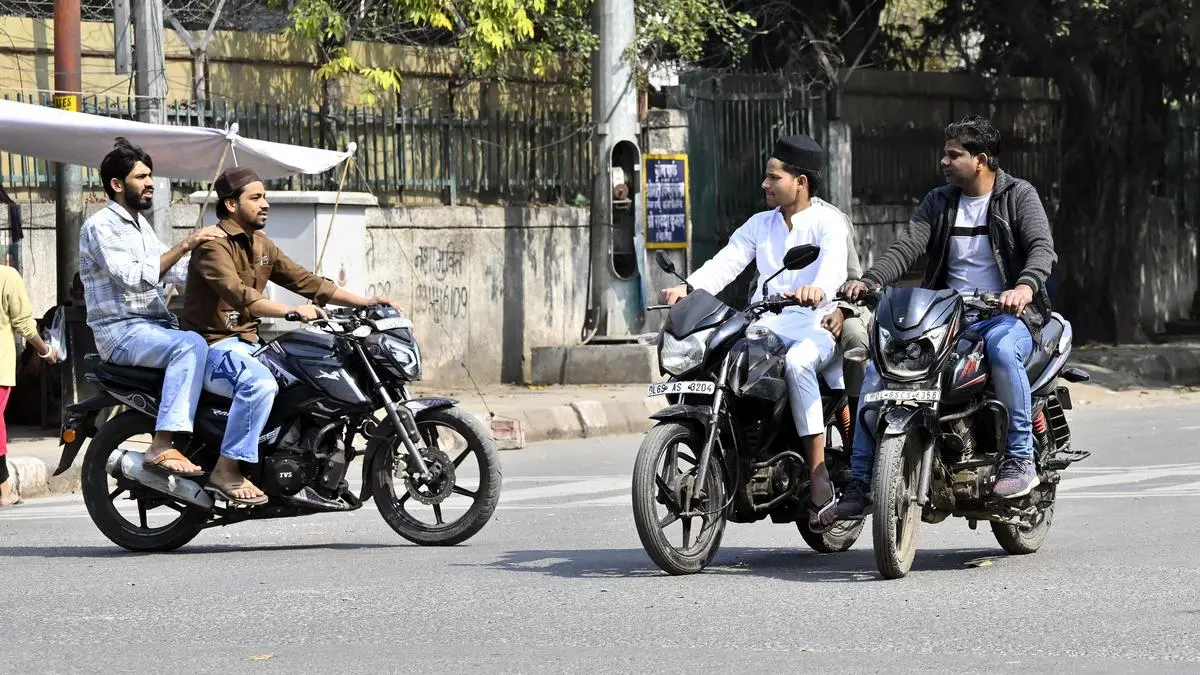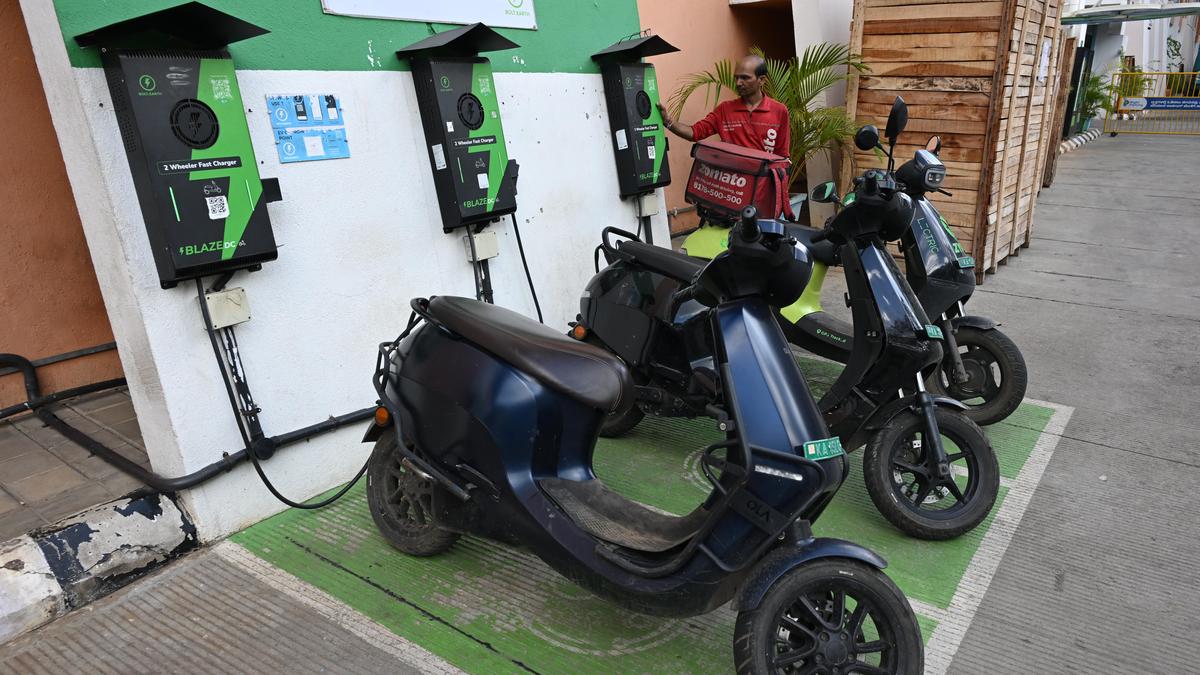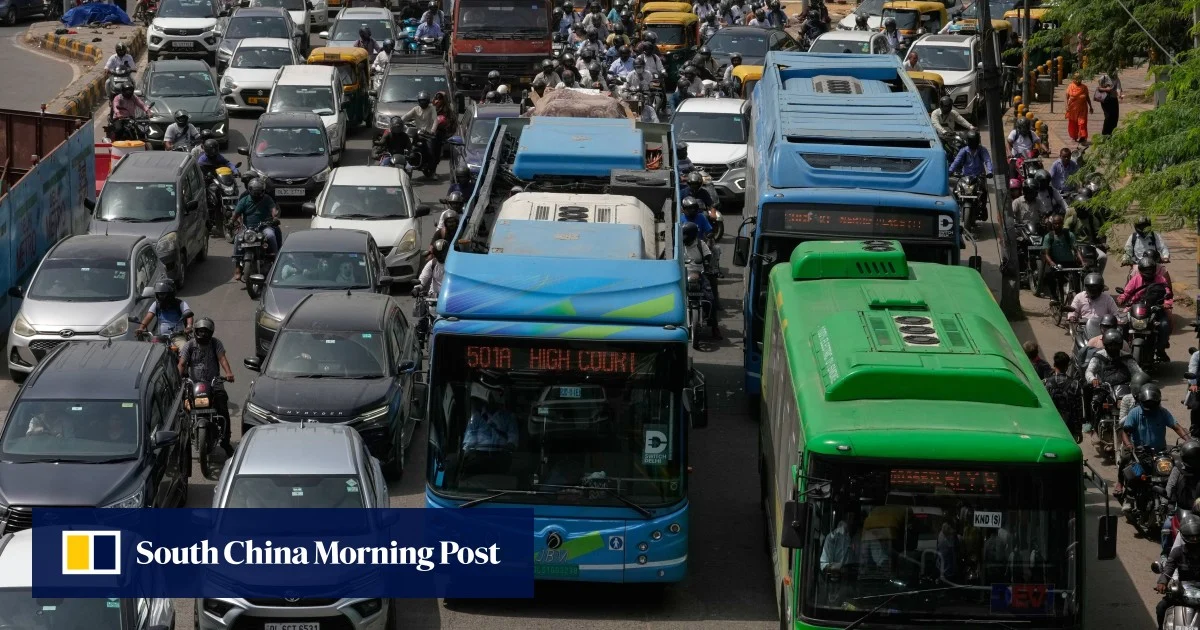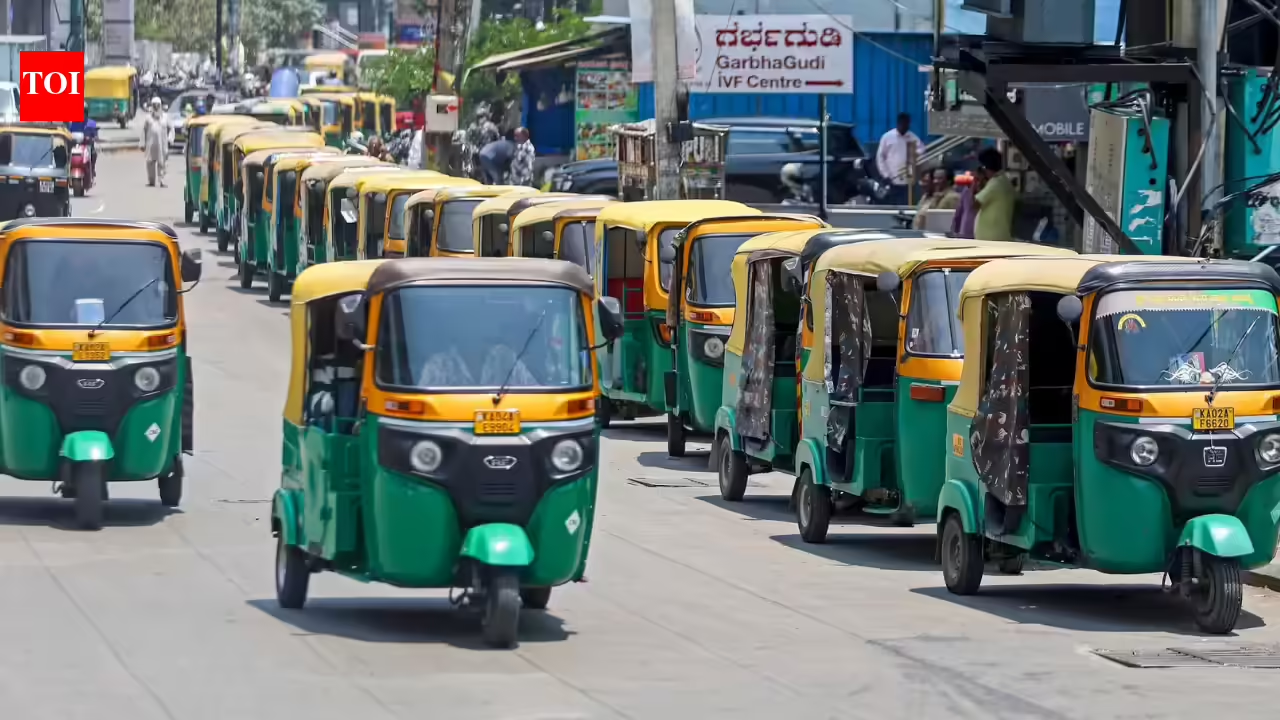
New Delhi: Delhi's electric mobility transition is increasingly being driven by two-wheelers, with electric scooters and motorcycles accounting for nearly four in every 10 electric vehicles registered in the city.According to Envirocatalysts, a research and advisory think tank, the city had 4.30 lakh registered electric vehicles till this year, of which nearly 1.70 lakh, or almost 40 per cent, were electric two-wheelers.Also read: India's electric car sales set to cross 3 lakh units for first time in 2026: ReportTheir growing share comes as the Delhi government plans to phase out internal combustion engines for two-wheelers by stopping their registration from April 1, 2028.On Monday, Delhi Chief Minister Rekha Gupta announced a new EV policy, which will be implemented from July 1. The policy, approved by the cabinet, has been sent to Lieutenant Governor Taranjit Singh Sandhu for final approval.According to the police, registration of new petrol and CNG two-wheelers will be discontinued from April 1, 2028, after which only electric two-wheelers will be registered in the national capital.Environmental experts say the focus on two-wheelers is significant as they account for the largest share of transport-related emissions in the capital."According to the Delhi source apportionment study, the transport sector contributes around 25 per cent of winter air pollution in the city, and nearly 80 per cent of Delhi's transport system is two-wheelers. As more two-wheelers gradually shift to electric vehicles, it is expected to have a significant impact on reducing pollution," Sharif Qamar, Fellow and Associate Director at The Energy and Resources Institute (TERI), told PTI.However, he said Delhi alone cannot solve the problem and that Delhi's roads are used not only by vehicles registered in the city but also by vehicles from neighbouring states.Qamar suggested that similar policies encouraging the transition to electric vehicles should also be implemented in states such as Punjab and Haryana, and more broadly across the Indo-Gangetic Plain."A coordinated regional approach will have a much greater impact on improving air quality, not just in Delhi but across the entire Indo-Gangetic region," he said. Manoj Kumar of the Centre for Research on Energy and Clean Air (CREA) said the policy was a welcome step but stressed that its impact would depend on implementation and similar measures being adopted across the region."The policy is a welcome step, as any shift from fossil fuel-based vehicles to electric vehicles helps reduce the environmental burden. A transition from petrol-powered two-wheelers to EVs will certainly help lower pollution," he said.Kumar added that while Delhi can regulate vehicle registrations within the city, it cannot control fossil fuel vehicles registered in neighbouring states that enter the capital every day."If 1,000 vehicles switch to electric in Delhi and 2,000 are registered as petrol vehicles in neighbouring states, the positive effects of the policy could be reduced. The benefits of such a policy will depend on how effectively it is implemented and whether similar efforts are adopted across the region," he told PTI.He further added that the electricity used to charge EVs should come from renewable sources, and the e-waste management policy must be implemented well to deal with batteries and other componentsThe trend is already visible in vehicle registration data.Delhi recorded its highest vehicle registrations for the January-May period since 2019, with over 3.54 lakh vehicles registered during the first five months of the year. Two-wheelers accounted for over 2.36 lakh of these registrations, nearly two-thirds of the total.Of the 2.36 lakh two-wheelers registered, 2.15 lakh were petrol-powered, accounting for 91.2 per cent of the segment. Electric two-wheelers accounted for 20,239 registrations, or 8.6 per cent, while 572 CNG-powered two-wheelers made up the remaining 0.2 per cent.Electric two-wheeler registrations, however, have been on the rise.They increased from just 533 during the January-May period in 2019 to 379 in 2020, 1,209 in 2021, before jumping to 12,220 in 2022. Registrations rose further to 17,573 in 2023, slipped to 15,611 in 2024 and 11,939 in 2025 before climbing to a record 20,239 this year.The Economic Survey pegged the total number of motor vehicles in Delhi in FY 2025-26 at 87.61 lakh, an increase of 7.93 per cent as compared to the previous fiscal.Two-wheelers remained the largest category in Delhi's vehicle fleet, with 59.27 lakh registered motorcycles and scooters accounting for 67.65 per cent of all registered vehicles in the city.Anumita Roychowdhury, Executive Director at the Centre for Science and Environment (CSE), said two-wheelers remain among the biggest contributors to vehicular emissions in Delhi.Across all vehicle categories, petrol-powered vehicles continued to dominate Delhi's registrations according to data, accounting for 72.9 per cent of the overall mix this year.Electric vehicles accounted for 11 per cent of registrations, followed by petrol-CNG vehicles at eight per cent, CNG vehicles at 3.7 per cent, fossil hybrids at 1.7 per cent, diesel vehicles at 1.6 per cent and EV hybrids at 1.2 per cent.
Nearly 4 in 10 Delhi EVs are two-wheelers, data shows; experts back EV adoption
Delhi is accelerating its electric mobility drive, with two-wheelers now forming nearly 40% of registered electric vehicles. The city plans to ban new petrol and CNG two-wheeler registrations from April 2028, aiming to curb significant transport-related emissions. Experts emphasize the need for regional policy alignment to maximize pollution reduction benefits across the Indo-Gangetic Plain.
801 words~4 min read