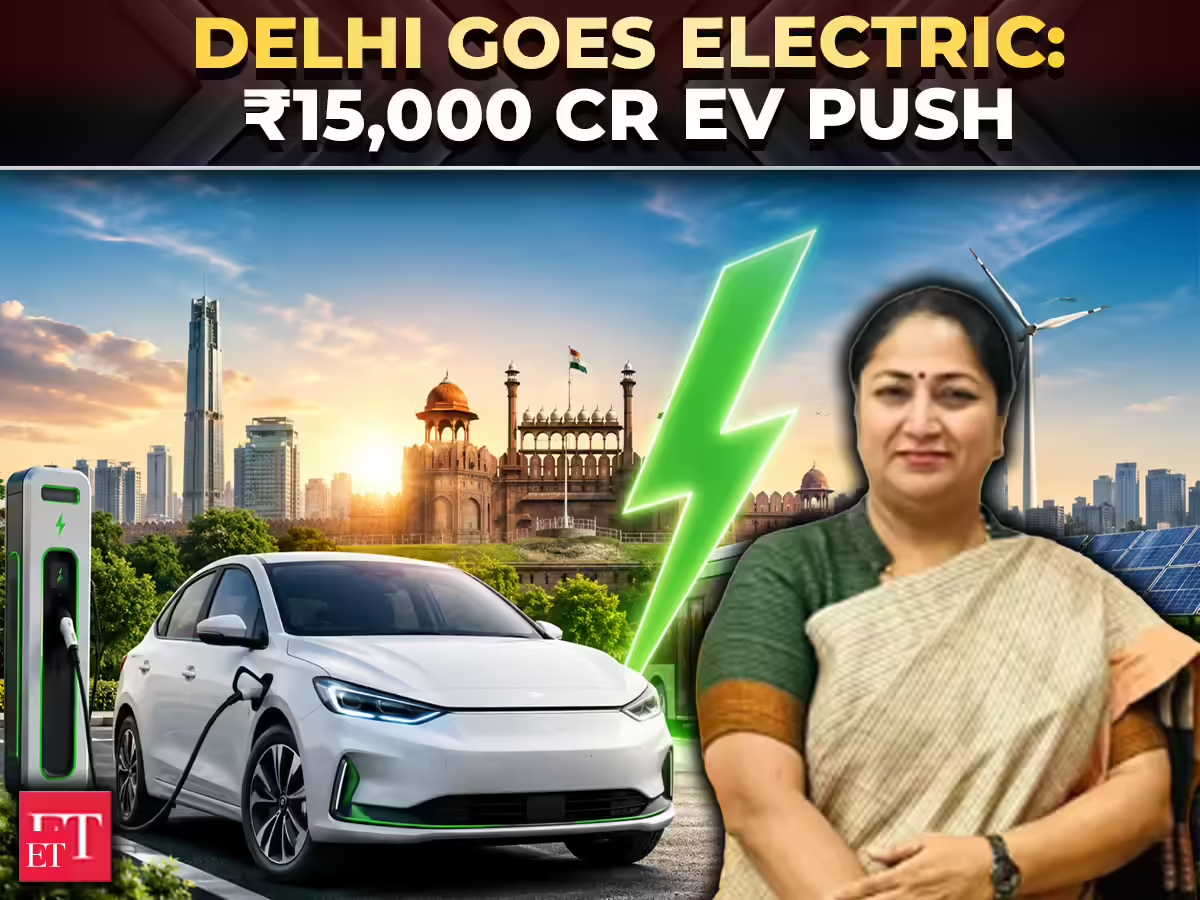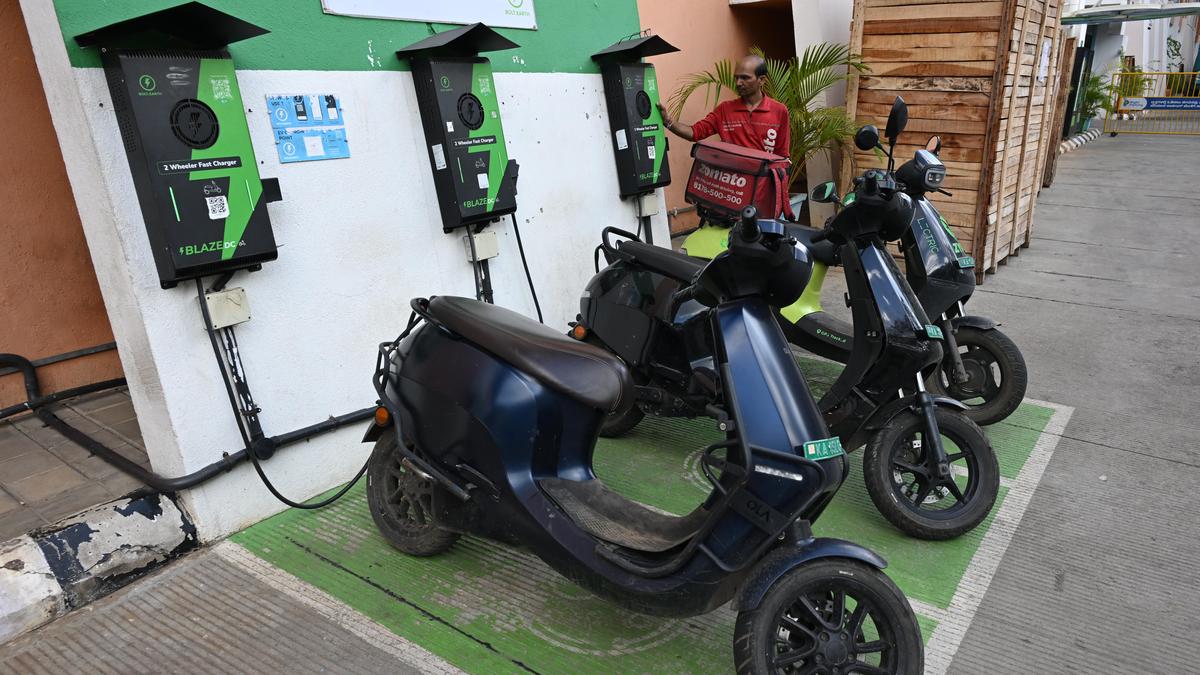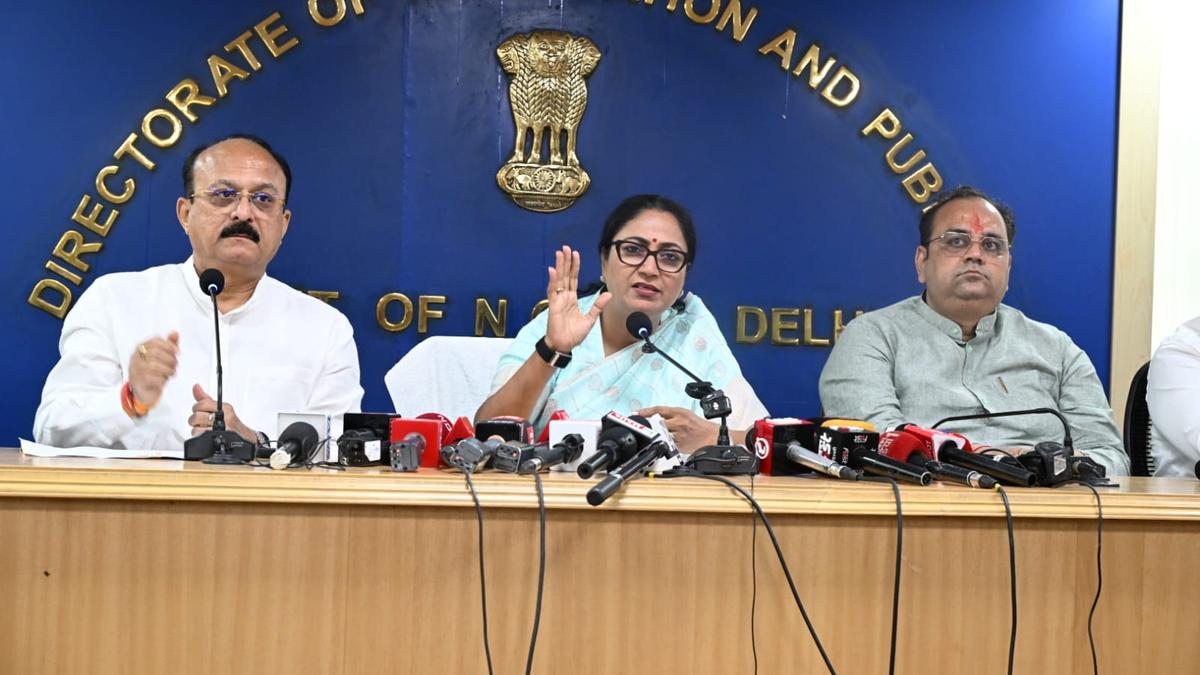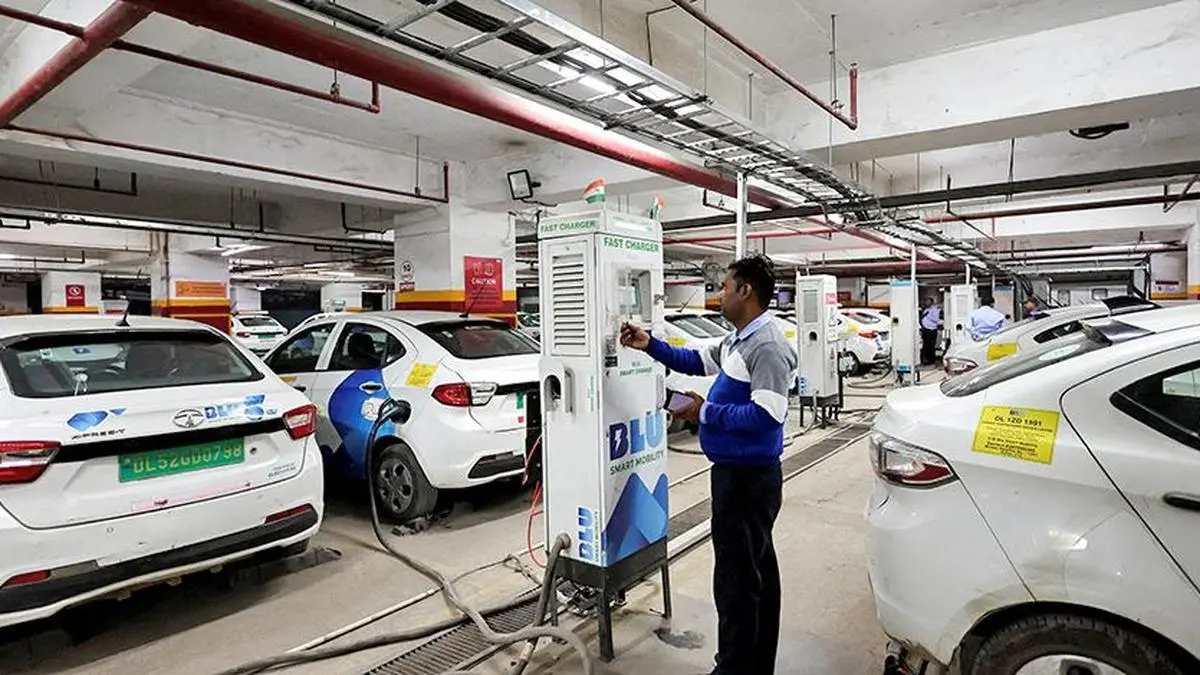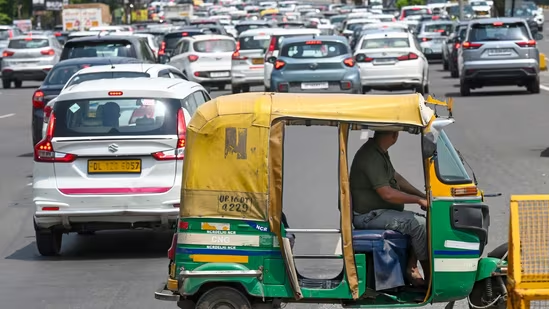
Under the policy, the government will provide a 100% fee exemption on road tax and registration fee till 2030 to selected EVs. Exemptions on EV registration fees, no petrol bikes from 2028 and electric three-wheelers from next year are among the key measures approved under Delhi's new EV policy, aimed at bringing vehicular pollution down to zero.Chief Minister Rekha Gupta said benefits worth around ₹15,000 crore, including government investment, tax exemptions and EV infrastructure development, will be provided under the policy. (Photo by Sunil Ghosh / Hindustan Times)The policy, which comes into effect on July 1, 2026, will remain in force till March 2030 and ensure a pollution-free Delhi by March 2030.An investment of ₹15,000 crore will be made under the policy, which also includes 30,000 EV charging points and a separate portal.What is inside Delhi EV PolicyRegistration fee exemption: Under the policy, the government will provide a 100% fee exemption on road tax and registration fee till 2030. The exemption will be applicable on cars under ₹30 lakh (ex-showroom). The incentives will be transferred directly to beneficiaries' bank accounts through Direct Benefit Transfer. ₹15,000 crore investment: Delhi chief minister Rekha Gupta said benefits worth around ₹15,000 crore, including government investment, tax exemptions and EV infrastructure development will be implemented in the next four years. Delhi Transco Limited will lead the expansion of public charging and battery swapping stations.Boost to EV: Apart from incentivising electric vehicles, the policy has a provision for electric two-wheelers and three-wheelers. The government has mandated that only electric three-wheelers will be registered in the national capital from 1 January 2027. However, the incentives won't be applicable for hybrid vehicles.No petrol bikes: The registration of petrol bikes will no longer continue from April 2028 as the government will only allow the registration of electric two-wheelers. Changes for trucks, buses too: The policy also mandates that 30 per cent of school buses will be electric by 2030. The policy also states that only electric mini-trucks or N1 goods carriers will be registered from Jan 1, 2027.Incentives for EV buyers: To encourage adoption of electric vehicles, the government has announced incentives for purchase of two-wheelers and three-wheelers. Those buying electric two-wheelers will get a subsidy of ₹30,000 in the first year, ₹20,000 in the second year and ₹10,000 in the third year. Buyers of electric three-wheelers, will be eligible for incentives of ₹50,000, ₹40,000 and ₹30,000 in the first, second and third years, respectively.Incentive on vehicle scrapping: The government has also announced a scrapping incentive of ₹1 lakh for owners of BS-IV or older four-wheelers who scrap their vehicles and switch to EVs.The government has said a total of 4,70,104 electric vehicles were registered in Delhi till March 2026. The policy seeks to transform Delhi into a pollution-free city through zero-emission transport and will remain in force till March 31, 2030.
Incentives for EVs, no new petrol bikes, CNG autos: What is inside Delhi EV policy | Explained
Under the policy, the government will provide a 100% fee exemption on road tax and registration fee till 2030 to selected EVs. | India News
473 words~2 min read