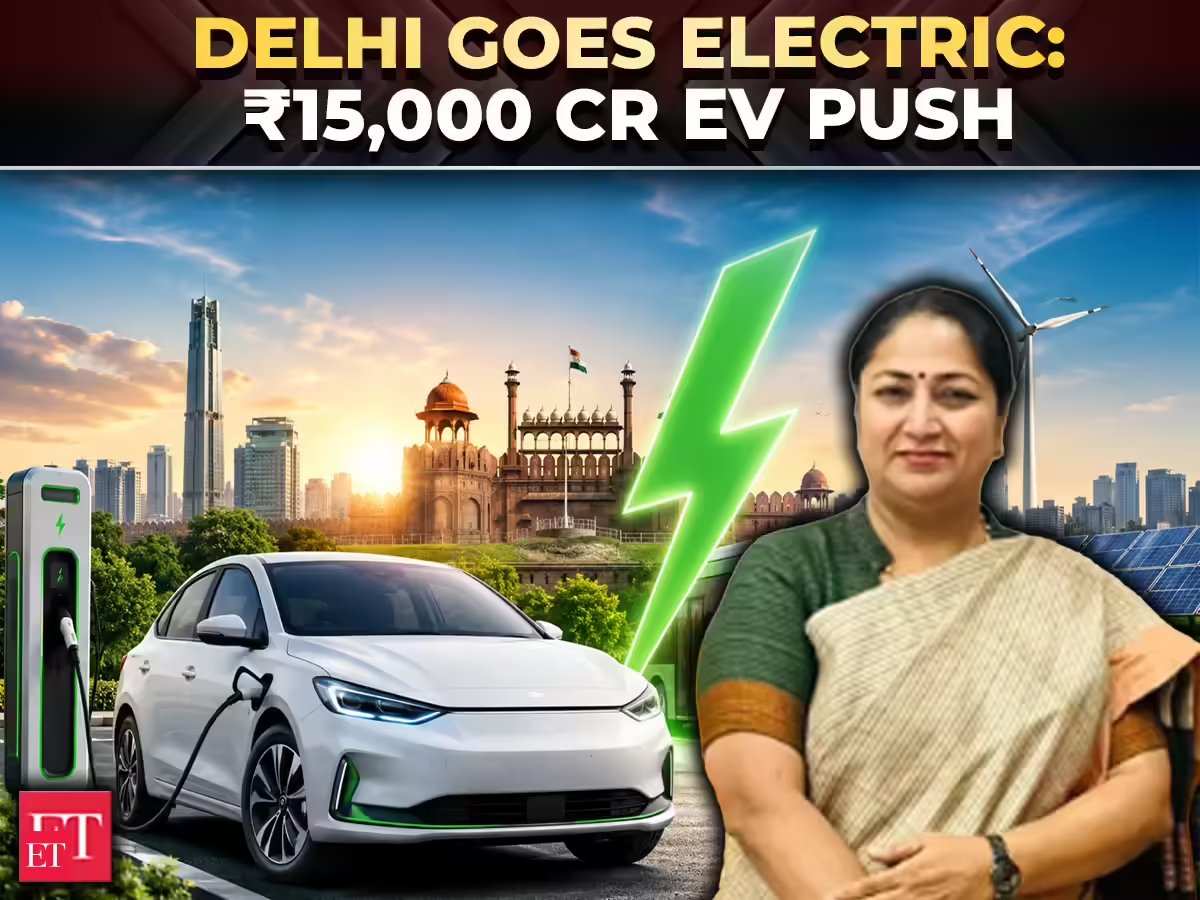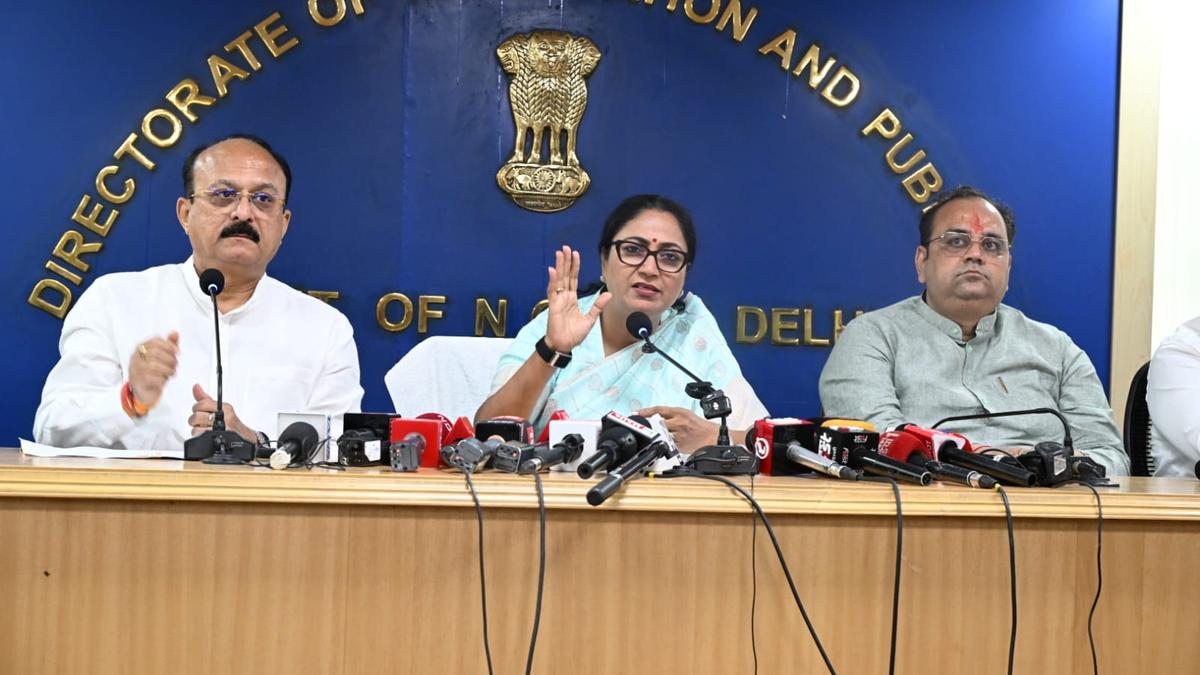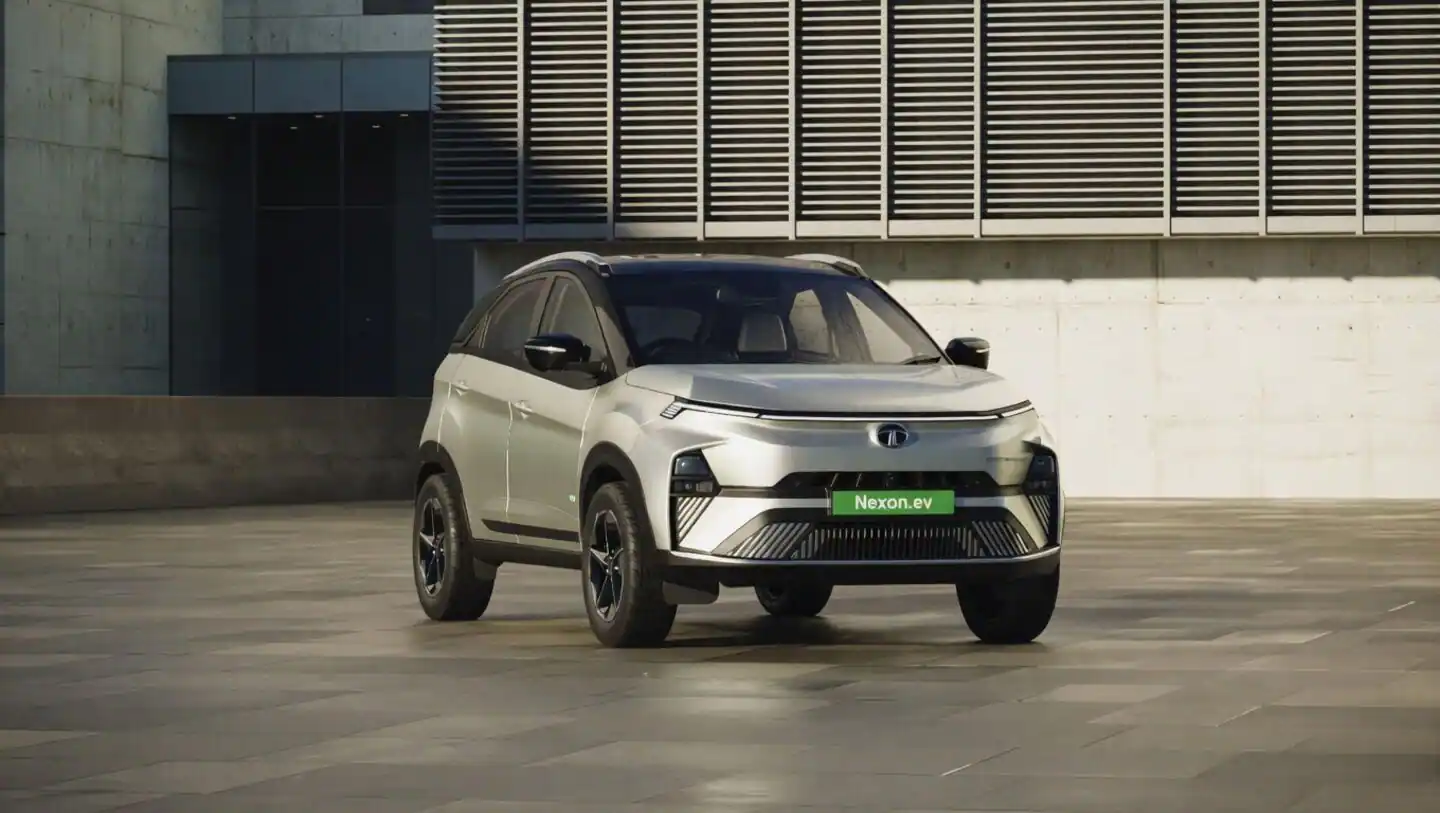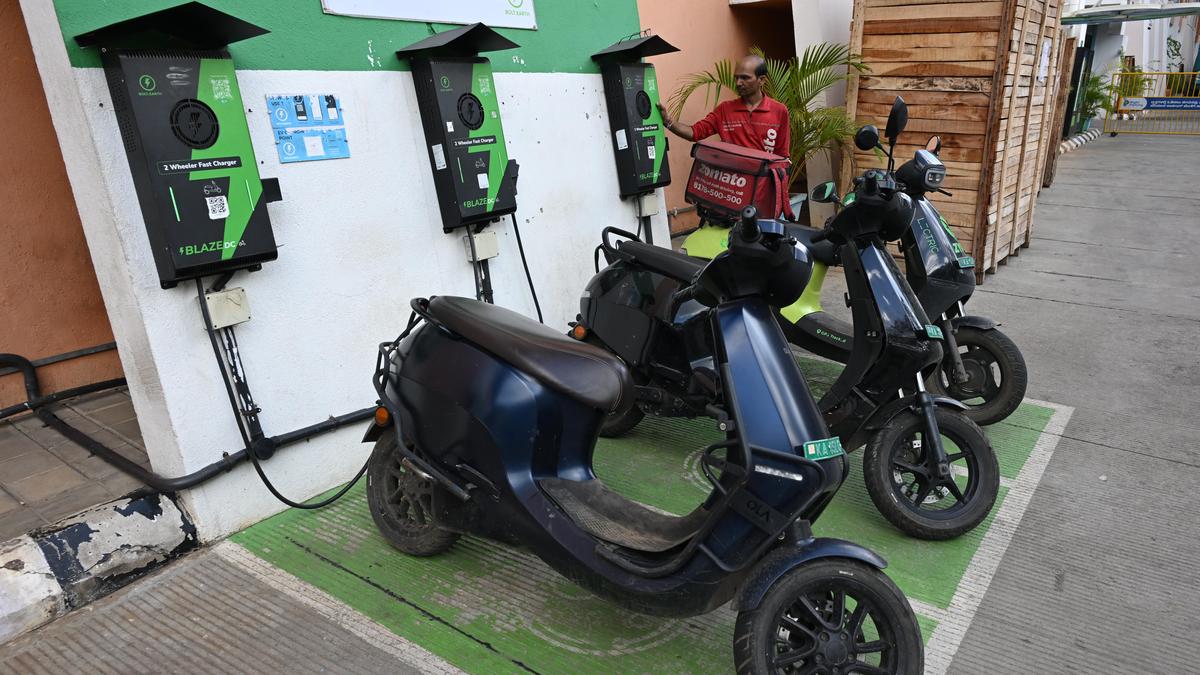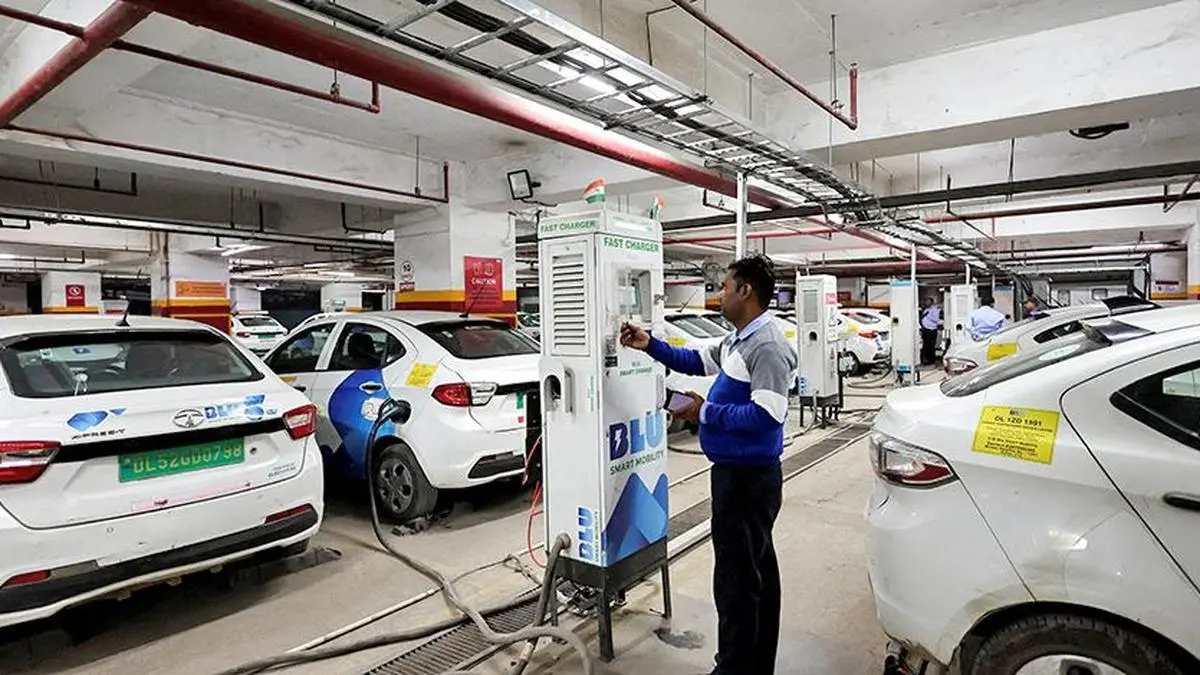
Despite resistance from traditional internal combustion engine (ICE) manufacturers, the Delhi Cabinet approved the new Electric Vehicle (EV) Policy 2.0 on Monday. The updated policy grants a complete road tax and registration fee waiver for electric cars priced up to ₹30 lakh.Chief Minister Rekha Gupta said that around ₹15,000 crore will be invested under the new policy over the next four years (July 1, 2026- March 31, 2030) to promote electric mobility and reduce vehicular pollution in the National Capital Region (NCR).Under the policy, registration of ICE two-wheelers will not be allowed from April 1, 2028. Similarly, only electric three-wheelers (L5 -- Passenger and Goods autos) and electric N1 (light commercial vehicles capable of carrying loads of up to 3.5 tonnes) goods carriers will be allowed from January 1, 2027.As per the policy guidelines, customers buying electric two-wheelers (E2Ws) will get a subsidy of up to ₹30,000 in the first year; ₹20,000 in the second year; and ₹10,000 in the third year. Likewise, for e-three-wheelers, the subsidy will be up to ₹50,000 and for electric N1 it will be up to ₹1 lakh.The policy has been strongly opposed by ICE two-wheeler manufacturers. Society of Indian Automobile Manufacturers (SIAM) has recommended that the EV policy target the removal of old, polluting vehicles from the road, rather than blocking the registration of advanced, clean BS-VI two-wheelers.According to the industry body, ICE two-wheelers contribute only 7 per cent of PM2.5 emissions, well behind construction (30 per cent), industry (15 per cent) and commercial vehicles (15 per cent).E2Ws manufacturers like Ather Energy and Kinetic Green welcomed the policy.“Almost 80 per cent of the vehicles sold are two and three-wheelers and reduction of pollution by transitioning to electric format will definitely help reducing pollution,” Sulajja Firodia Motwani, Founder and CEO, Kinetic Green, told businessline.“What stands out is not just the scale of the investment, but the way the policy has been designed. The combination of incentives, phased electrification mandates and charging infrastructure creates a very strong foundation,” Tarun Mehta, Co-founder and CEO, Ather Energy said.Published on June 29, 2026
Delhi Cabinet approves EV Policy 2.0 amidst concerns from ICE vehicle makers
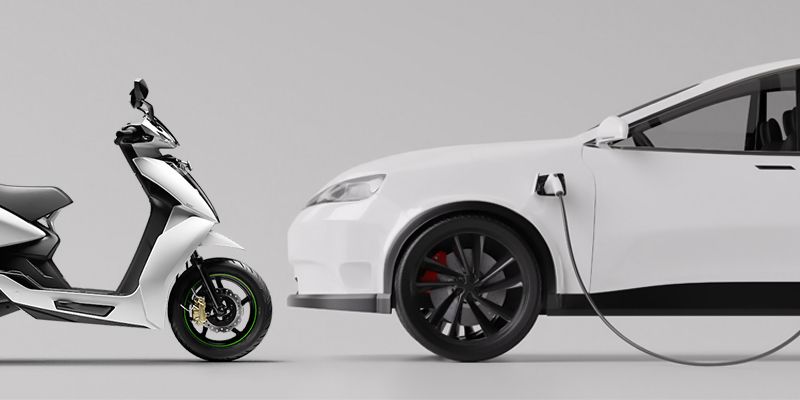
As per the policy guidelines, customers buying electric two-wheelers (E2Ws) will get a subsidy of up to ₹30,000 in the first year; ₹20,000 in the second year; and ₹10,000 in the third year
344 words~2 min read