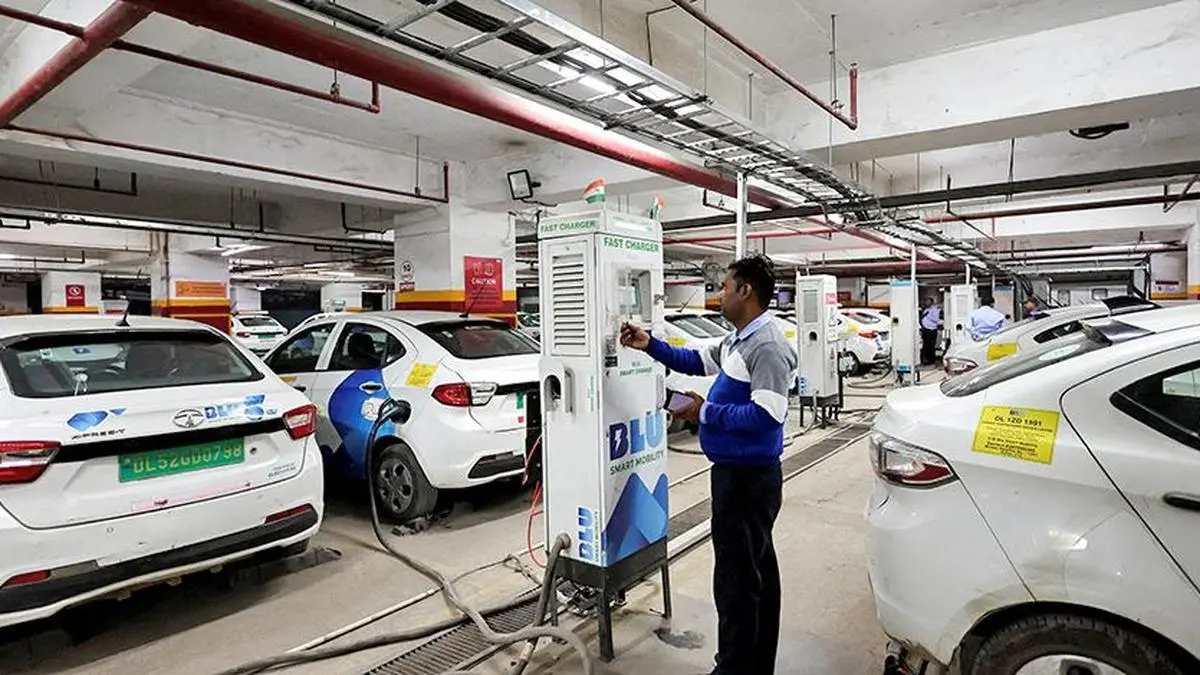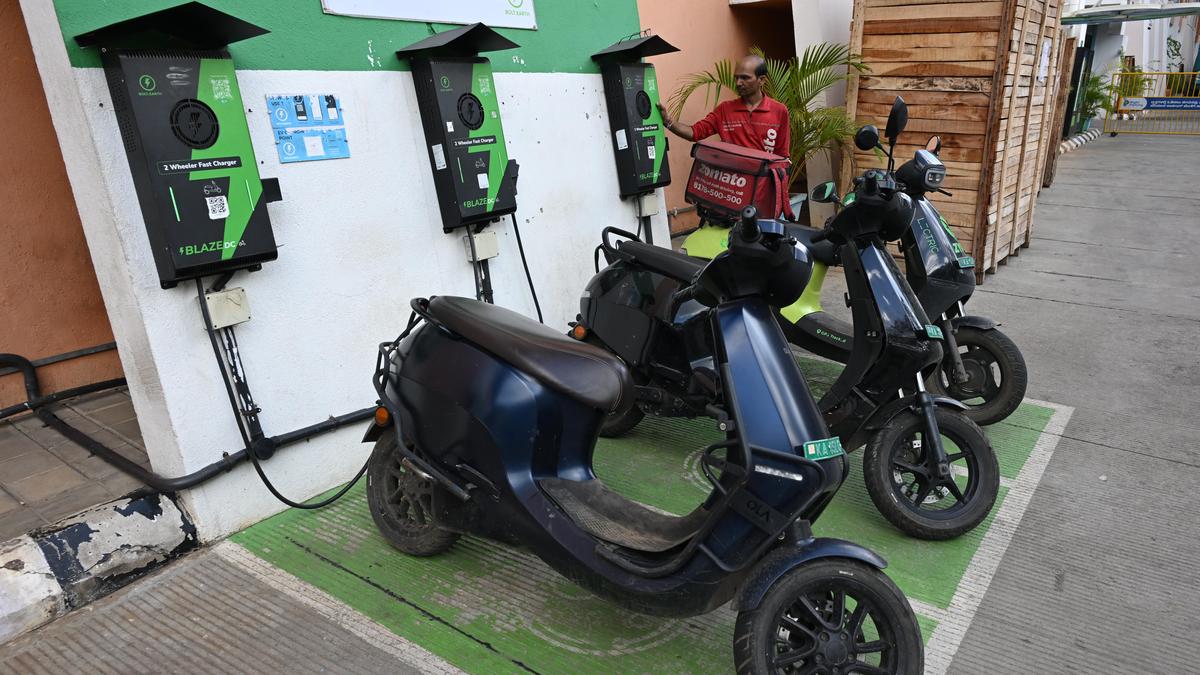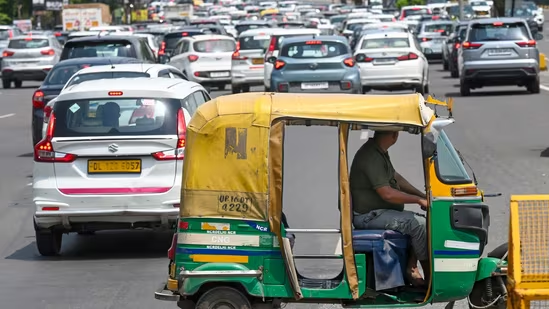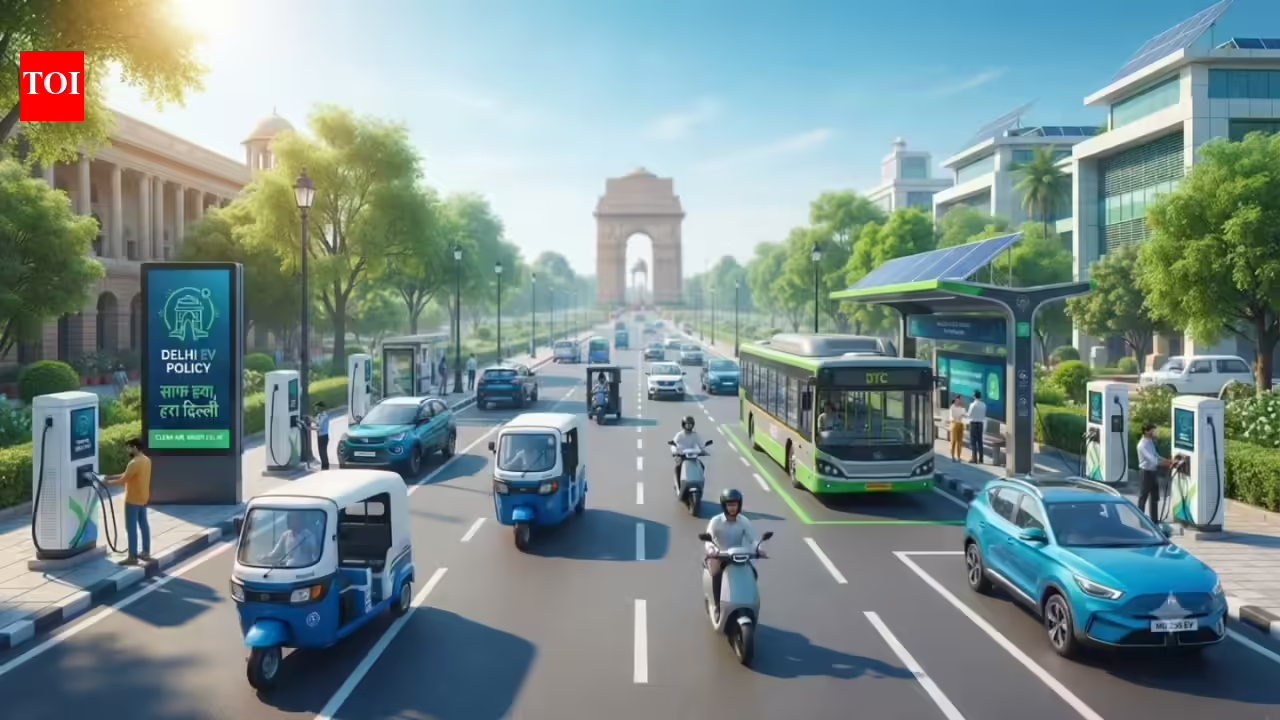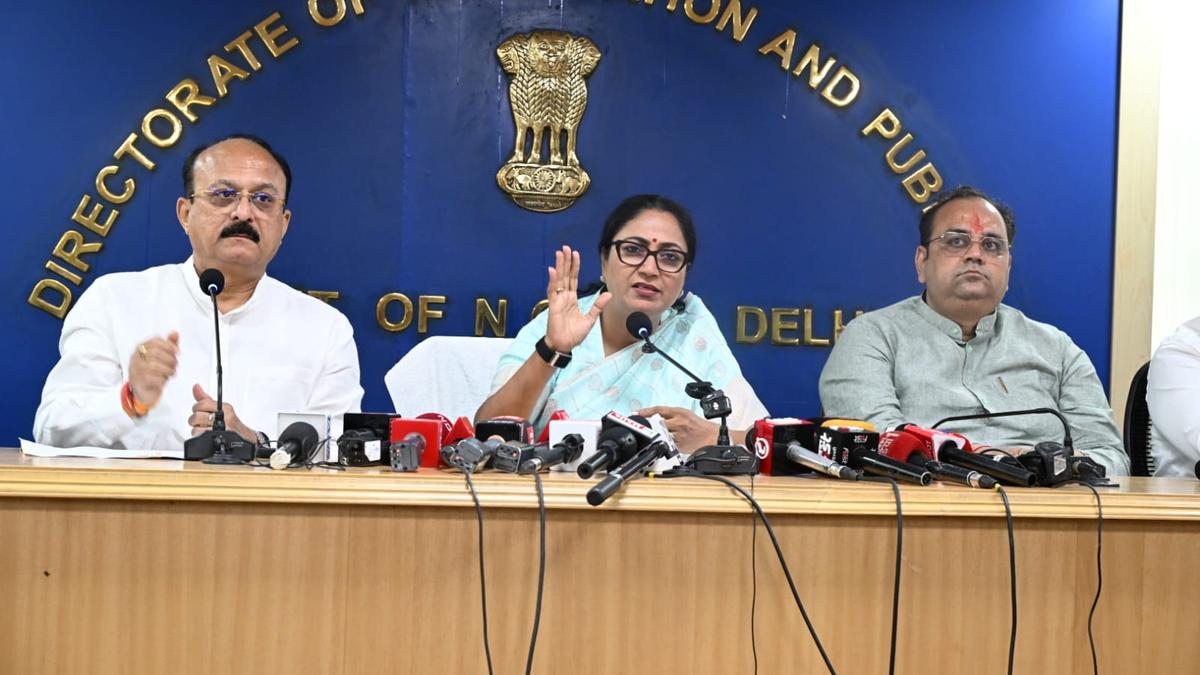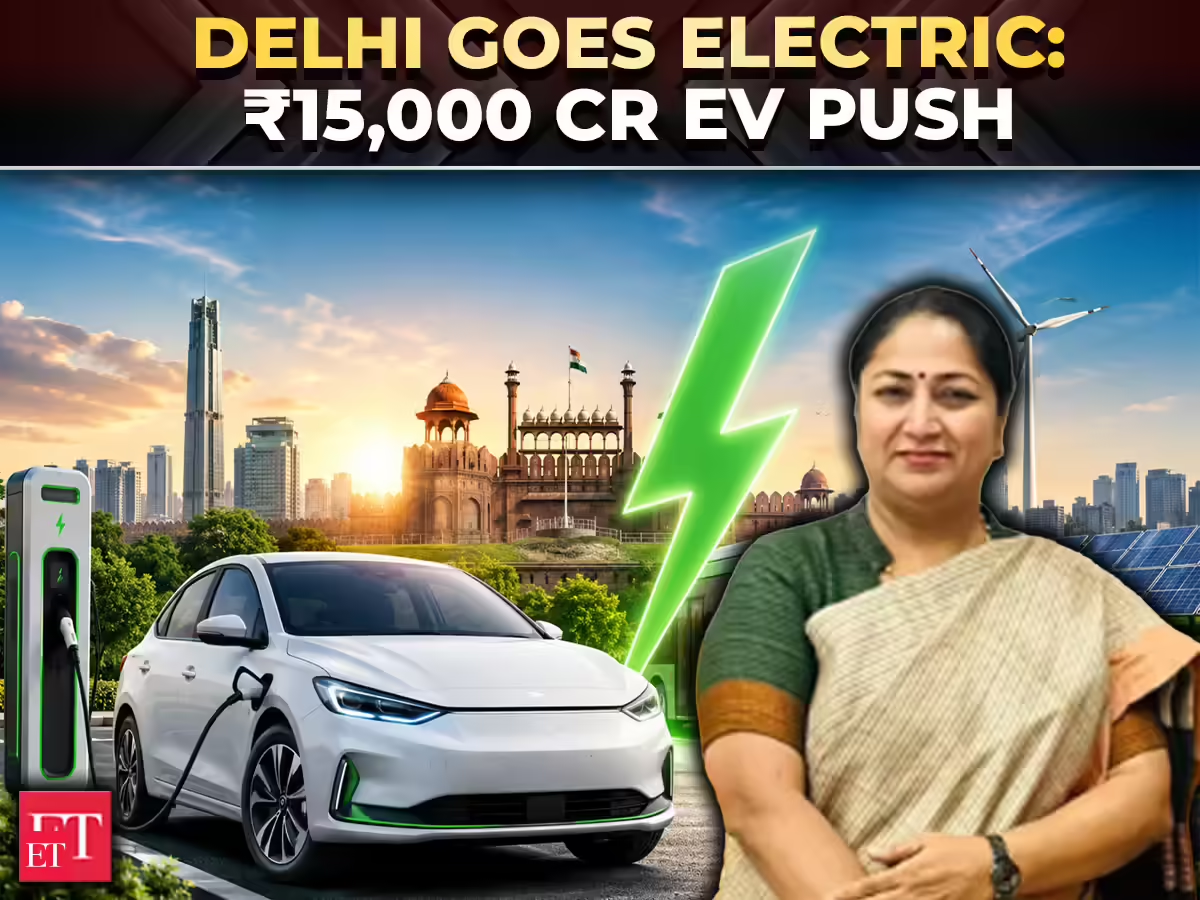
SynopsisA groundbreaking EV policy is set to roll out in Delhi, promising generous incentives of up to Rs 50,000 for electric two and three-wheelers and Rs 100,000 for dismantling old cars. With a robust budget allocation of Rs 15,000 crore, the goal is to achieve 95% electric vehicle registration by 2027, effectively phasing out petrol and CNG variants.Listen to this article in summarized formatThe Delhi government Monday said it will extend incentives of up to Rs 50,000 on purchase of electric two-wheelers and three-wheelers in the first year of implementation of its new EV policy, along with the existing waiver on road taxes, to accelerate adoption of clean mobility options in the state.The government will also provide an incentive of up to Rs 100,000 for scrapping an old car and replacing it with an EV. In all, the government has earmarked Rs 15,000 crore in purchase incentives, scrap page benefits and development of charging infrastructure over a period of four years till 2030 to fast-track the transition to EVs.The Electric Vehicle (EV) Policy 2.0 - expected to come into force from July 1 - aims to transform 95% of all new vehicles registered to electric by 2027, Chief Minister Rekha Gupta Monday said, adding the policy seeks to make EVs more affordable while gradually phasing out fossil fuel-powered vehicles in key segments.Only electric autorickshaws will be registered in Delhi from January 1, 2027, while registration of new petrol and CNG two-wheelers will be phased out, with only electric two-wheelers to be registered from April 1, 2028.To encourage faster adoption, the government will provide a subsidy of Rs 30,000 for all electric two-wheeler buyers and Rs 50,000 for electric three-wheeler purchasers during the first year of the policy. In addition, owners of older cars will be eligible for a scrapping incentive of Rs 100,000 to encourage replacement of older, more polluting vehicles with cleaner alternatives.Gupta said the policy has been designed to accelerate EV adoption through a mix of financial incentives and regulatory measures, making clean mobility more accessible for both individual consumers and commercial operators.Tarun Mehta, CEO, Ather Energy, in a post on micro-blogging platform X said the policy marks of the most significant city-level pushes for electrification in India. “What stands out is not just the scale of the investment, but the way the policy has been designed. The combination of incentives, phased electrification mandates and charging infrastructure creates a very strong foundation.”Although the draft version of the policy had proposed 50% waiver on road tax for hybrid vehicles priced up to Rs 30 lakh, the final policy has dropped the proposal signalling a concerted push for full electrification.“The policy has the potential to substantially reduce vehicular emissions while creating new economic opportunities and can serve as a model for other states to adopt similar clean mobility initiatives suited to their local needs”, Nirmal K Minda, President, ASSOCHAM said.Anurag Singh, Managing Director at Primus Partners, said, “The ban on registrations of new petrol and CNG two- and three-wheelers, combined with subsidies for electric vehicles and charging infrastructure, is a strong policy push. The Rs 15,000 crore budget allocation is substantial and signals serious intent. Now, the key factor will be how effectively the policy is implemented.”Read More News on...moreless
Delhi EV Policy 2.0 offers subsidies of up to Rs 50,000 on electric two- and three-wheelers
A groundbreaking EV policy is set to roll out in Delhi, promising generous incentives of up to Rs 50,000 for electric two and three-wheelers and Rs 100,000 for dismantling old cars. With a robust budget allocation of Rs 15,000 crore, the goal is to achieve 95% electric vehicle registration by 2027, effectively phasing out petrol and CNG variants.
540 words~2 min read