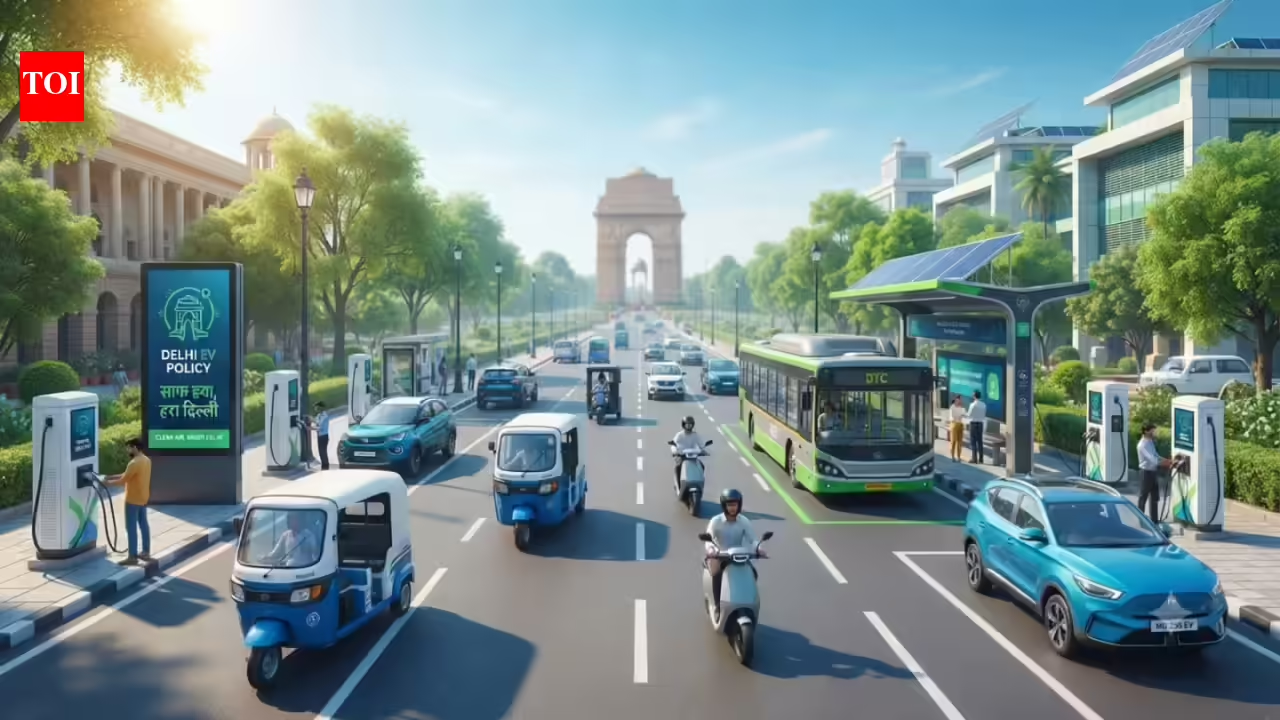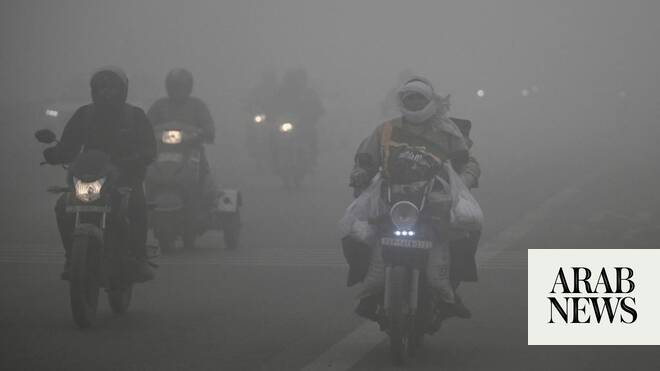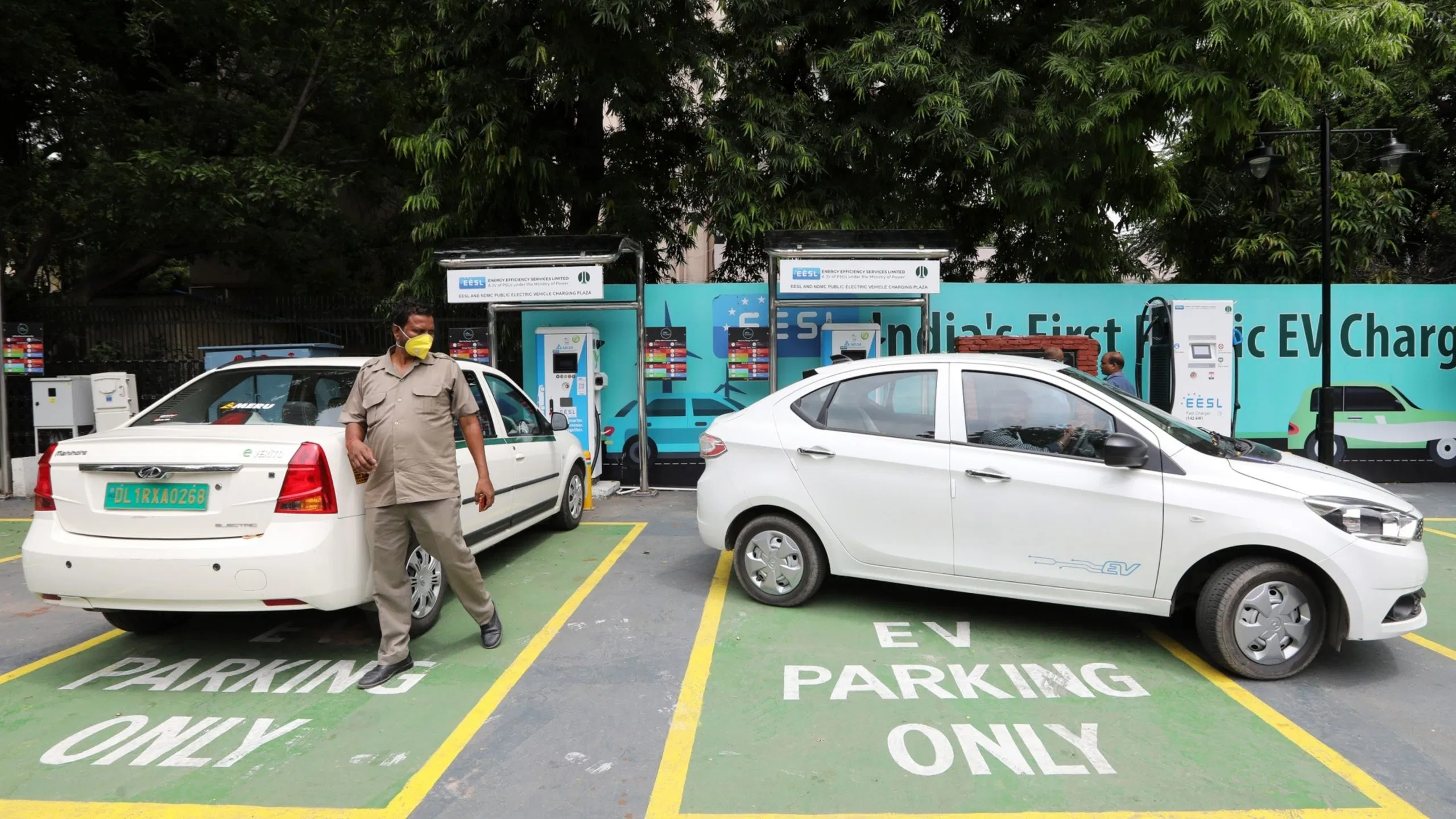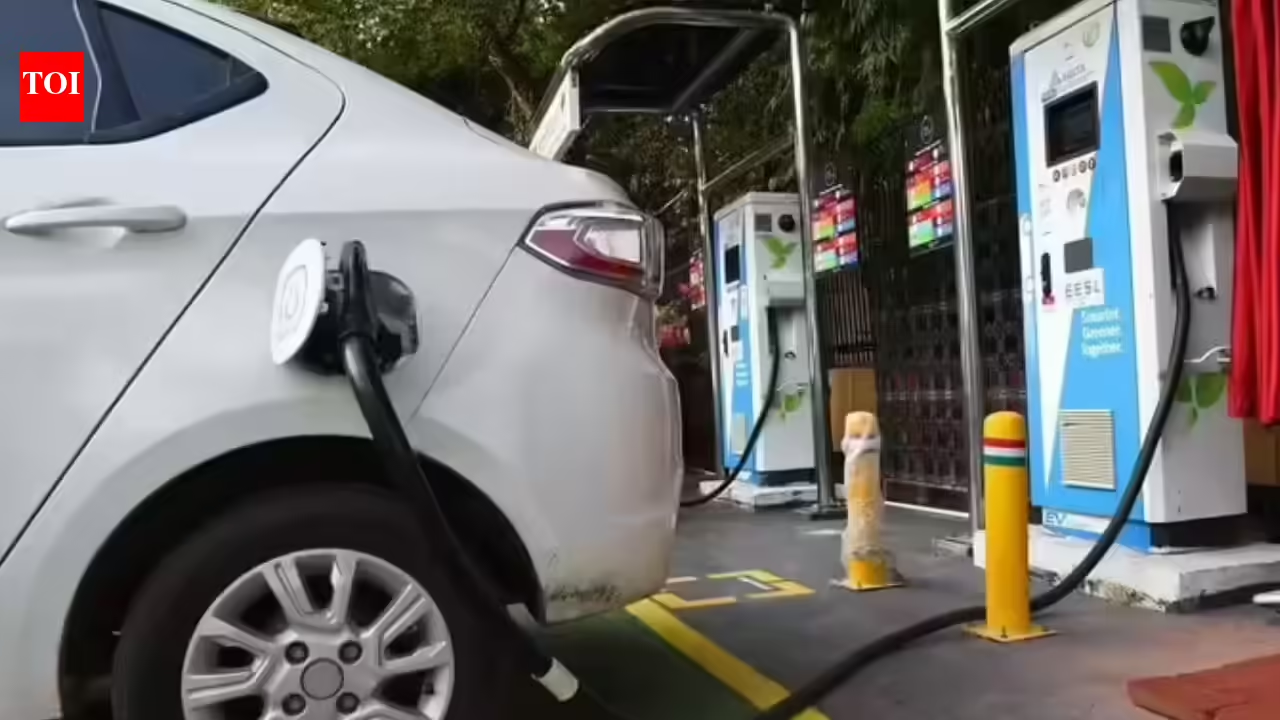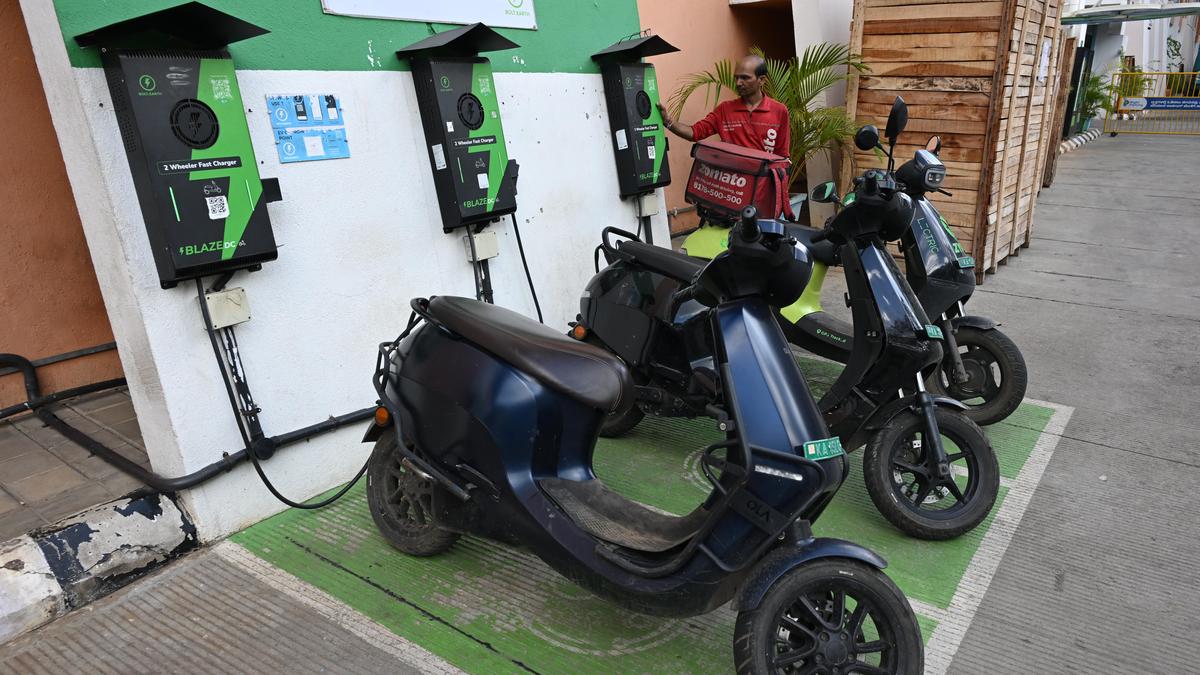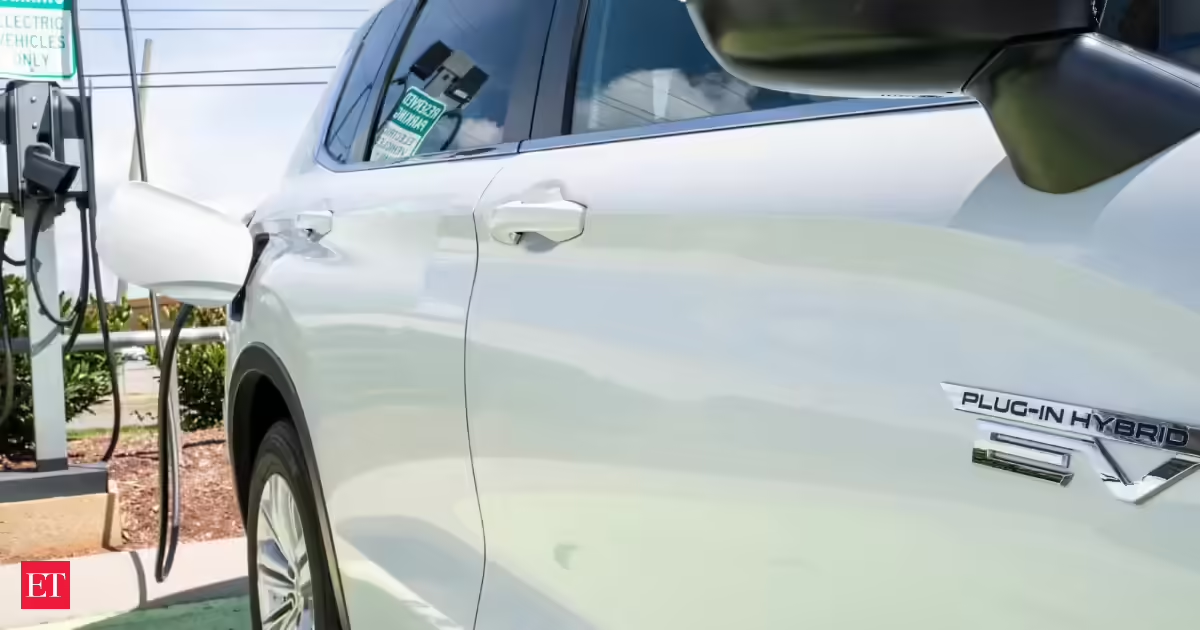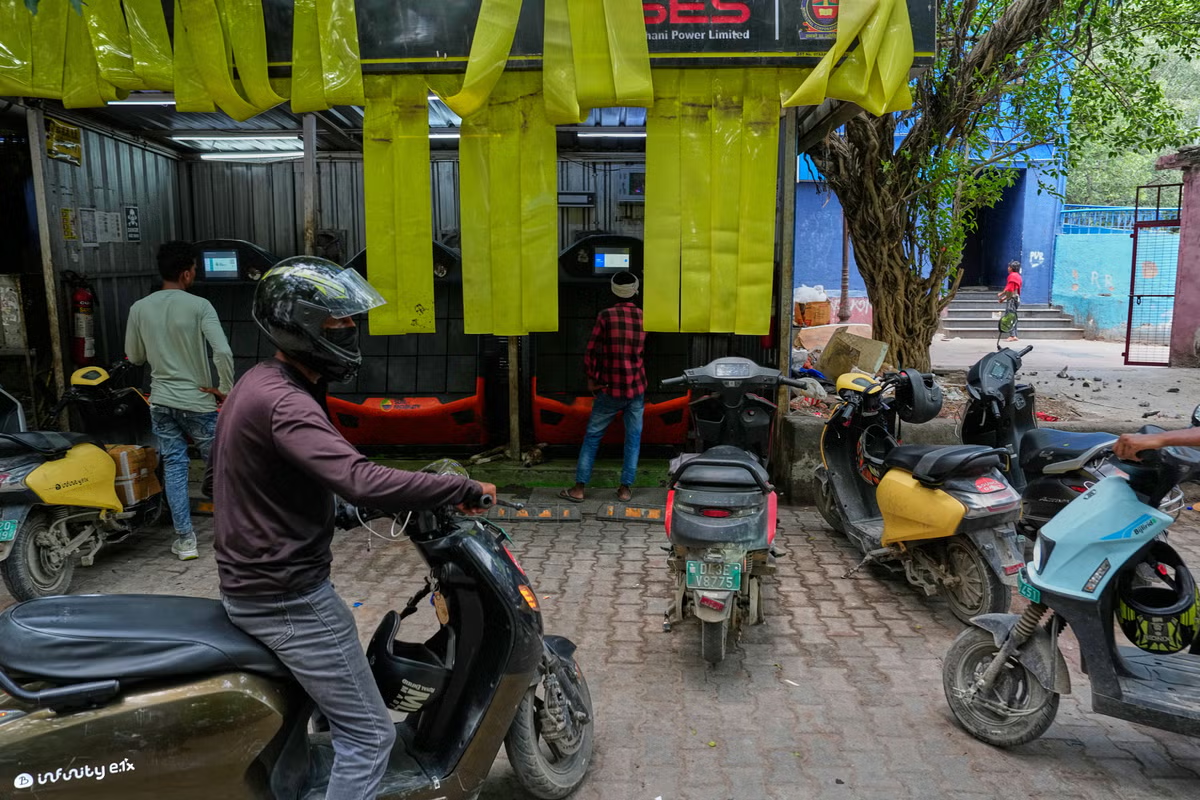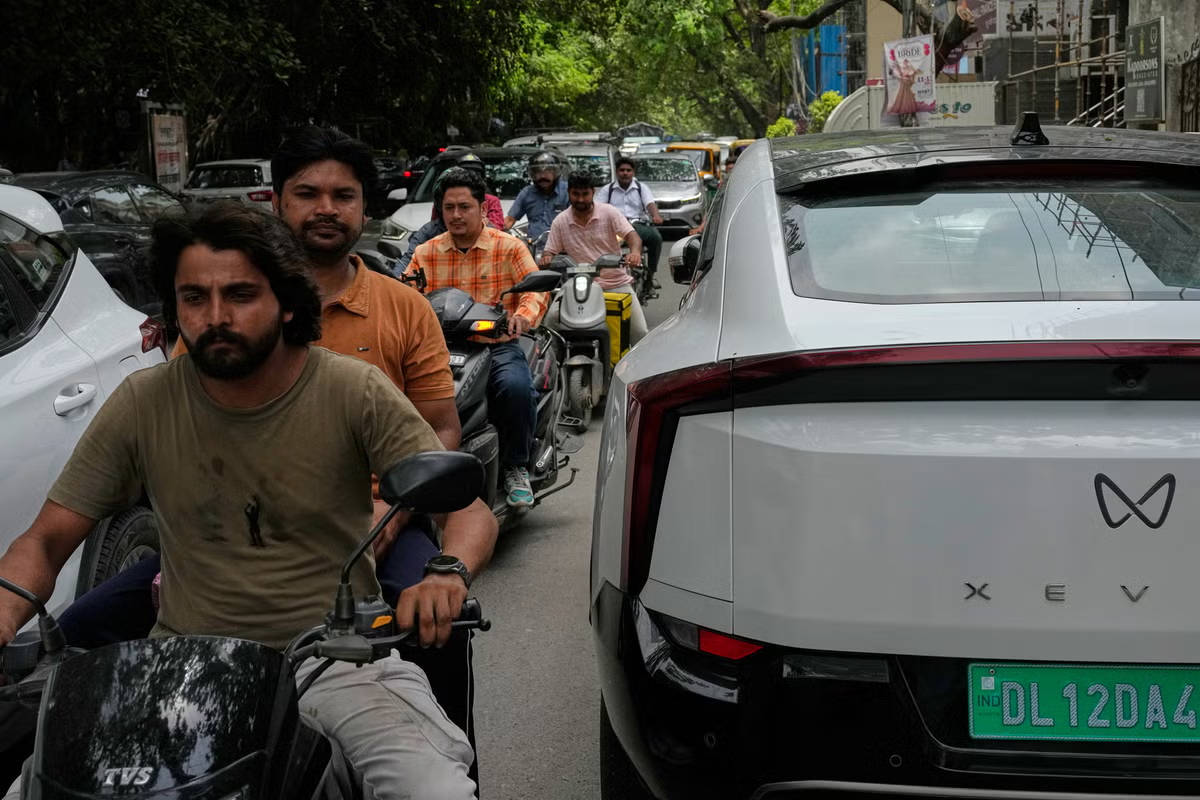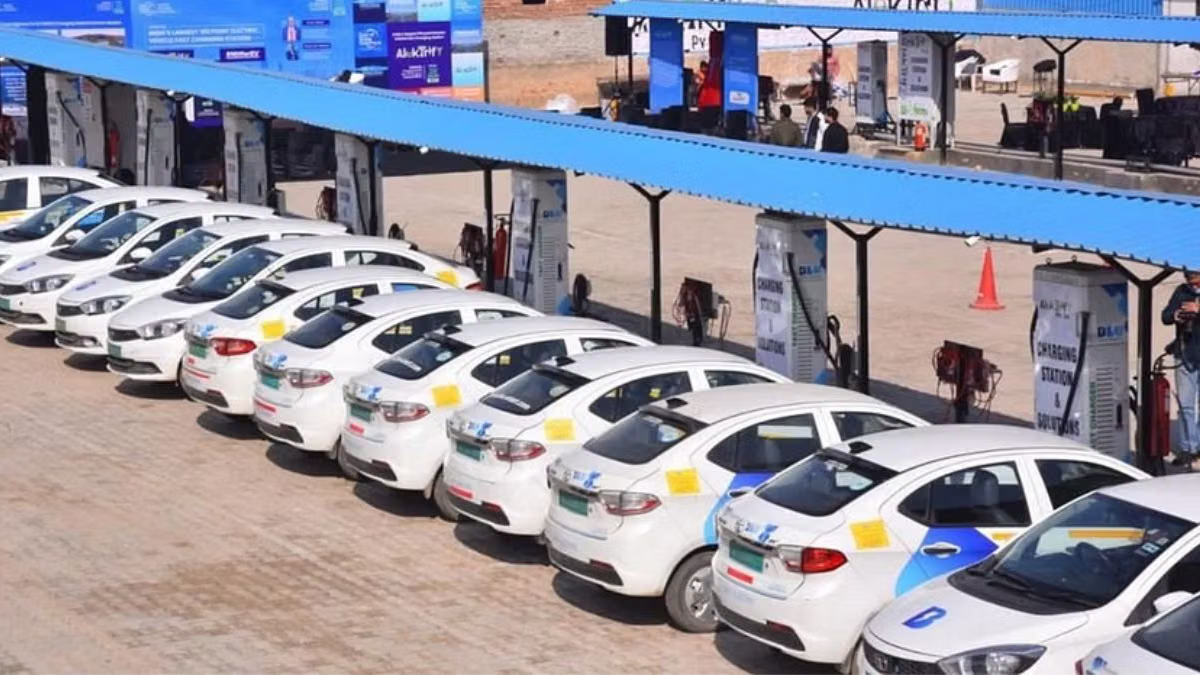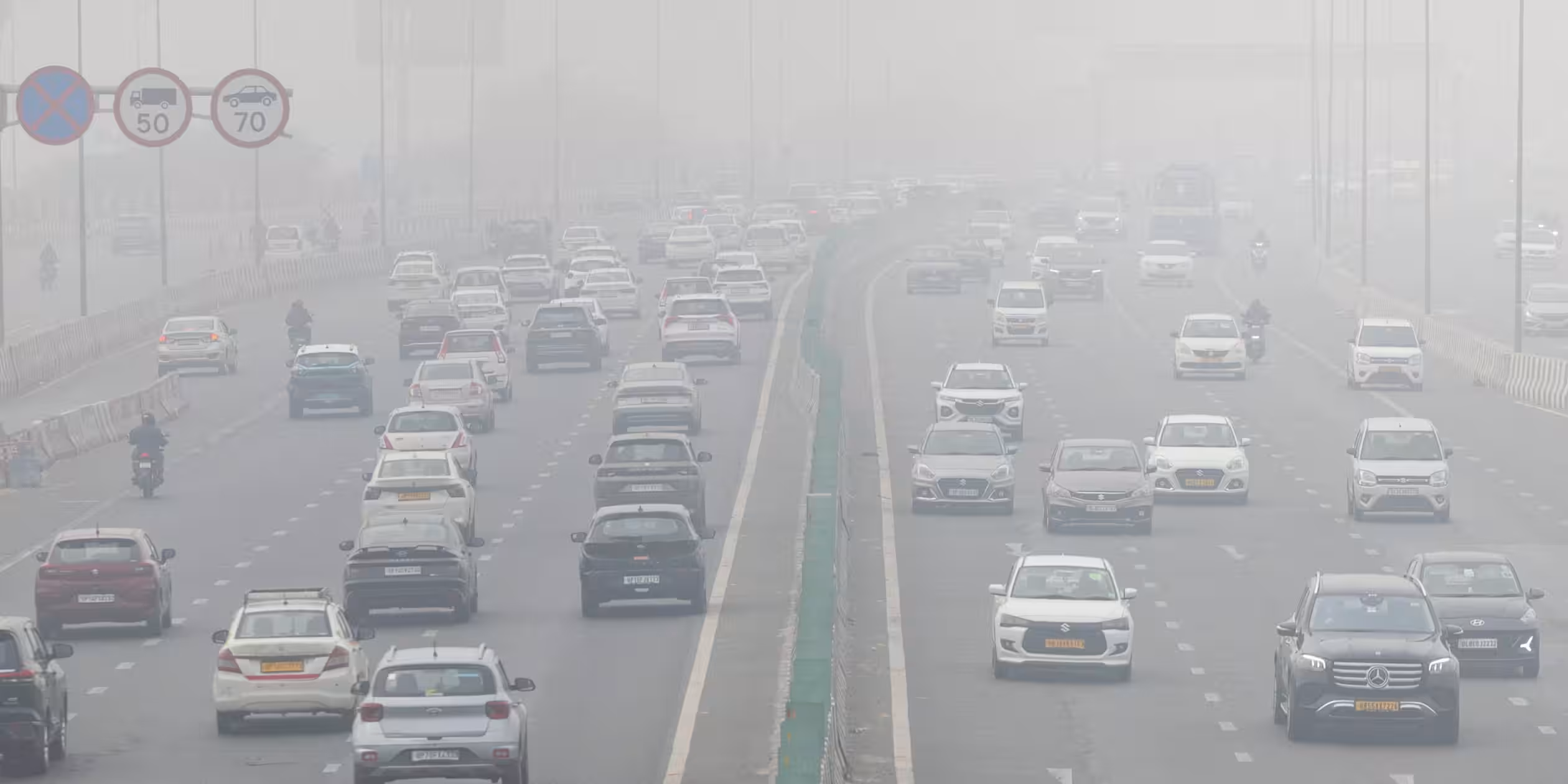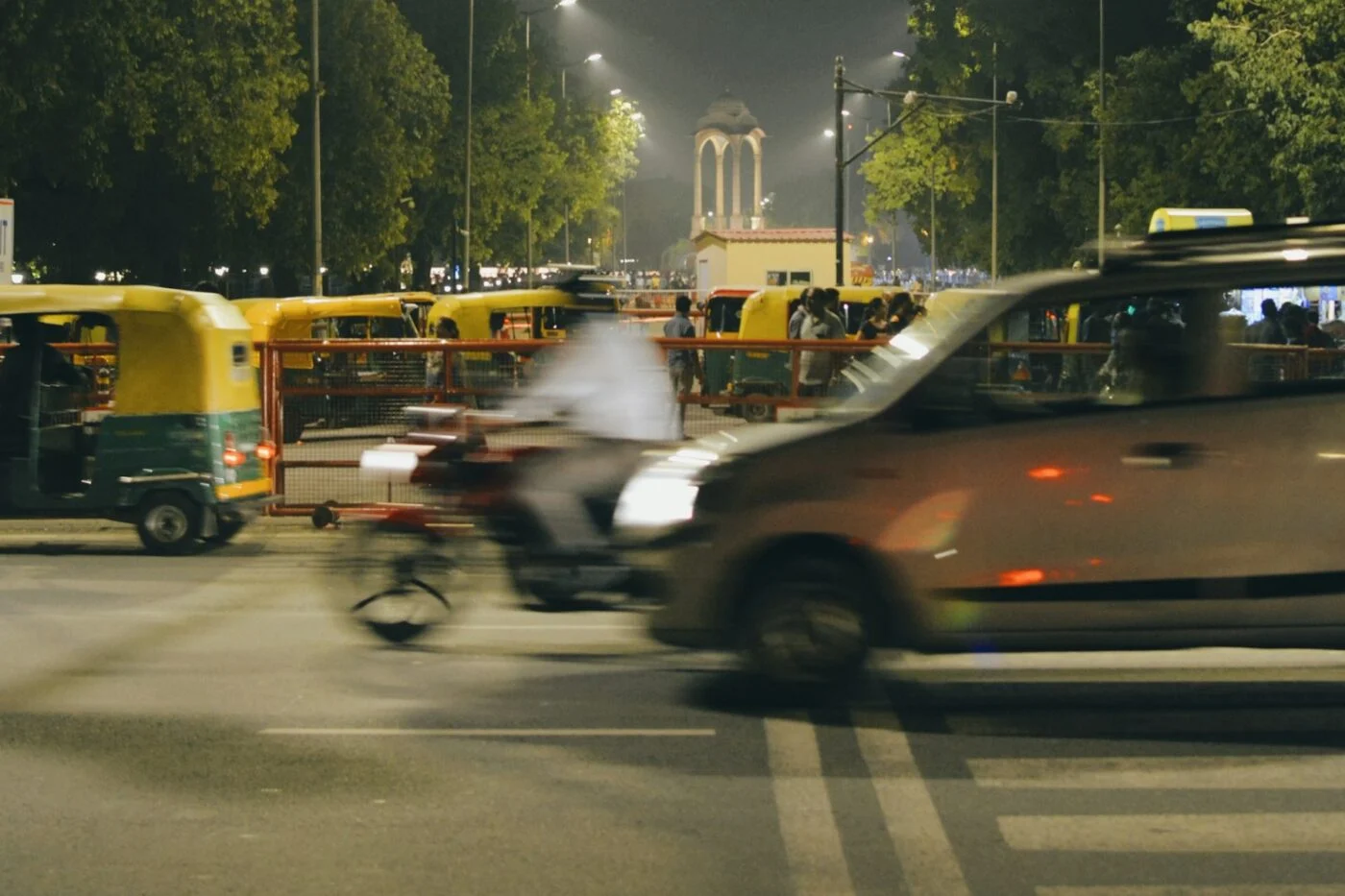
The Indian capital of Delhi has set ambitious short-term electrification targets in order to get a grip on air pollution. A new directive combines purchase incentives, scrappage bonuses, and phased combustion engine registration bans across various vehicle categories.Image: Unsplah/Ravi SharmaThe Delhi Cabinet has approved a new policy, ‘Delhi EV Policy 2.0’, which will come into force on 1 July 2026 and remain in effect until 31 March 2030. The policy introduces a package of incentives and regulations designed to significantly accelerate the transition to electromobility. During this time, an investment of 15,000 crore – equivalent to around ~€135 million – is planned.Among its measures, the ‘Delhi EV Policy 2.0’ includes a 100 per cent exemption from vehicle tax and registration fees for electric cars priced up to 30 lakh (just under ~€28,000). However, this benefit is now limited to a smaller range of models. Previously, all EVs in Delhi were exempt from these fees.The policy also sets out a phased timeline for transitioning various vehicle types to electric powertrains. From 1 January 2027, only battery-electric auto-rickshaws and N1-class trucks will be eligible for registration. The same rule will apply to two-wheelers from 1 April 2028. In return, the policy offers purchase incentives of up to 30,000 rupees for electric two-wheelers, up to 50,000 rupees for electric three-wheelers, and up to 1 lakh for electric commercial vehicles (N1 class) – equivalent to ~€230, ~€460, and ~€930, respectively. However, the incentive amounts will decrease over the years to encourage a rapid shift.The programme is further bolstered by a scrappage incentive, limited to the first 100,000 eligible applicants. Under this scheme, owners who scrap old vehicles can receive incentives ranging from 5,000 to 1 lakh (~€50 to ~€930) if they simultaneously purchase a new electric vehicle priced up to 30 lakh (~€28,000).According to Fortune India, the policy aims to ensure that 95 per cent of all new vehicle registrations in the city are electric as early as next year. Plug-in hybrids are explicitly excluded from the incentive measures. All approved incentive payments will be transferred directly to beneficiaries’ bank accounts via a direct benefit transfer system.In parallel, the city has committed to installing 32,000 charging stations across Delhi and, according to local media reports, has already allocated land for the necessary infrastructure. In recent years, Delhi has taken steps to remove the oldest internal combustion vehicles from its roads. For instance, since spring 2025, petrol and diesel have no longer been dispensed at fuel stations for vehicles older than 15 years. This measure is based on an existing ban on petrol and diesel vehicles older than 15 and 10 years, respectively.fortuneindia.com, indiatoday.in, ndtv.com, autocarindia.com
Delhi tightens EV programme – and bans internal combustion vehicles - electrive.com
The Indian capital of Delhi has set ambitious short-term electrification targets in order to get a grip on air pollution. A new directive combines purchase
441 words~2 min read