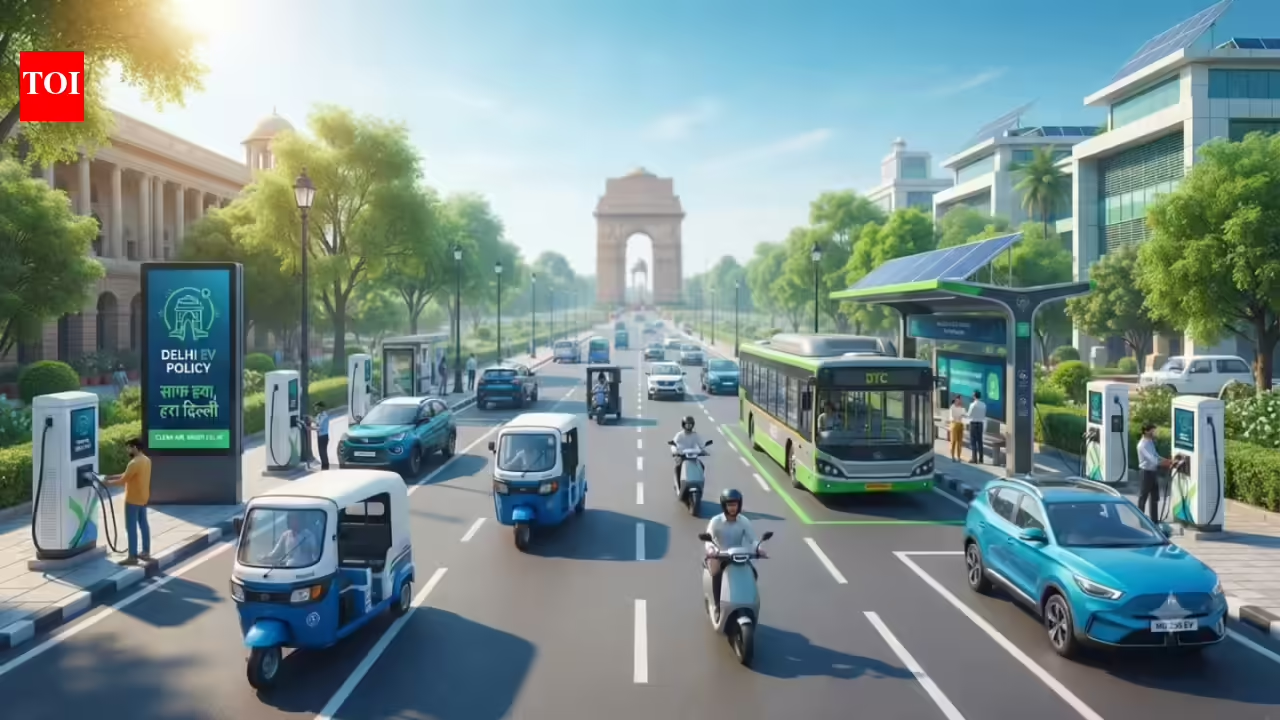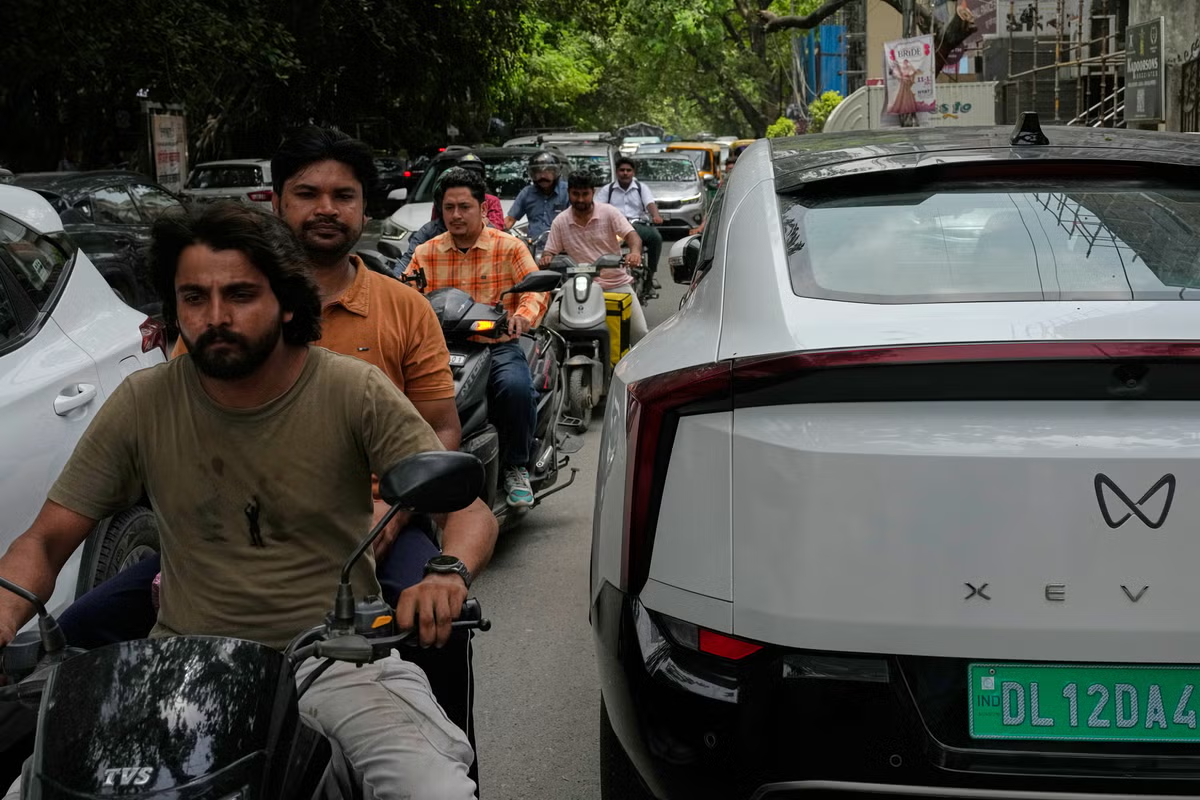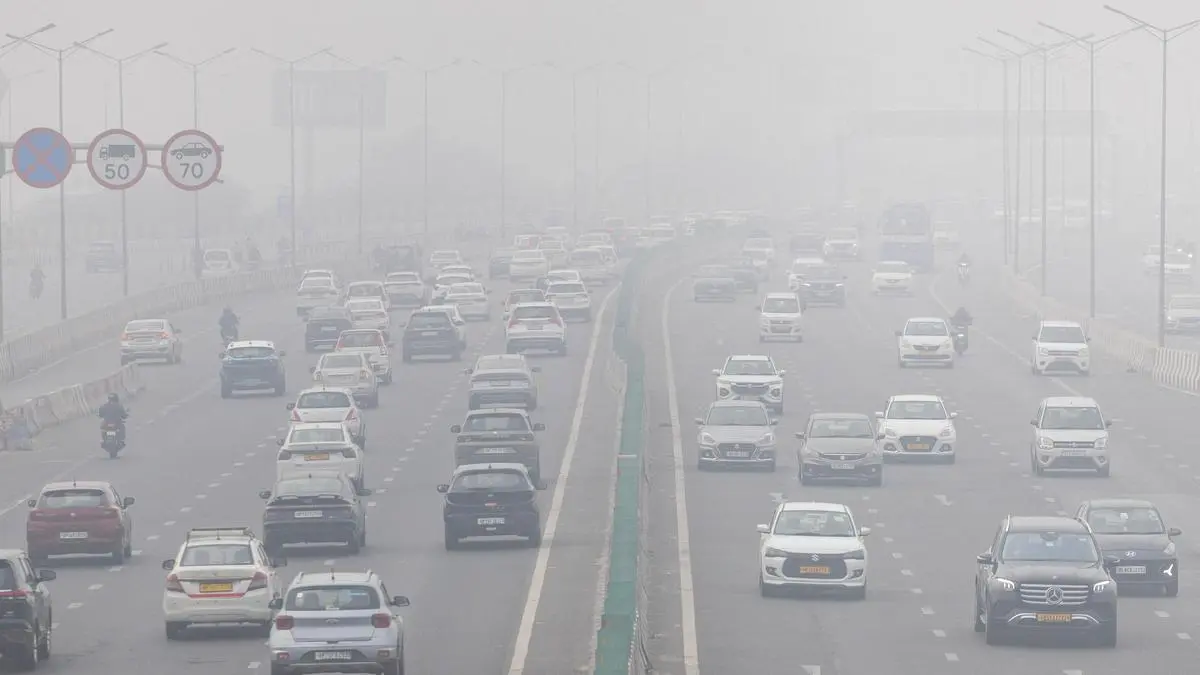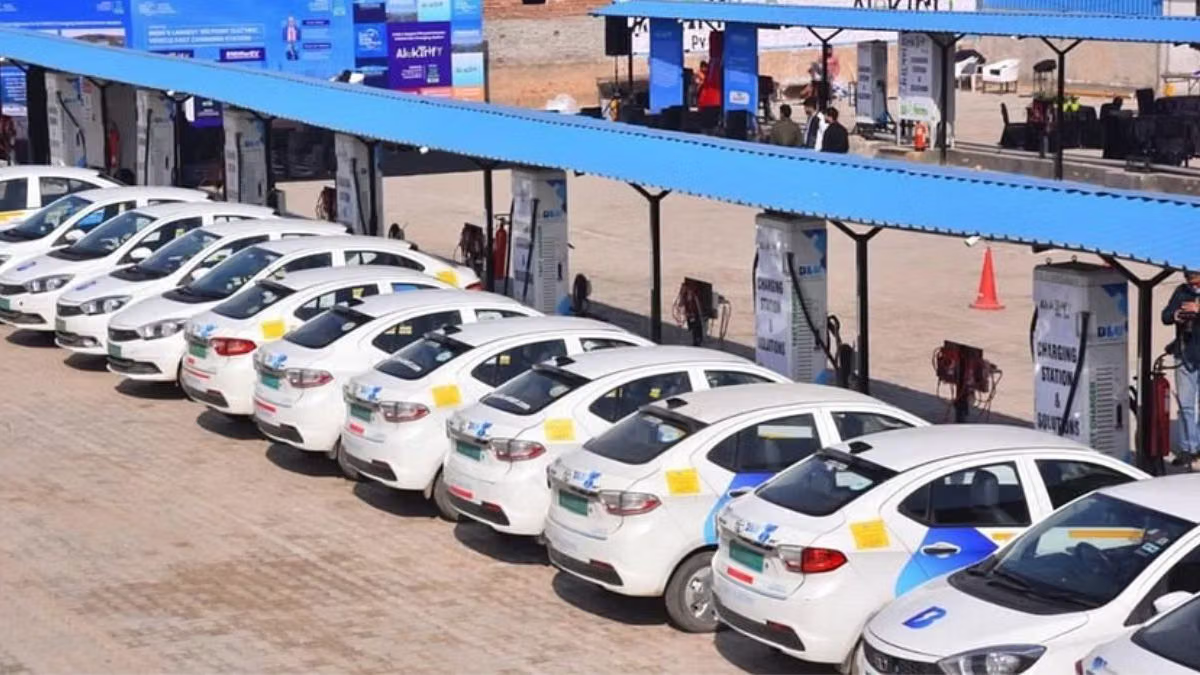
Delhi’s air pollution crisis has well-documented health and economic costs. Transport emissions are a major contributor to air pollution, and reducing them requires cutting how much Delhi drives on fossil fuels, not just cleaning up what’s already on the road. Delhi EV Policy 2.0 is a welcome step in that direction, as it promotes electric mobility through a mix of financial incentives, a firm timeline for switching to electric vehicles (EVs), and charging infrastructure development.
Viewed in conjunction with the Winter Pollution Master Plan and the Centre’s Naya Safar scheme to replace old trucks and buses, it offers a clearer pathway to reducing transport’s contribution to air pollution. The policy also links to the Vehicle Scrapping Policy and the Battery Waste Management Rules, a sensible way to leverage the existing ecosystem to simultaneously advance India’s climate goals and build domestic supply chains for the critical minerals needed for electrification.
How Delhi EV Policy 2.0 is different
Delhi has attempted to clean up its transport sector before.In 1998, the Supreme Court directed the replacement of Delhi’s diesel-powered public transport fleet with CNG vehicles. But the air quality gains have been overshadowed by the increasing use of private vehicles, which, according to a 2024 Centre for Science and Environment report, account for 49 per cent of motorised trips in Delhi.In 2015, the National Green Tribunal banned old diesel (over 10 years) and petrol (over 15 years) vehicles in Delhi-NCR. The Supreme Court upheld this ban in 2018 and clarified last December that it applies only to vehicles below BS-IV emission standards.However, enforcement of the ban has lagged, and the Commission for Air Quality Management has highlighted the slow removal of these vehicles as a serious challenge to improving air quality.Delhi EV Policy 2.0 takes a different approach. Instead of relying primarily on prohibition or incentives alone (as the Centre’s former FAME scheme did), it combines time-bound electrification mandates with financial incentives for scrapping old vehicles and purchasing new EVs.These incentives aim to nudge consumers away from combustion engine-based vehicles and toward EVs, while the electrification mandates provide policy certainty for manufacturers and consumers.The pace and scale of this proposed transition are unprecedented for an Indian city and will serve as a pilot elsewhere. This is exactly why its goals must be matched by the necessary infrastructural investments and regulatory clarity.Public charging needs an overhaul