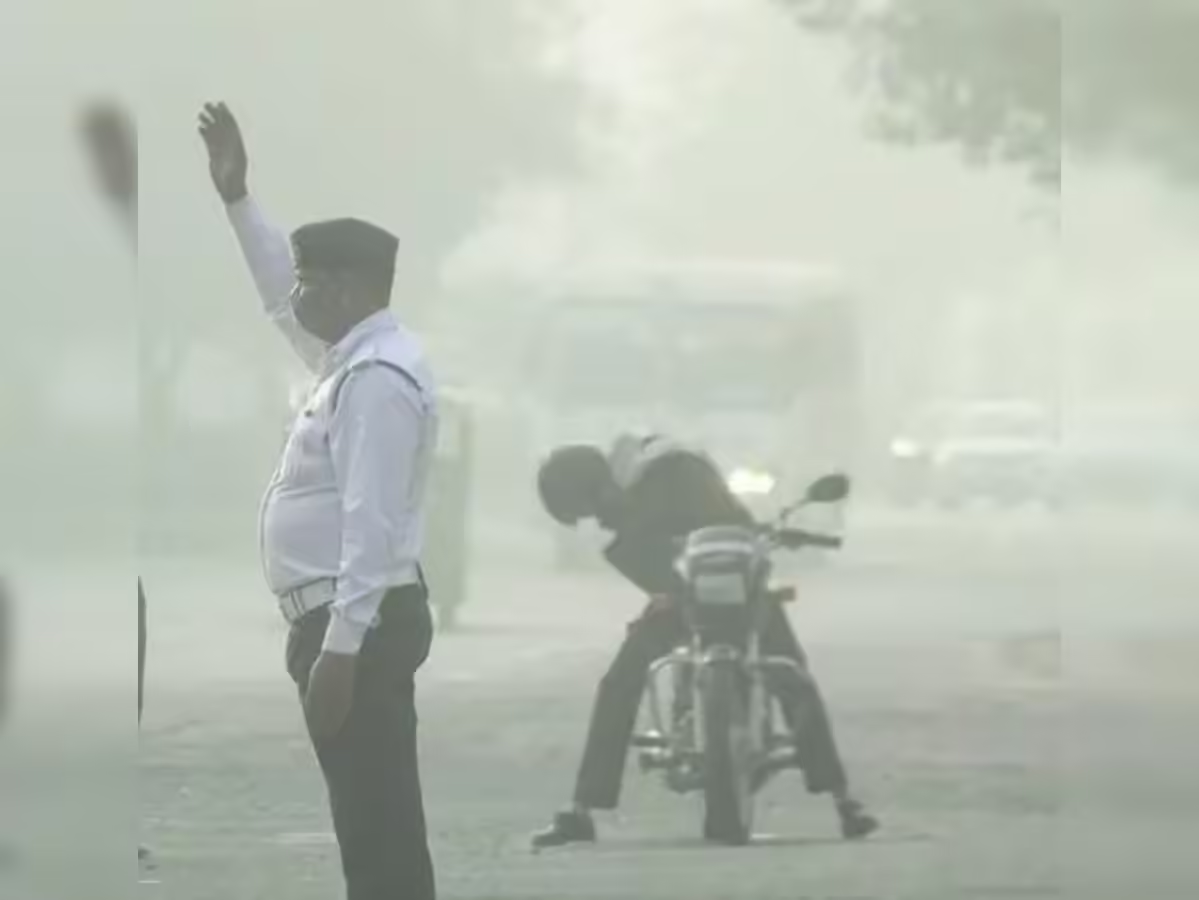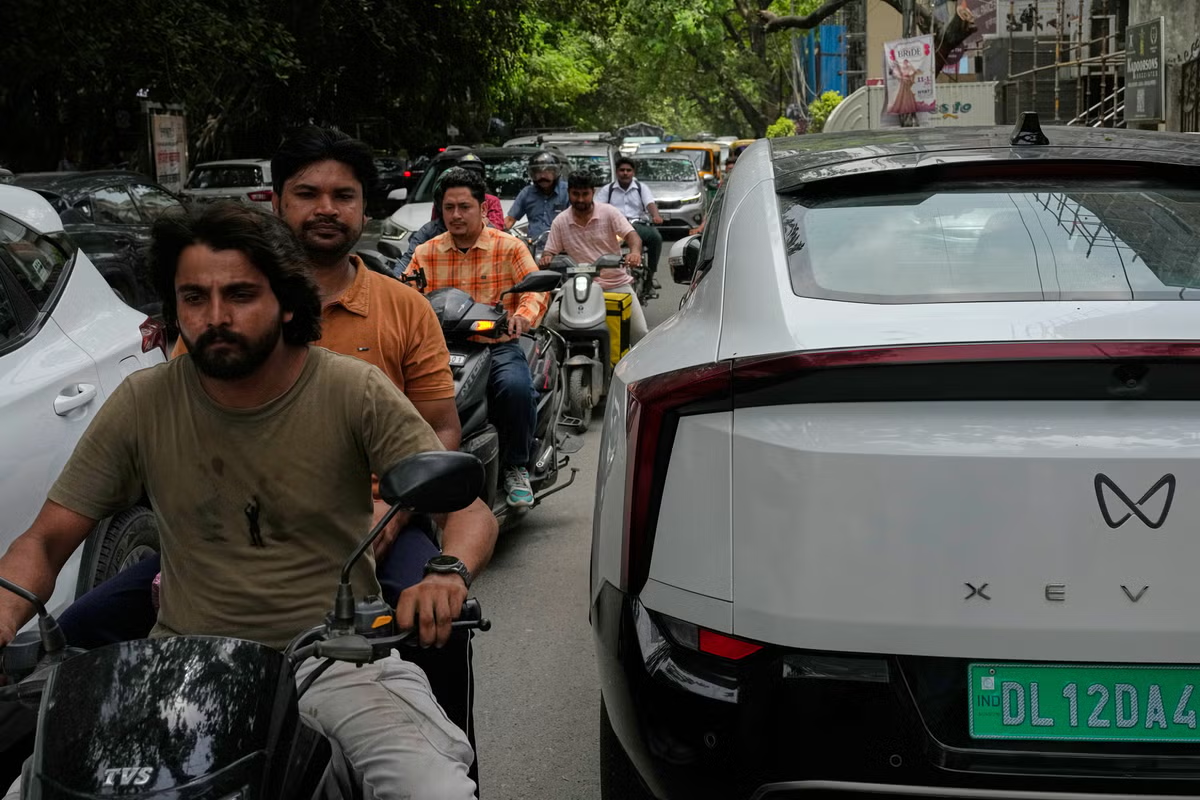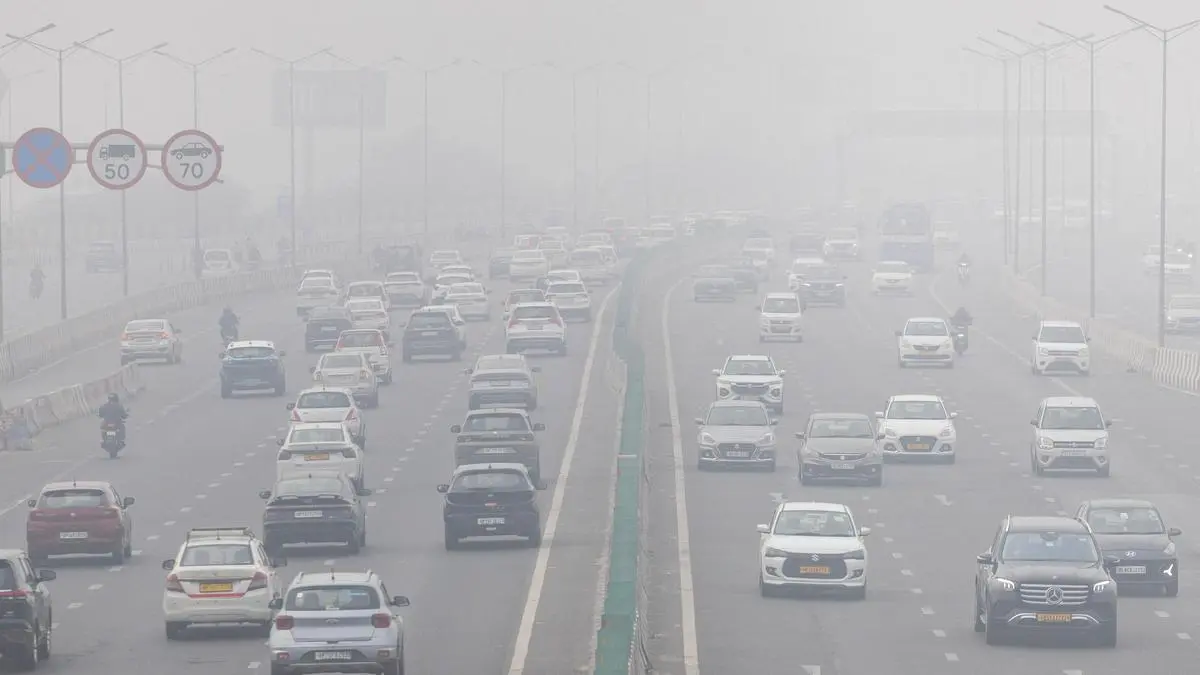
According to analysts, over half of Delhi’s PM 2.5 levels are attributable to vehicular emissions
| Photo Credit:
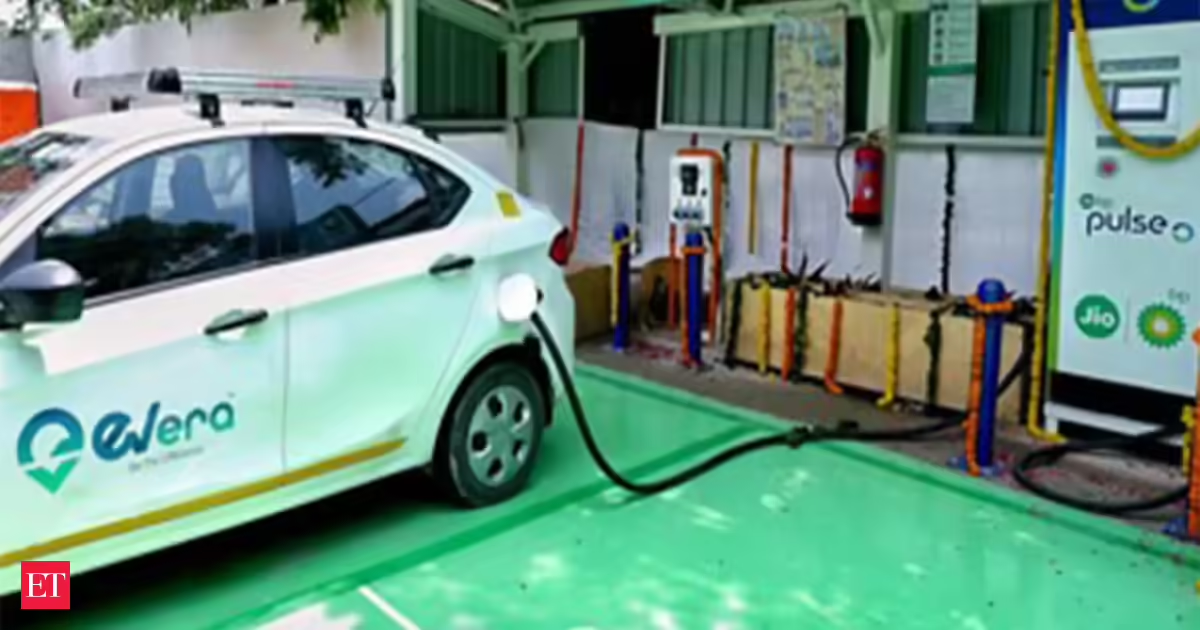
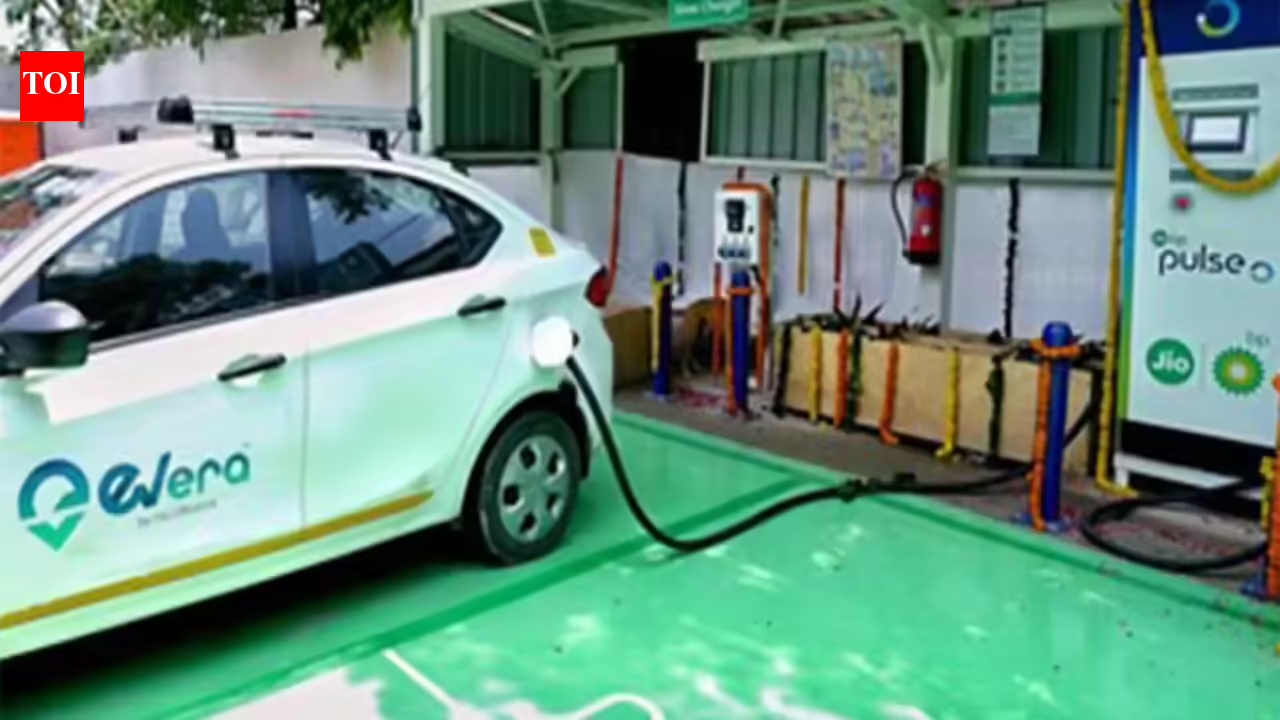
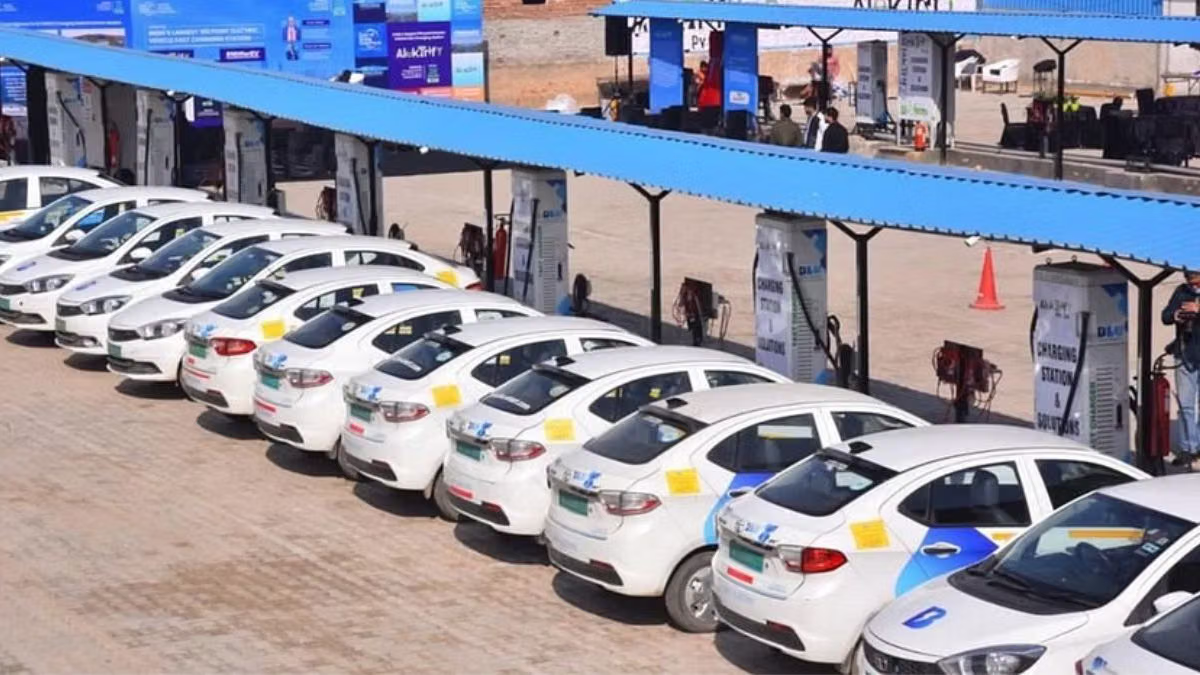
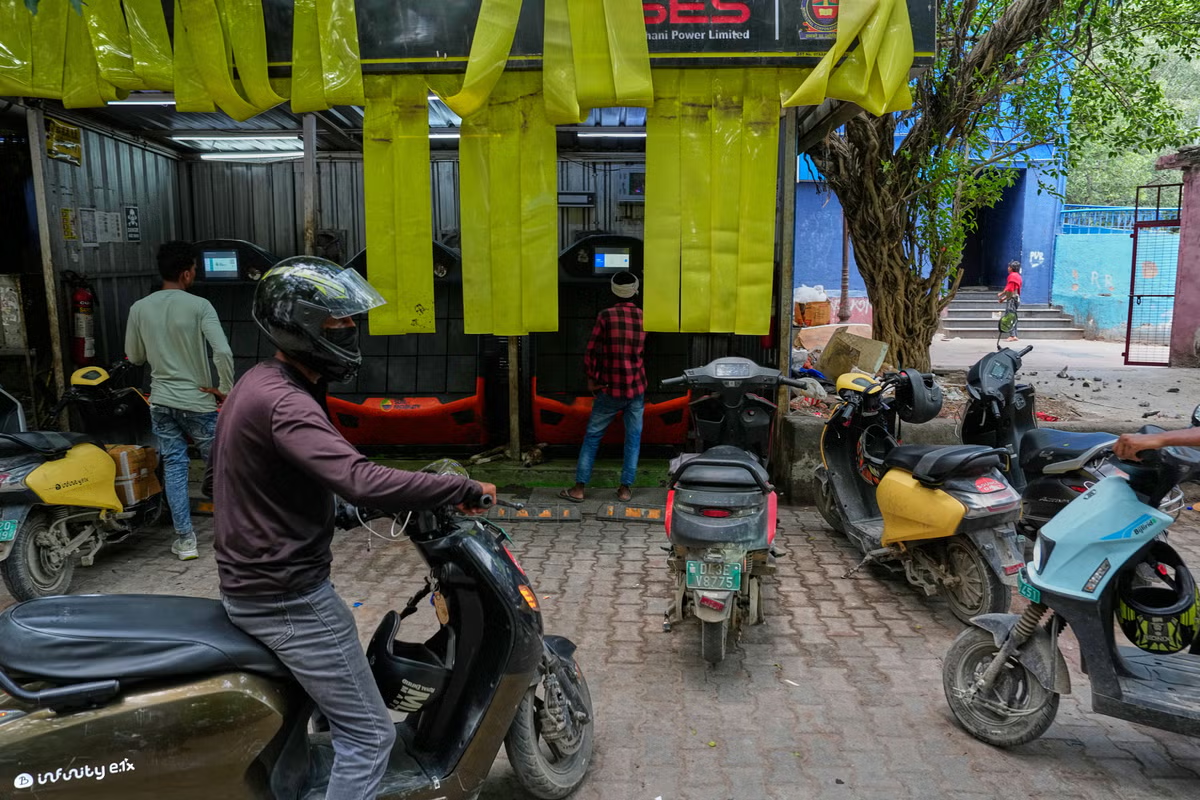
The Delhi government has unveiled an ambitious electric vehicles policy, which could be a trendsetter. The objectives here are local and national — namely, to address the problem of exceptionally high pollution in the Capital, and reduce the fuel import bill by shifting away from ICE vehicles.So, from April 1, 2027, only electric 3-wheelers and light trucks would be allowed to register. Two-wheelers must follow suit the following year. To facilitate this shift, a slew of incentives are on offer from this month till March 2030, such as: exemption from road tax and registration fees for cars up to ₹30 lakh; subsidies of ₹50,000 for EV-2ws over three years and the same for EV-3ws over a year; ₹1 lakh scrapping incentive; and investing in 30,000 charging stations. According to analysts, over half of Delhi’s PM 2.5 levels are attributable to vehicular emissions. The initiative is worth trying out at scale, as big gains can accrue from a large scale adoption of EVs. The country spends about ₹11 lakh crore on crude oil imports for FY26, and at least half of petroleum imports is used by the transport sector. A shift to EVs does not lead to complete import substitution, as there is a dependence on batteries and critical minerals. But as recyclable batteries as well as the use of non-critical minerals evolve, the scenario could change. India has used targeted PLI schemes to cover critical EV parts such as battery cells. The policy should aim at renewables powering EVs. Besides, the EV push must foreground trucks and buses, as they are bulk users of fuel. A purchase subsidy should address the needs of low-income commercial fleet operators and fleet delivery workers.An in-principle push to EVs is all very well, provided the details of the transition are worked out. The government will have to take the lead in developing charging stations, as private entities, say, those operating petrol pumps, will be unwilling to take the plunge if they do not see a major rise in EVs on the roads. The reverse may hold true — in other words, it is a chicken and egg problem that requires public intervention. At present, the existing charging stations even in VIP areas in Delhi do not seem to work. Issues of interoperability between electric charging stations must be sorted out — so that all EVs and the networks are in sync. Finally, States over time stand to lose excise revenue from petrol and diesel if they participate in the EV push. Their fuel revenues amounted to approximately ₹2.3 lakh crore for the year ended March 2026. This is something that may prevent States from actively pushing for electrification of transport.EVs account for only about 8.5 per cent of all vehicles sold. India’s own target of 30 per cent EVs by 2030 seems like a long shot. It’s been slow progress so far, but with political will and specific targets for component manufacture, India could progress towards self-reliance.Published on July 6, 2026