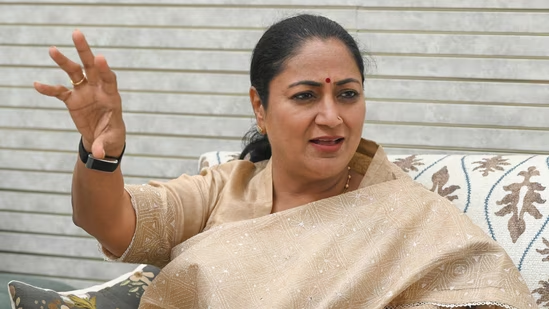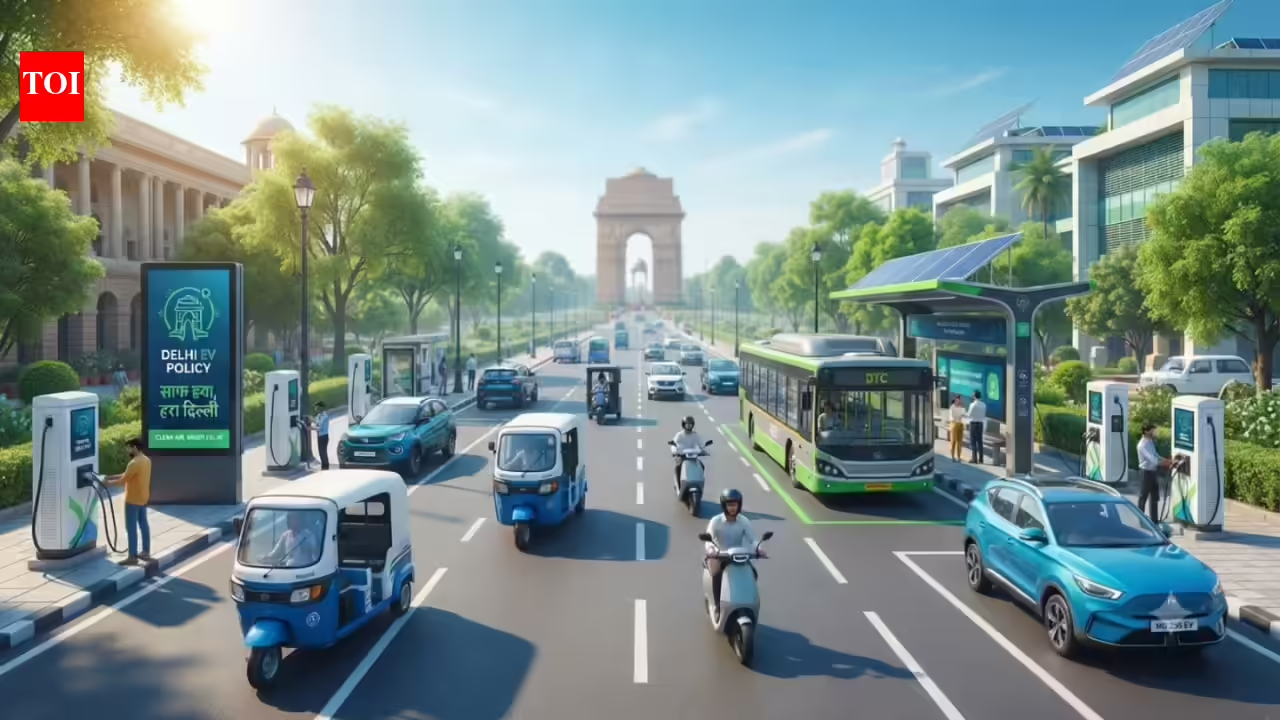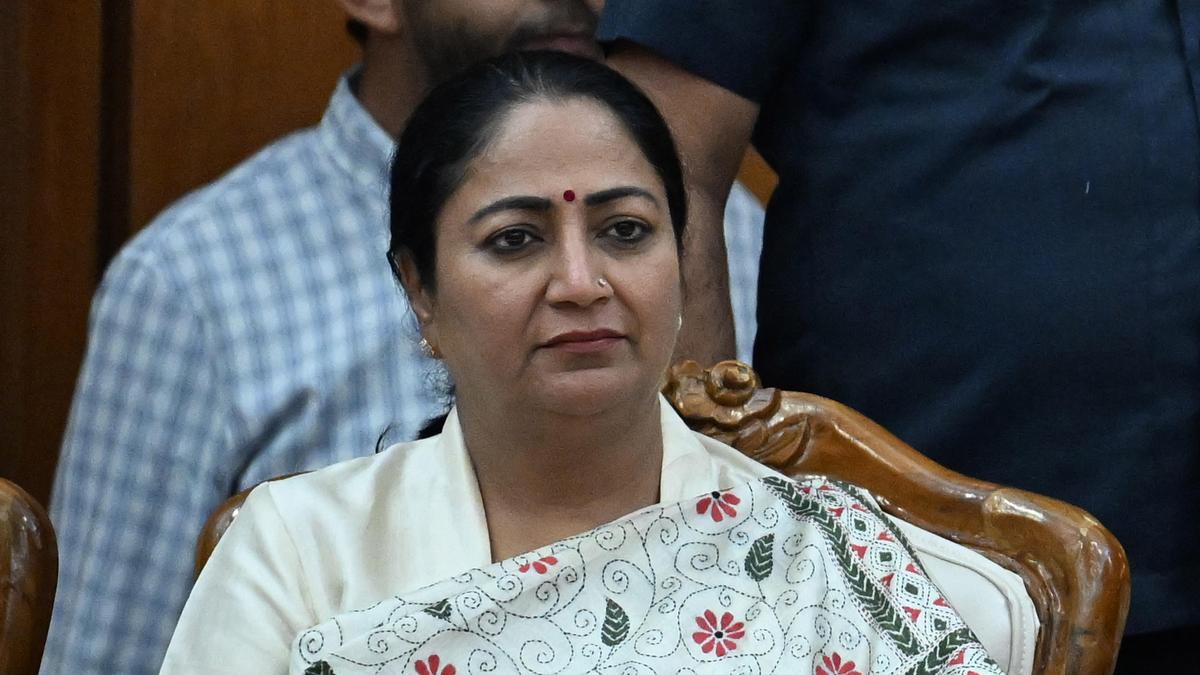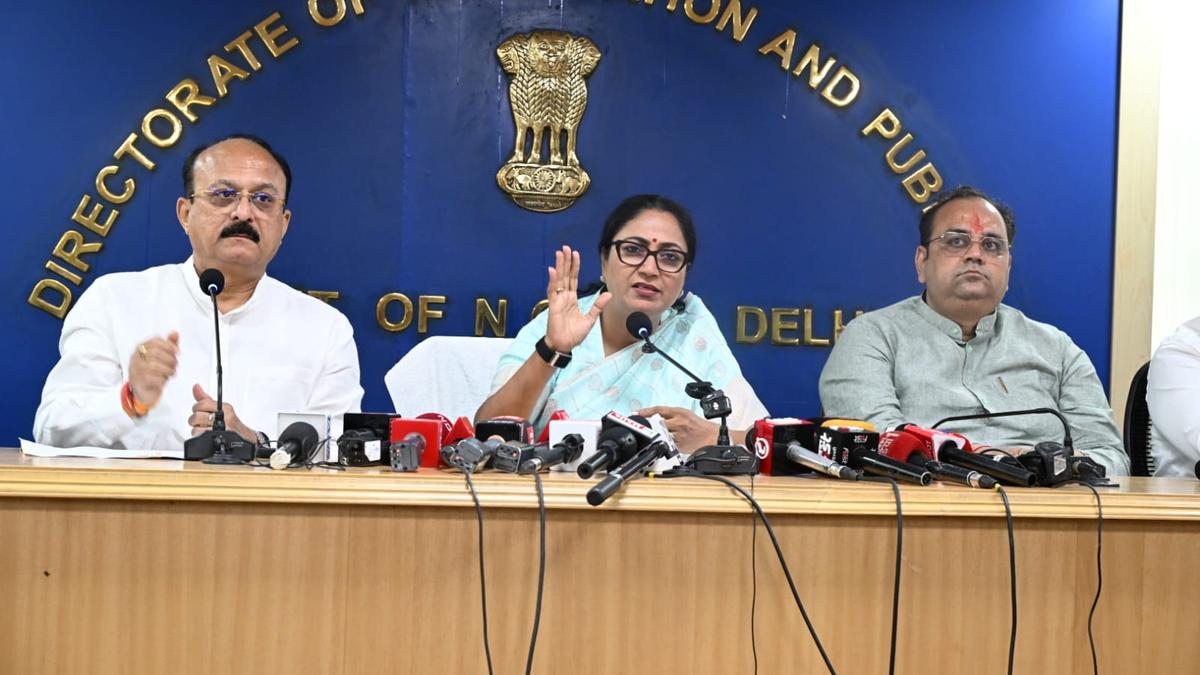
New Delhi: Delhi Chief Minister Rekha Gupta on Thursday said the proposed Delhi EV Policy 2026 is aimed at making electric vehicles more affordable while reducing their lifetime ownership costs, positioning the transition to clean mobility as an economic benefit for consumers."The Delhi EV Policy 2026 is not merely a step towards a cleaner environment but also a public-interest policy designed with the economic well-being of ordinary citizens in mind," Gupta said.According to the chief minister, the policy combines purchase incentives, scrappage benefits, lifetime road tax exemption and registration fee waivers to lower the upfront cost of electric vehicles. She said lower running and maintenance costs would further improve savings over the vehicle's lifespan.Also Read: Keep me away from all this, I'm an artist: Singer Diljit Dosanjh on CJP protests at Jantar Mantar"The primary question on most people's minds before buying an electric vehicle is whether it will actually save money. The Delhi EV Policy 2026 provides a clear and positive answer to this question," Gupta said.Under the policy, eligible buyers of electric two-wheelers will receive a purchase incentive of up to ₹30,000 and a scrappage incentive of ₹10,000, along with lifetime road tax exemption and a registration fee waiver, resulting in upfront savings of more than ₹50,000, excluding tax benefits.Electric auto-rickshaw (L-5 category) buyers will be eligible for a purchase incentive of up to ₹50,000 and a scrappage incentive of ₹25,000, besides road tax and registration fee exemptions, translating into savings of over ₹75,000.Eligible buyers of electric N-1 goods carriers will receive a purchase incentive of up to ₹1 lakh, a scrappage incentive of ₹50,000, and exemptions from road tax and registration fees, reducing upfront costs by around ₹1.5 lakh.Also Read: PM Modi marching to 'environmental disaster' in Great Nicobar: Congress leader Jairam RameshPrivate electric cars will not receive a purchase subsidy. However, buyers scrapping an internal combustion engine vehicle to purchase an EV will be eligible for a scrappage incentive of up to ₹1 lakh, along with lifetime road tax exemption and registration fee waiver.Gupta said the government had prioritised subsidies for two-wheelers, three-wheelers and goods carriers, which are widely used by middle- and low-income households, commercial drivers, delivery workers and small businesses, instead of offering direct purchase incentives for private cars.She added that the policy's lifetime road tax exemption, registration fee waiver and lower operating costs would make EVs significantly cheaper to own than petrol and diesel vehicles over the long term.The chief minister also said more than 300 registered EV models, ranging from scooters and motorcycles to electric auto-rickshaws and cargo vehicles, are currently available in Delhi, with increasing competition improving consumer choice.
Delhi EV Policy aims to cut ownership costs, boost adoption: CM Rekha Gupta
Delhi's new EV Policy 2026 aims to make electric vehicles economically attractive for citizens. Chief Minister Rekha Gupta highlighted that the policy combines purchase incentives, scrappage benefits, and tax exemptions to significantly reduce upfront and lifetime ownership costs. Subsidies are prioritized for two-wheelers, three-wheelers, and goods carriers, benefiting middle and low-income households and small businesses.
437 words~2 min read