Support CleanTechnica's work through a Substack subscription, on Patreon, or on Stripe. Help us produce all of the high-quality, original content we publish week after week despite the challenges of content-scraping AI, antisocial media, inflation, and other hurdles.
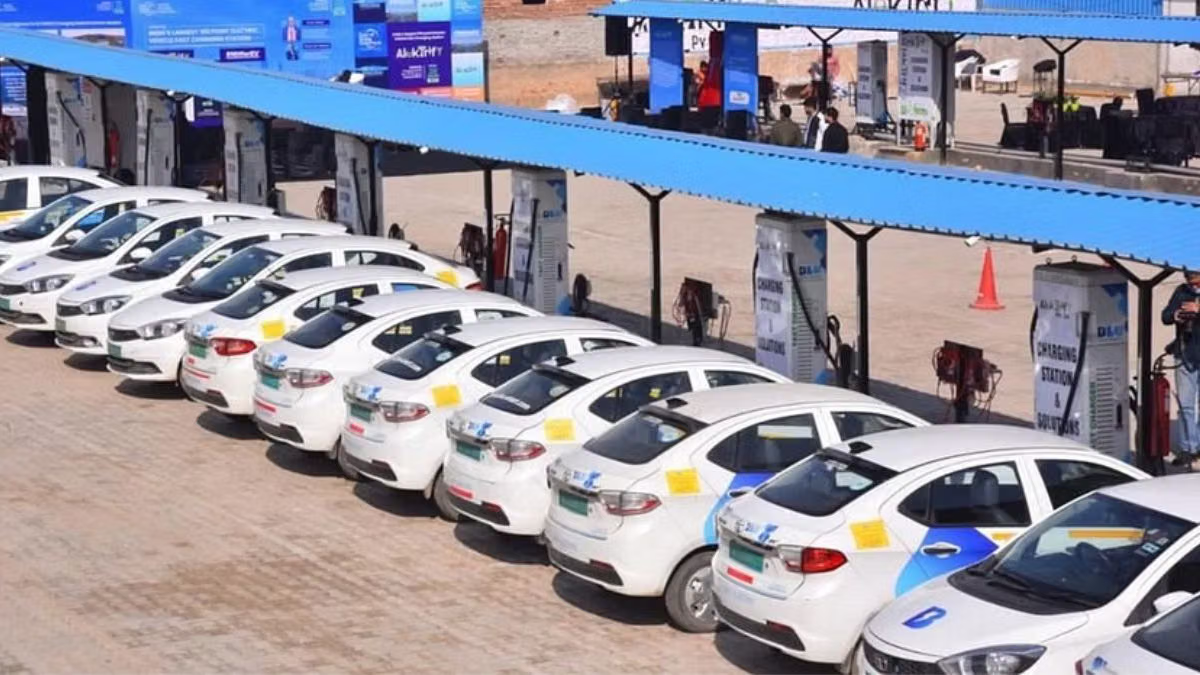
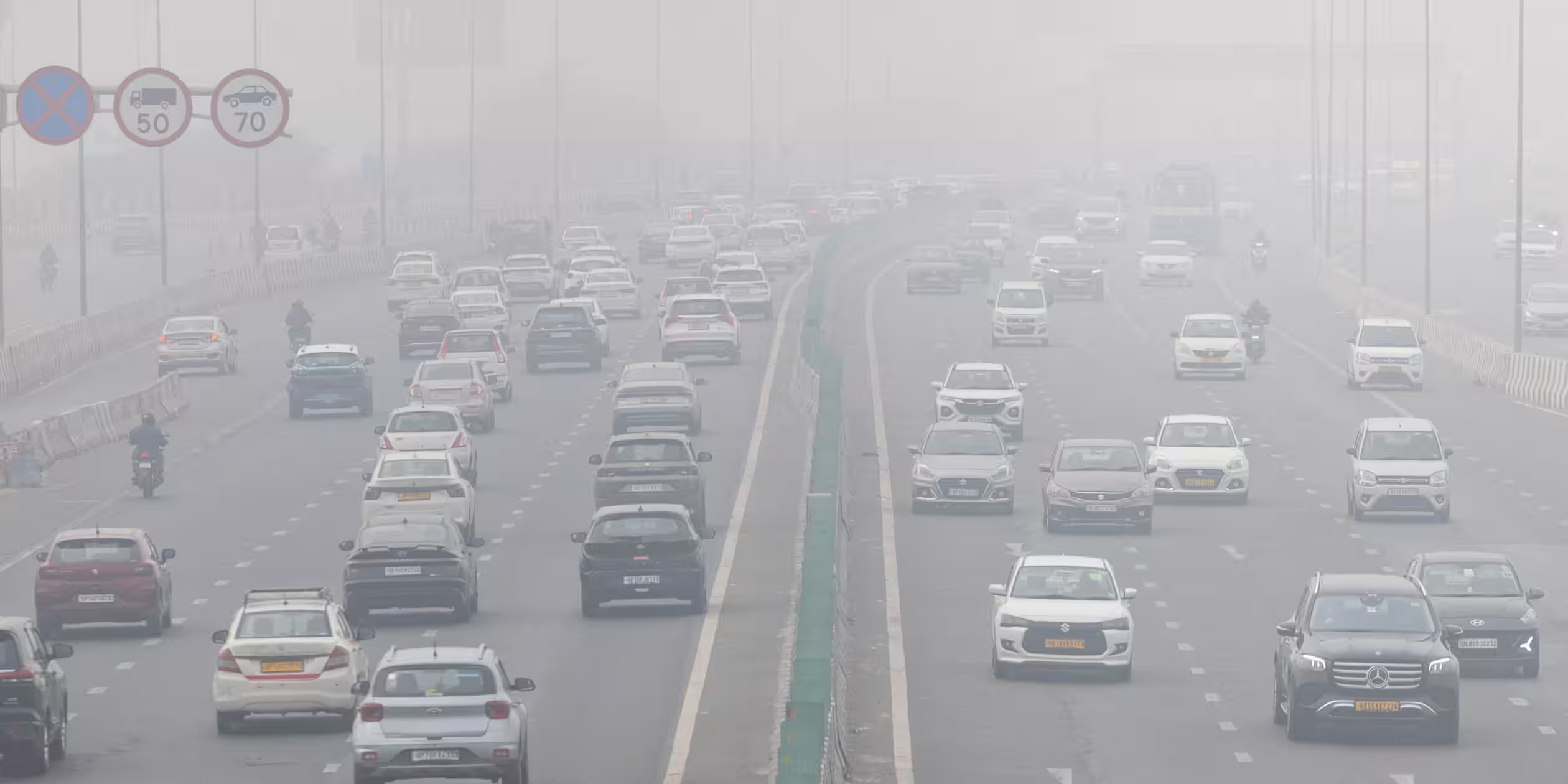
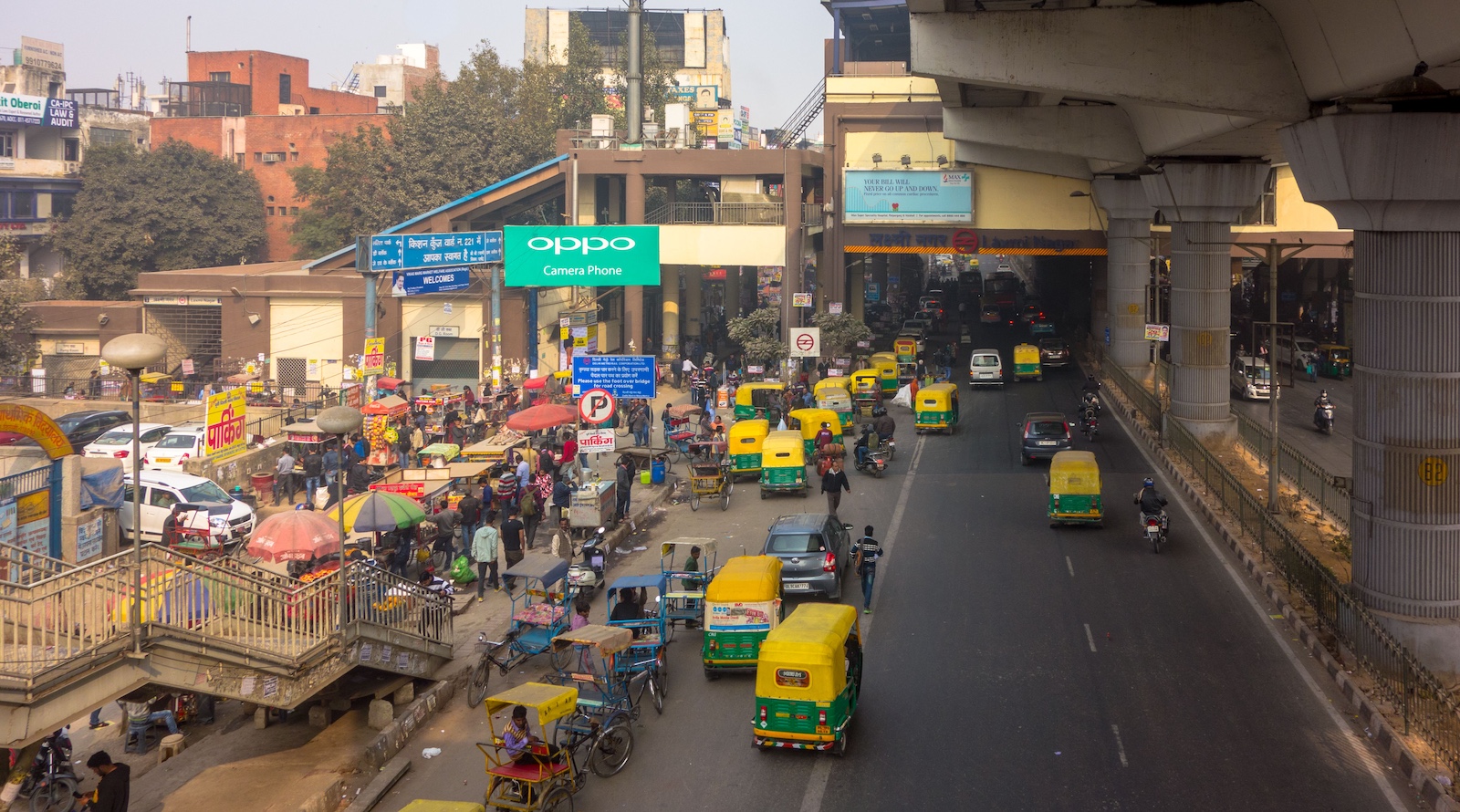
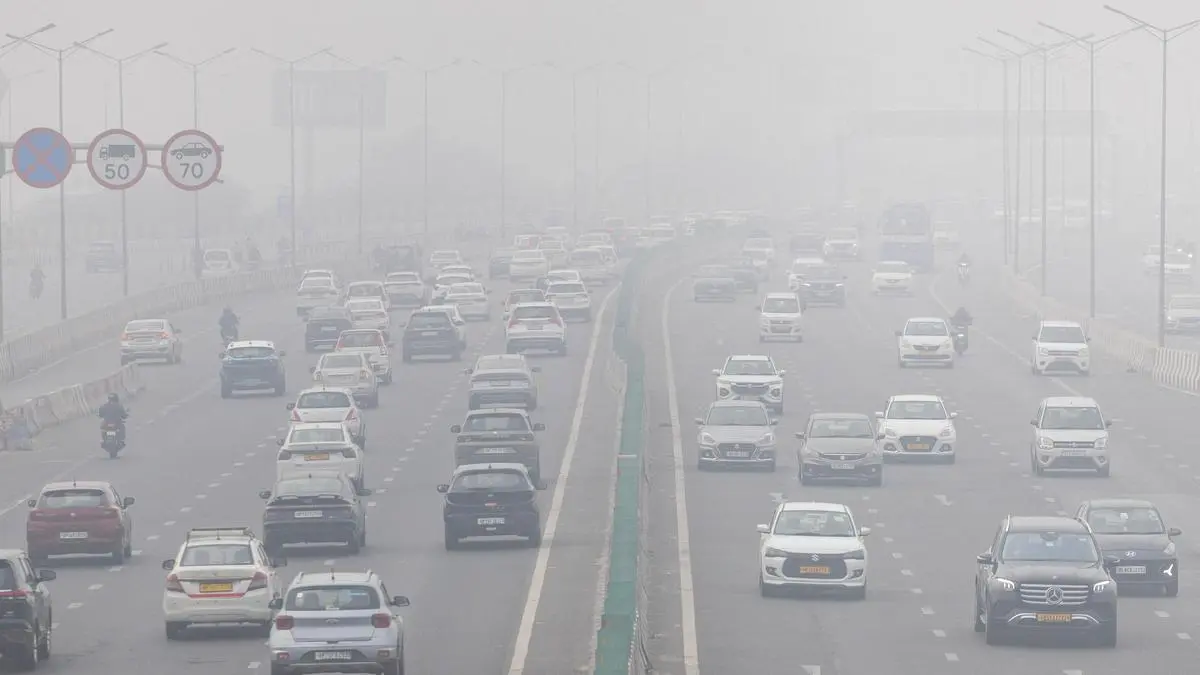
I’ve long said that cities should do much more to electrify transport. They have resources and power, and they also typically suffer from air pollution issues that drastically hurt their residents. Delhi, India, is one of the most polluted cities in the world. It has tried for years to stimulate EV adoption. However, that hasn’t worked quite well enough (not nearly well enough), so the city has just stepped up its game and is strong-arming the transition a bit more.
Going backward several years to just before COVID-19 hit the world, the city approved the Delhi Electric Vehicles Policy 2020 in December 2019. This set an EV adoption target that was quite ambitious at the time. The city wanted 25% of new vehicle registrations to be EVs by 2024. The method of achieving that: subsidies.
Did that do anything? Yes. It definitely didn’t get Delhi to 25% EV adoption by 2024, but the city got to 8.65% EV adoption for two-wheelers and 10.1% EV adoption for four-wheelers by June 2026. It’s something, but it’s far, far away from the initial target. Purchase subsidies and tax exemptions just didn’t cut it.