Electric vehicles can reduce pollution and emissions. But underlying issues of preserving car dependence, displacing environmental harm and workers bearing the costs of a clean future need to be addressed.
In a truly just mobility system, fewer people would buy private vehicles, workers won’t have to rely on precarious incomes to make the switch, and clean air would not come at the cost of hidden harm. Photo: Andrzej Barabasz/Wikimedia Commons/CC by 4.0
Electric vehicles can reduce pollution and emissions. But underlying issues of preserving car dependence, displacing environmental harm and workers bearing the costs of a clean future need to be addressed.
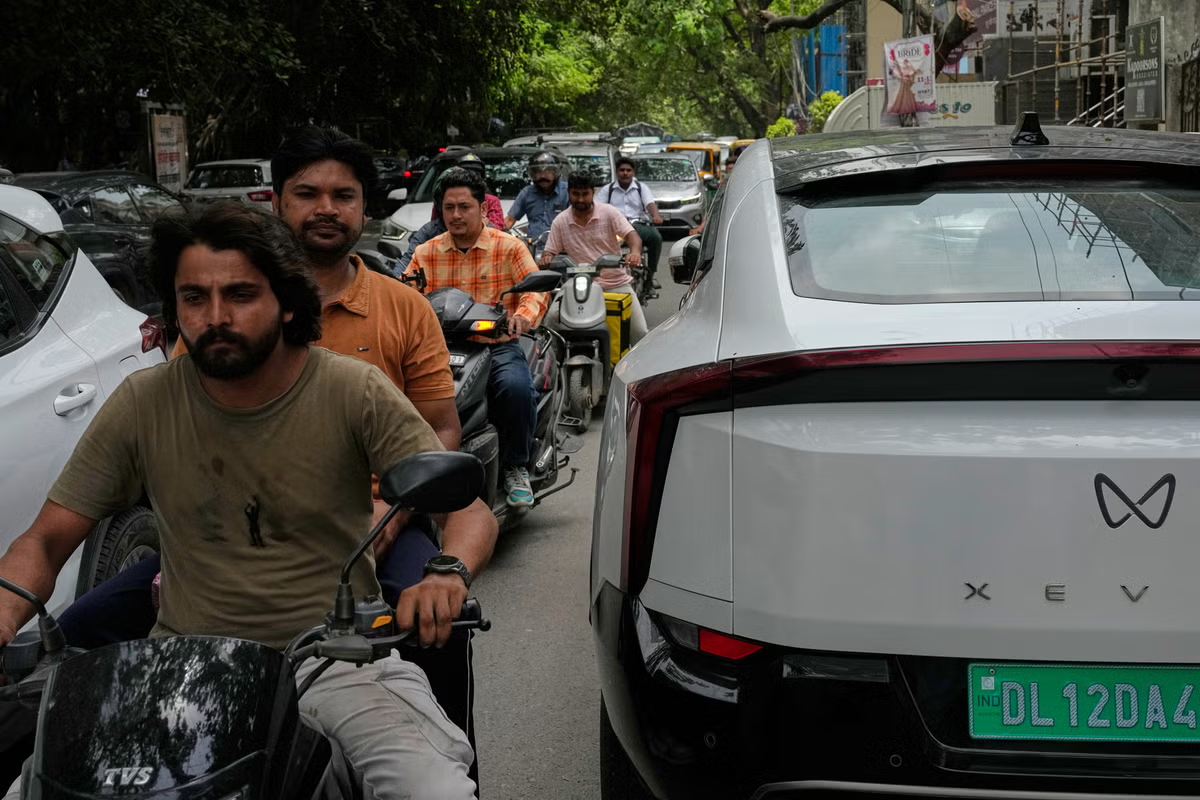
At a traffic signal in New Delhi, an electric SUV can wait beside an e-rickshaw and a delivery worker on an electric scooter. All three may be counted as evidence of the same green transition, although they embody very different relationships to mobility.
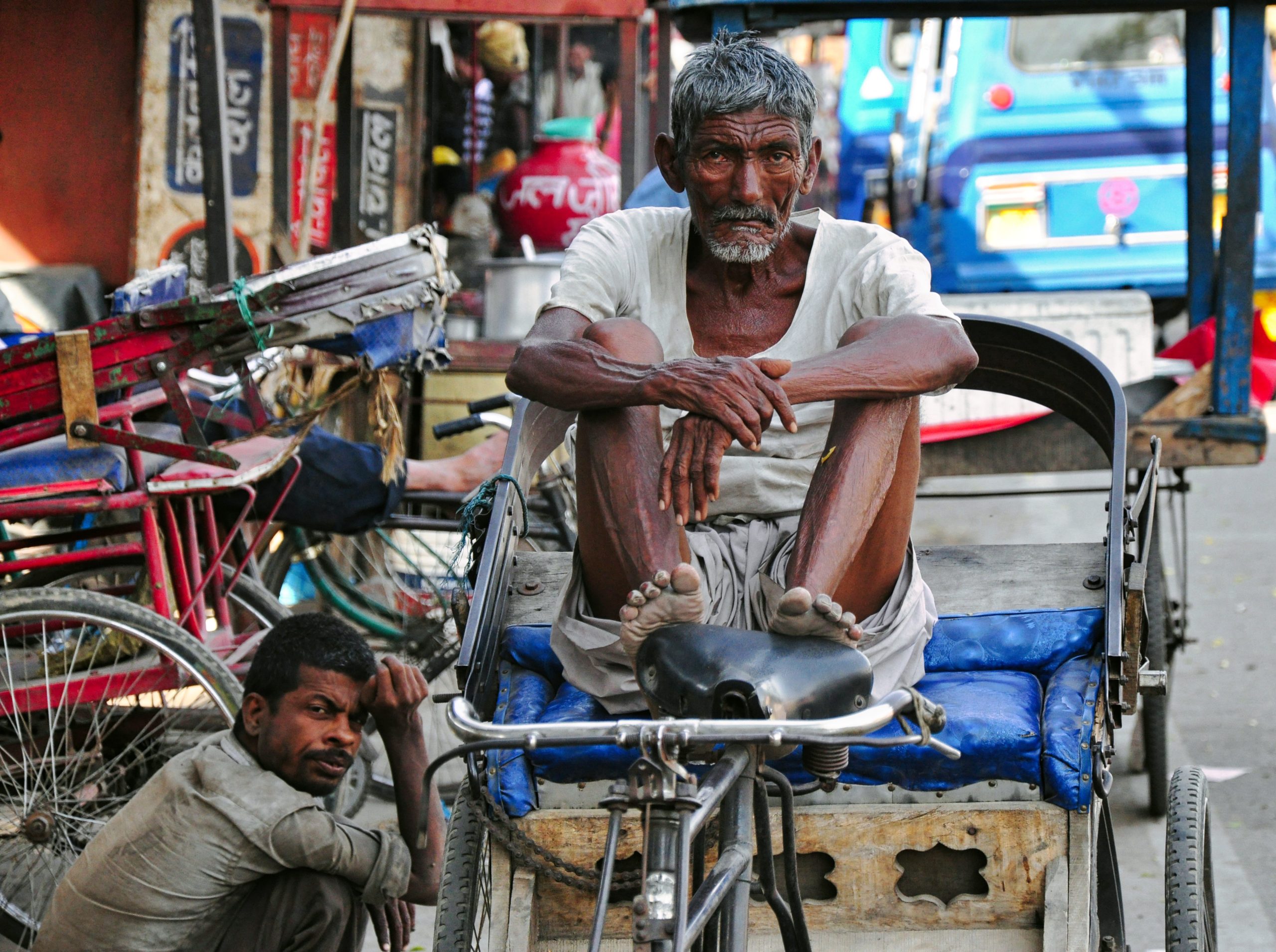
The SUV offers private comfort and status; the e-rickshaw provides shared transport; the scooter is often inseparable from a worker’s livelihood. To see only three electric vehicles here is to miss the differences in power and vulnerability. This is what technological optimism does: treats a change in the machine as if it were automatically a transformation of the system.