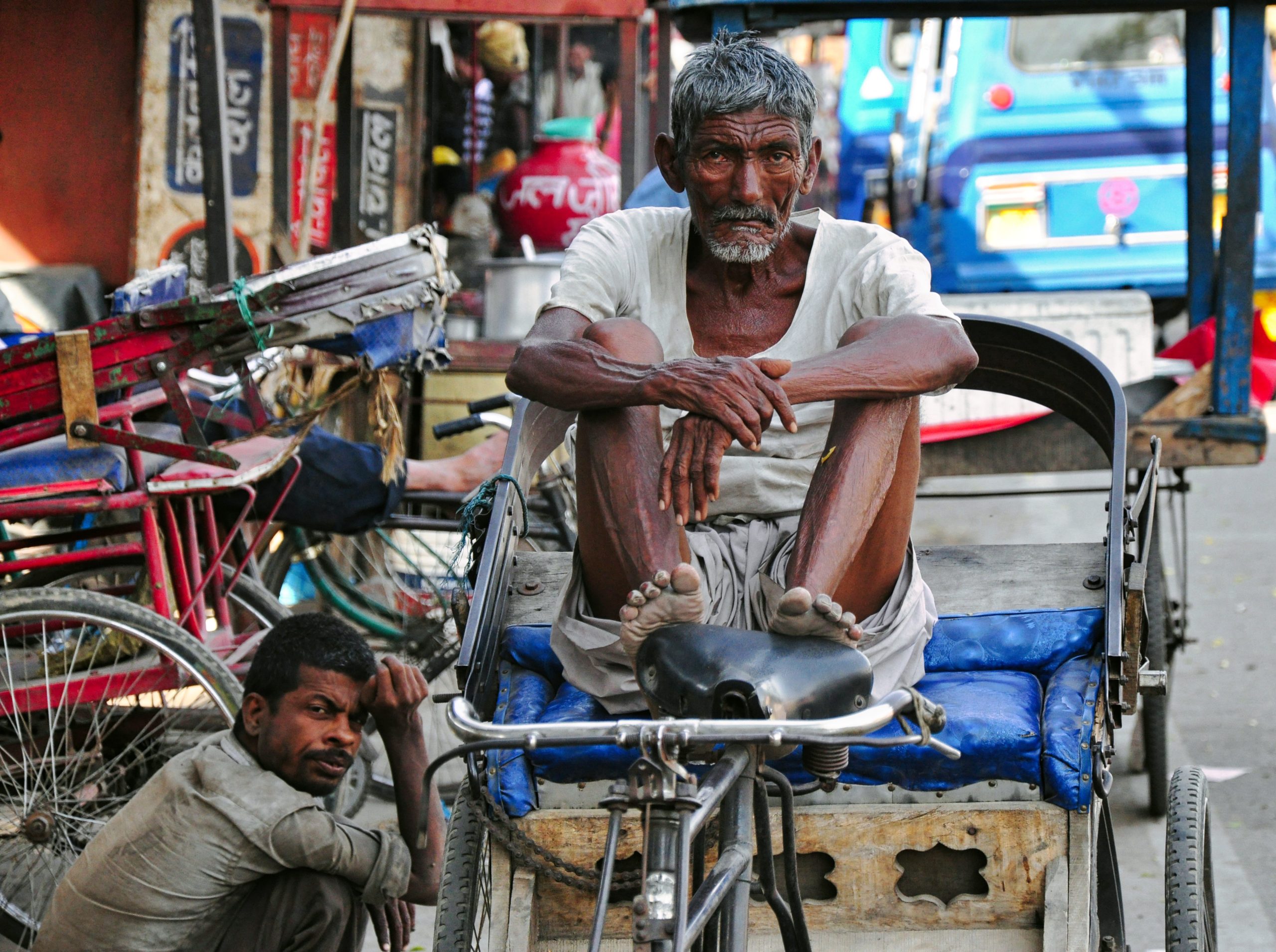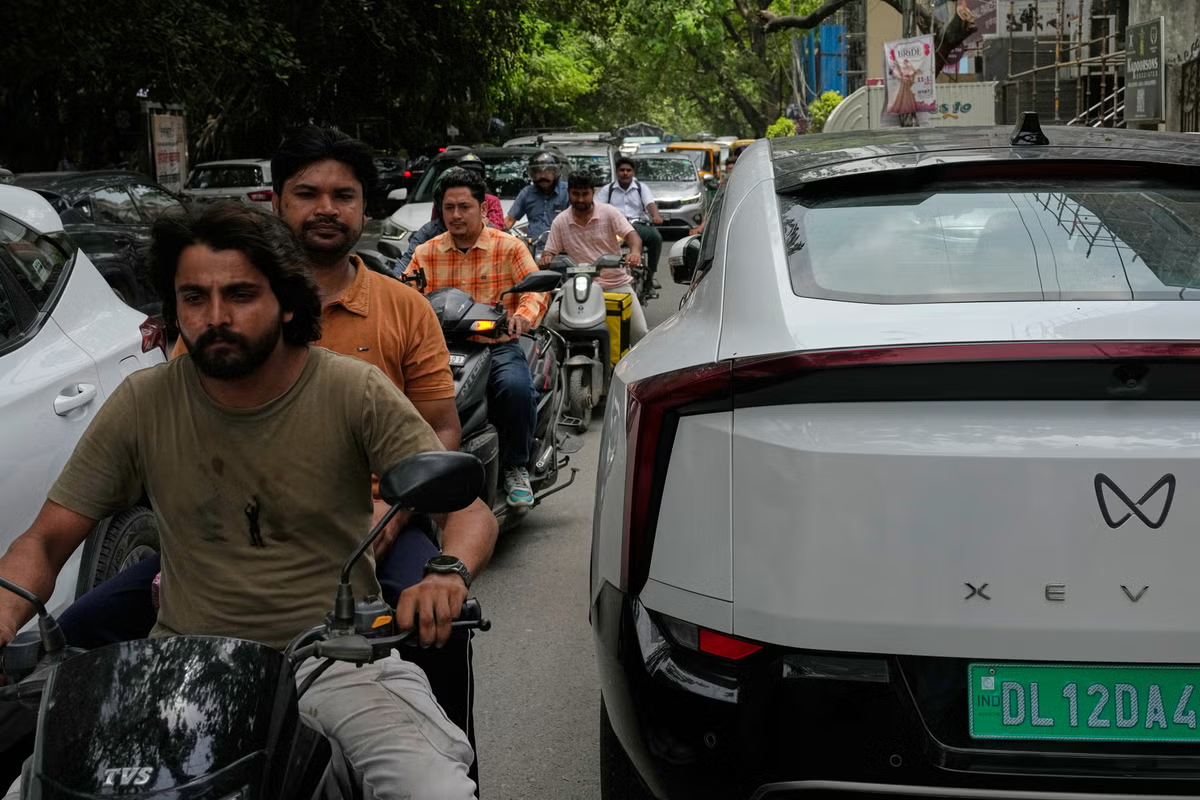
At a traffic signal in Delhi, an electric SUV can wait beside an e-rickshaw and a delivery worker on an electric scooter. All three may be counted as evidence of the same green transition, although they embody very different relationships to mobility. The SUV offers private comfort and status; the e-rickshaw provides shared transport; the scooter is often inseparable from a worker’s livelihood.
To see only three electric vehicles here is to miss the differences in power and vulnerability. This is what technological optimism does: treats a change in the machine as if it were automatically a transformation of the system.
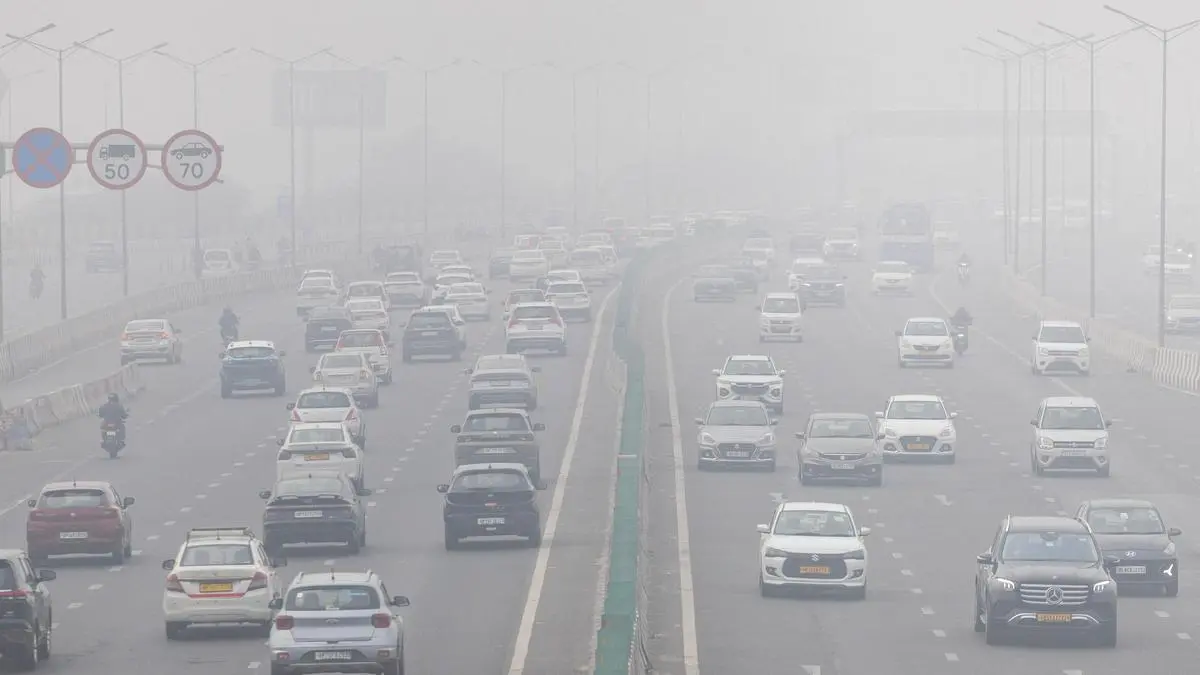
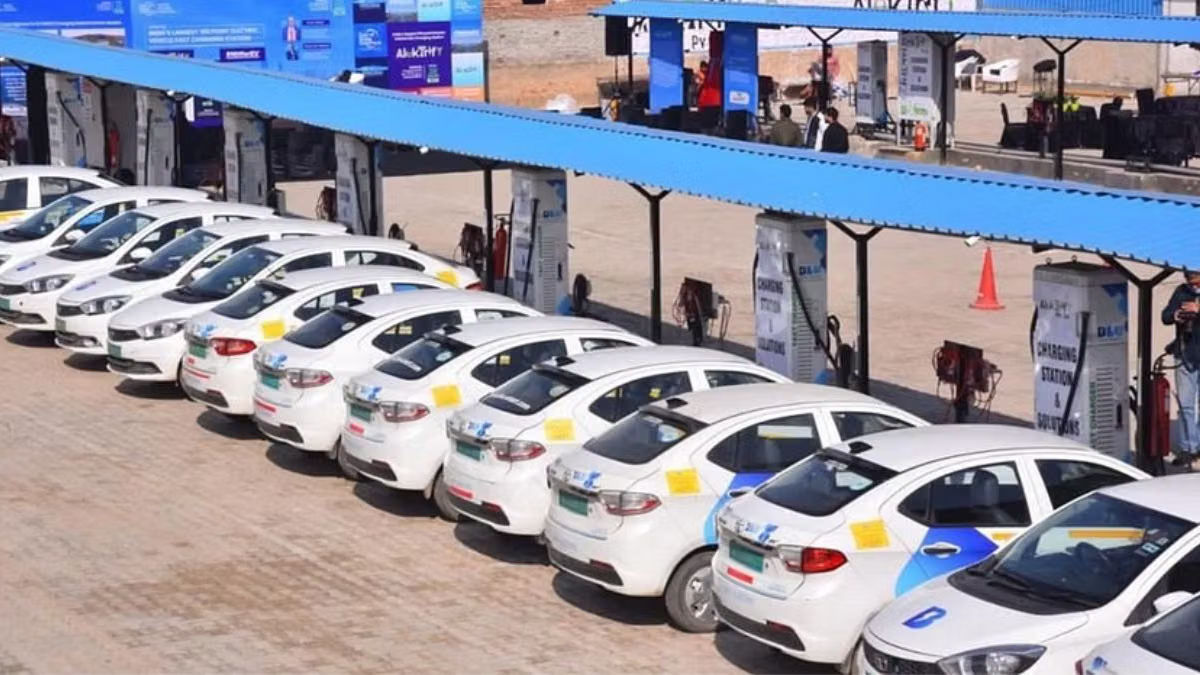
Delhi’s new Electric Vehicles Policy, notified on June 30, and effective from July 1, 2026, is nevertheless a serious intervention. From January 2027, only electric three-wheelers and N1-category light goods vehicles can be newly registered; from April 2028, the mandate extends to new two-wheelers. First-year purchase incentives reach 30,000 Indian rupees for electric two-wheelers, and 50,000 rupees for e-autos. Electric cars priced up to 3 million rupees receive road-tax and registration-fee exemptions, while eligible owners who scrap older cars can receive 100,000 rupees. The policy also supports charging, battery recycling and government electric buses.