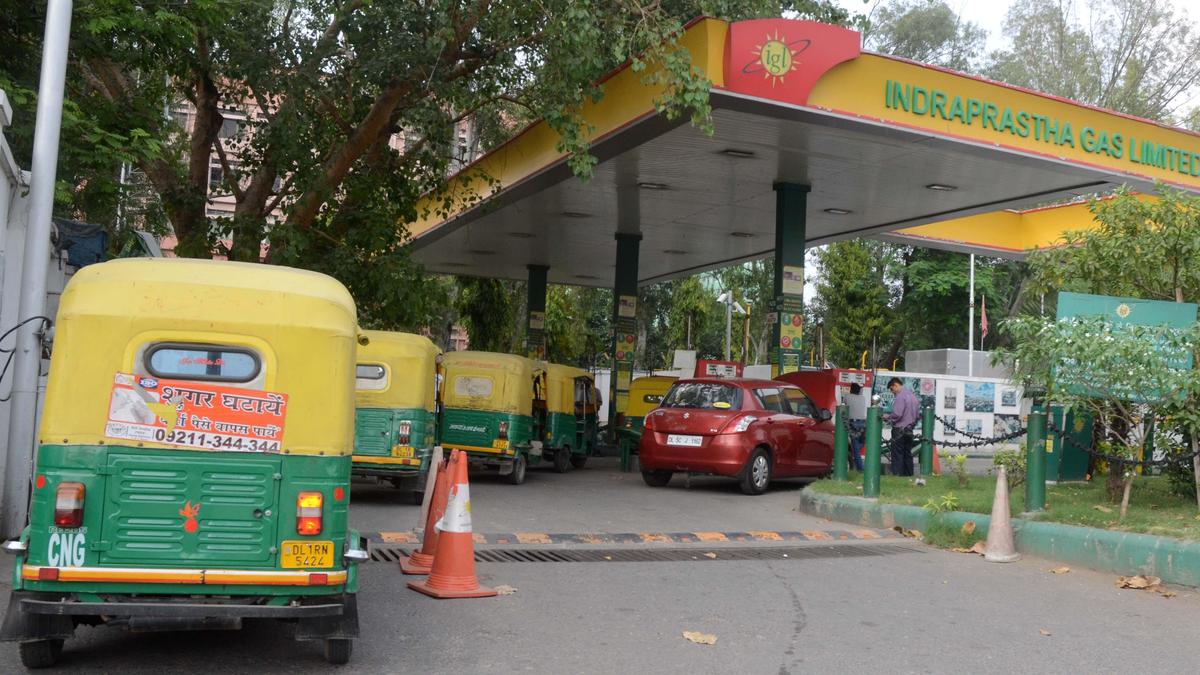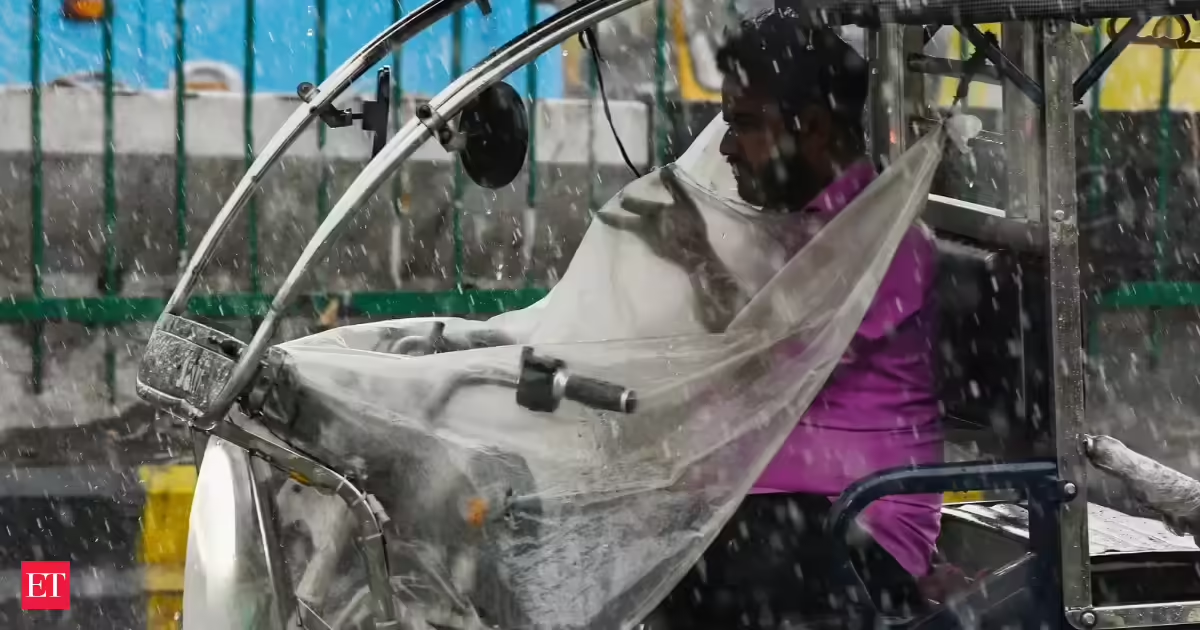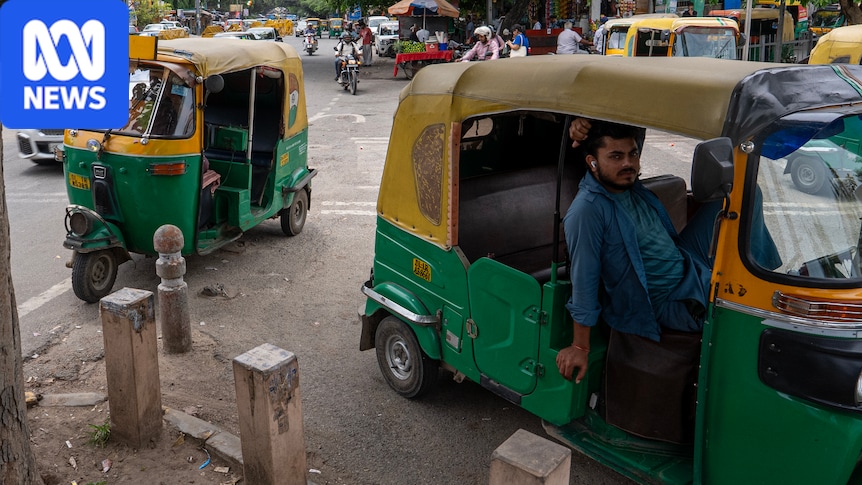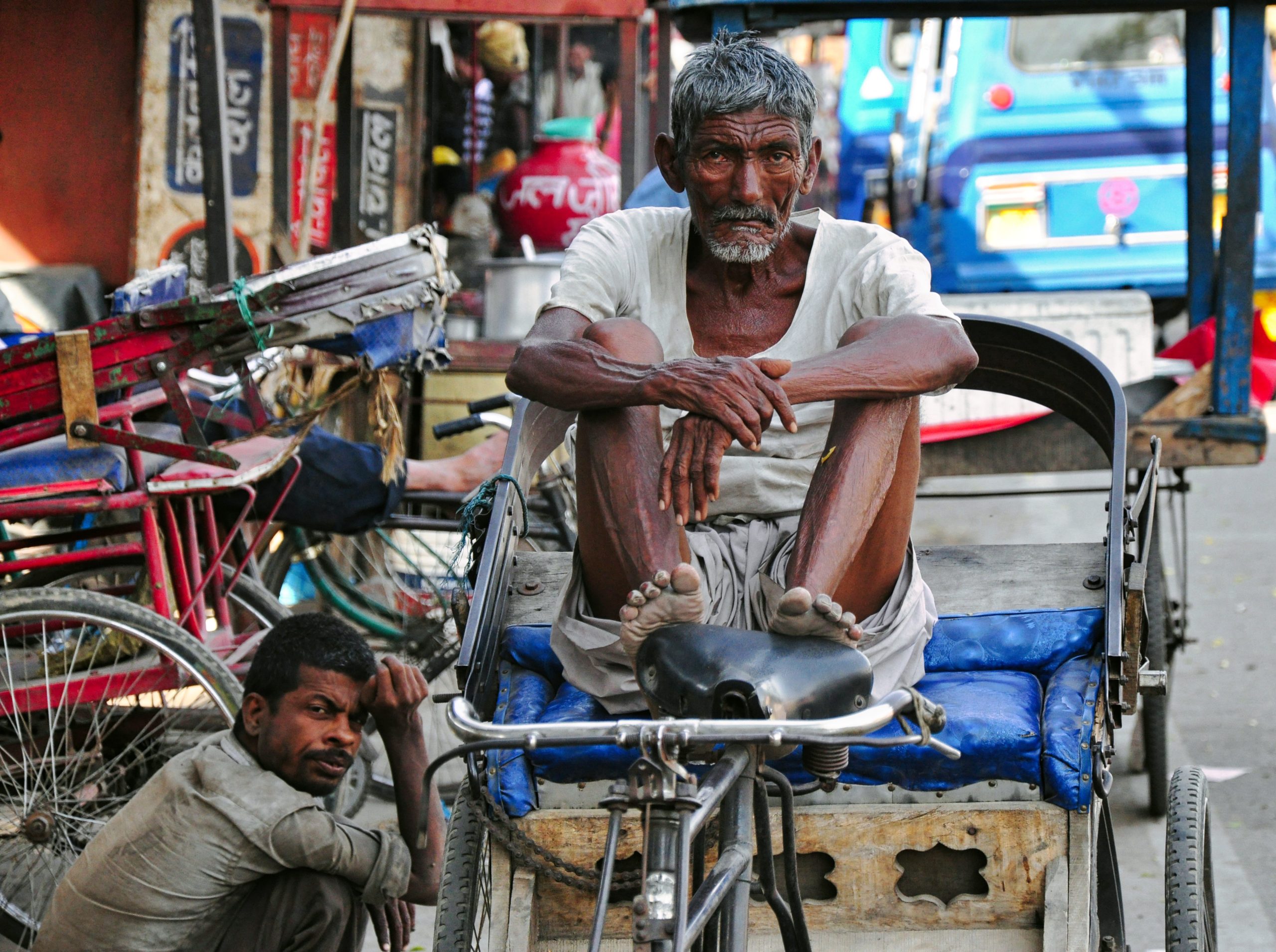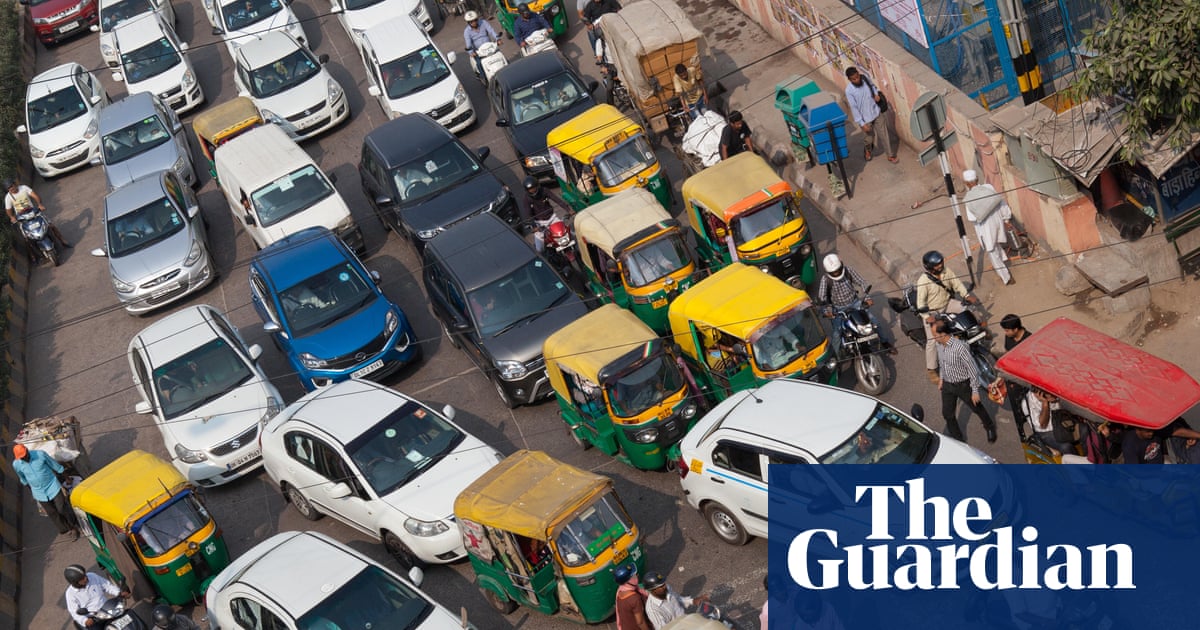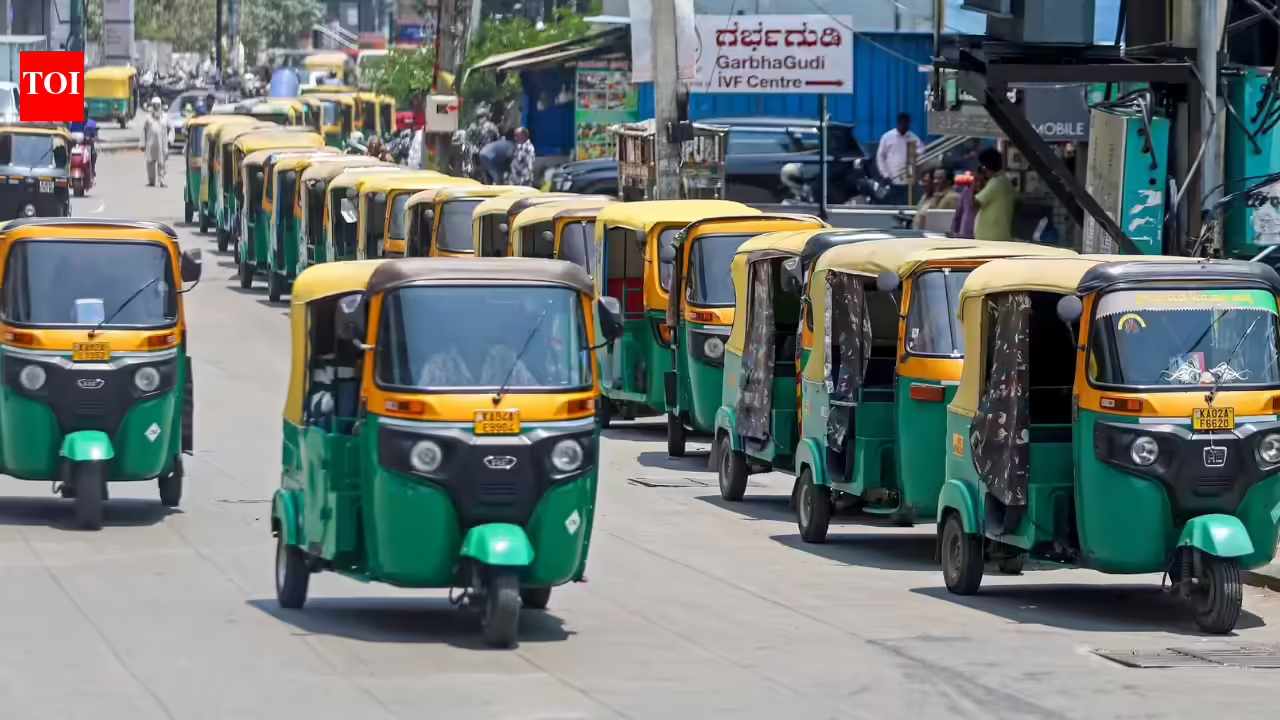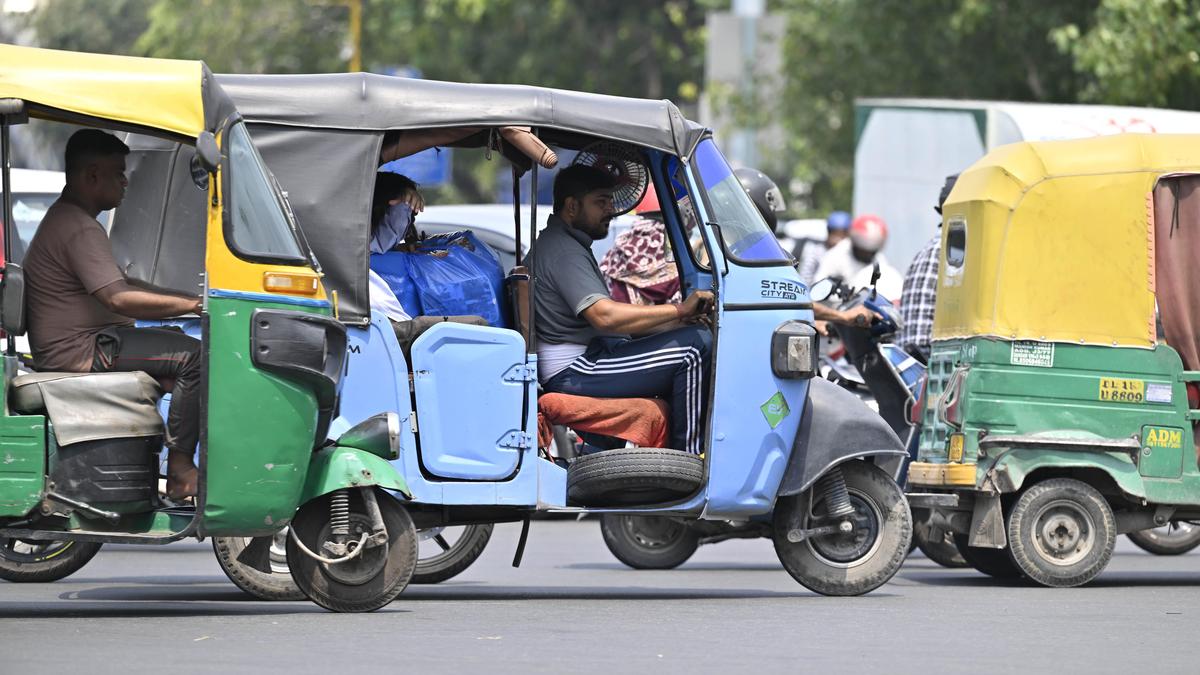
NEW DELHI, 27/06/2026: Battery Operated, Many electric auto rickshaws ply on Delhi's roads to reduce pollution in the Capital on Saturday. June 27, 2026. Photo: SHIV KUMAR PUSHPAKAR / The Hindu (To go with Shrimansi's story)
| Photo Credit: SHIV KUMAR PUSHPAKAR
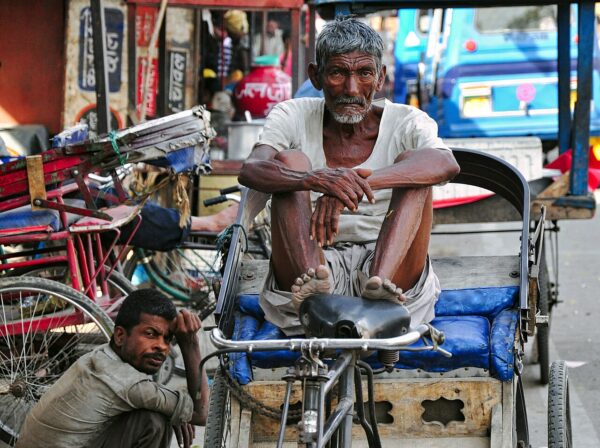
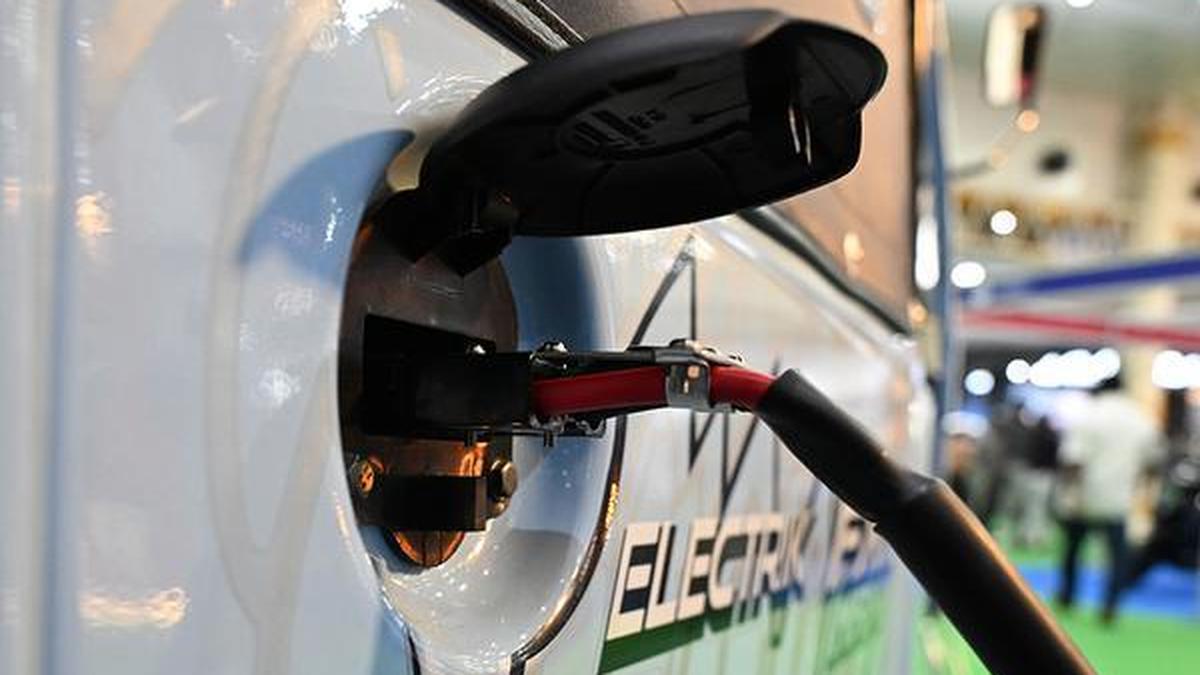
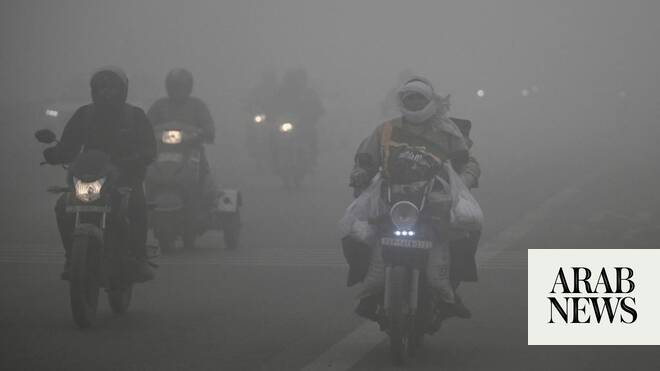
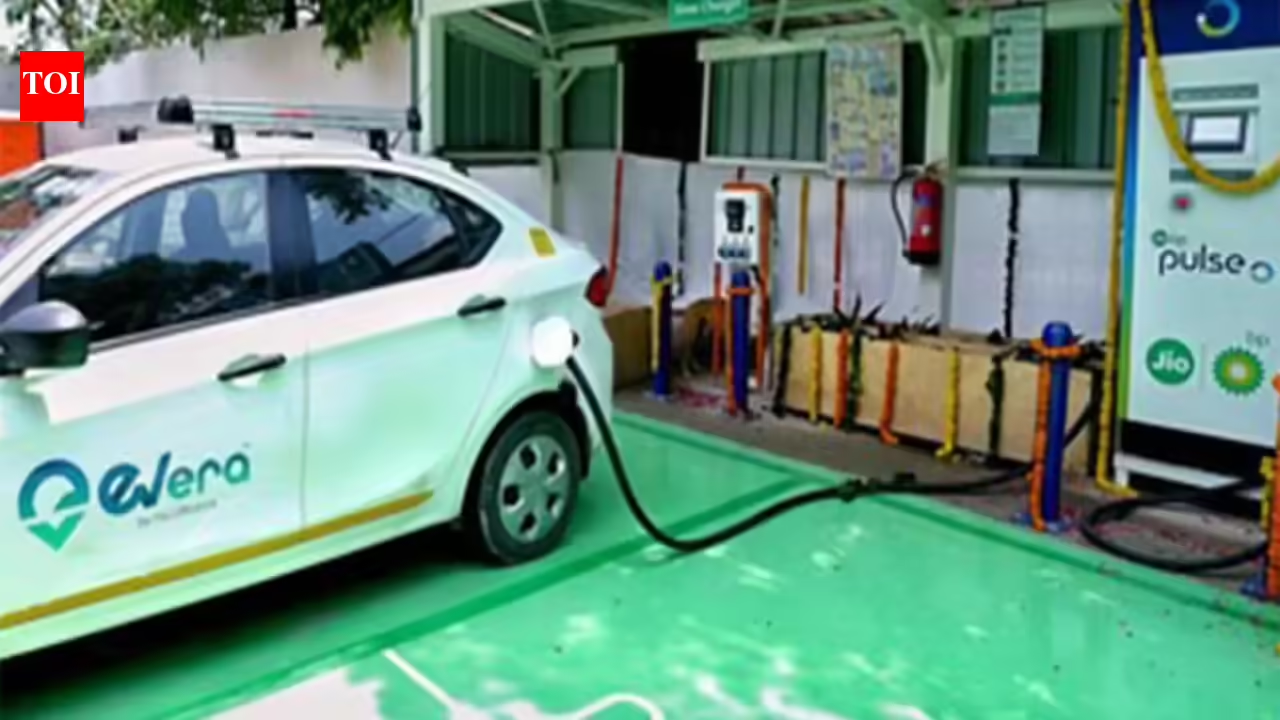
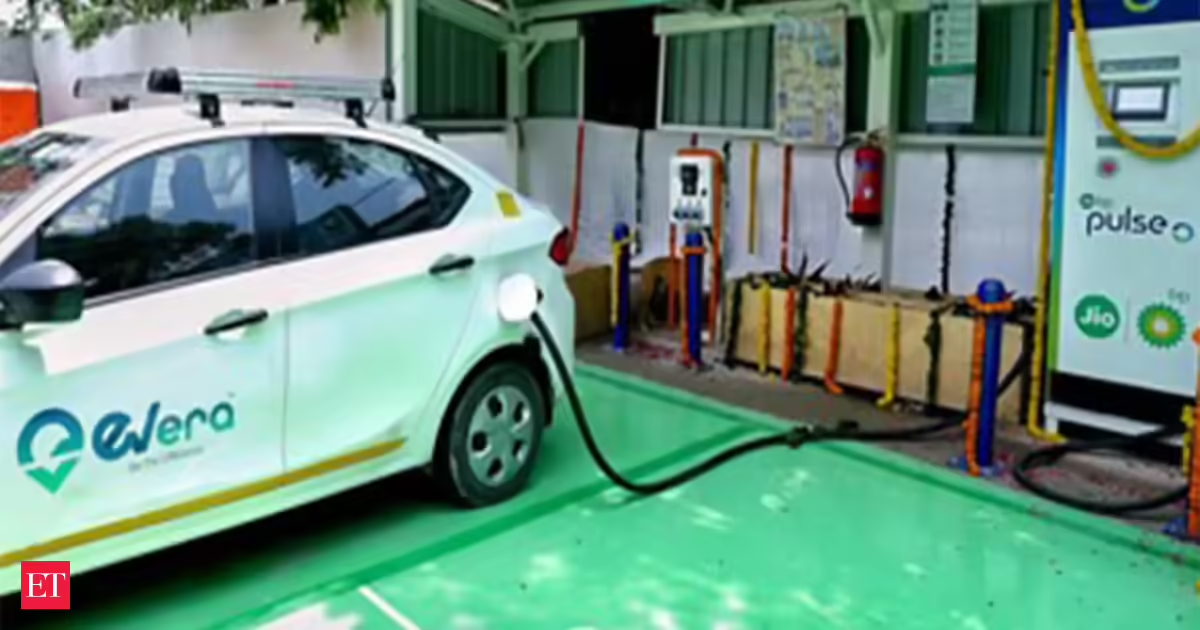
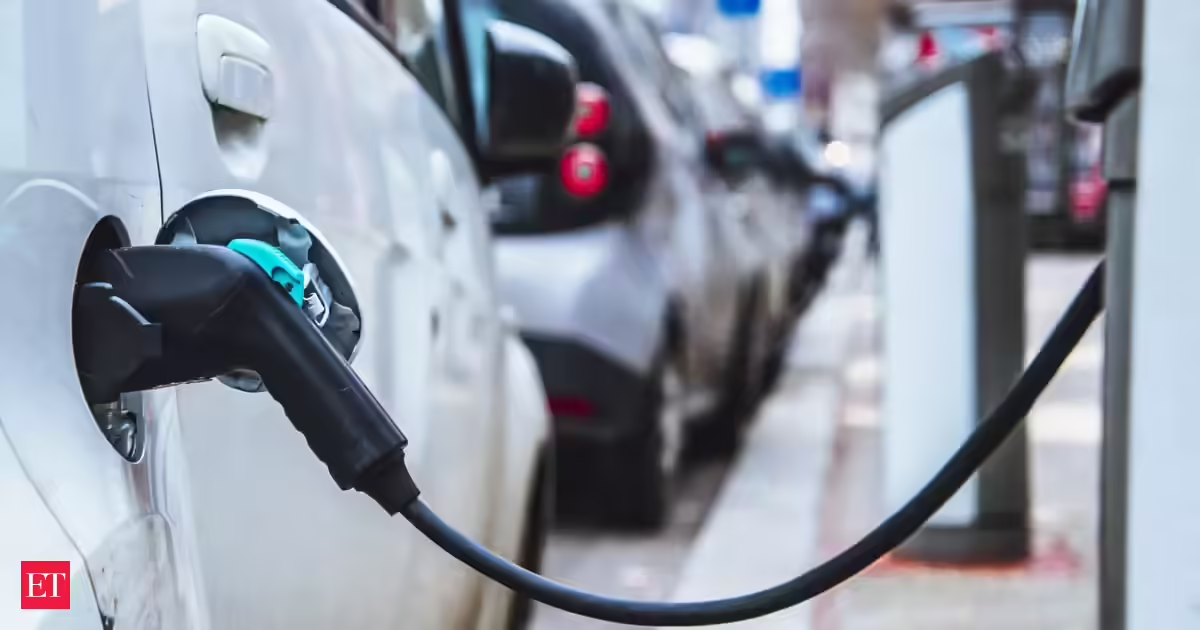
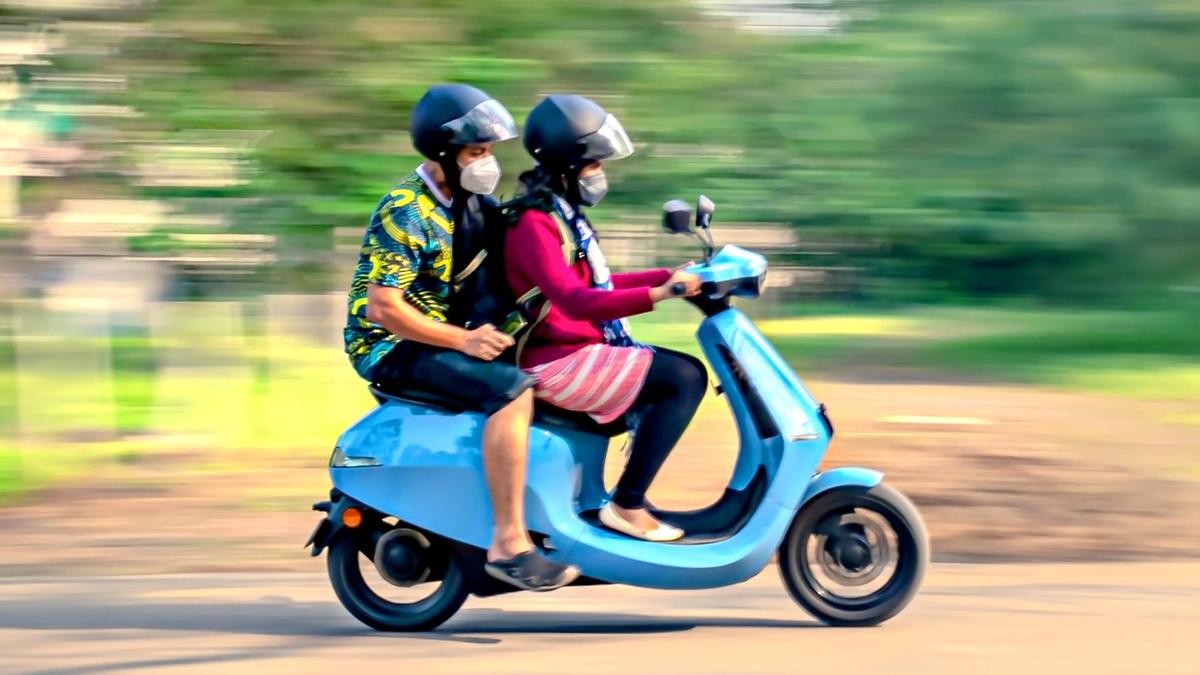
With the Delhi government gearing up to notify its new electric vehicle (EV) policy, autorickshaw drivers remain uncertain about the shift to electric three-wheelers. They cite inadequate charging and battery-swapping infrastructure while questioning the performance of EVs compared with existing Internal Combustion Engine (ICE) autorickshaws.Rajesh, who drives an electric three-wheeler around Hauz Khas, worries about how to make the most of his vehicle’s 100-kilometre range – the maximum it can travel on a single charge – to maximise his earnings without having to recharge during the day.“You have to think twice before picking up passengers because you are constantly calculating how much money you can earn without draining the battery. If I am working in Hauz Khas, I cannot go to Anand Vihar and return and still expect to pick up passengers for the rest of the day. But I could easily do that with my CNG auto,” he said.The government’s draft EV Policy 2.0 has been in the public domain since April 2026. It outlines a framework to accelerate electric vehicle adoption and reduce air pollution. The draft proposes a phased transition to electric mobility, allowing only electric three-wheelers to be newly registered from January 1, 2027, and only electric two-wheelers from April 1, 2028.Fear of income lossDrivers say the current fleet of electric three-wheelers takes too long to charge without offering advantages in speed or range over ICE vehicles. They say that this could directly affect their livelihoods.Pawan Kumar, a driver from Govindpuri, said the transition would be difficult unless drivers could charge their vehicles at home. “There are lakhs of auto drivers in Delhi. Once they all shift to EVs, the existing charging stations will be overcrowded. To avoid that, vehicles will have to be charged at home. But many landlords do not allow charging, and in many places the electrical wiring cannot support the additional load,” he said. Mr. Kumar suggested that the government should either substantially increase the number of charging stations or expand battery-swapping facilities.According to the Transport Department’s website, Delhi currently has 1,919 charging stations, 2,452 charging points and 232 battery-swapping stations. “This is highly insufficient,” Mr. Kumar said, adding that vehicles equipped with dynamic charging systems that can charge on the move would also help. “That would be better because we would not lose valuable earning time waiting for the vehicle to charge,” he added.