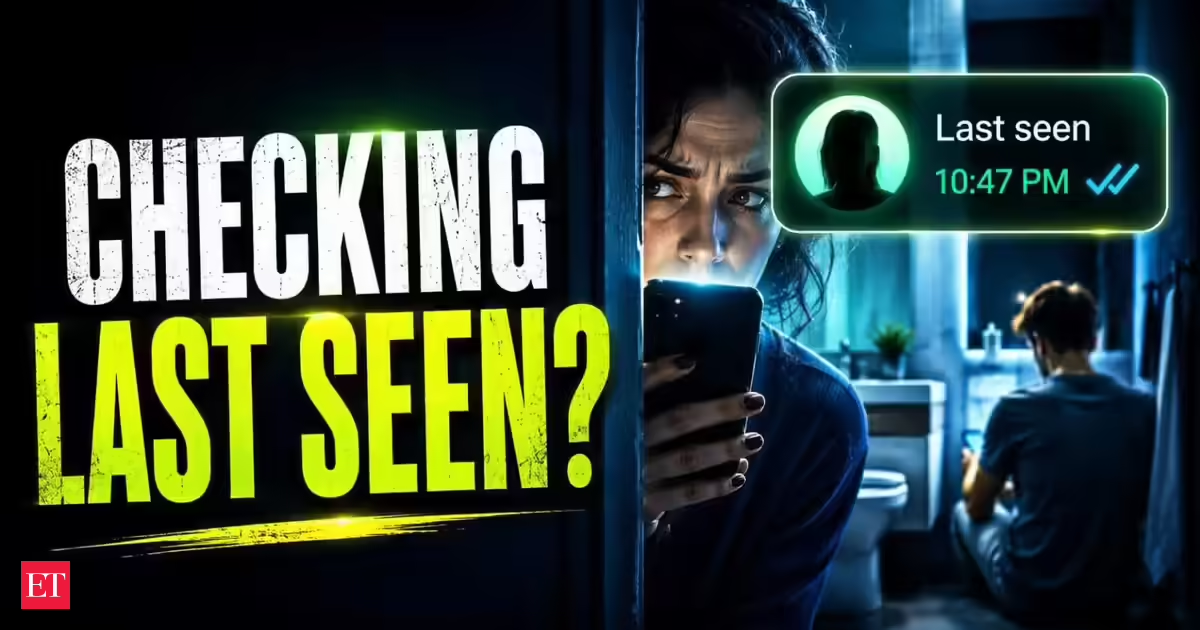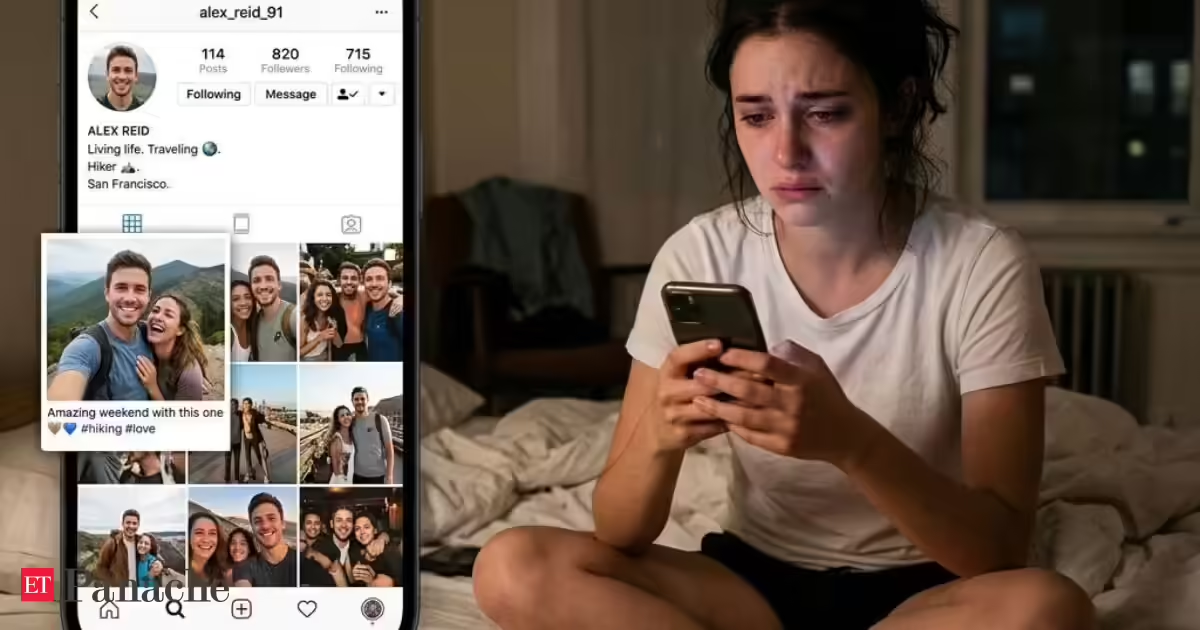
It’s 2 AM, the room is silent, and the blue light of your phone illuminates a familiar ritual. You find yourself scrolling through your ex partner’s social media, meticulously analyzing a months-old caption, and diving deep into a gallery of saved photos from happier times. We’ve all been there: seeking comfort in old texts and digital ghosts when the nighttime loneliness hits hardest. It feels like a harmless way to stay connected, a desperate attempt to bridge the gap left by a painful breakup. However, substituting closure with digital surveillance comes with a steep hidden cost, warns psychologists. Stalking your ex on social mediaWith hundreds of millions of individuals logging onto major social networking platforms daily, a substantial portion of users admit to utilizing these networks specifically to monitor the lives of their past partners. Data suggests that roughly one-third of users engage in this behavior. Research published in Cyberpsychology, Behavior, and Social Networking indicates that maintaining a digital connection or quietly tracking an ex-lover's online presence can severely impair an individual's emotional recovery and stall their transition into the next chapter of life.Study shows ill effects of stalking your exA pivotal study examined the psychological consequences of two distinct behaviors: direct online interaction and silent "Facebook surveillance," where a user merely monitors a former partner's profile updates and photographs without making contact. By analyzing data from 464 participants, researchers uncovered clear links between digital tracking and heightened emotional turmoil. The study's findings revealed that individuals who actively monitored their ex-partner experienced:Heightened Emotional Distress: A significant increase in current heartbreak and negative emotions regarding the separation.Persistent Longing: Elevated levels of yearning, emotional attachment, and lingering physical desire for their past partner.Stunted Personal Growth: A noticeable inability to learn from the breakup and mature as an individual.Final takeawayInterestingly, the study noted a nuanced difference for those who simply remained social media friends without actively tracking the ex. While these participants reported fewer immediate negative feelings and less intense longing than active monitors, they still suffered from a lack of personal development.Crucially, these destructive patterns persisted even after accounting for offline interactions, personality differences, and the specific nature of the breakup itself. Ultimately, the data implies that continuous virtual exposure to a past relationship acts as a direct roadblock to genuine psychological healing, leaving individuals trapped in a cycle of false hope and emotional distress.
Delayed healing, emotional distress, false hope: Psychologists say stalking your ex's social media may be doing more harm than good
Scrolling through an ex's social media late at night might feel comforting, but psychologists warn of a significant cost. A study found that digitally tracking past partners, even without direct contact, intensifies heartbreak, prolongs longing, and hinders personal growth. This virtual exposure acts as a major roadblock to genuine healing, trapping individuals in a cycle of distress and false hope, preventing them from moving forward.
393 words~2 min read