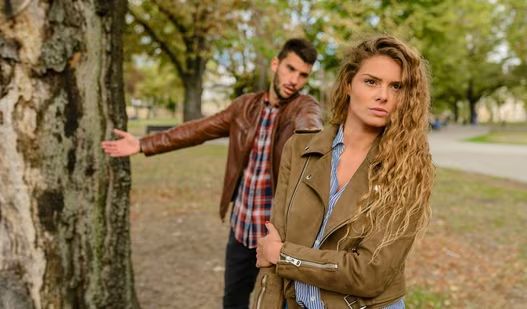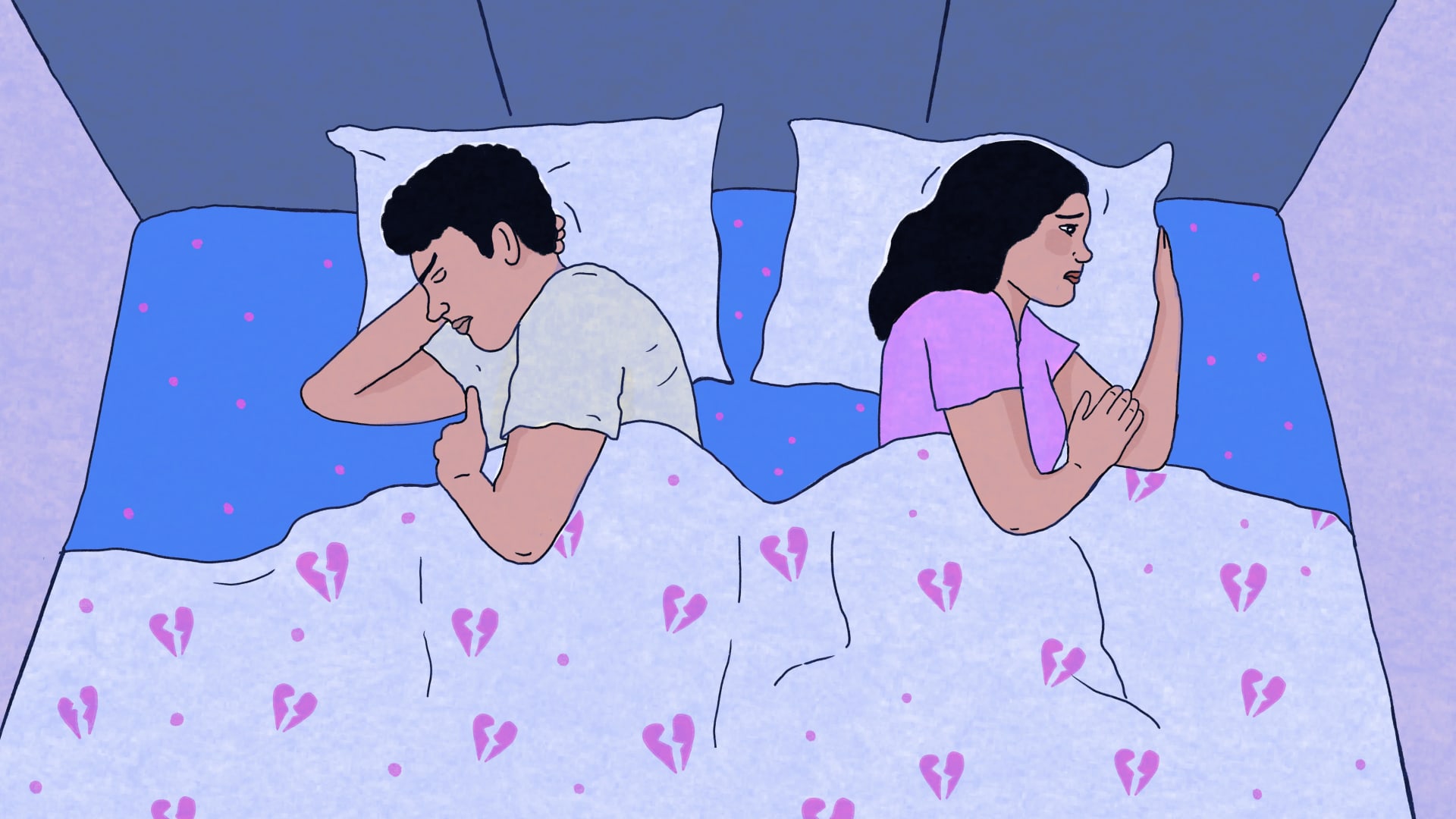
Children aren’t equipped to deal with trauma, and often carry the negative consequences into adulthood. According to a new study published in the Journal of Social and Personal Relationships, these harmful experiences can fester, undermining their ability to form healthy romantic relationships later in life. Featured VideoA team of family scientists from the University of Georgia asked members of more than 200 opposite sex couples to complete questionnaires about the adverse experiences of their youth, including abuse, neglect, divorce, or the death of their parents. They found that those who experienced more trauma during childhood were more likely to experience loneliness, depression, and anxiety as adults. The researchers say these negative effects also bled into the survey group’s interpersonal lives, leading to more difficulty maintaining romantic relationships. Namely, those with rougher childhoods struggled to communicate, show affection, and manage conflict with their partners.Read more: “Love Is Biological Bribery”“Childhood adversity creates a kind of wear and tear that often goes unnoticed in daily life,” study author Analisa Arroyo said in a statement. “Over time, that chronic stress can affect not only our own well-being but the health of our relationships as well.”The team also uncovered interesting gender dynamics at play. Women were more likely to suffer from mental health issues linked to adverse childhood experiences, and their partners were more likely to rate the quality of the relationship lower (but not vice versa). According to the team, “Women may face greater psychological and relational effects which, in turn, could affect both their own and their partner’s relationship quality.” Additionally, because women are socialized from a young age to link their worth and identity to relationships, women whose skills have been undermined by childhood trauma still face the burden of maintaining partnerships, compounding the problem.But it’s not all bad news. The researchers say social skills training, couples’ therapy, and couples’ relationship education are all powerful, low-cost methods to empower people with rocky childhoods to develop stronger interpersonal skills and healthier relationships as adults. “Couples can absolutely strengthen their relationships by learning and practicing healthy relationship skills, especially when both partners are committed to growth,” study co-author Evin Richardson said. In turn, that healthier relationship can become its own tool, providing a firm foundation for future healing. Enjoying Nautilus? Subscribe to our free newsletter.Lead image: The Thunks / Adobe Stock
Childhood Trauma Echoes Through Romantic Relationships
Childhood Trauma Echoes Through Romantic Relationships: Abuse, neglect, and loss can reverberate in a partner’s behavior
387 words~2 min read